
Please watch video above for detailed info:
Hi Guys,
Just a quick response blog/post to explain how I alternate pick.
HOW I DO IT
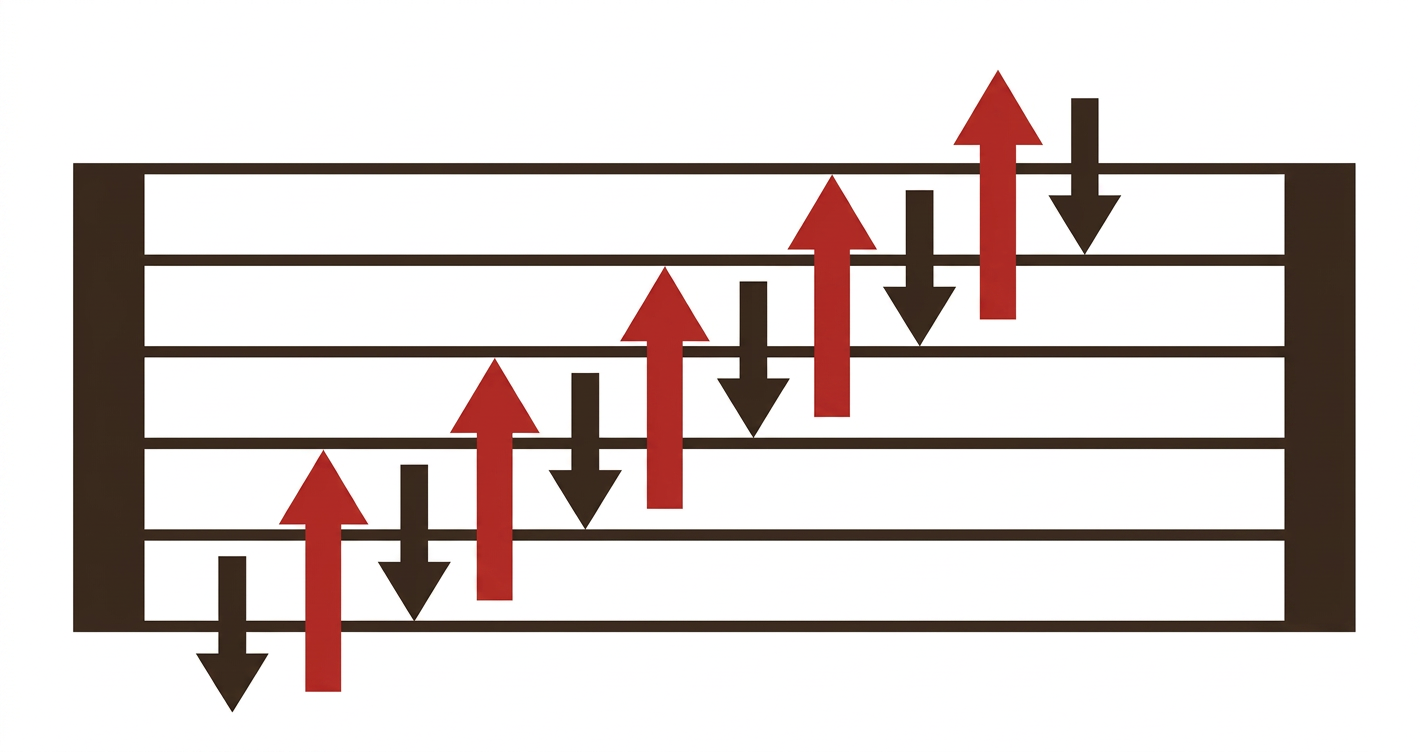
What, I generally do is pivot on the down stroke and float on the up stroke. Especially, when crossing the strings.
From a practical perspective, here is a short [Call/Answer] exercise to demonstrate this.
P=Pivot
F=Float
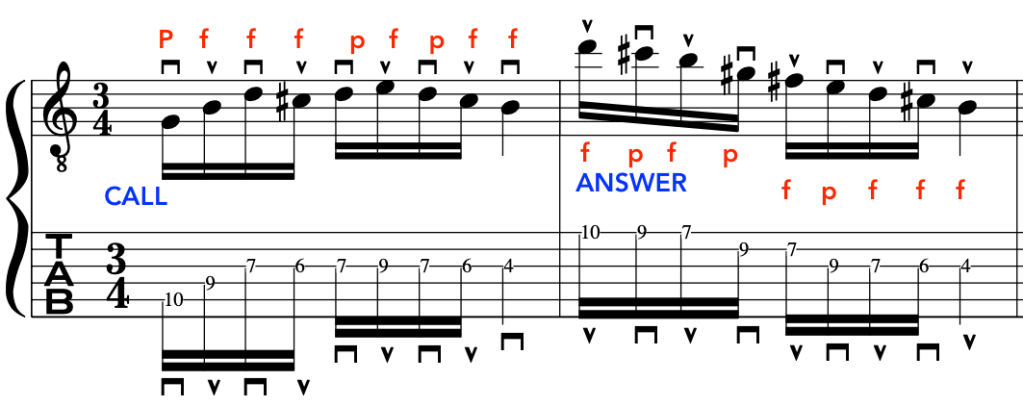
I float when crossing the string because it’s “up skip over and then pluck down” and so I need to have free movement in the right hand to do this. I do not want to be stuck on the bridge.
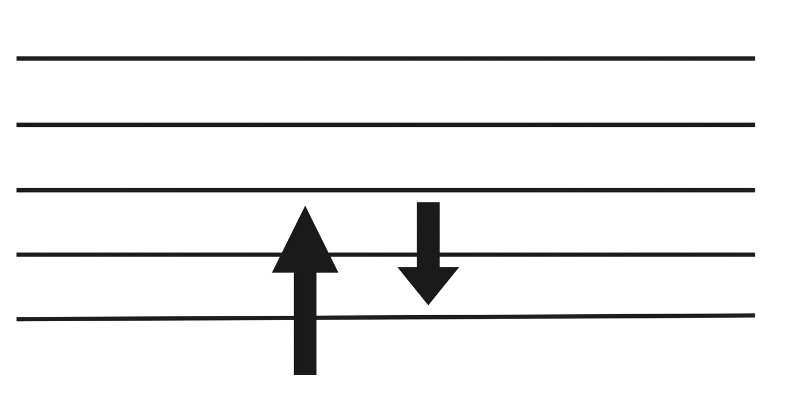
This type of alternate picking is different from shred guitar et al.
This is because with a clean or acoustic guitar we are playing,
. Rhythmic Phrases
. Syncopation/Anticipation
. The improvised line
. Counting Time
. Melodic rhythmic development
So there are times when pivoting will work as the hand is placed/resting securely on the guitar bridge.
For example when there are lots of notes on one string. This is really useful…..
BUT…
Crossing the strings [especially when there are string skips/wide intervals] is a different story altogether. This is where most players lose the fluidity, rhythm and dynamics of the phrase.
So, floating on the upstroke is essential in order to have the freedom to move/cross from any string to any other string regardless of the distance.
IMPORTANT
There are no set rules for this, But-Just doing a tremolo and hammering on with distortion won’t get you far in the style of Fripp, Mclaughlin, Meola, Mock etc where it is composition/music/improvised based.
In these styles the rhythmic element is all important.
Because, otherwise it’s back to being stuck on the bridge and playing with force which is not musical or helpful for anyones musical health, tendons and joints. Pivoting, can help and be securing for parts of the line but in order to cross and play freely floating is also essential.
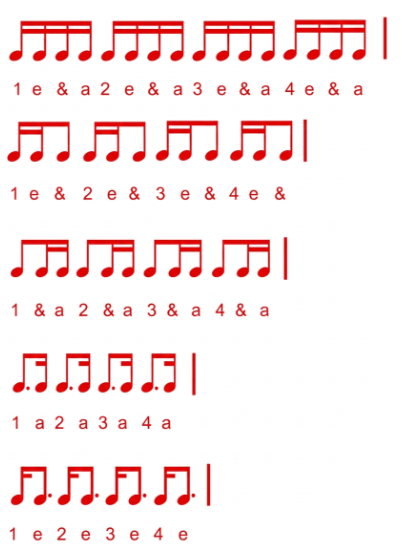
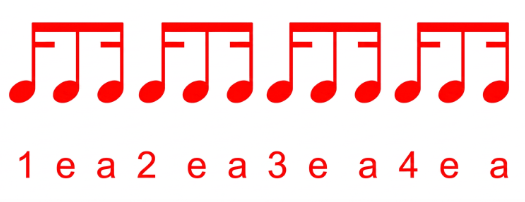
To finish with, it’s a good idea to try picking the main 16th groupings with the pick/right hand and create your own little exercises.
If this lesson was of use to you then please SUBSCRIBE to us on YOUTUBE below, Thanks!
