Lessons from Jazz/World to 20 Century Classical Music Harmony Rhythm and Theory
Category: Jazz fusion guitar music theory lessons, guitar technique and improvisation.
How to improvise over altered dominant chords. How to employ chromatic jazz and fusion harmony. Apply twentieth century classical composition techniques to modern jazz music and improv. How to exploit modes of the major. minor and diminished scales. Lesson in alternate picking guitar techniques as used by John Mclaughlin and Al di Meola. How to do metal rock and all styles of alternate picking on the guitar. Plectrum pick technique for electric and acoustic guitarists. alternate guitar style of picking lessons.
The key to improvising is to do something creative with the melody. To recompose it or to broaden it out or to instinctively develop the harmony. Most people take to the modes though with a compulsion to play “Carte Blanche” scale over a chord ad nauseam.
In this Blog/Vlog we will look at some ideas for bringing out the actual flavour of the most talked about mode of them all the “Dorian Mode”.
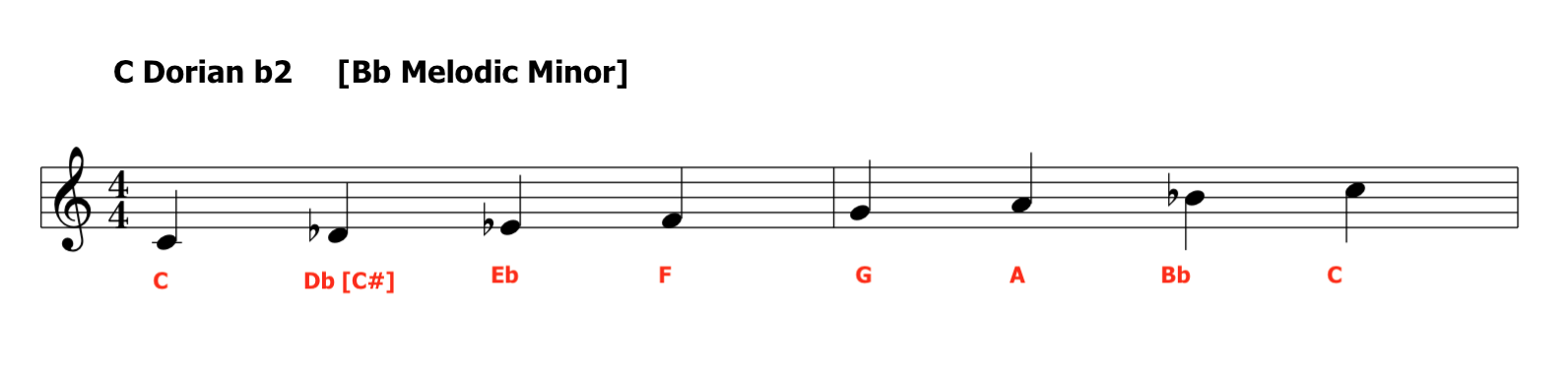
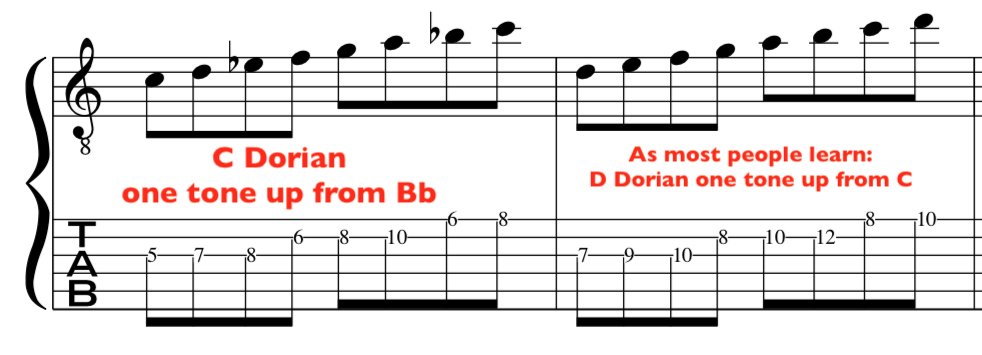
Most people look at the dorian mode as being a scale of C major starting on the note D. But here is how it works.
ANSWER=D is one tone up from C for D Dorian, so C is one tone up from Bb for C Dorian.
C DORIAN MODE [D Dorian as people learn it]
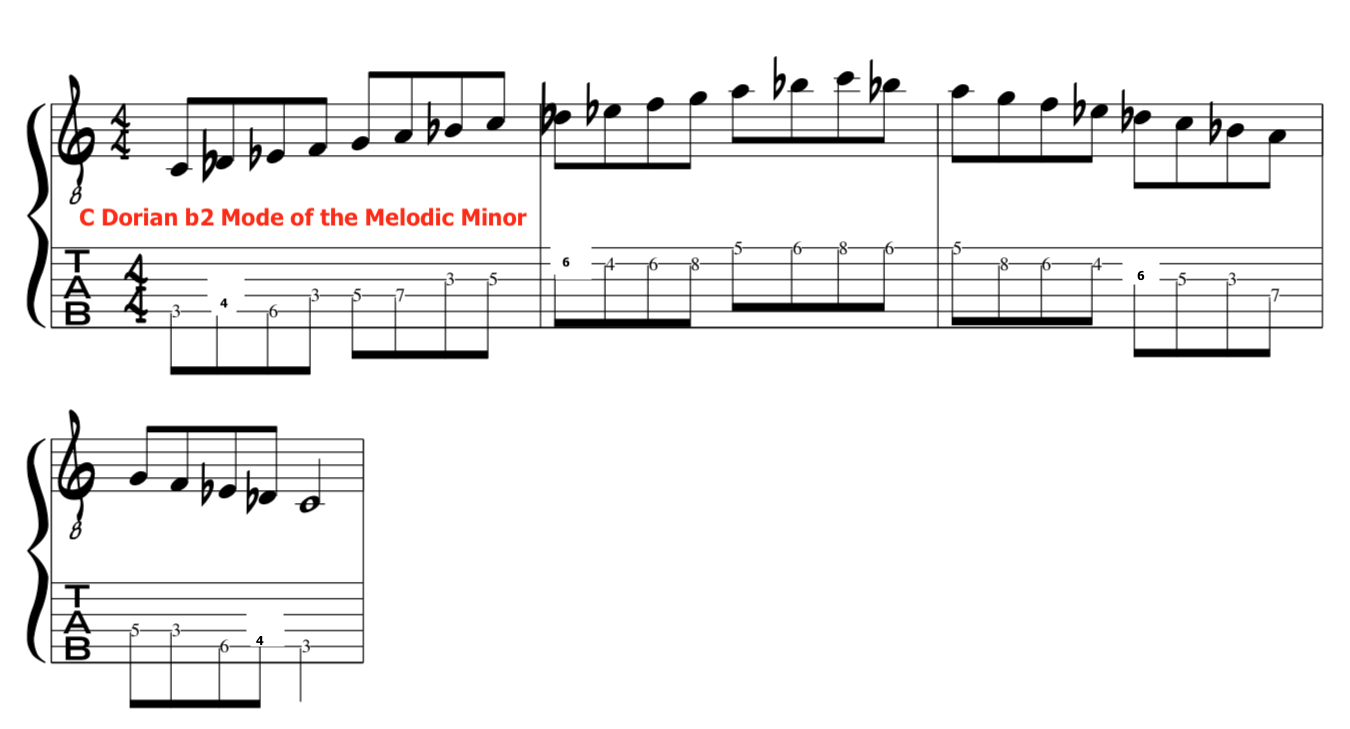
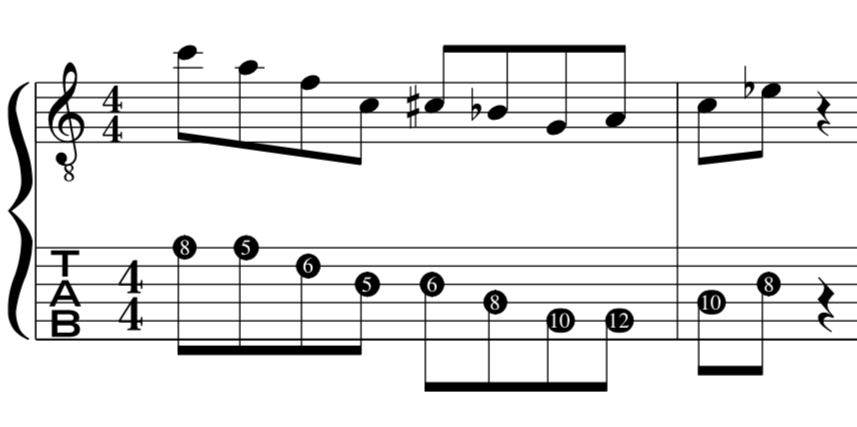
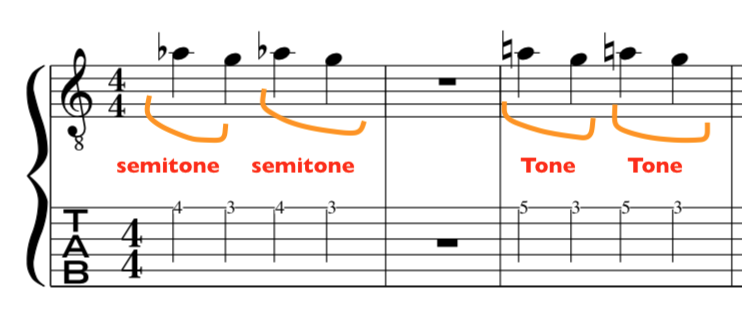
Below we see the difference between C minor and C dorian. C minor has the semitone between the 6th and 5th whereas C Dorian has a tone between the 5th and 6th notes. Dorian Raises the 6th note up a semitone. Without the raised 6th note C would just sound minor and not dorian, so bringing out this 6th note [as it will be in a melody to imply that we are in the dorian mode] is essential to creating actual music and phrasing and not just playing a scale over a chord.
C DORIAN MODE and C Minor
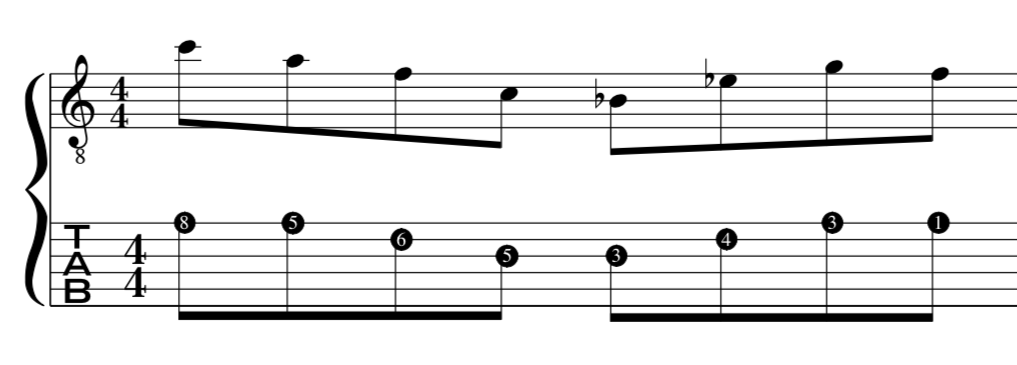
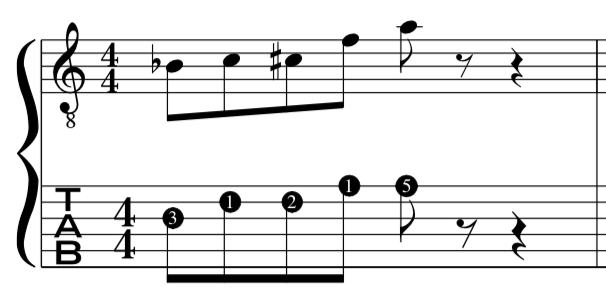
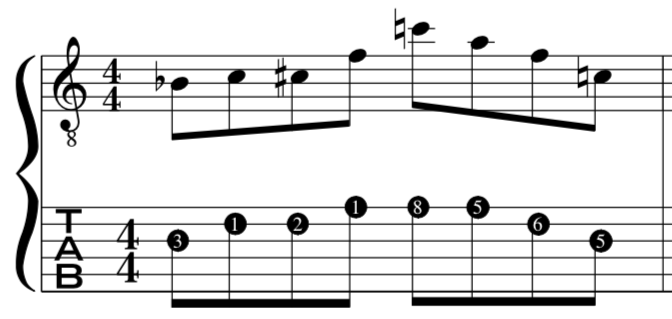
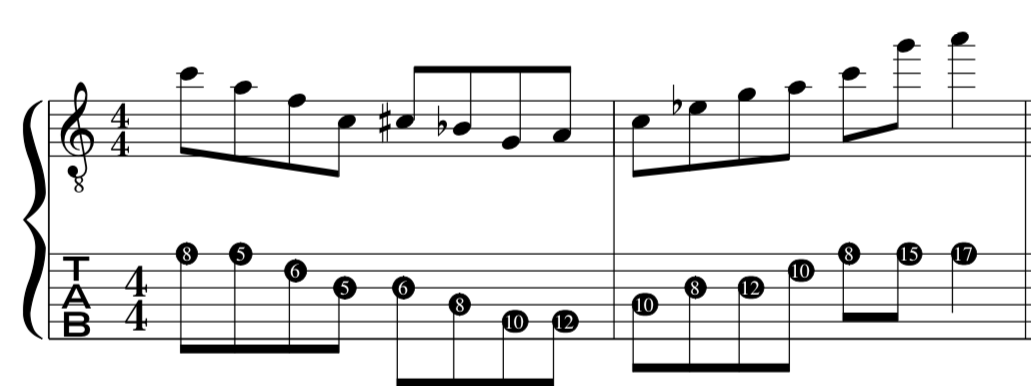
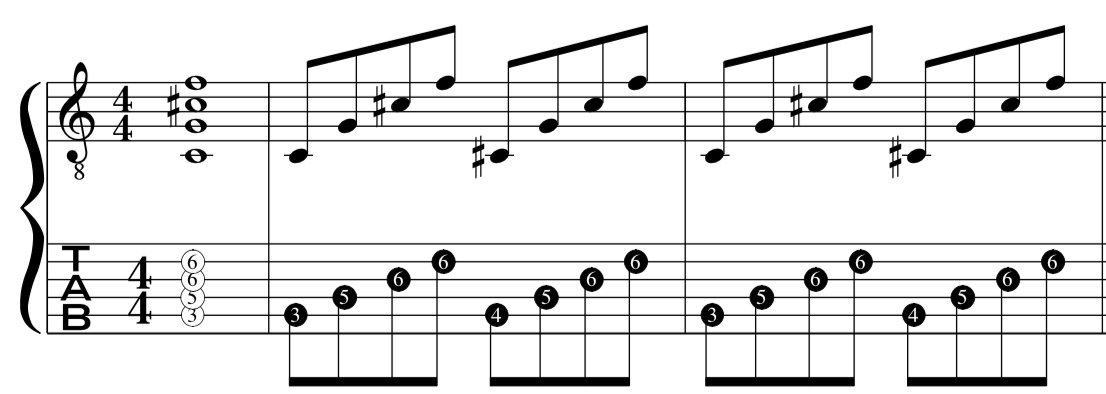
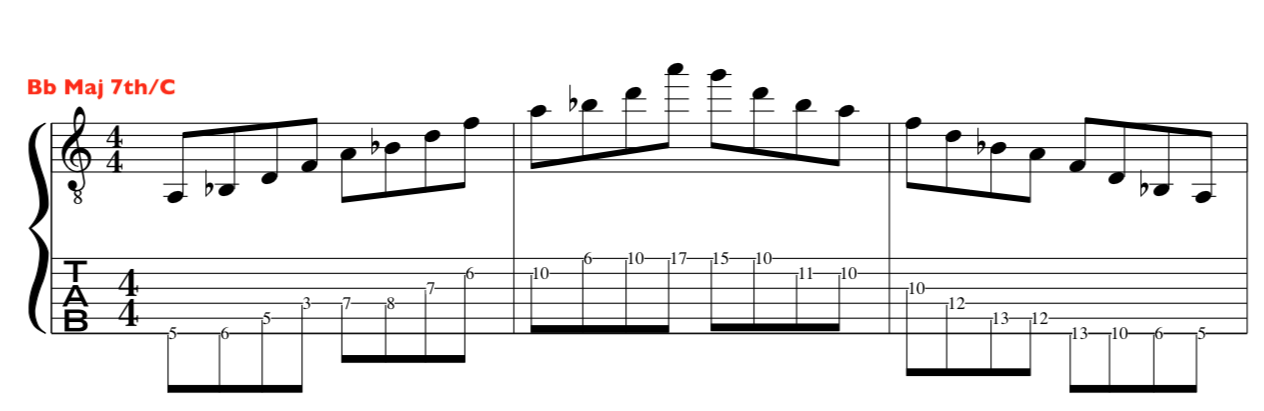
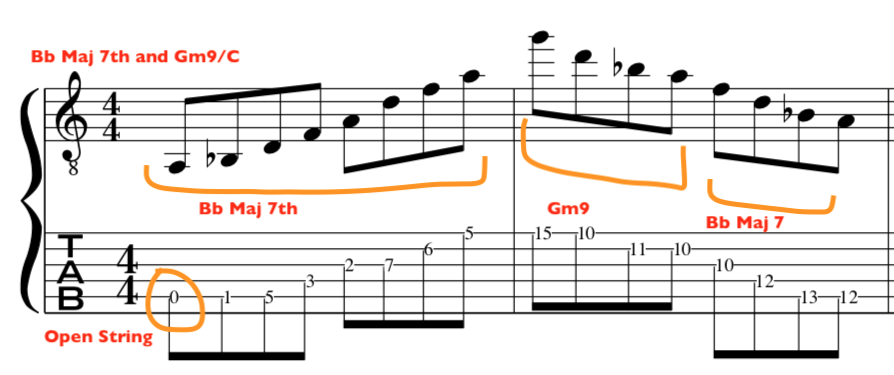
In order to bring out that A natural note in C dorian an easy way is to employ an arpeggio like Bb major 7th. This is very useful, melodic and can be played in 4 note groupings.
Bb major 7th for C dorian Mode Improvising
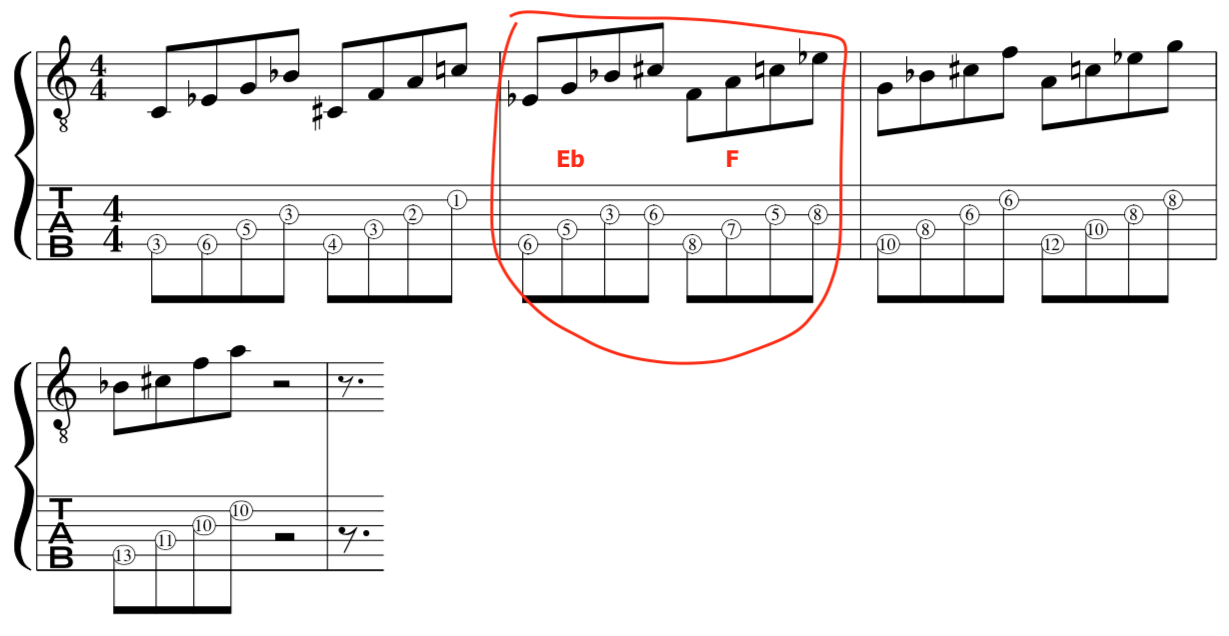
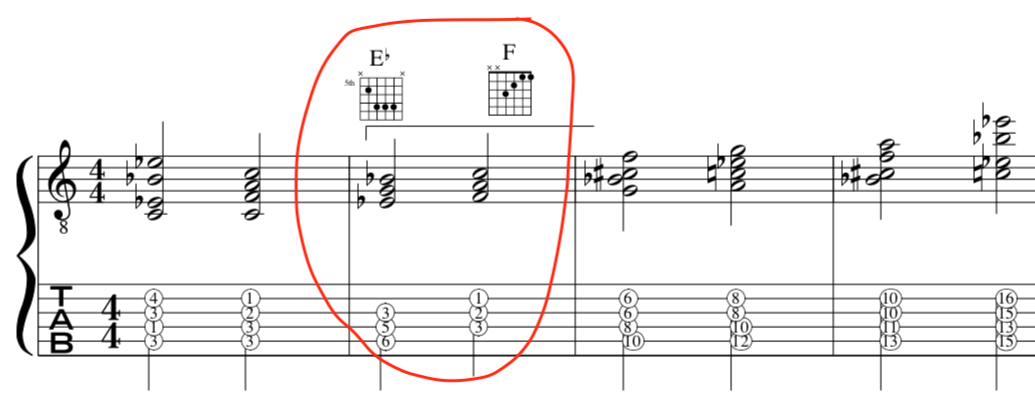
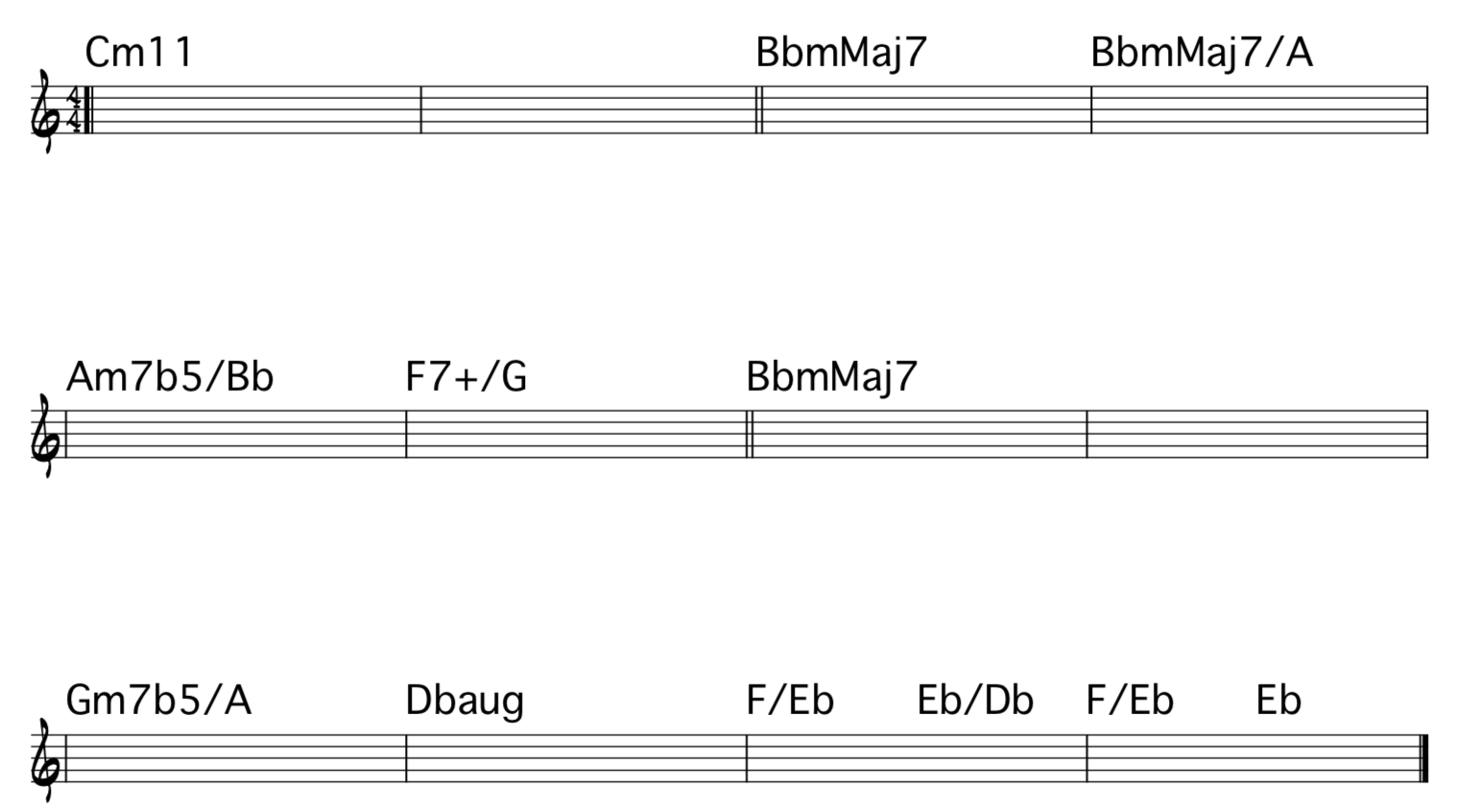
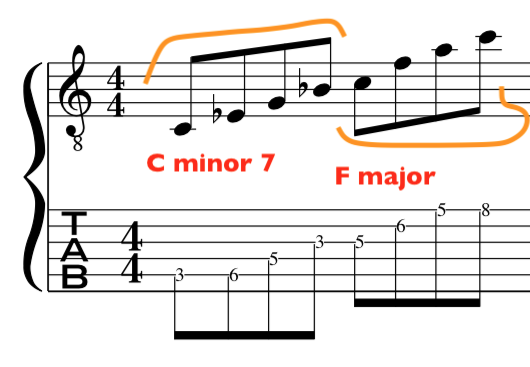
Next we can employ some basic chord pairs.
C minor 7 and F major
Dorian Mode triad pairs
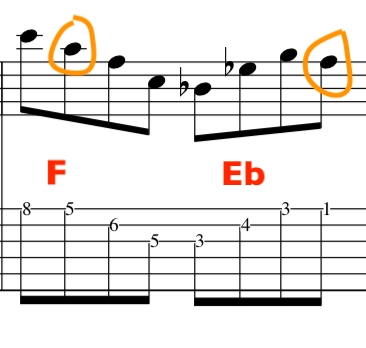
F major and Eb major
Dorian Mode triad pairs
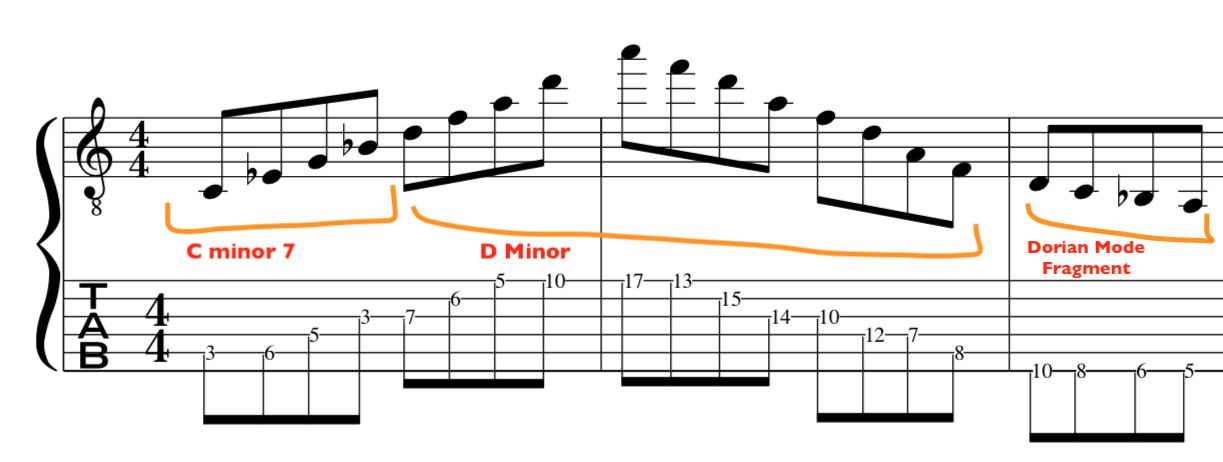
Now we can broaden out on this with C minor and D minor
Dorian Mode Example of bringing out the flavour/sound
Bb and G minor
Dorian mode example for improvising arpeggios
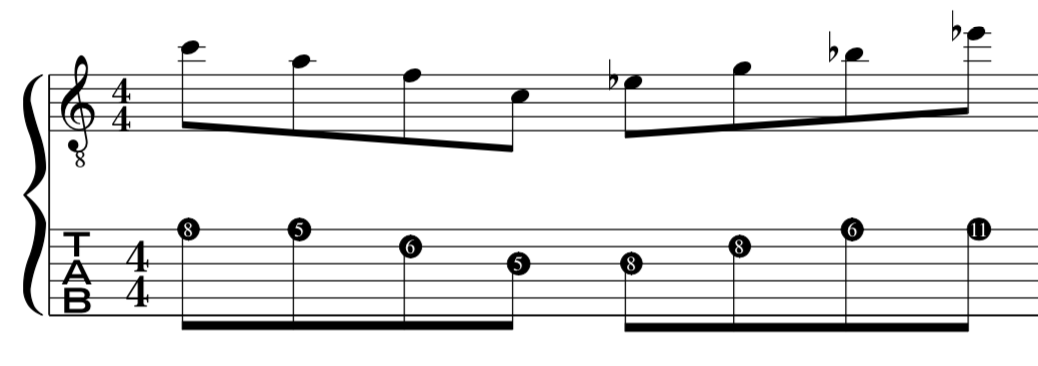
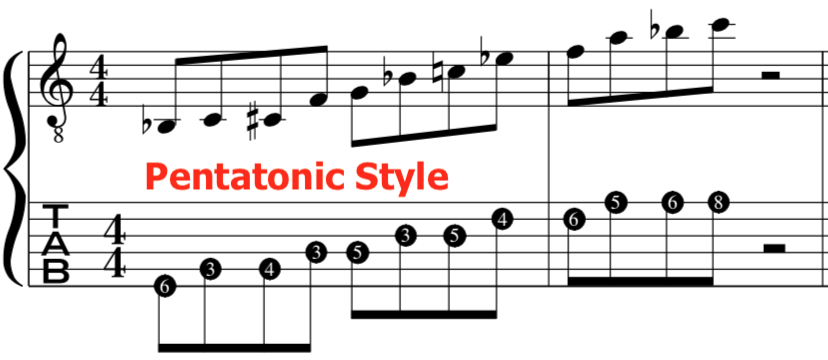
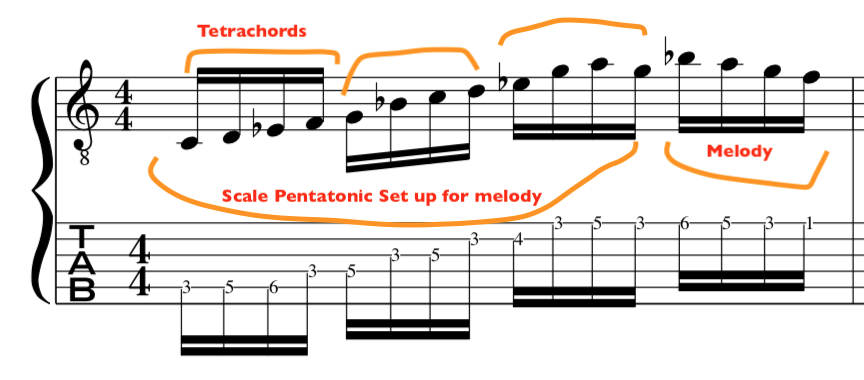
We can also employ pentatonics to bring out the flavour [melody] of a tune.
Dorian Mode pentatonics example
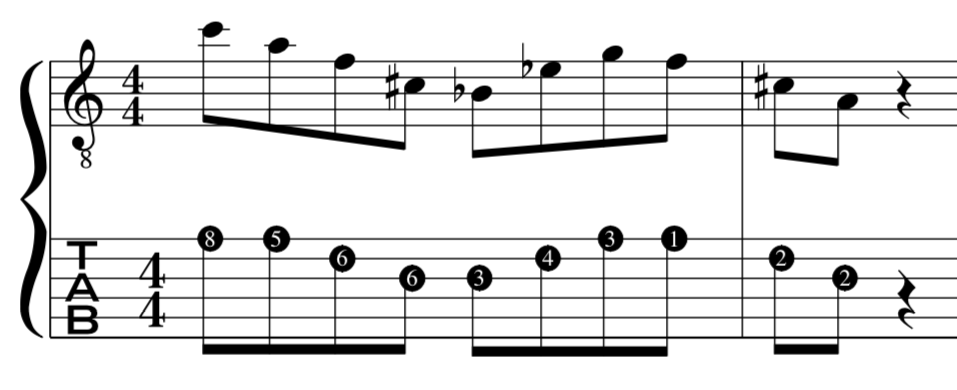
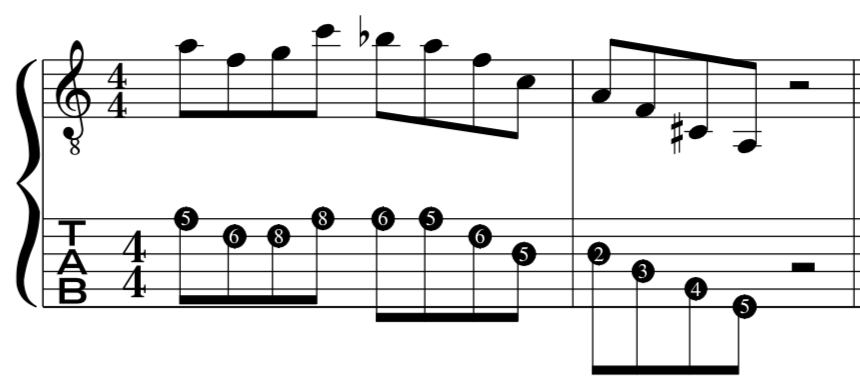
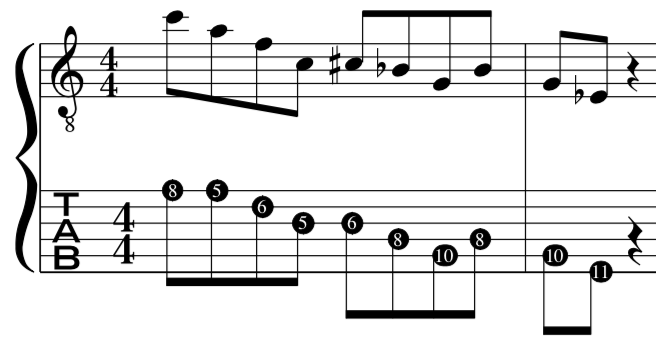
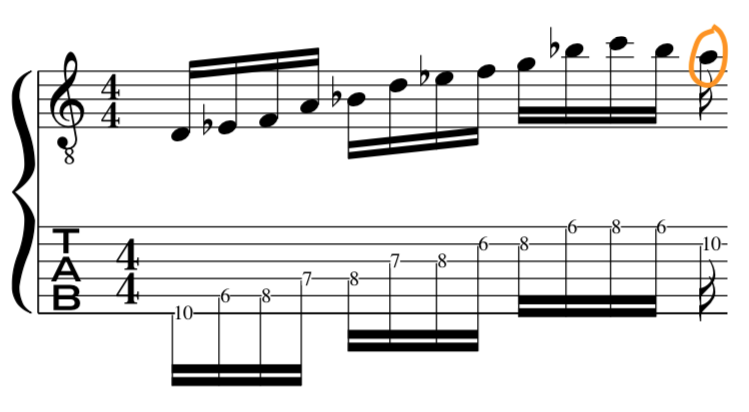
Another example =Short pentatonic scale that ends/resolves with the A natural note [Raised 6th] and played in 4 note cells [Tetrachords]
Dorian Mode pentatonics example
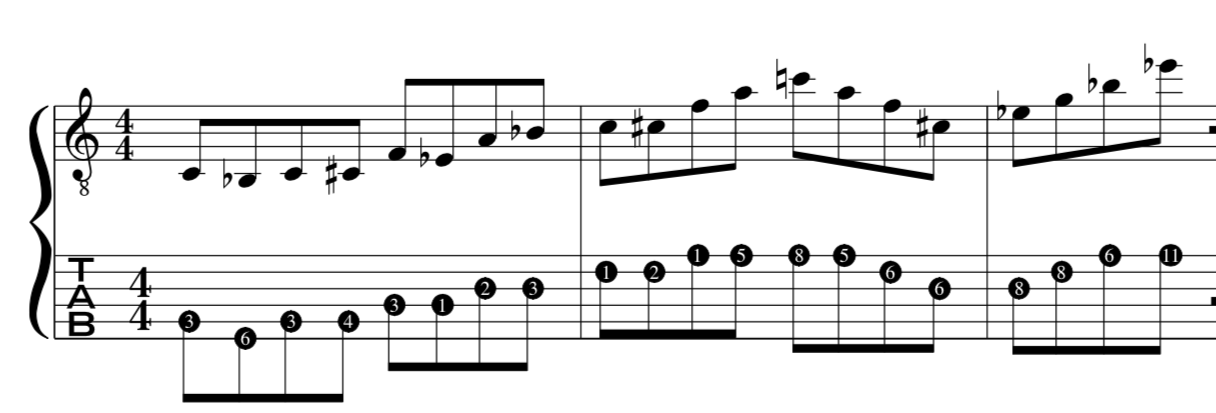
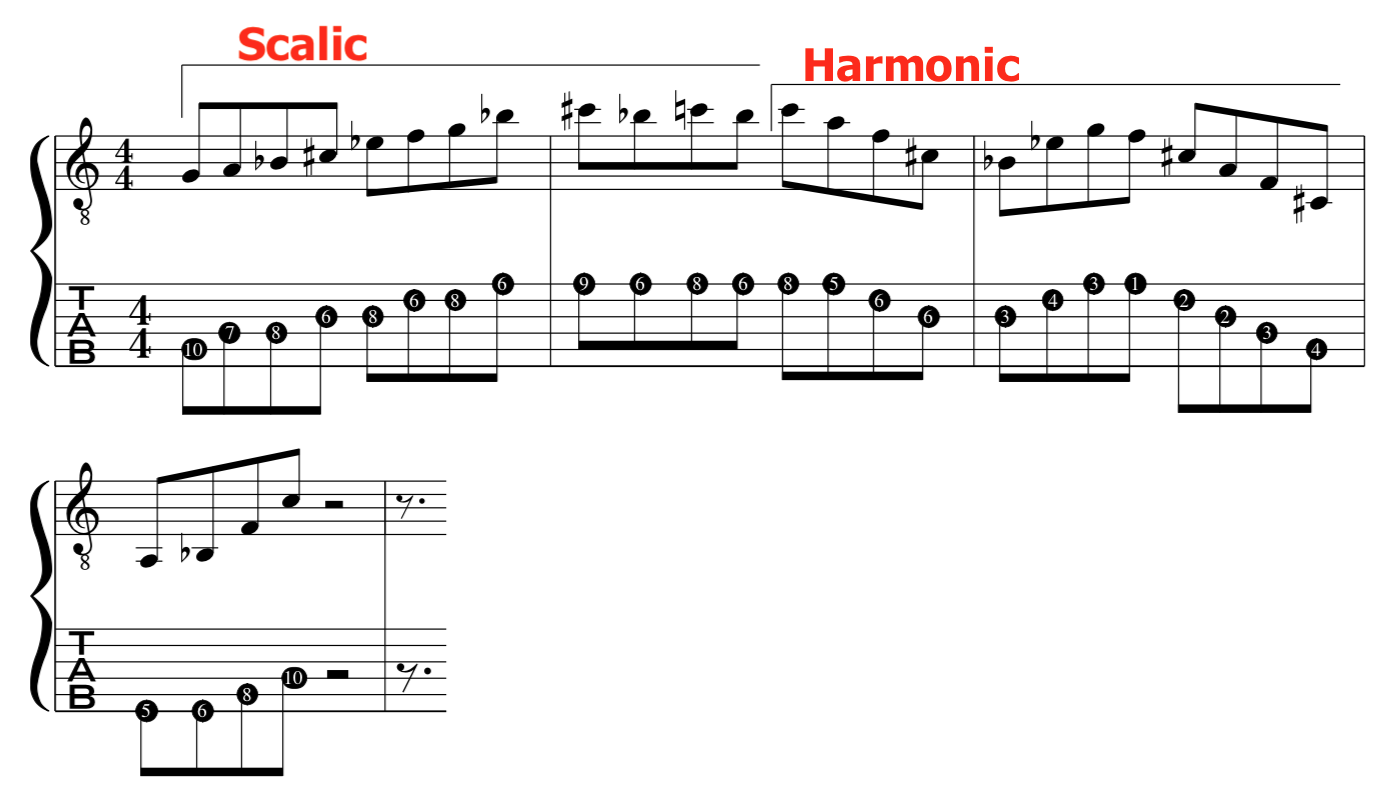
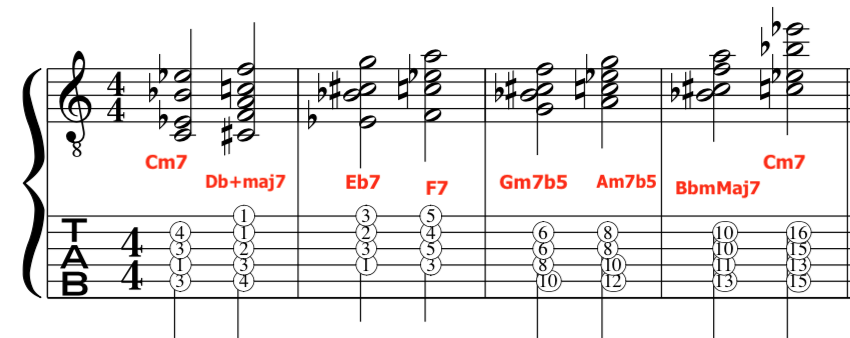
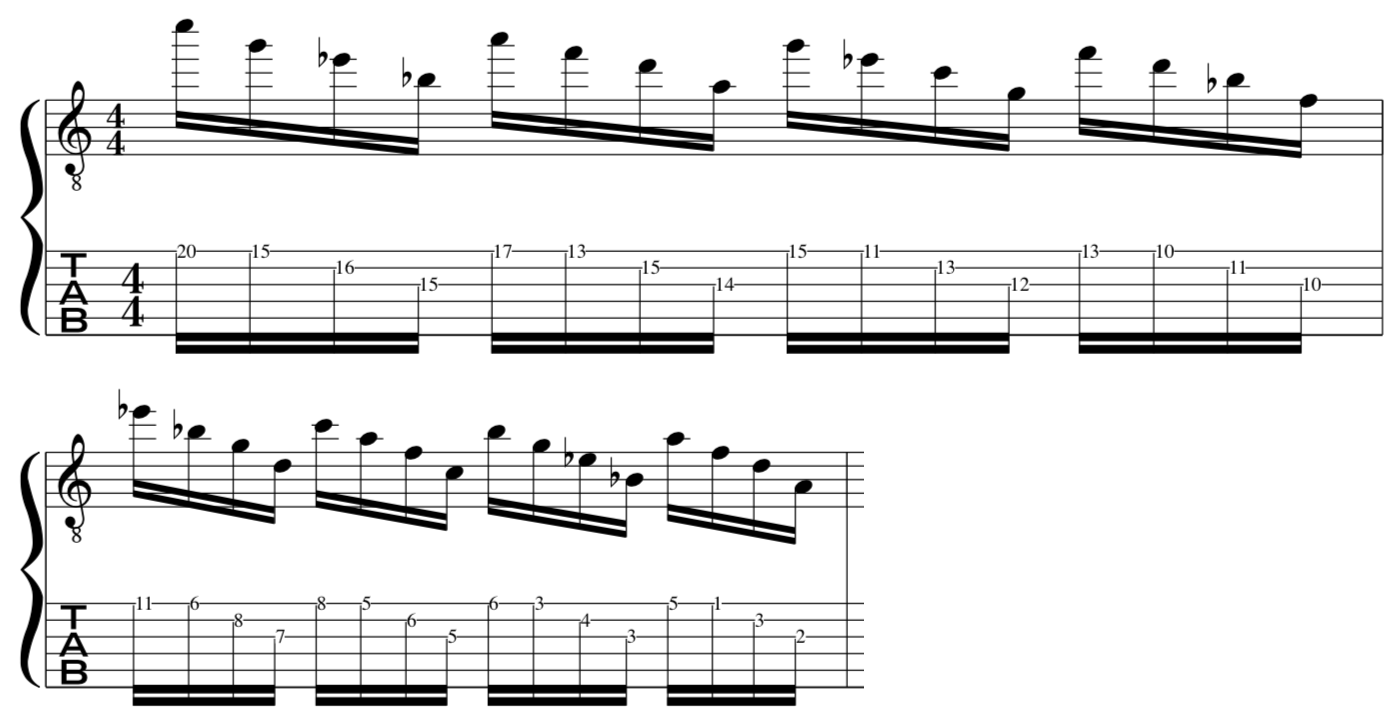
Finally it’s a good idea to look at the arpeggios available that line up one after the other.
Dorian Mode Arpeggios
Thanks for viewing this Blog. If it was of interest to you then please Subscribe to us on Youtube. Click Below!