
Hi Guys,
Today, a look at the Maj7#11 chord, a favourite of guitarist John McLaughlin.
This is really a lydian chord due to the sharpened 11th note.
EXAMPLE 1:
In our example and analysis, we will look at the harmonic implications through the tonality of G Major.
Below, we can see the 5th of G Major, the note D moves down a semitone to the note C# [the sharpened 11th]. On top of this we will place the Maj7th note in G Major. This is the note of F#.
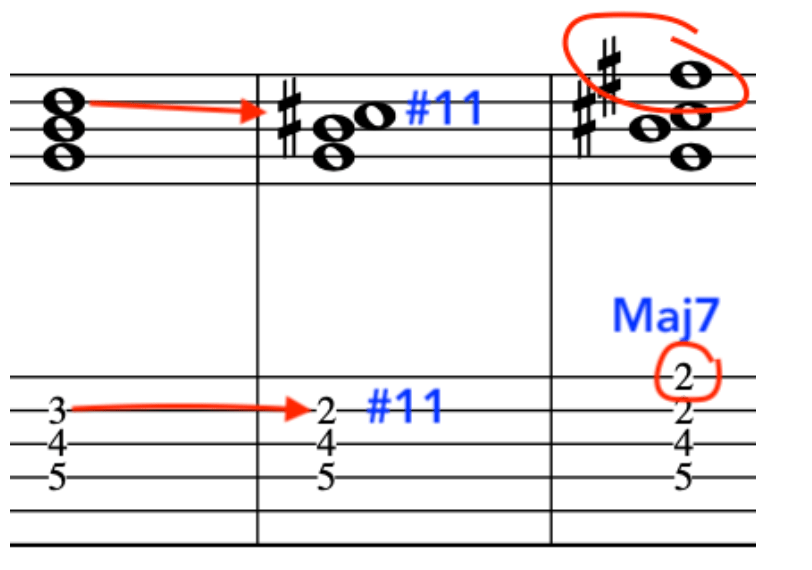
Here, is a classic guitar shape/voicing with the tonic note of G in the bass:
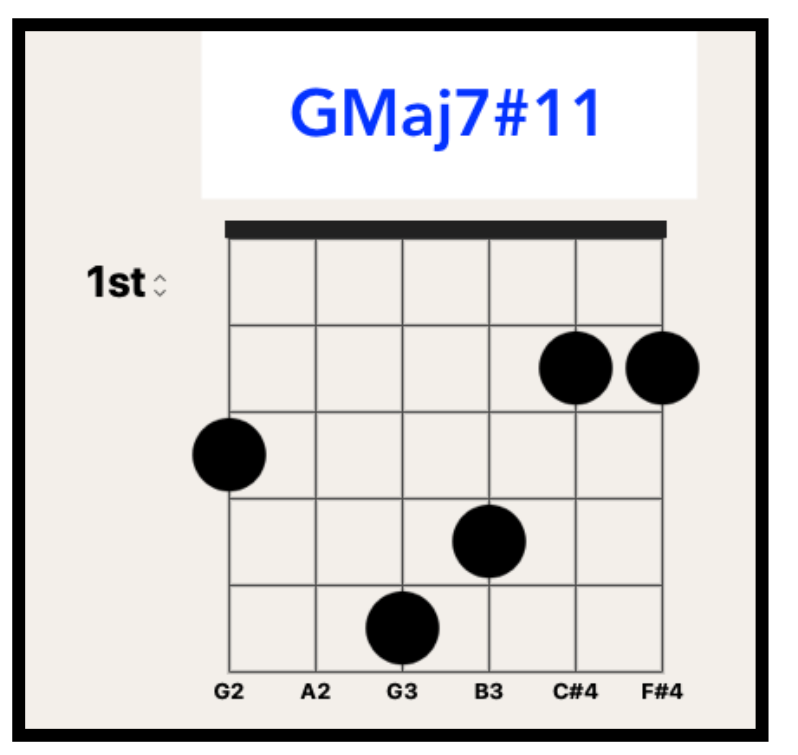
Let’s now create an arpeggio outline of the chord:
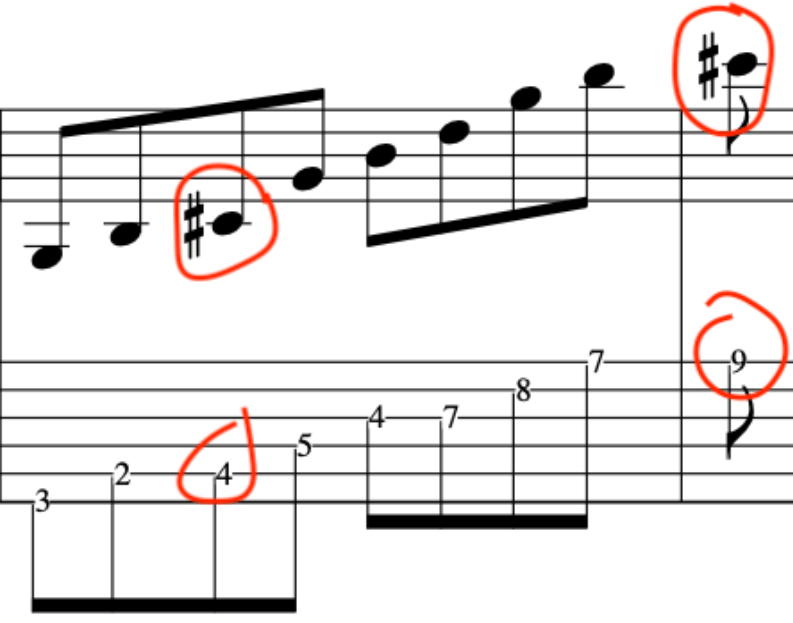
We will now ascend and descend the arpeggio outline, as this will give us control over the harmony when improvising on the solo line.
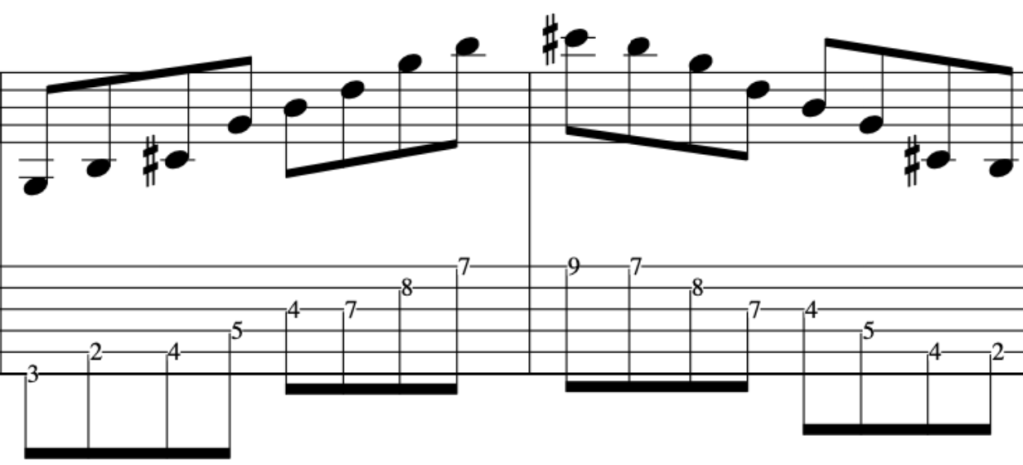
VARIOUS CHORD VOICING’S-Variations:
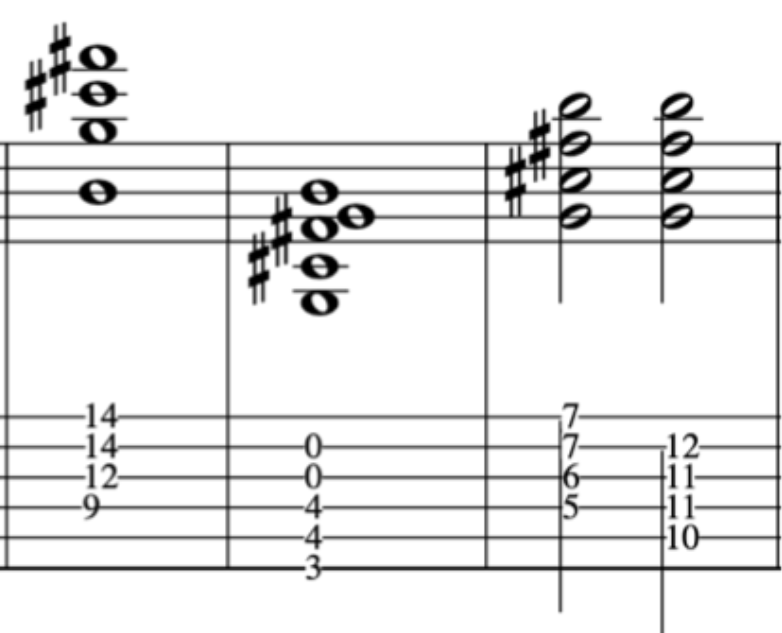
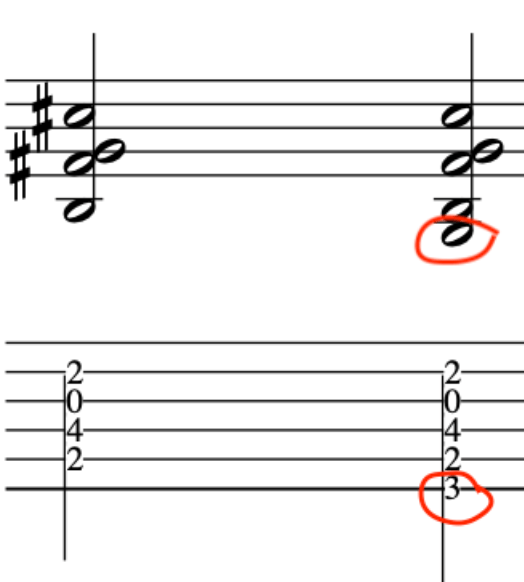
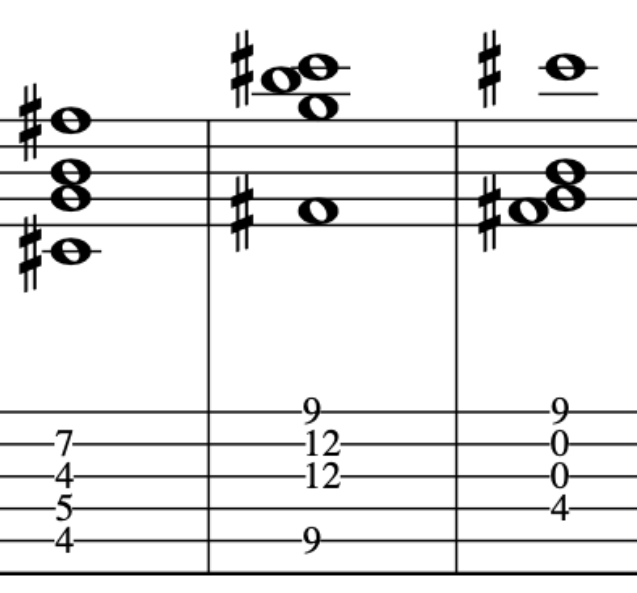
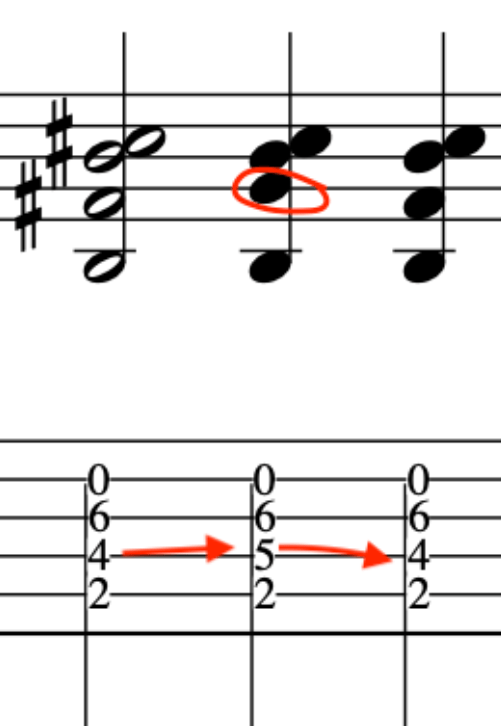
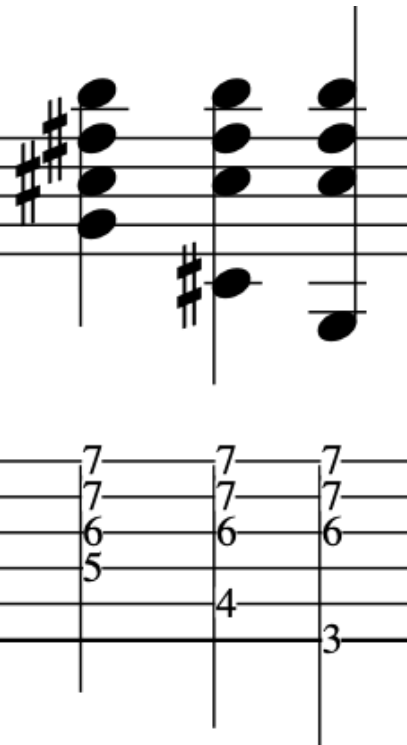
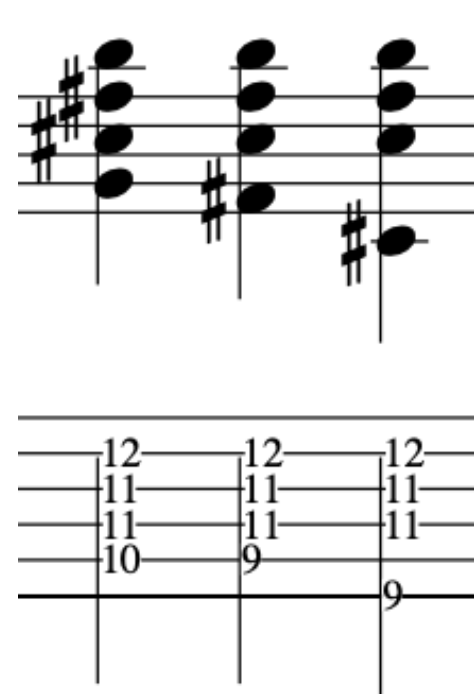
Below, are examples of various voicing’s and variations for all instruments, but, especially the guitar.
This is because certain voicing’s resonate extremely well on the guitar, whereas, others can become muddy in sound.
The voicing’s below offer quite a few possibilities,
MAKING MUSIC WITH THIS CHORD:
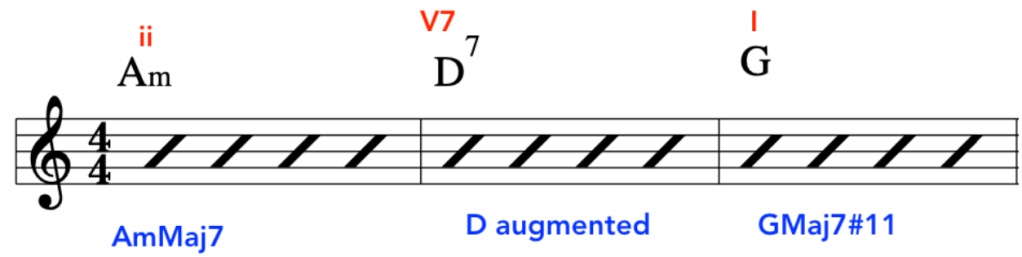
We, will now make a ii V7 I cadence with this chord, in order to see, hear and understand how to apply it to composition.
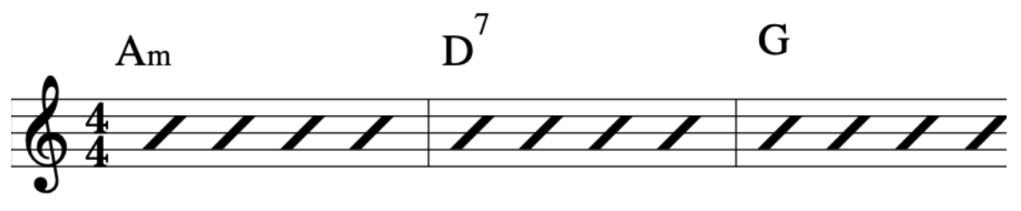
Firstly, let’s take a simple ii V I in G major.
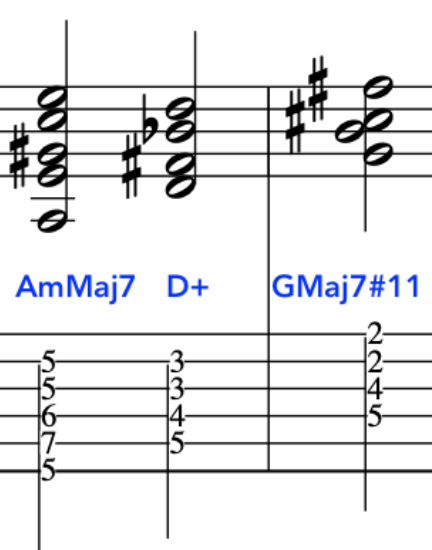
Now, we will substitute the Am for AmMaj7 and the dominant chord D7 for D Augmented. This will allow us to finally rest on the Gmaj7#11 chord. [A sort of ethereal rest]
CHORD VOICING’S FOR THE ABOVE EXAMPLE:
The improvised line:
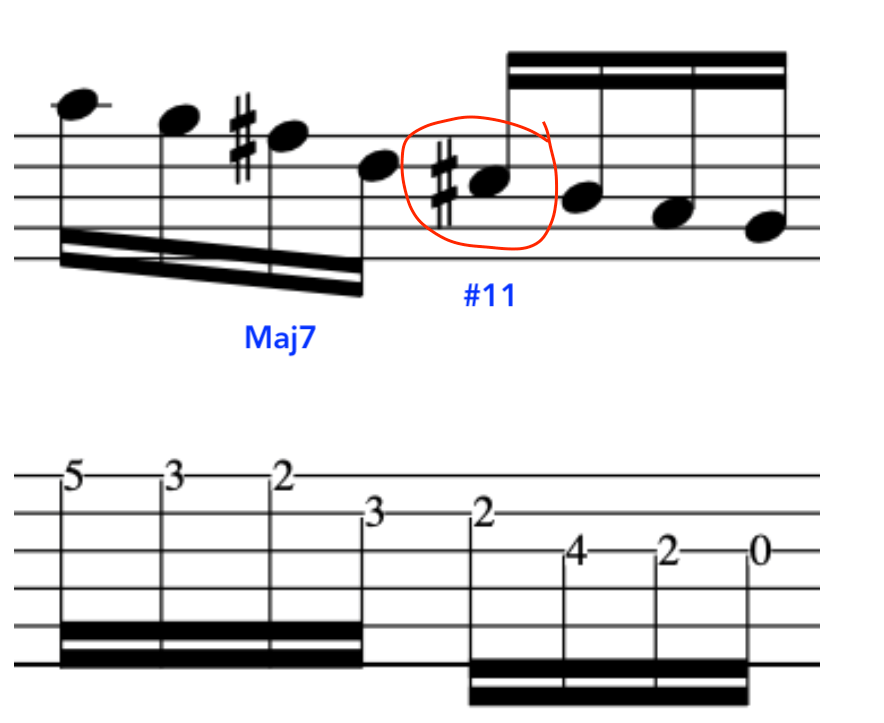
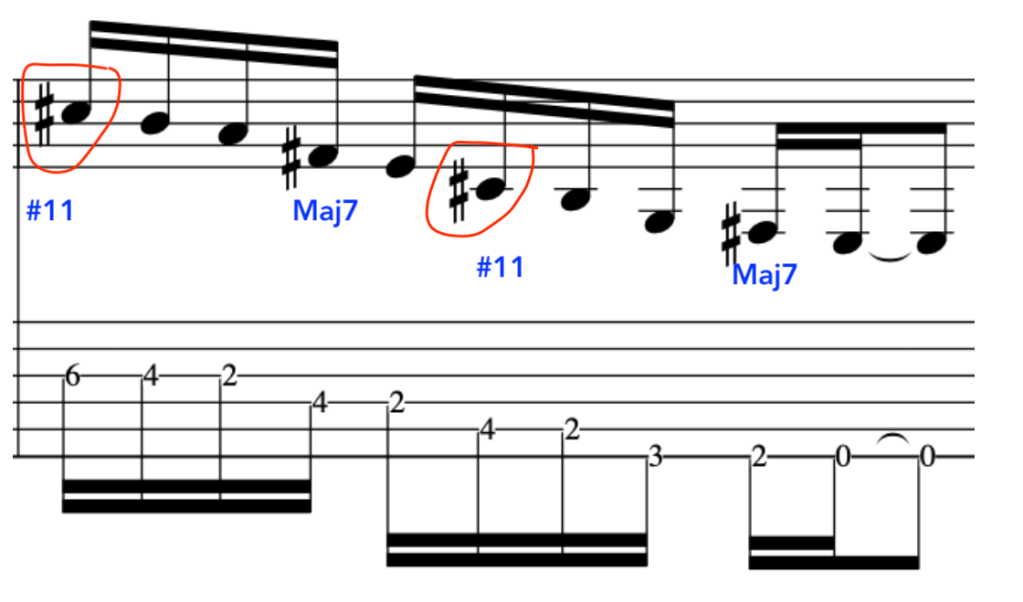
Let’s, now create a solo line from this Maj7#11 chord:
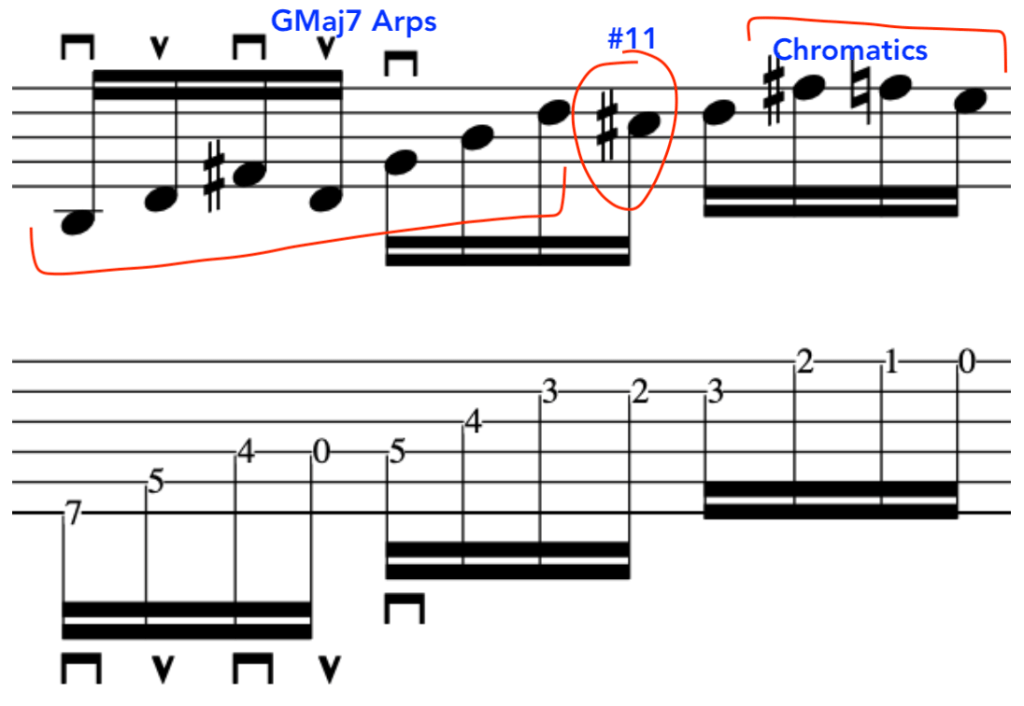
Below, we can see the use of simple arpeggio inversions.
Firstly, we have a Bm arpeggio [implying a 1st inversion GMaj7] connecting to a 2nd inversion G Major triad. This, then resolves down with simple chromatic application.
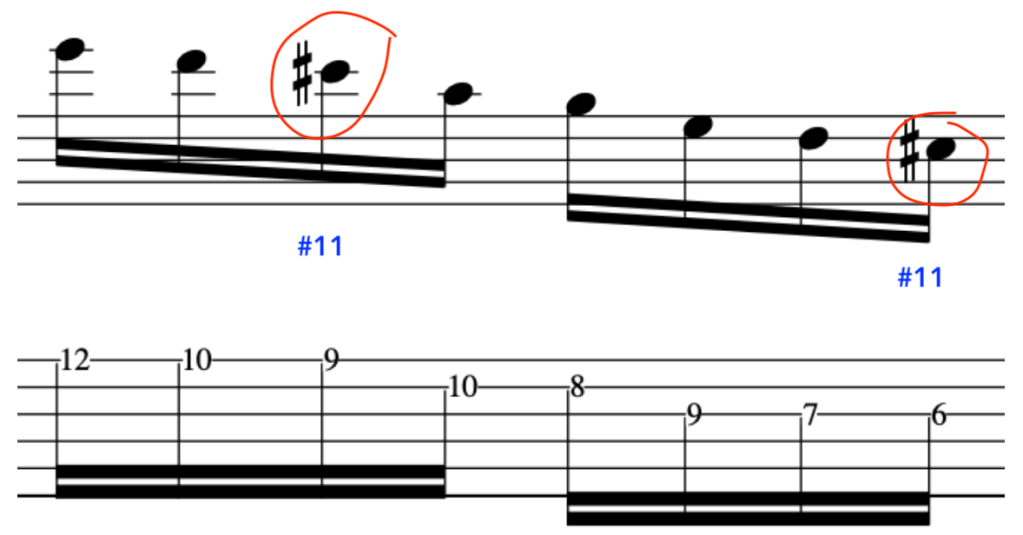
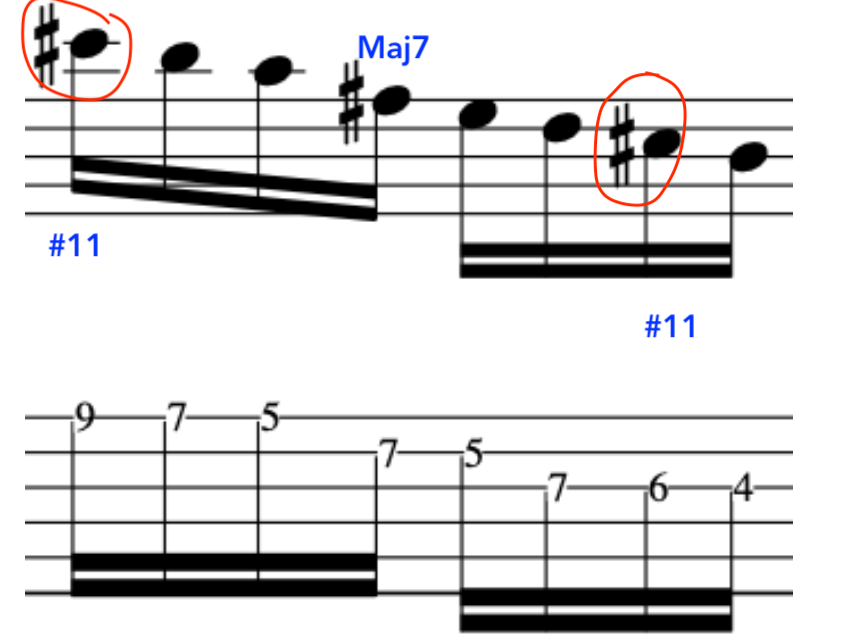
From herein, we will employ G Lydian modal/scale “Fragments” to complete the line,
FREE PDF DOWNLOAD:
If this Lesson was of use to you, then please SUBSCRIBE to us below on YOUTUBE, Thanks