Creating “Scales” from Scales Tetrachords [C melodic minor]

yt_logo_rgb_light

CLICK SUBSCRIBE!

Creating “Scales” from Scales Tetrachords [C melodic minor]

PLEASE WATCH VIDEO ABOVE FOR DETAILED ANALYSIS:

Hi Guys,

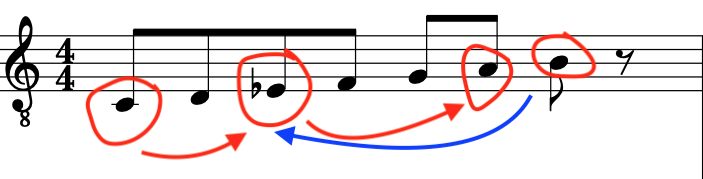
The key to making scales from scales wether they be Triadic, Tetrachord, Pentatonic or Hexatonic is to highlight the key notes that give that scale its unique flavour/sound:

Below we can see this in the C melodic minor scale.
how-to-create-scales-jazz-music

The crucial Eb note and B natural note against the C root note tells us that this is not major and that it has a specific vibe/atmosphere to it.

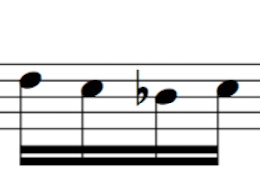
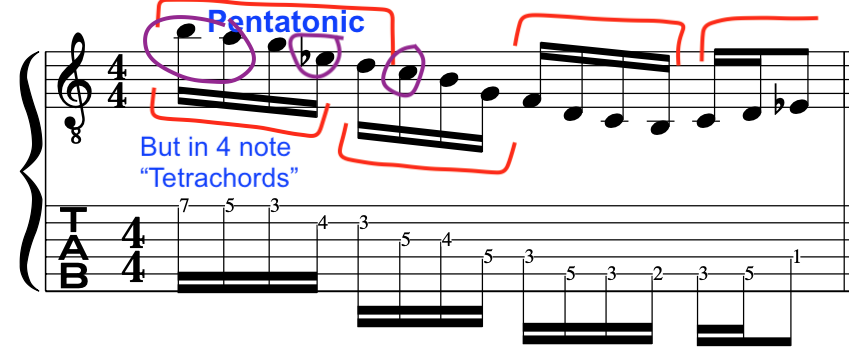
In this first example we will employ 3 notes and 2 notes for highlighting: This employs alternate picking starting on an upstroke:
how-to-create-scales-jazz-music

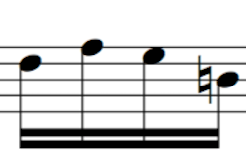
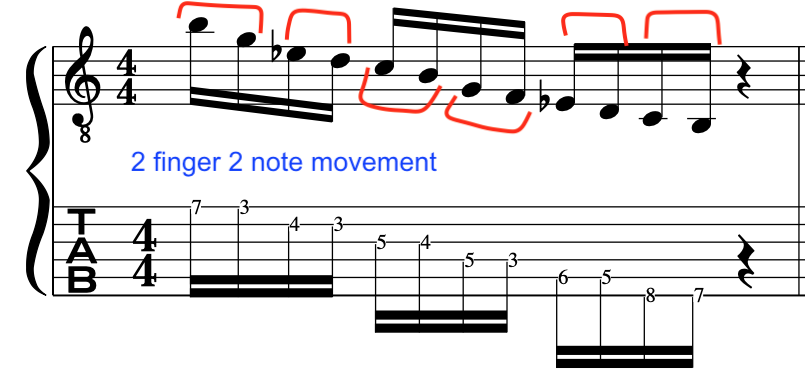
This next example starts on a “Downstroke” and is even simpler. This is a simple 2 note fingering into a 2 note scale.
how-to-create-scales-jazz-music

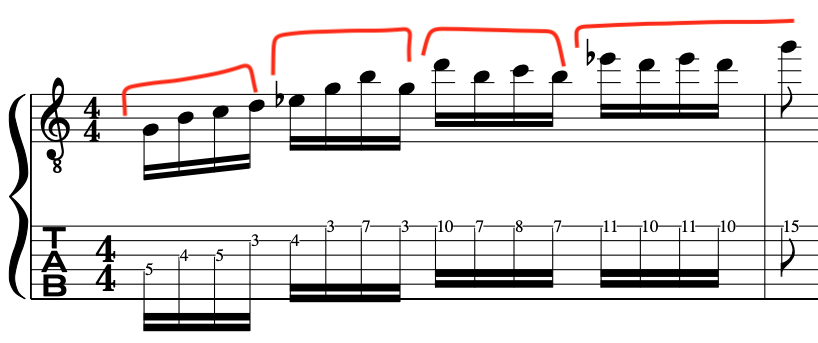
Now let’s create an ascending line:

how-to-create-scales-from-scales

HARMONIC MINOR

Next we will add an Ab and make 2 Tetrachord scales from C Harmonic minor and create a little run:
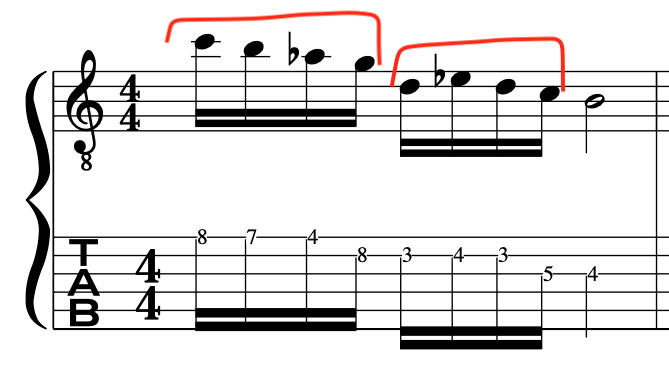
how-to-create-scales-tetrachords-example

This time we will ascend with the C Harmonic minor scale:
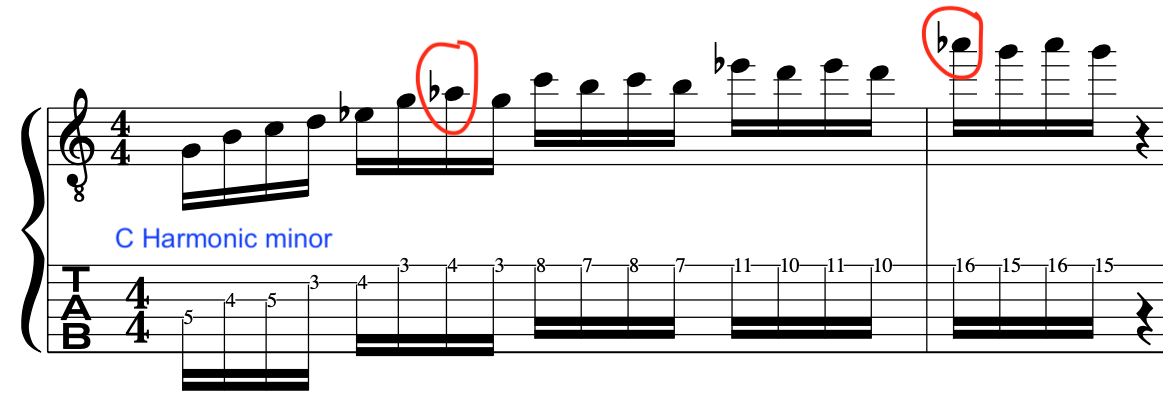
how-to-create-scales-jazz-guitar

LASTLY

It’s also a good idea to play the key chord of a scale and then pluck the key note or notes that give that scale it’s unique flavour.

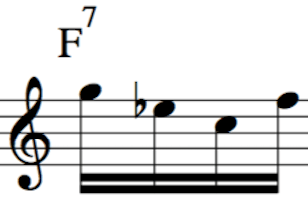
For example below is an F Maj7#11 chord that when you pluck the B natural it really stands out as Lydian:
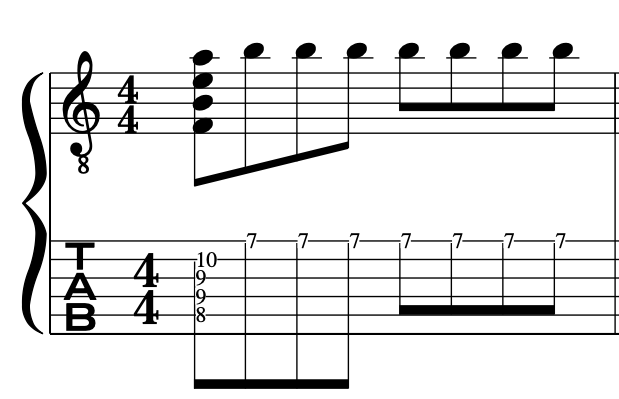
how-to-create-scales-jazz-guitar

IF THIS LESSON WAS OF USE TO YOU THEN PLEASE SUBSCRIBE TO US BELOW ON YOUTUBE, THANKS!
Breaking Down Jazz Improvisation “OUTSIDE” Playing

Breaking down Michael Brecker!

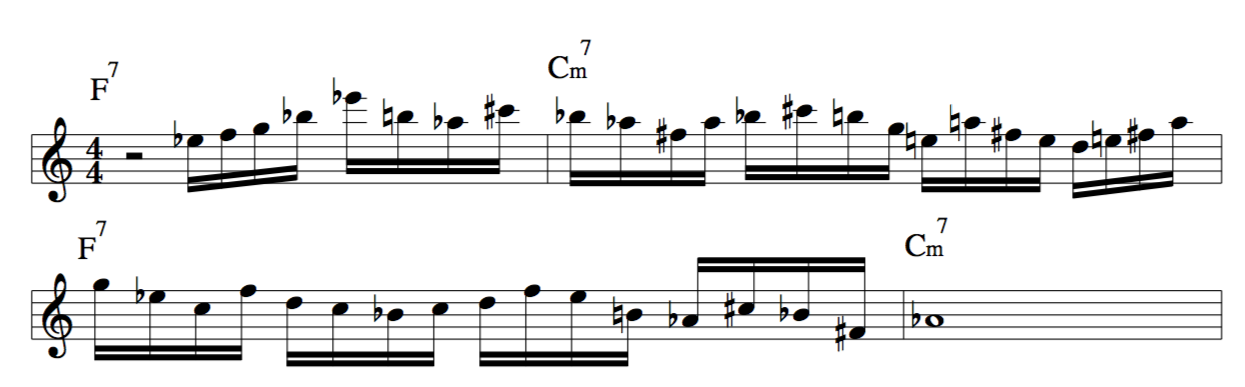
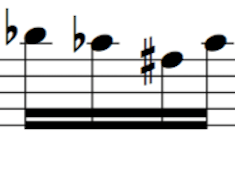
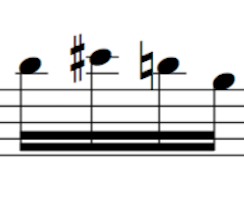
When looking at musical notation it can seem like random notes. But if we break down each group into 4 note groupings called “Tetrachords” or “CELLS” we can break down the music theory and play each group on our instrument.

We can then remember the “Sound and Shape” of each cell and then join them together. In turn we can then apply these cells to our own instrumental playing/improvisations.

FULL SOLO LINE/PHRASE

RE DO

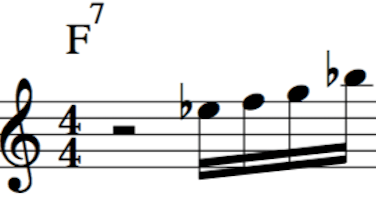
1st Grouping of 4 notes [Tetrachord]=E flat Pentatonic shape/sound [F Mixolydian]

jazz improvisation michael brecker outside solo

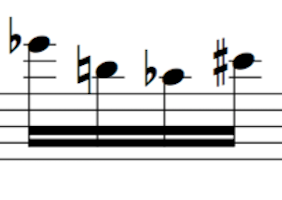
2nd Tetrachord=A flat Minor triad and 4th interval [or #11  #9 and #5]

jazz improvisation michael brecker outside solo

3rd Tetrachord=Minor scale fragment with #11

jazz improvisation michael brecker outside solo

4th Tetrachord=Changing cell. [From flat 9 to C Jazz melodic minor]

jazz improvisation michael brecker outside solo

5th Tetrachord= C lYDIAN [mAJOR CELL]

jazz improvisation michael brecker outside solo

6th Tetrachord =C LYDIAN/D MAJOR Pentatonic shape

jazz improvisation michael brecker outside solo

7th Tetrachord=C minor arpeggio and finishes with a 4th interval landing on the F TONIC NOTE.

jazz improvisation michael brecker outside solo

8th Tetrachord= F SCALE FRAGMENT

jazz improvisation michael brecker outside solo

9th Tetrachord= F LYDIAN FLAT 7 CELL

jazz improvisation michael brecker outside solo

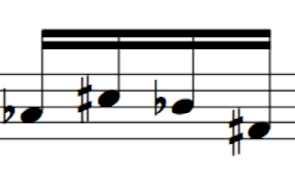
10th Tetrachord = F SHARP 9 =VERY OUTSIDE SOUNDING

jazz improvisation michael brecker outside solo

Lastly= Flat 6 for C minor

jazz improvisation michael brecker outside solo

CONCLUSION:

In terms of fingering and musical application on our instruments learning shapes and “Connections” and breaking phrases down into 4 note cells [Tetrachords] is really useful because complex lines can be understood and learnt quickly.

In turn this gives us lots of patterns for improvisation and theoretical knowledge to improvise with as opposed to just playing scales and arpeggios.

If you found this easy then try and break this little solo down into” Hexatonic” scale application. You might find it really interesting!

Thanks for reading this post and Please subscribe to our youtube channel!

yt_logo_rgb_light CLICK SUBSCRIBE!