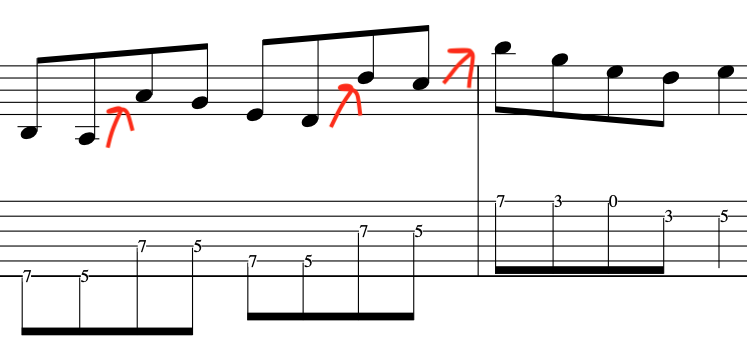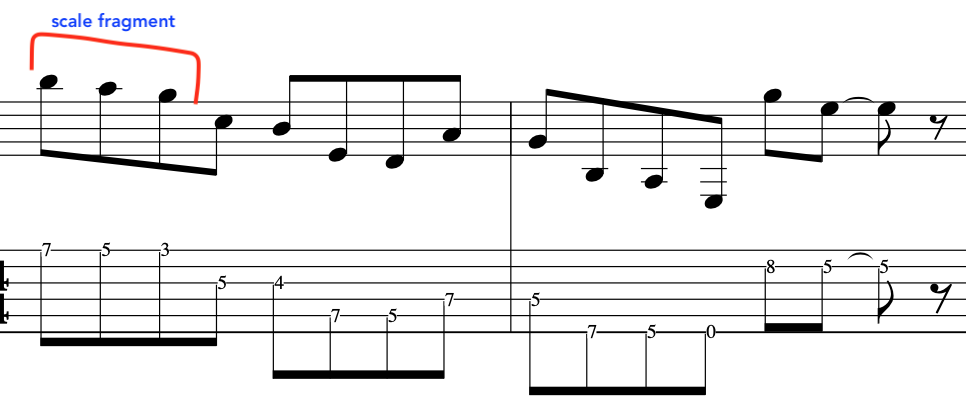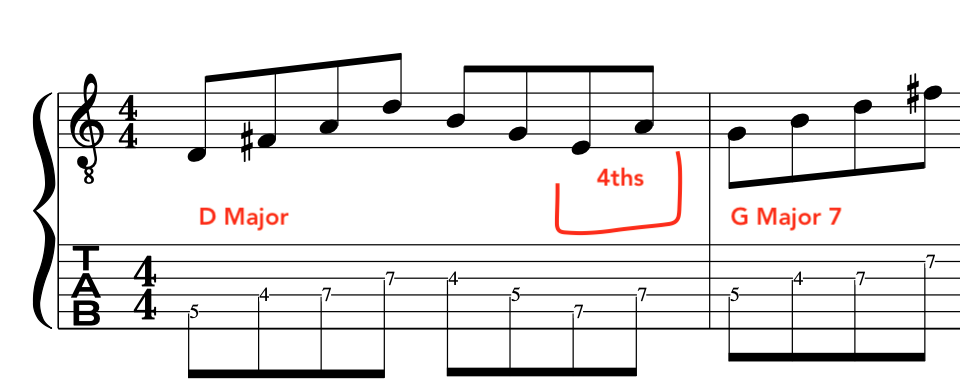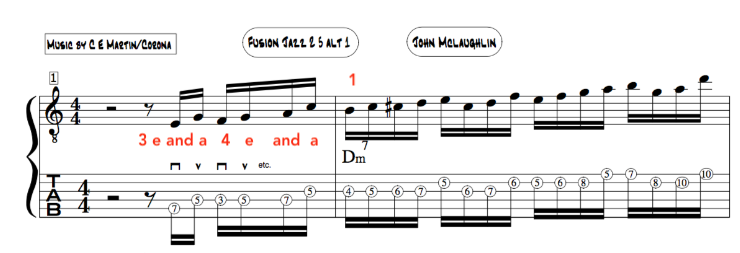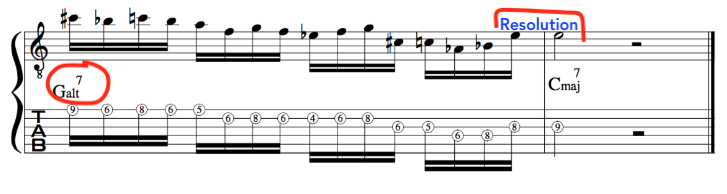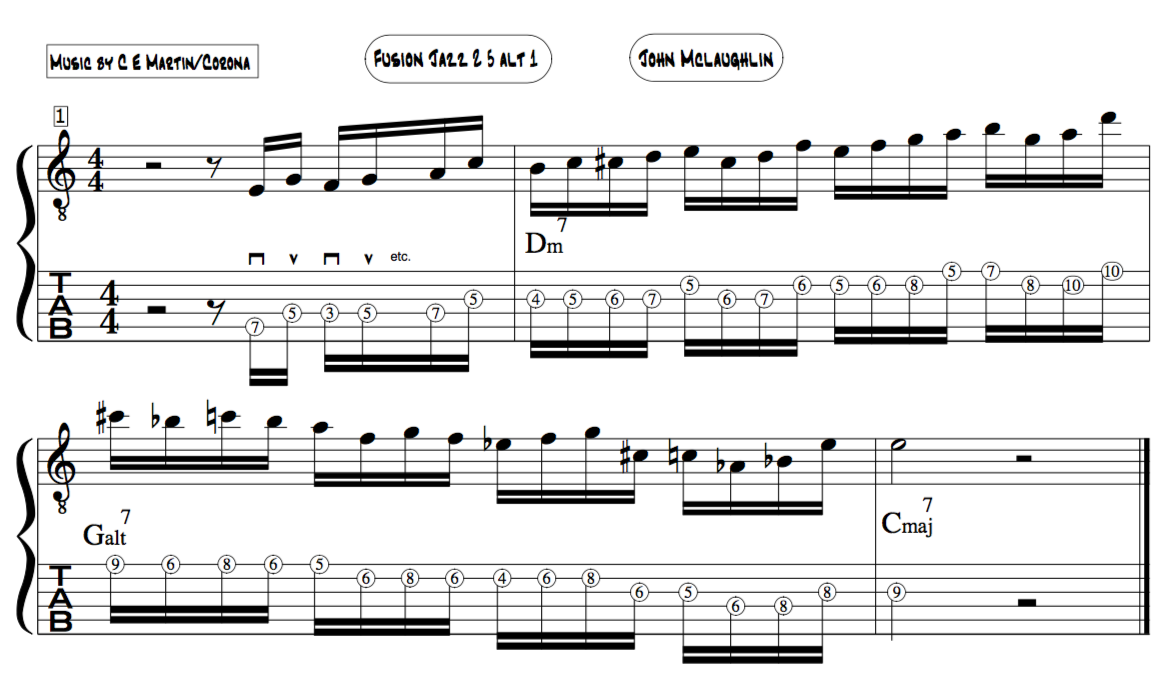
IMPORTANT: Please watch video above for detailed info:
Hi Guys,
Today, a quick look at alternate picking plectrum/pick grip.
It’s not so important how you hold the pick or what finger you use. But, it is essential not to have a wobbly thumb and/or finger .
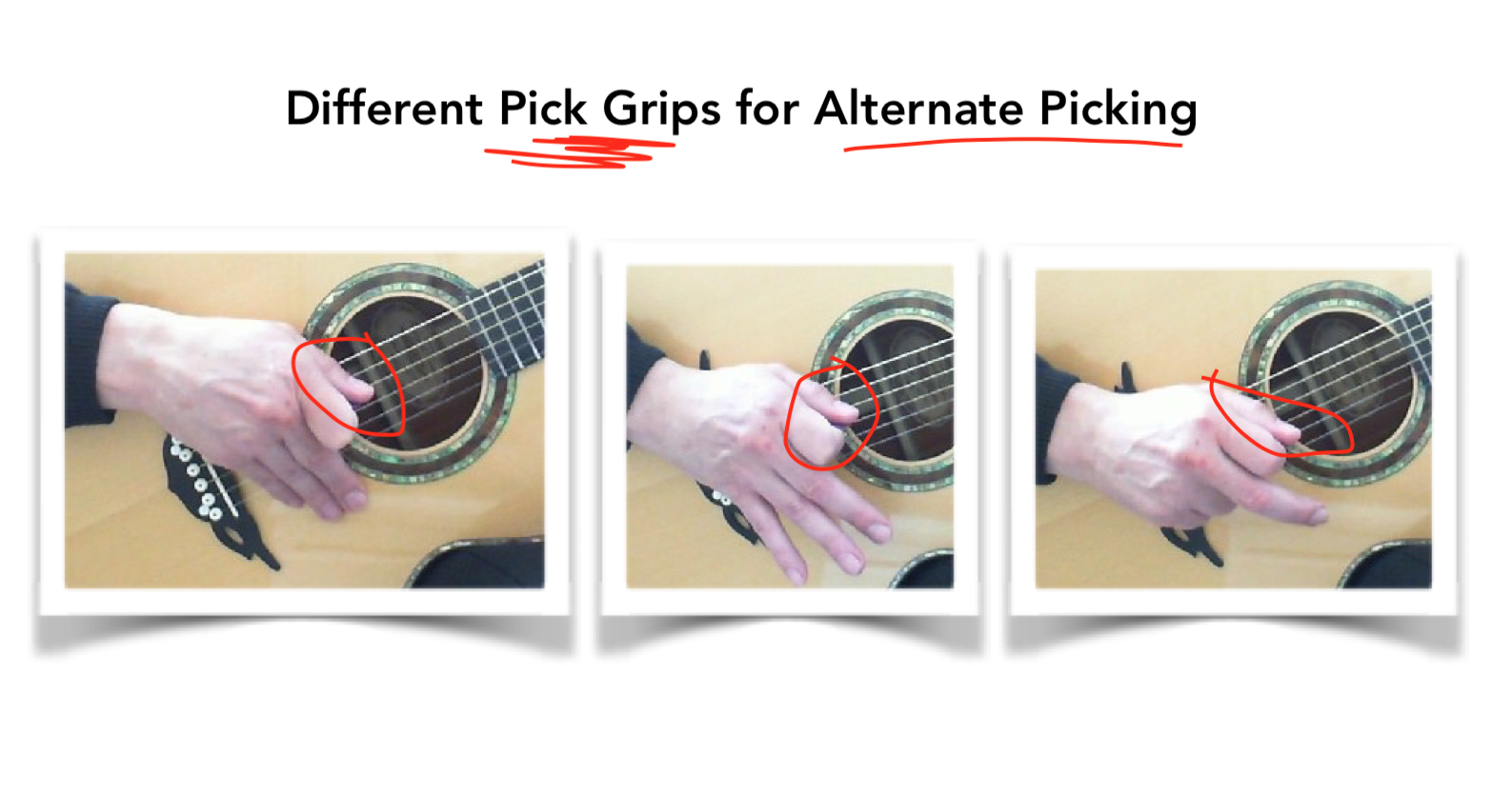
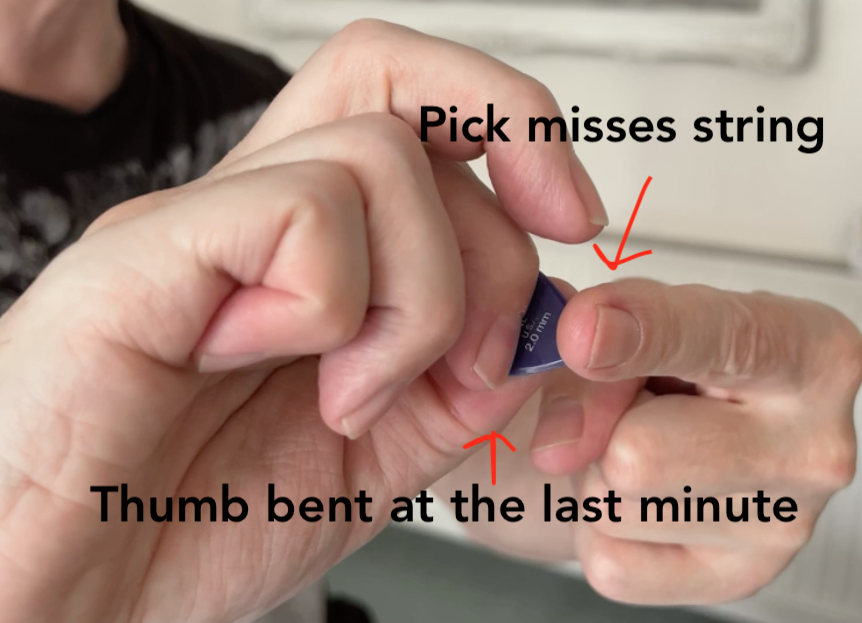
A lot of guitar players when they start out with alternate picking often change the grip just as they are about the pluck the string! This makes it impossible to gauge distance.
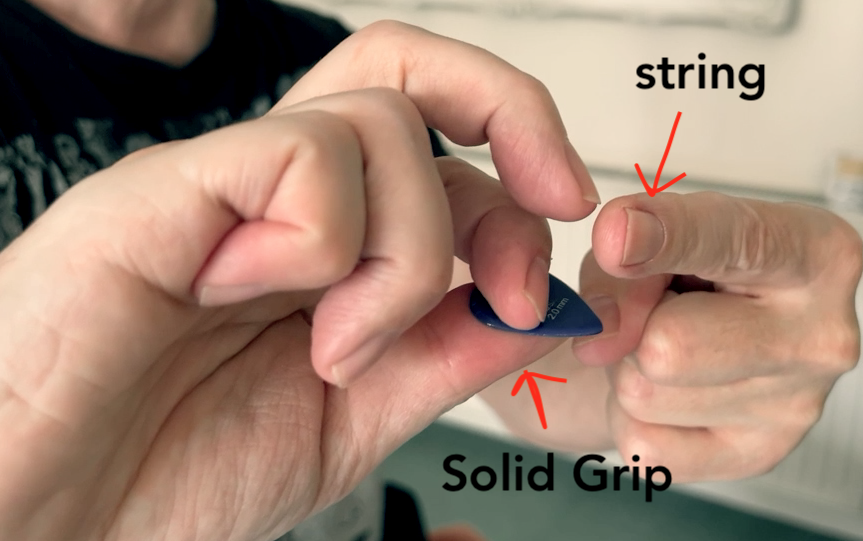
When the thumb is rigid and the grip is solid, distance, articulation and timing fall into place automatically.
Pic 1: Good solid grip
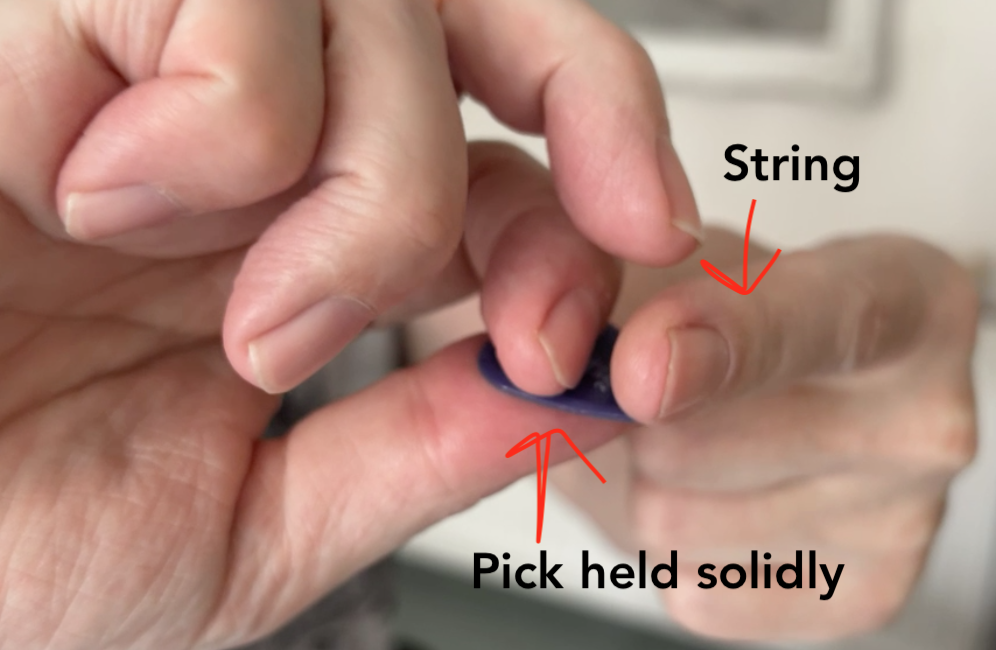
Pic 2: Pick confidently plucks string
Below [Pic 3]: BAD! At the last moment the pick is turned as it is about to pluck the string and the thumb and finger wobble/collapse:
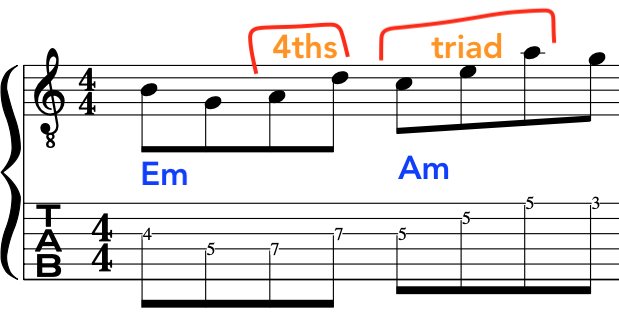
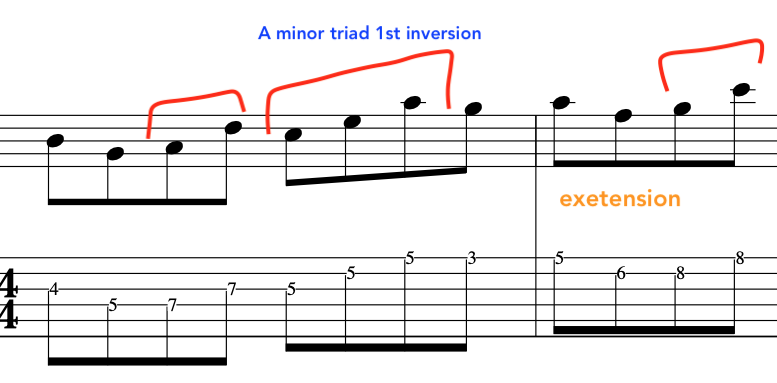
2 BASIC EXERCISES:
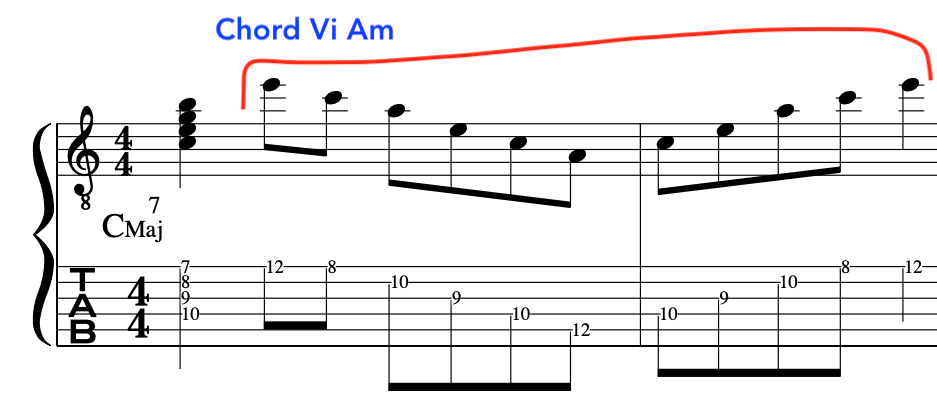
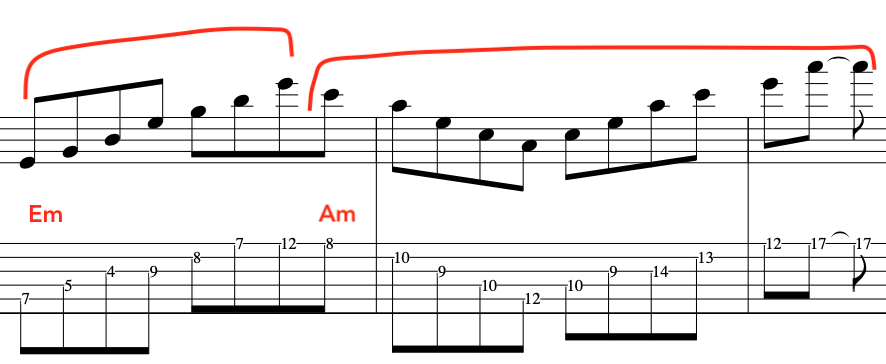
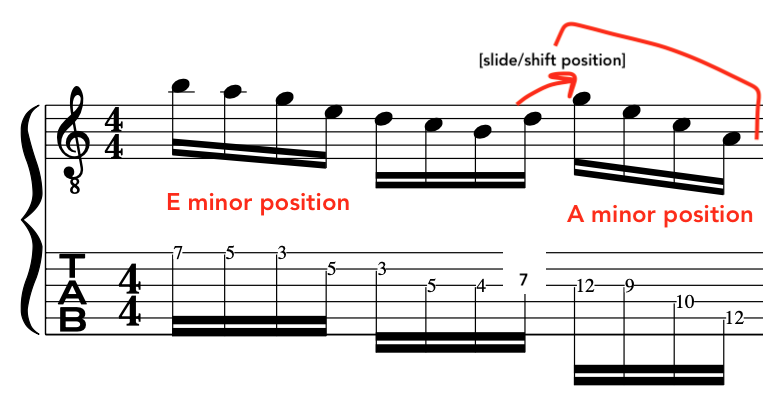
Here are a couple of exercises for practicing whilst getting the feel of gripping the pick firmly.
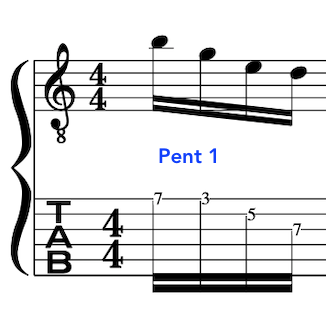
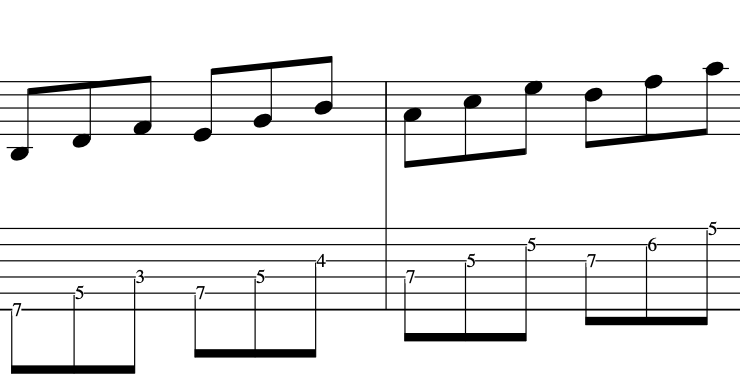
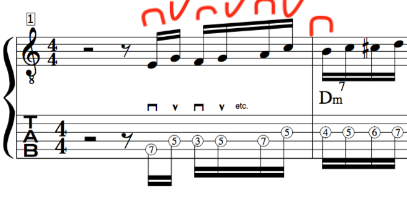
The first is a simple A minor Pentatonic scale in sextuplets. Counting basic 1 2 3 4 5 6
This starts on a down stroke:
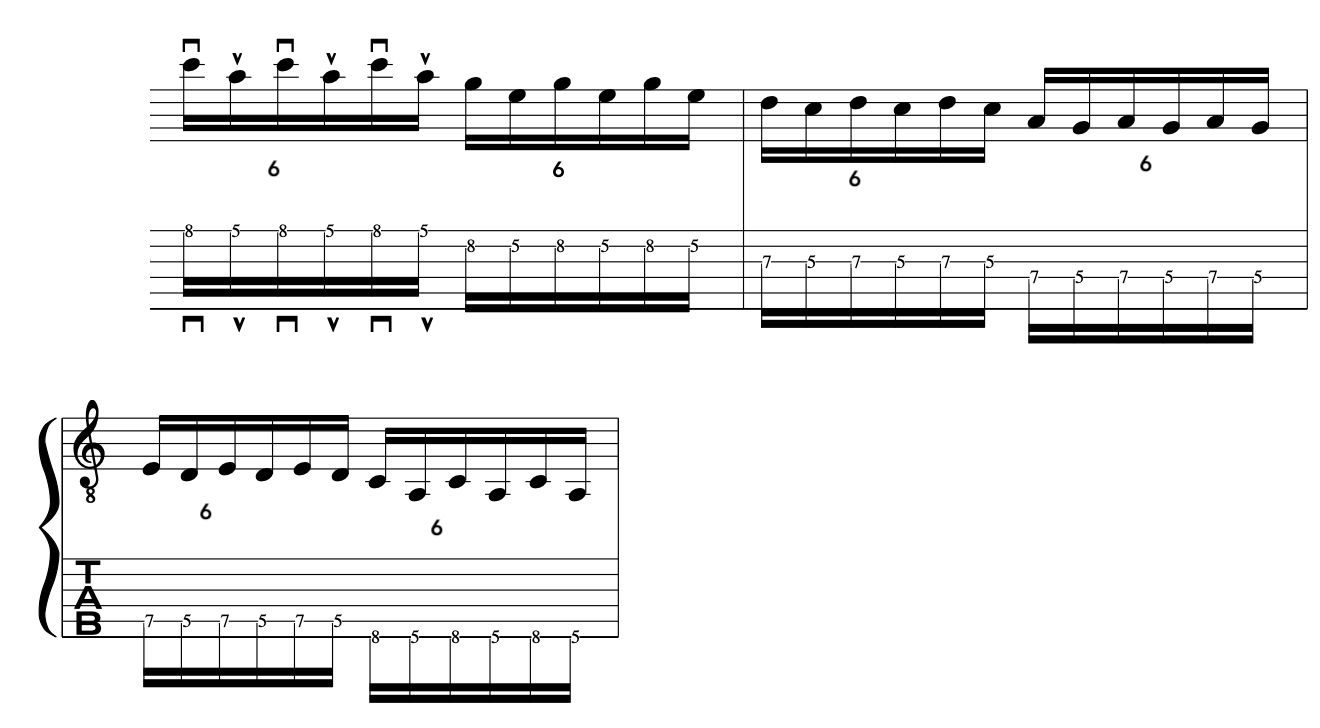
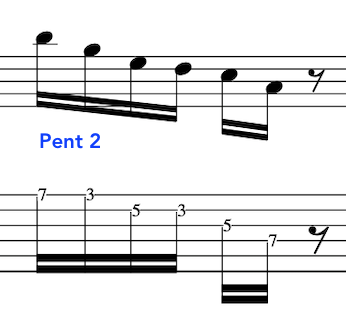
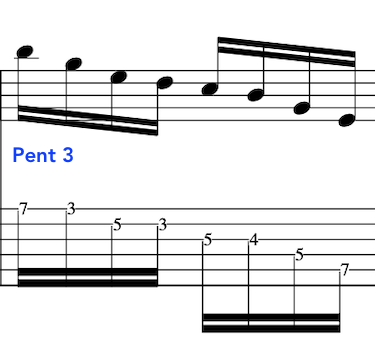
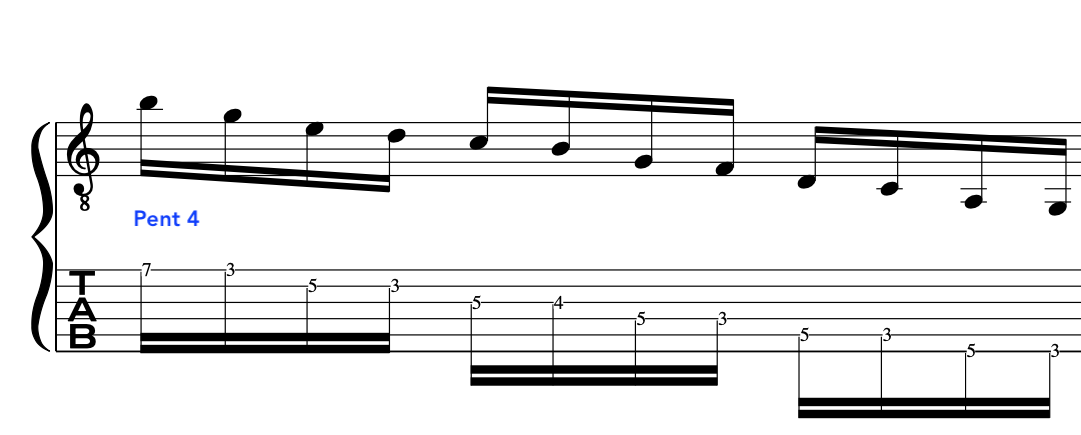
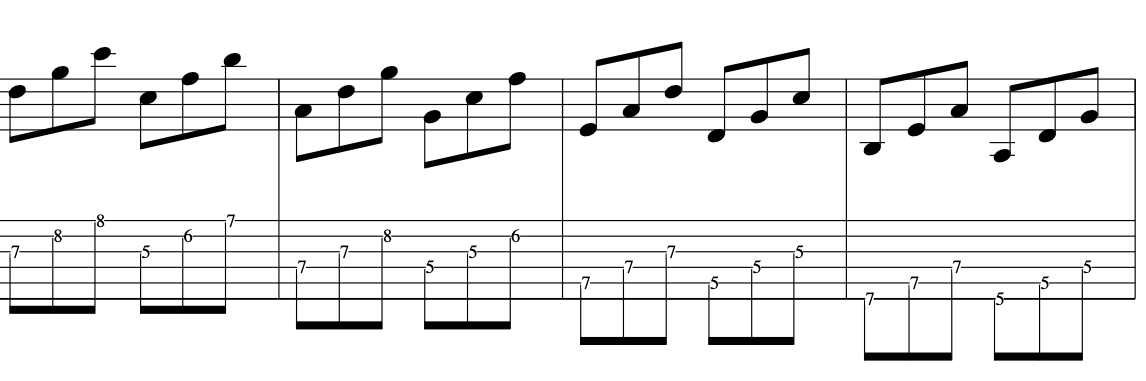
Next we have the same thing but in groups of four 16th notes.
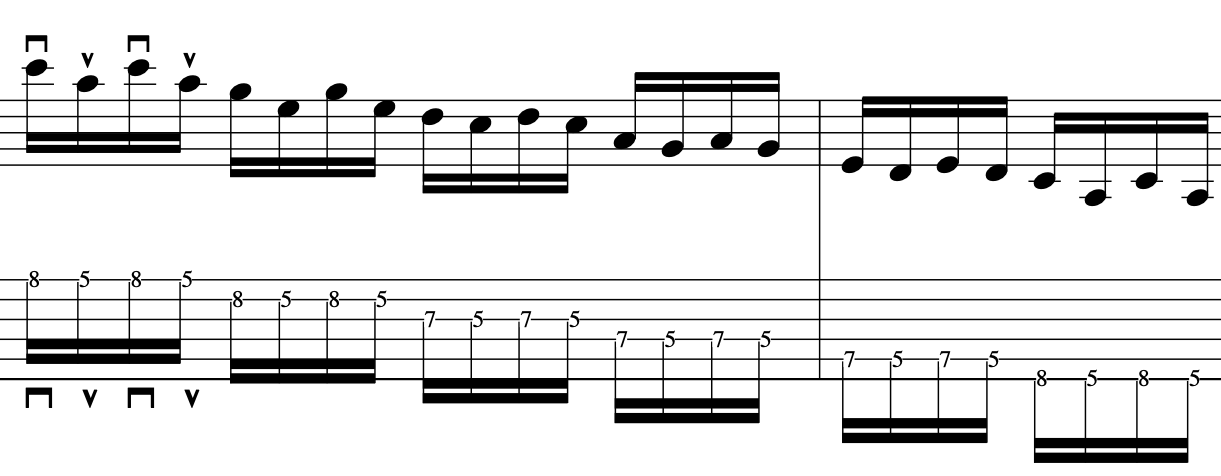
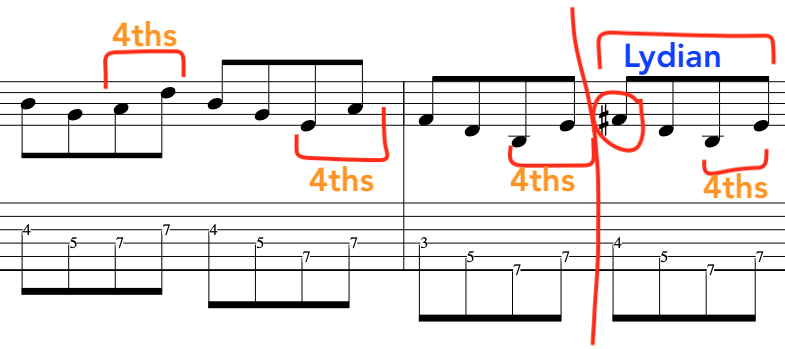
It’s a good idea to play around with these two exercises by mixing the groups of 4 and 6 together and create little phrases out of them.
PDF DOWNLOAD:
THANKS FOR VIEWING!…IF THIS LESSON WAS OF USE TO YOU THEN PLEASE SUBSCRIBE TO US BELOW ON YOUTUBE, THANKS!