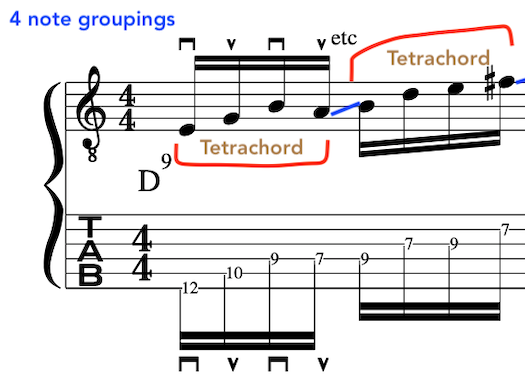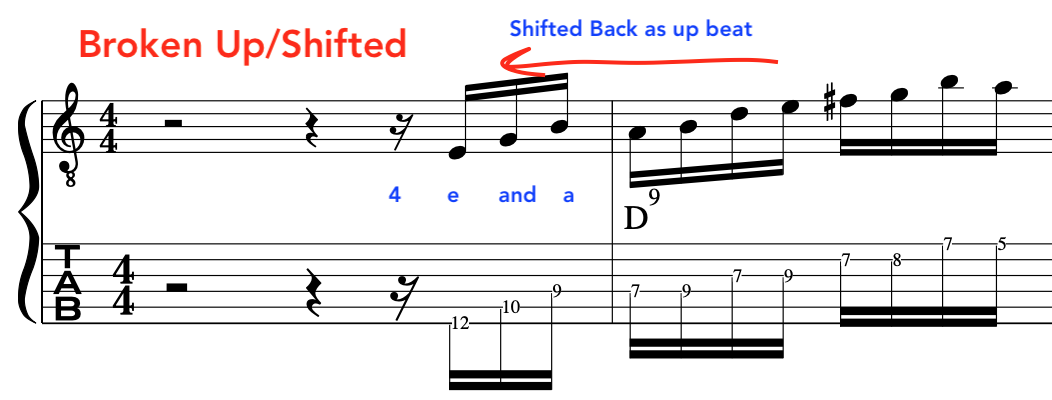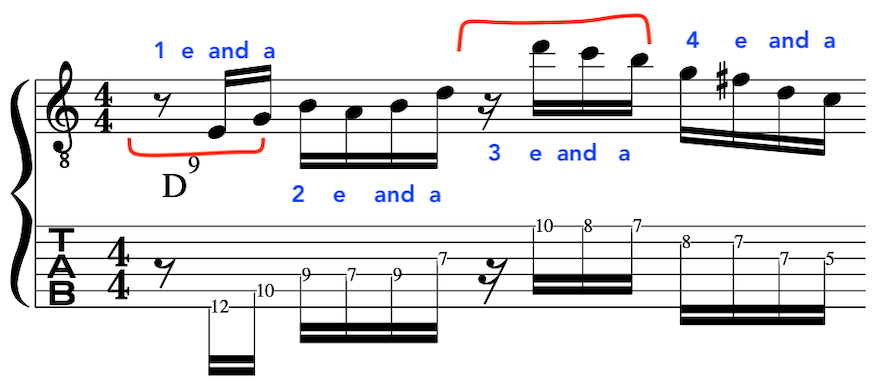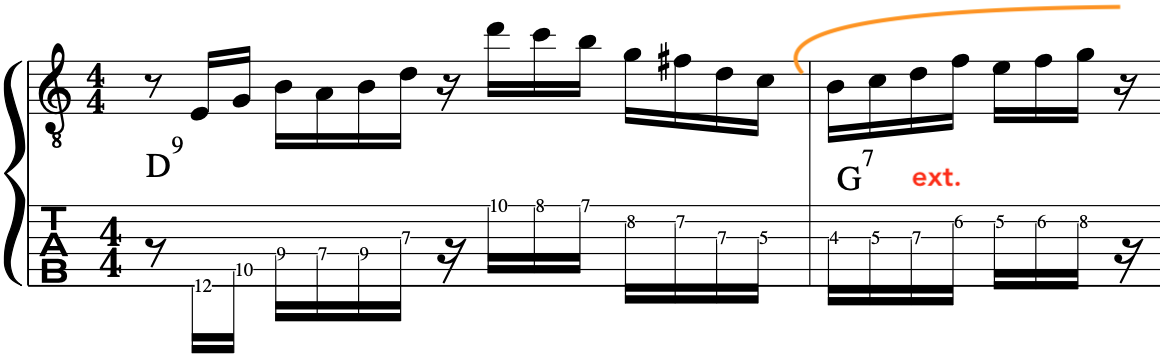
Mirror Harmony [Negative Harmony] Music Theory Lesson

CLICK SUBSCRIBE!

Negative Harmony Mirror Harmony Lesson: How and Why it works

Here we will take a brief look at the major scale modes and their “Mirror” effect via inversion. When we employ contrary motion we get the same intervals descending as we do ascending. So for example if the Lydian scale ascends  T T T S the scale below descends exactly the same with TTTS.

Mirror-harmony-modes-Inversion

Other way around:

Mirror-harmony-reversed-modes-Inversion

The Dorian mode being “Palindromic” produces the same scale either way.

Palindromic-dorian-mode-mirror-harmony

Scale extension: 13 note scale

allan-holdsworth-13-note-music-scale

AUDIO of SCALE extension:

Polytonality and Polymodality Mirror Harmony with Scale:

Each mode of the major scale has it’s mirror [modal] opposite because the whole diatonic scale system can be symmetrically inverted.

Inverted Symmetrical Reflection. The intervals are the same both in harmonisation and contrary motion.

mirror-harmony-polytonality-music-scales

OR:

mirror-harmony-modal-music

modessss

Major scale mirrors

polytonality-major-scales-lesson

Polymodality modal mirrors

polymodality-modal-music-scale lesson

Hungarian Minor Polytonal mirrors

hunmgarian-minor-scale-poly-tonal

Polytonality exotic scales

enigmatic-scales-Superlocrian-scale- lesson
Polytonal Exotic Scales

Polymodality Modes in contrary motion

polymodal-scale-example
Polymodal “Contrary Motion” example

NEGATIVE HARMONY

negative-Harmony-major-phrygian
Negative Harmony or “INVERSION”

Here we see the opposites in the chords with Minor Reflecting Major and Major reflecting Minor. Diminished stays the same though.

negative-Harmony-chords-music
 

UP-STROKE Alternate Picking Concepts

CLICK SUBSCRIBE!

UP-STROKE Alternate Picking Guitar Concepts

Hi Guys,

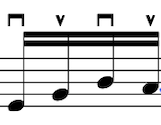
Today, a quick look at starting alternate picking runs on an upstroke.

upstroke, alternate, picking, guitar, technique, example

Starting on an upstroke can be useful when playing stepwise scalic patterns/runs. This can be modal, pentatonic or major/minor.

Here, is the first little exercise/idea: [Note that this starts on an upstroke and finishes on a downstroke]

upstroke, alternate, picking, guitar, technique, example

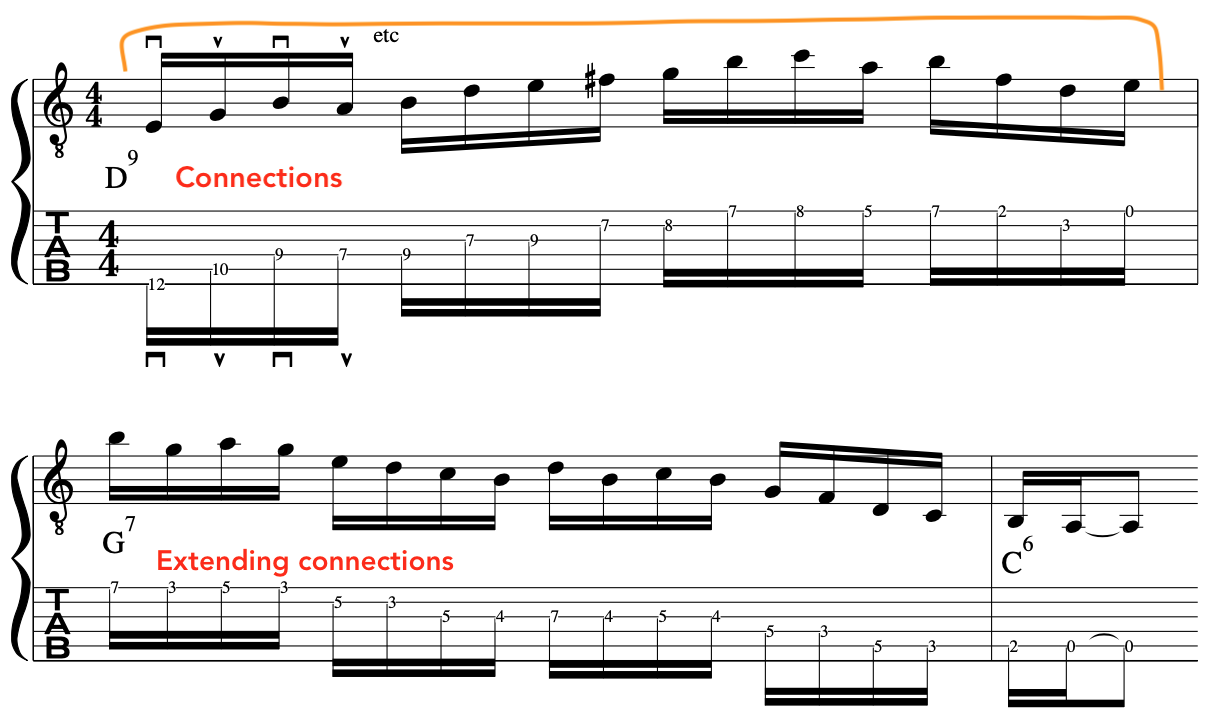
We, will now extend this and complete the bar.

upstroke, alternate, picking, guitar, technique, example

As you can see when starting on an upstroke it is easy to connect together fragments of scale and create extended fluid lines.

Here is another example of extending and varying by employing simple scalic movement starting on the up stroke.

upstroke, alternate, picking, guitar, technique, example

Connecting scale fragments is a bit like taking the first half of the bar and imitating it into 2 phrases.

upstroke, alternate, picking, guitar, technique, example

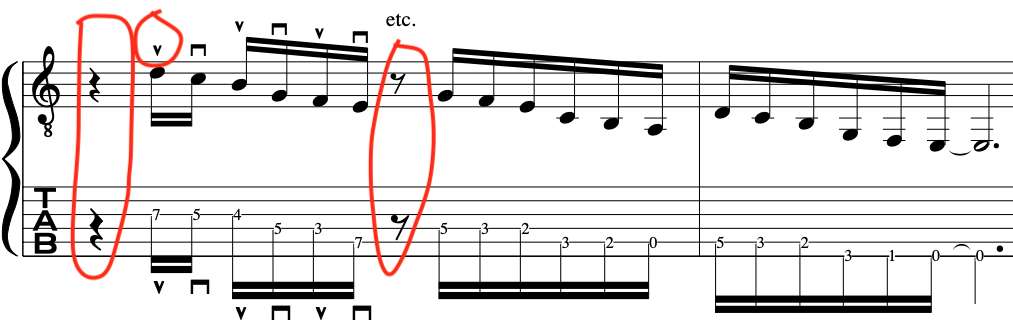
In this next example we have rests. These are useful as they give you a split second to get your fretting hand into position.

upstroke, alternate, picking, guitar, technique, example

This time we will employ the open string to create an even pattern to an odd pattern to set up the upstroke for the next phrase.

upstroke, alternate, picking, guitar, technique, example

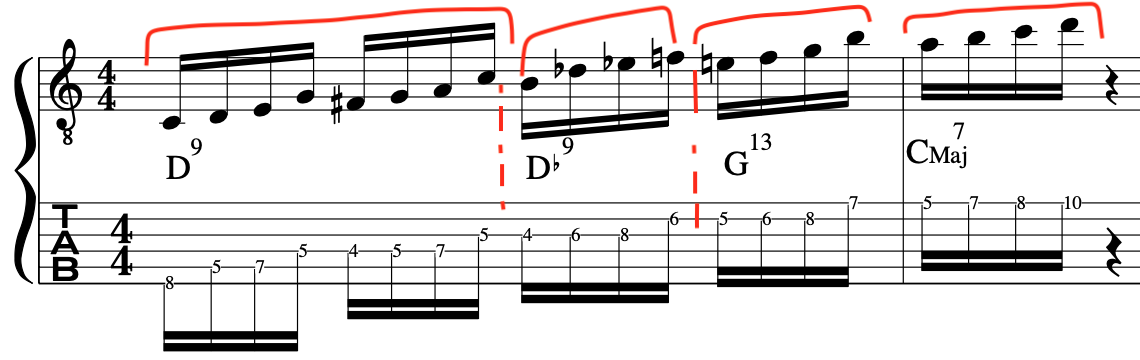
This time we will use the same concept to ascend with a simple piece of pentatonic/scale:

upstroke, alternate, picking, guitar, technique, example

Now we will descend starting on the up-stroke [no open string]:

upstroke, alternate, picking, guitar, technique, example

Finally, we will employ a repeated note with some scale and open string distance.

upstroke, alternate, picking, guitar, technique, example

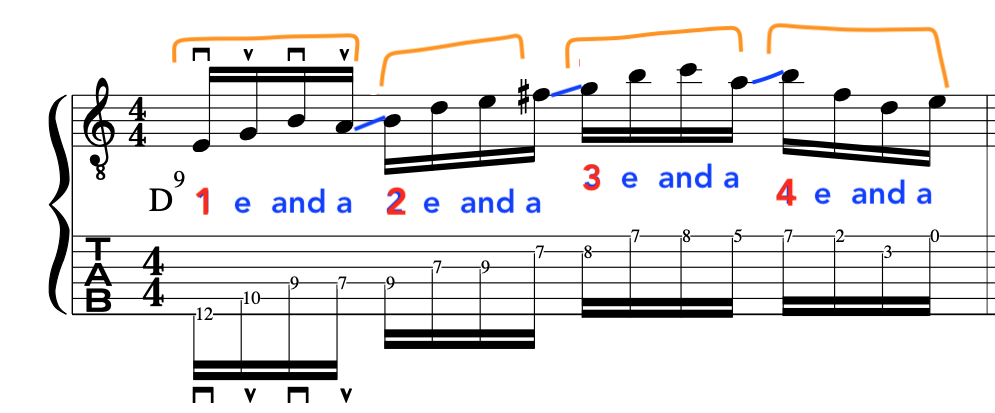
Notice that the repeated note and the open string are on the off beat:

One last thing: When doing these and any exercises it is essential to count time. Below is an example:

upstroke, alternate, picking, guitar, technique, example

Alternate Picking Groups of 6 notes for Jazz/fusion guitar

CLICK SUBSCRIBE!

Alternate Picking Groups of 6 notes for Jazz/Fusion Guitar

Hi Guys,

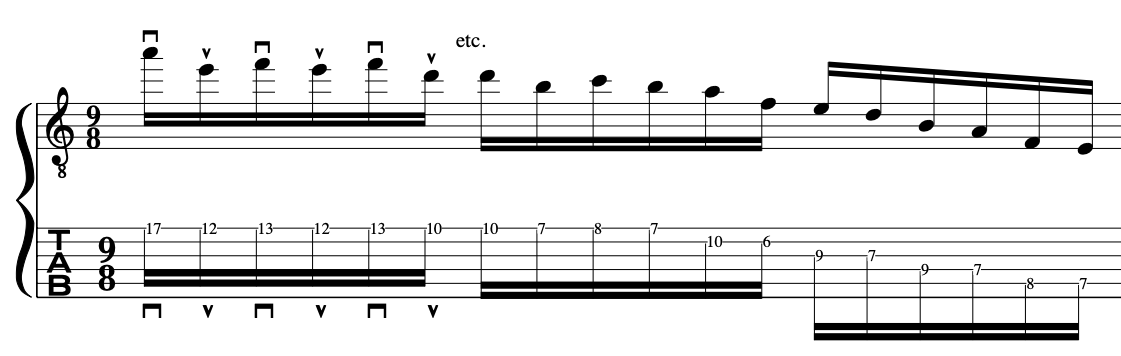
Today, a quick look at using groups of 6 notes for double timing in Jazz/Fusion.

Although these are sextuplets I am using them as a double timing musical tool and hence thinking of them slightly differently. This is because I am using a tempo marking of 100Bpm.

Why would I do this?

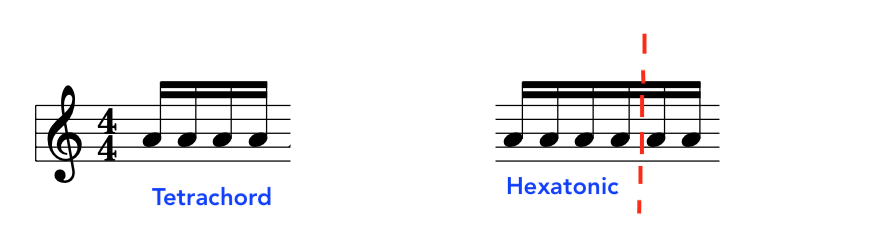
The reason being – Around this tempo demisemiquavers or 32nd notes might be too quick to play and offset the rhythm too much:

Alternate-Picking-Groups-6 notes-fusion-guitar

and 16th notes [tetrachords] may be too draggy and not pushy enough.

Alternate-Picking-Groups-6 notes-fusion-guitar

So, grouping 6 notes together over [1 crotchet] or 1 quarter note works really well rhythmically for clear cut phrasing. This is the sort of thing Al Di Meola or John McLaughlin would do.

Alternate-Picking-Groups-6 notes-fusion-guitar

You can count this how you want. Below are some common examples.

Alternate-Picking-Groups-6 notes-fusion-guitar-counting-time

In order to get forward momentum and shift the grouping along it is a really good idea to “Accent” the third note in each six note grouping: This also gives you a reference point and avoids muddying the groupings of notes.

Alternate-Picking-Groups-6 notes-accents-accenting

Here is the first exercise starting on a down stroke with strict alternate picking:
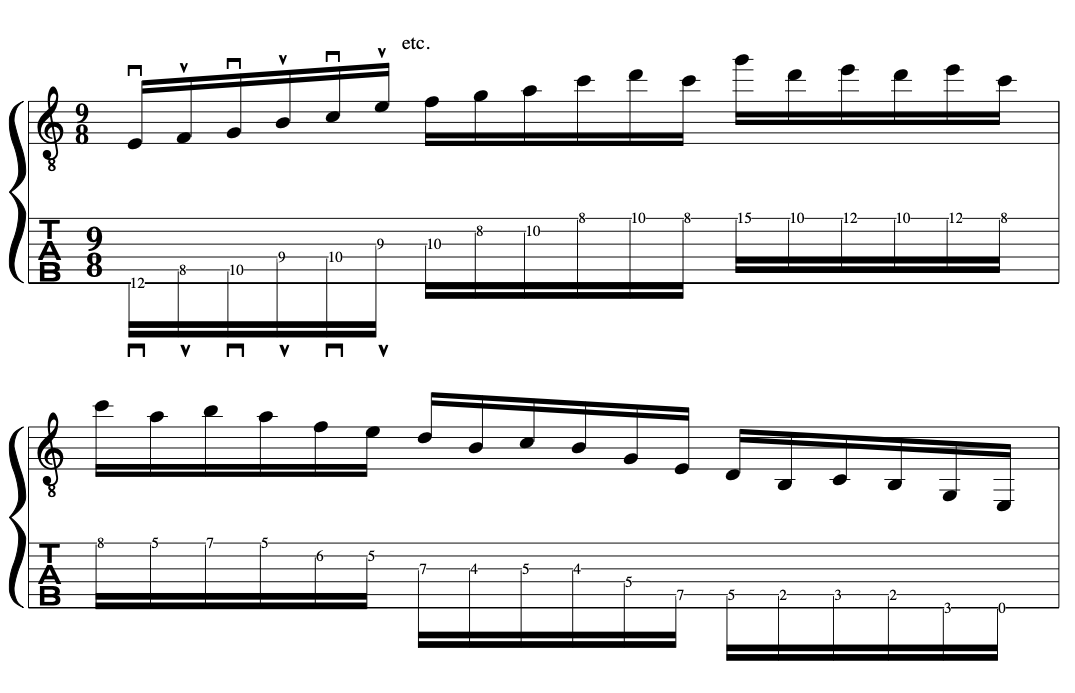
Alternate-Picking-Groups-6 notes-fusion-guitar-exercise

In the next exercise the second part goes the other way on the guitar fingerboard.

Alternate-Picking-Groups-6 notes-fusion-guitar-exercise

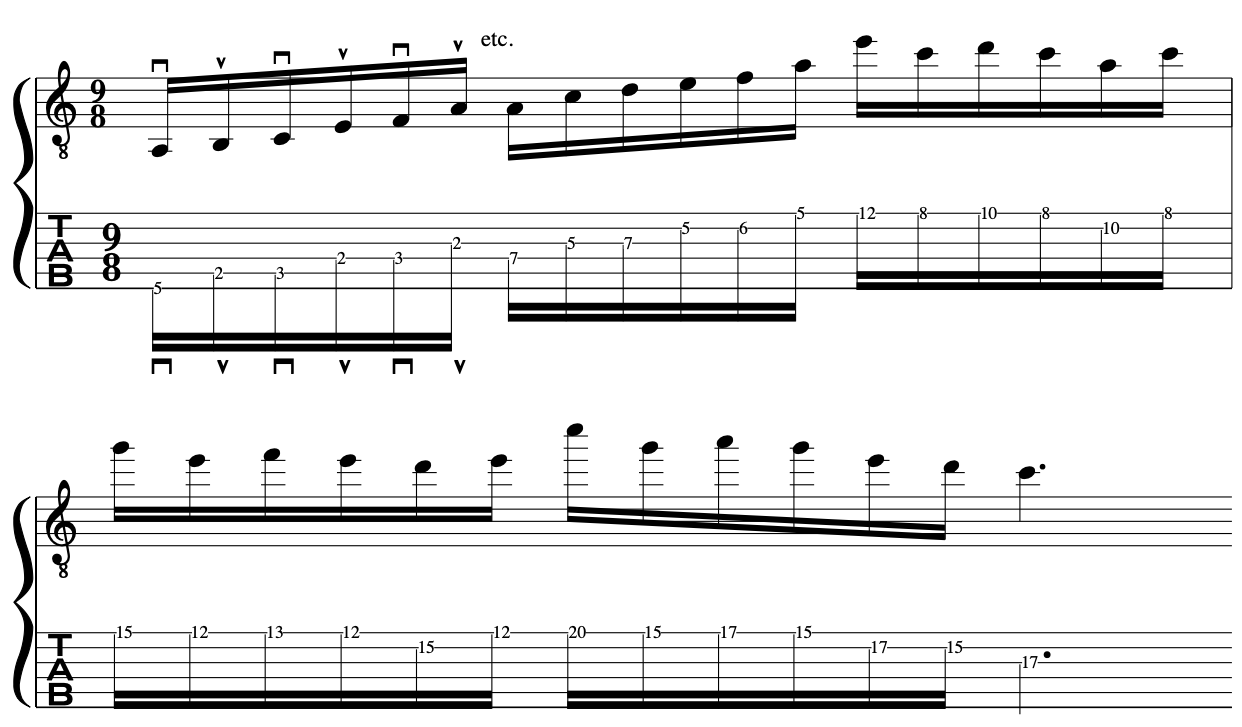
This is an extended exercise with strict alternate picking : Remember to count the groupings as you play to begin with so that you internalise them.

Alternate-Picking-Groups-6 notes-fusion-guitar-exercise

PDF DOWNLOAD: