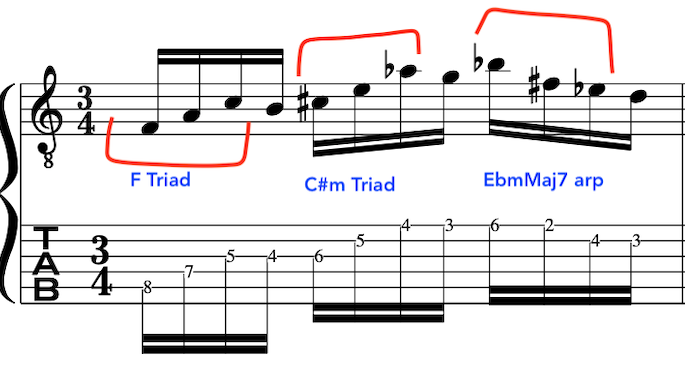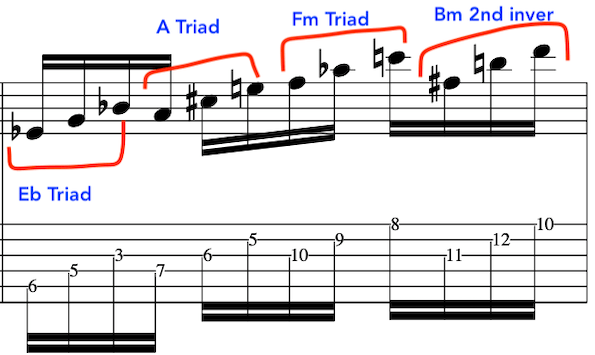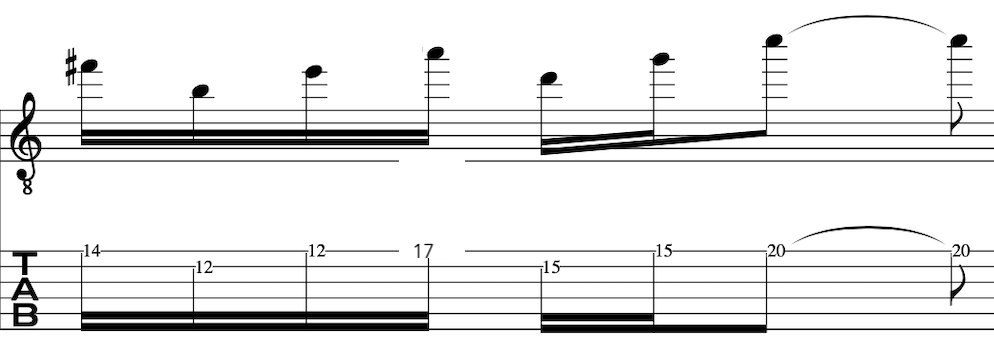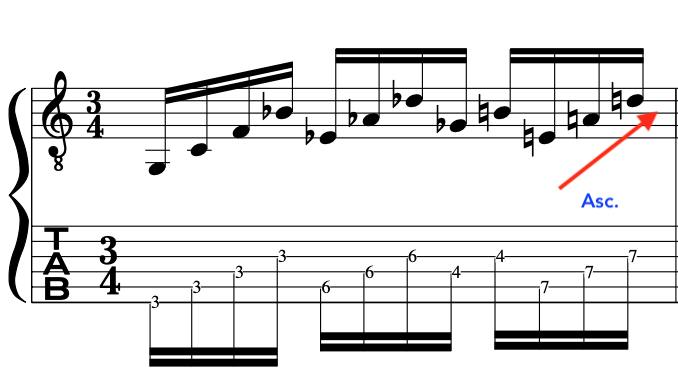
Jared E Davis: “Atonal Improvisation and Jazz” Techniques Explained

Jared E Davis Atonal Improvisation and Jazz music examples and analysis

Hi Guys,

Today, a quick look at “Atonal improvisation and jazz” book by Jared E Davis.
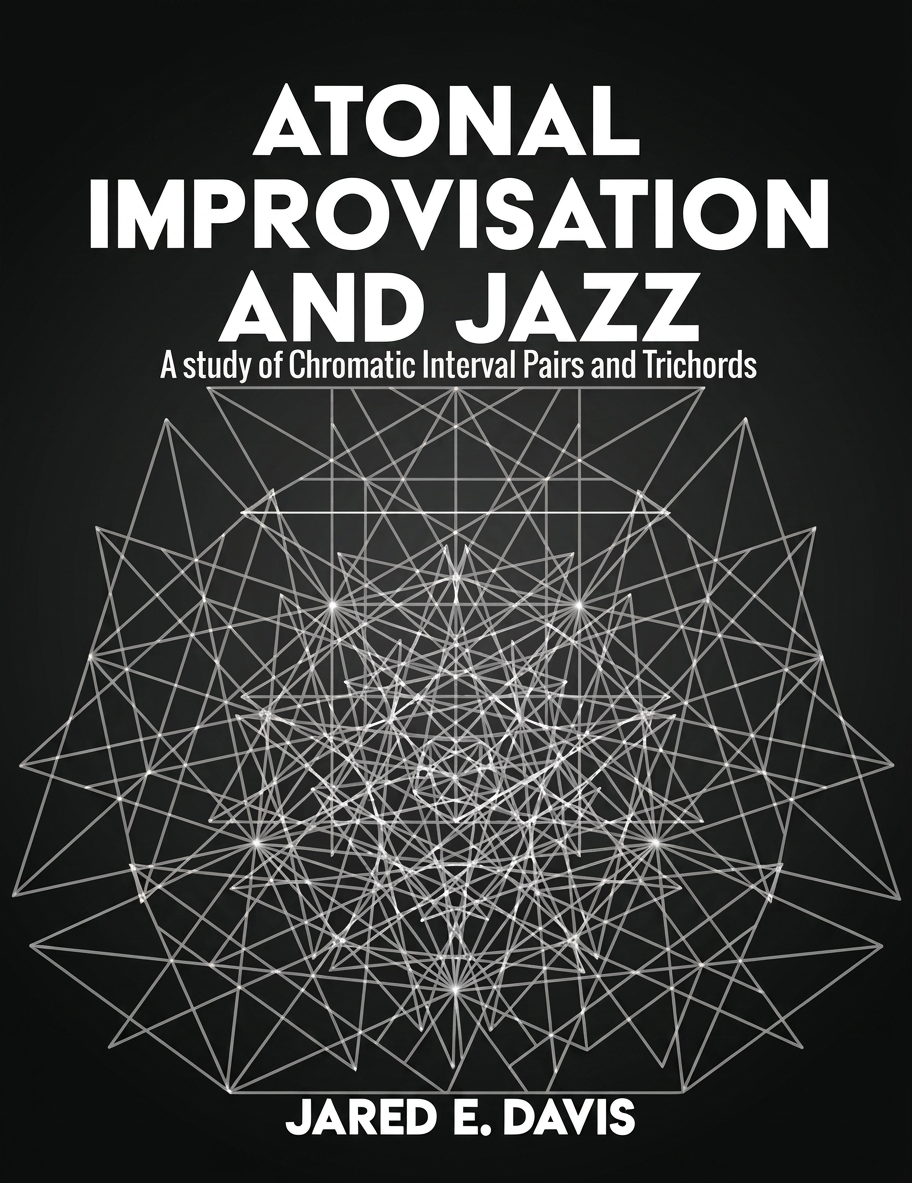
Atonal Jazz analysis with examples from webpage
Jared E Davis Atonal Improvisation and Jazz

Please note: This Blog won’t contain a Pdf download due to any copyright infringement.

Jared’s book, is similar in some ways to John ‘O’ Gallagher’s book 12 tone improvisation
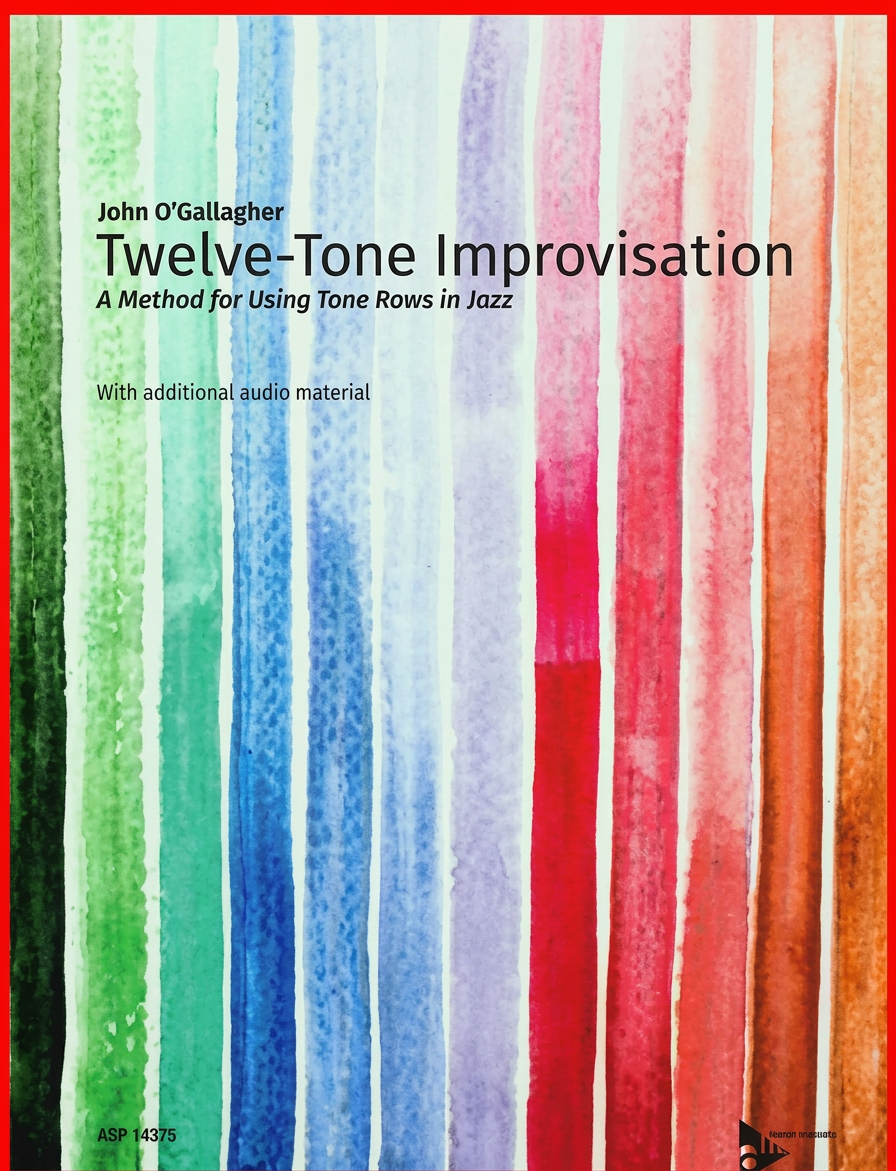
12 tone improvisation book John ‘O’ Gallagher

But, also differs due to being atonal [interval pairs] and not 12 tone.

This concept works with the 12 chromatic notes.

So, for example if we were to start on the note C it would be,

C=O C#=1 D=2 D#/Eb=3 E=4 F=5 etc.

Resulting in a minor 3rd =3 or a Major 7th = 11 or Unison = 0 etc.

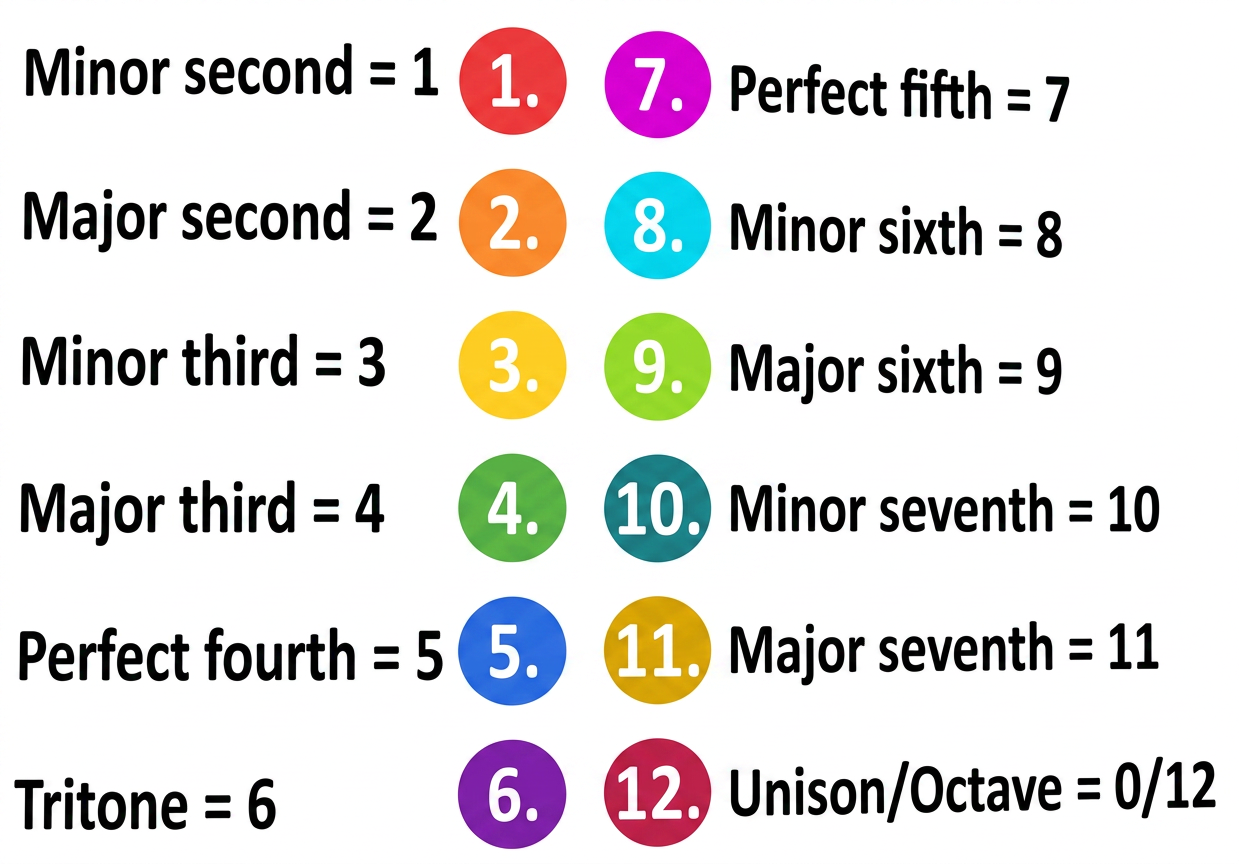
We are just counting the minor 2nds/semitones as in the chart below:

Jared E Davis Atonal Improvisation and Jazz

If we were to have singular intervals like 11111 etc, we would end up with a chromatic scale:
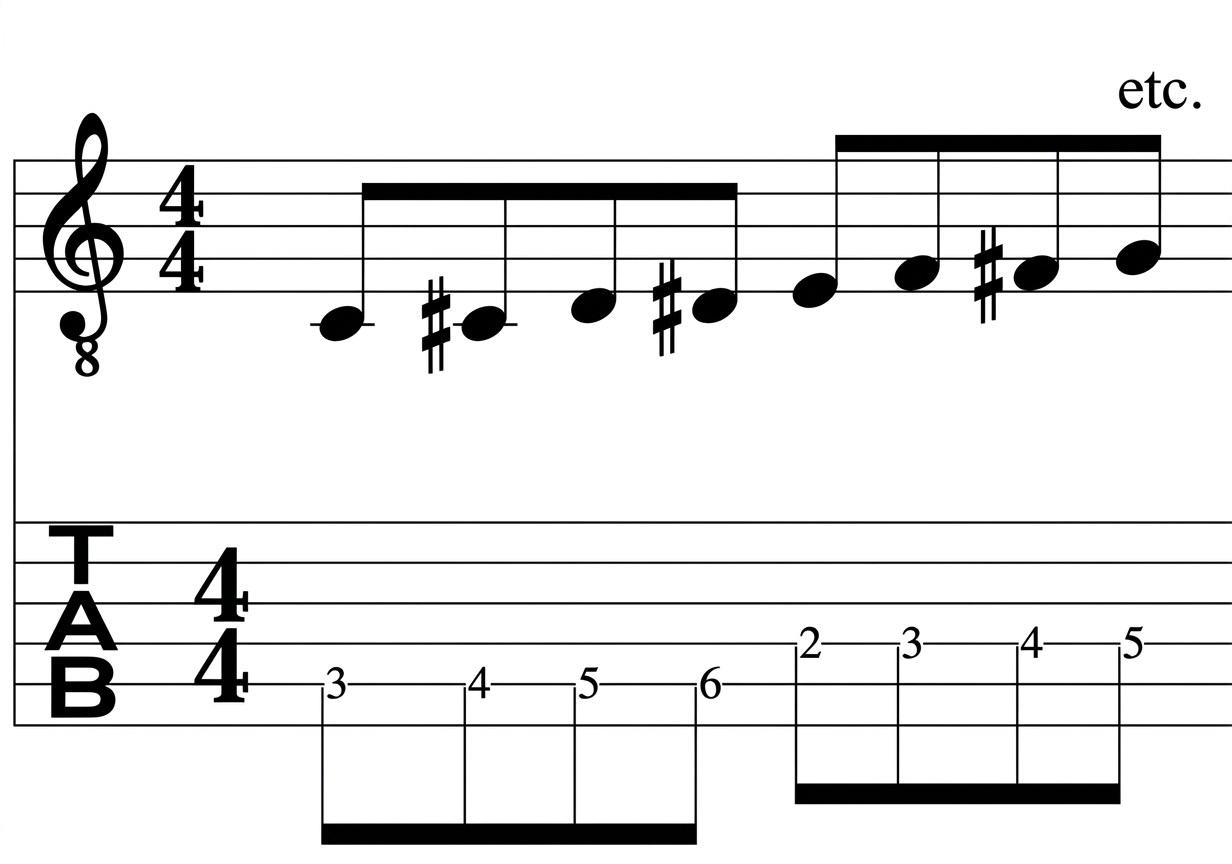
Jared E Davis Atonal Improvisation and Jazz

Or, for example, 3333 we would end up with Diminished 7ths:
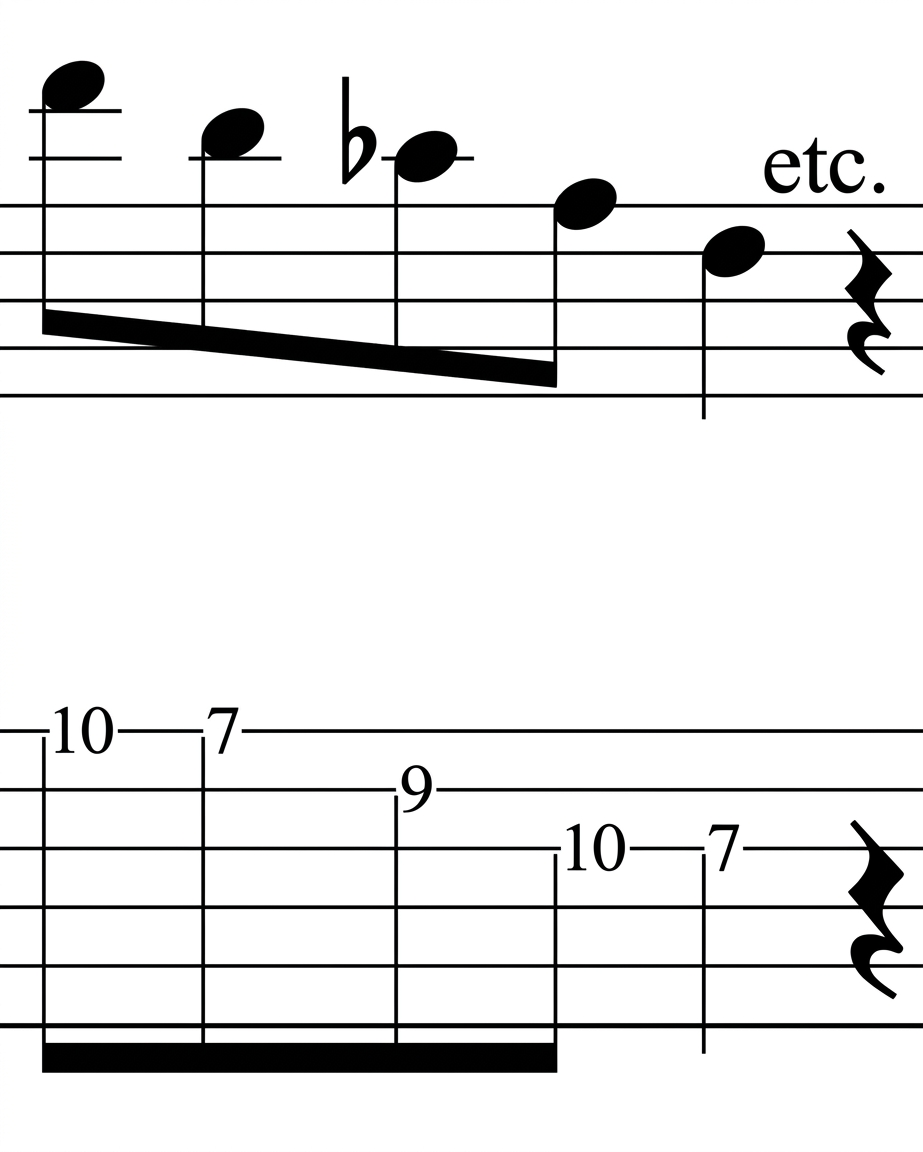
Jared E Davis Atonal Improvisation and Jazz

Below, is a list of techniques explained:
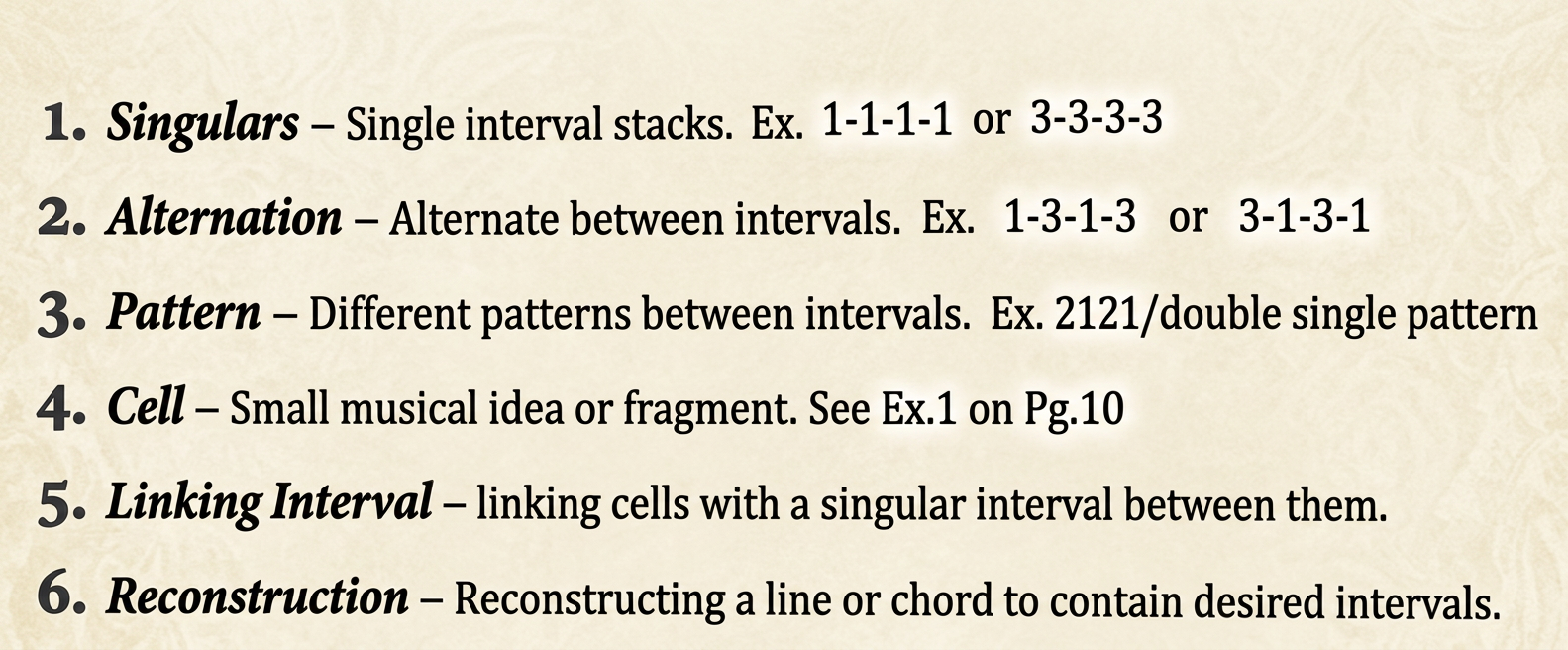
Jared E Davis Atonal Improvisation and Jazz

In this blog in order to avoid any copyright infringements I am going to look at interval pairs in the main.

In order to get really fluid with this it’s a great idea to write an etude.

But, before we can do this we need to learn/practice an etude already prepared.

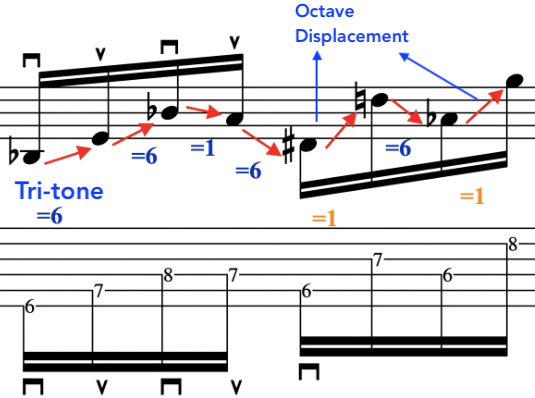
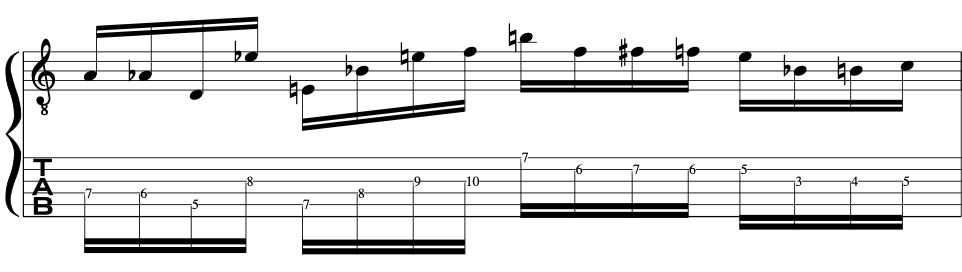
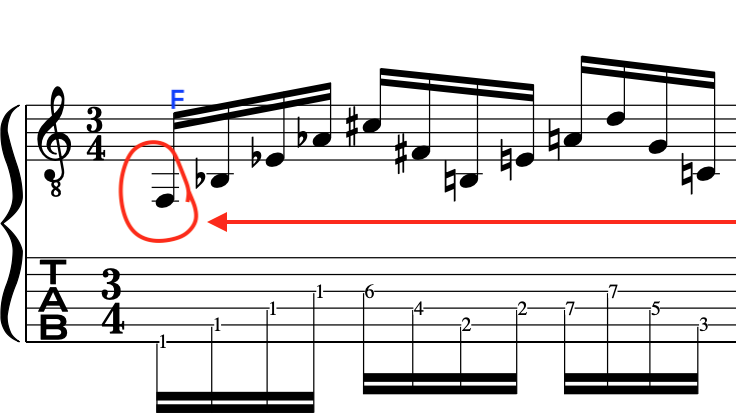
So, in this case I am going to take one from the book which consists of the interval pair 1-6

In this example we will master 1= minor 2nd and 6= Tritone

Music notation depicting Atonal Improvisation and jazz book by Jared E Davis. Musical examples and demos with music theory analysis. Complete lesson for atonal improvisational music techniques.

From the example above we can see our interval pair of 1-6 in action.

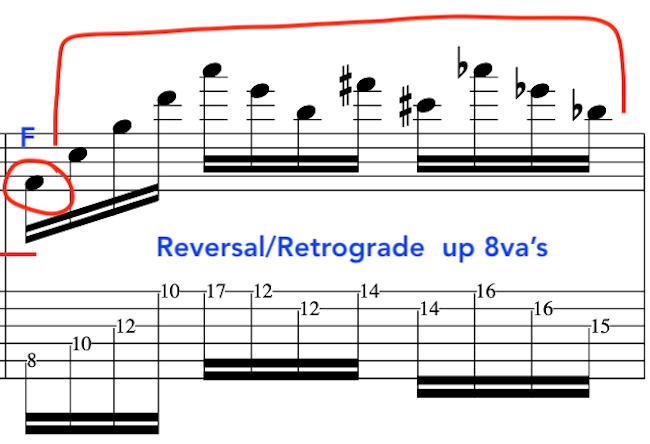
Notice also, where there =1 it can be inverted to/create octave displacement.
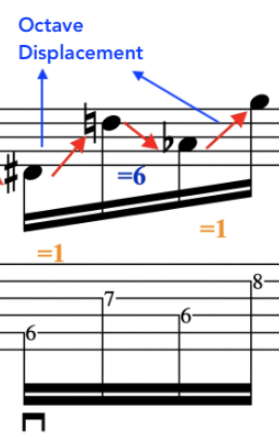
Example of Atonal Improvisation and jazz book by Jared E Davis. Musical examples and demos with music theory analysis. Complete lesson for atonal improvisational music techniques.

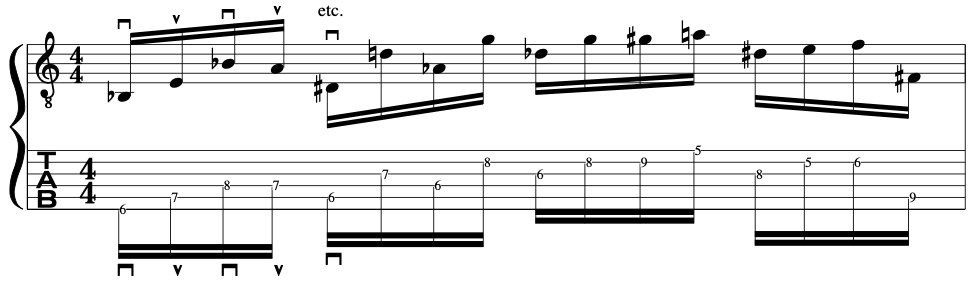
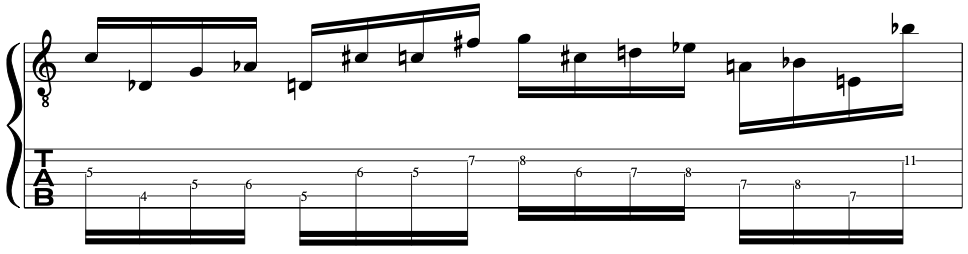
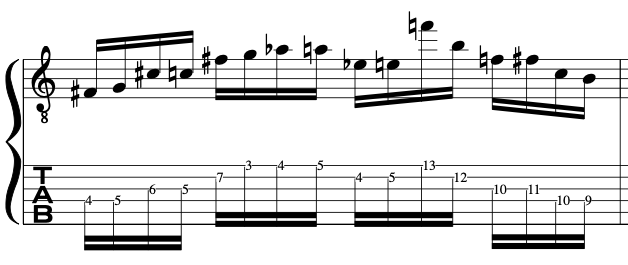
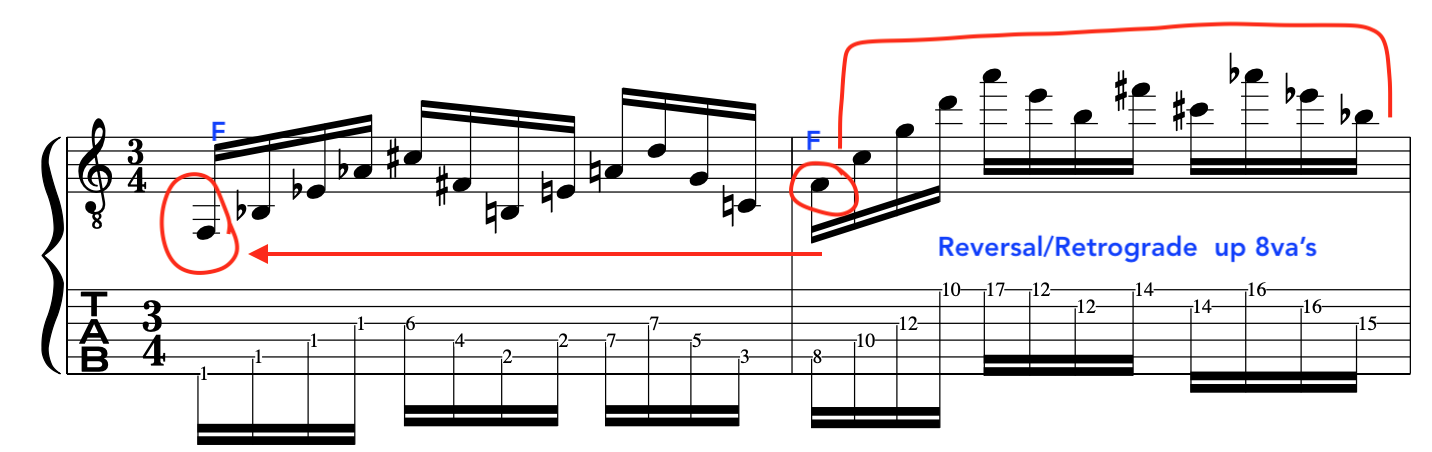
Below, is the full etude that I have starting on a down stroke for strict alternate picking.

An example of tonal Improvisation and jazz book by Jared E Davis. Musical examples and demos with music theory analysis. Complete lesson for atonal improvisational music techniques.
Example of Atonal Improvisation and jazz book by Jared E Davis. Musical examples and demos with music theory analysis. Complete lesson for atonal improvisational music techniques.
Atonal Improvisation and jazz book by Jared E Davis. Musical examples and demos with music theory analysis. Complete lesson for atonal improvisational music techniques.

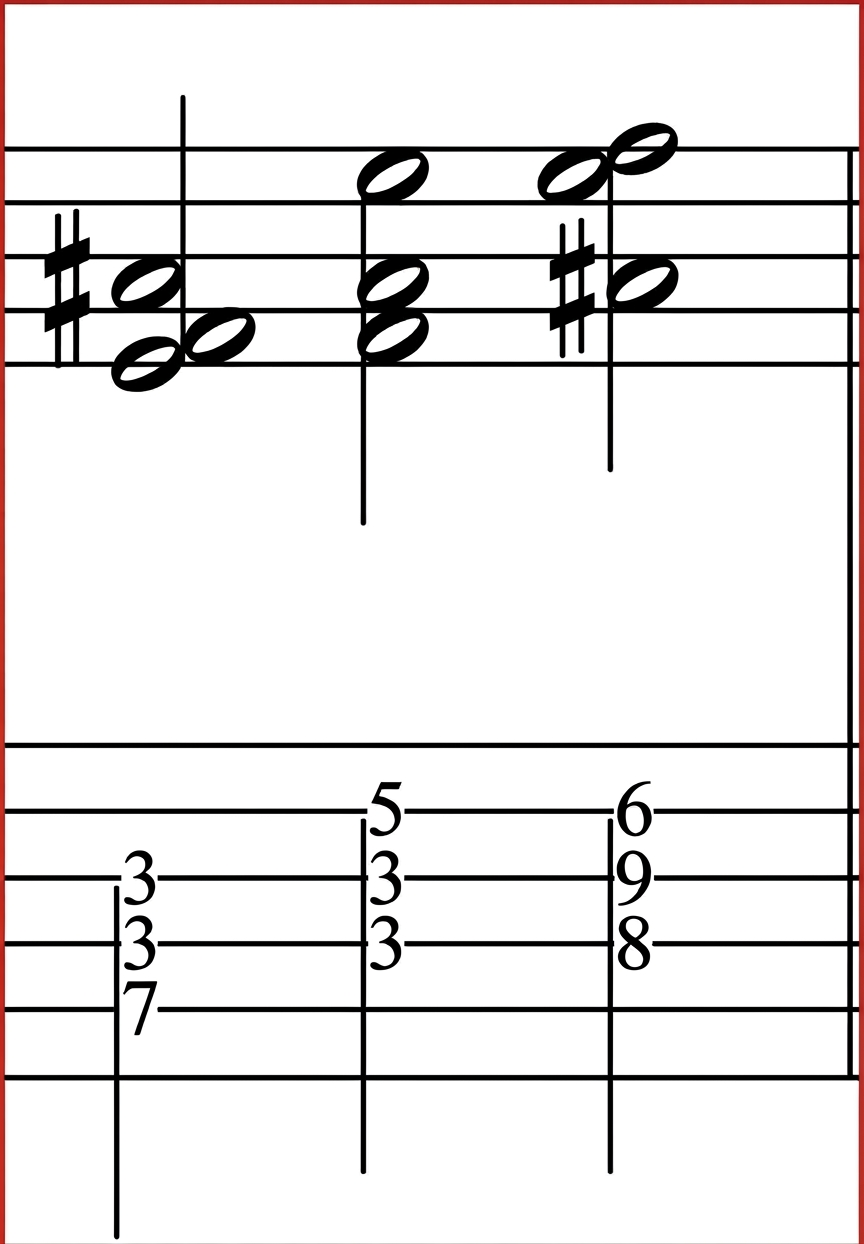
We can also build some amazing chords from atonal techniques.

I am going to look at a couple of Tri-Chords. [Although, we can create, tetrachords and pentachords etc].

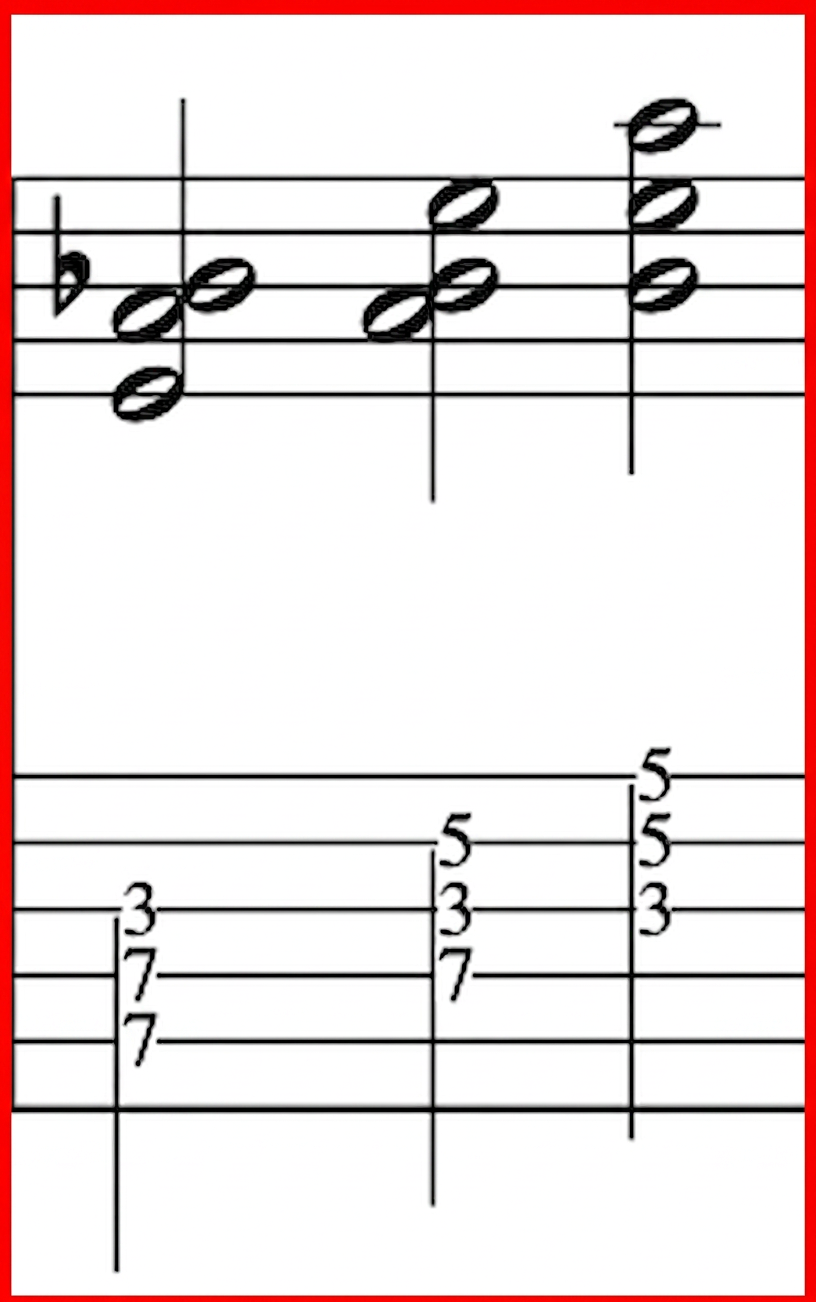
Let’s now apply this to a ii V7 I cadence:

Again, sticking to our minor 2nd and tritone 1-6 interval pairs from our Etude:
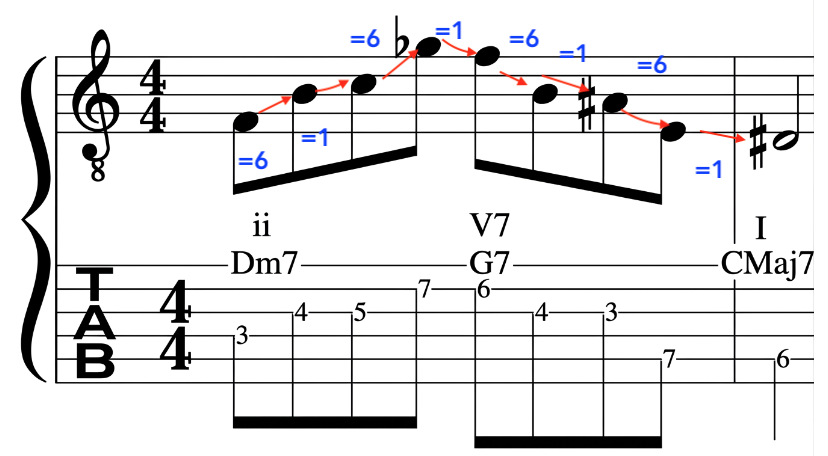
ii V7 I Atonal Improvisation and jazz book by Jared E Davis. Musical examples and demos with music theory analysis. Complete lesson for atonal improvisational music techniques.
Jared E Davis Atonal Improvisation and Jazz ii V7 I 1-6 Cadence Example

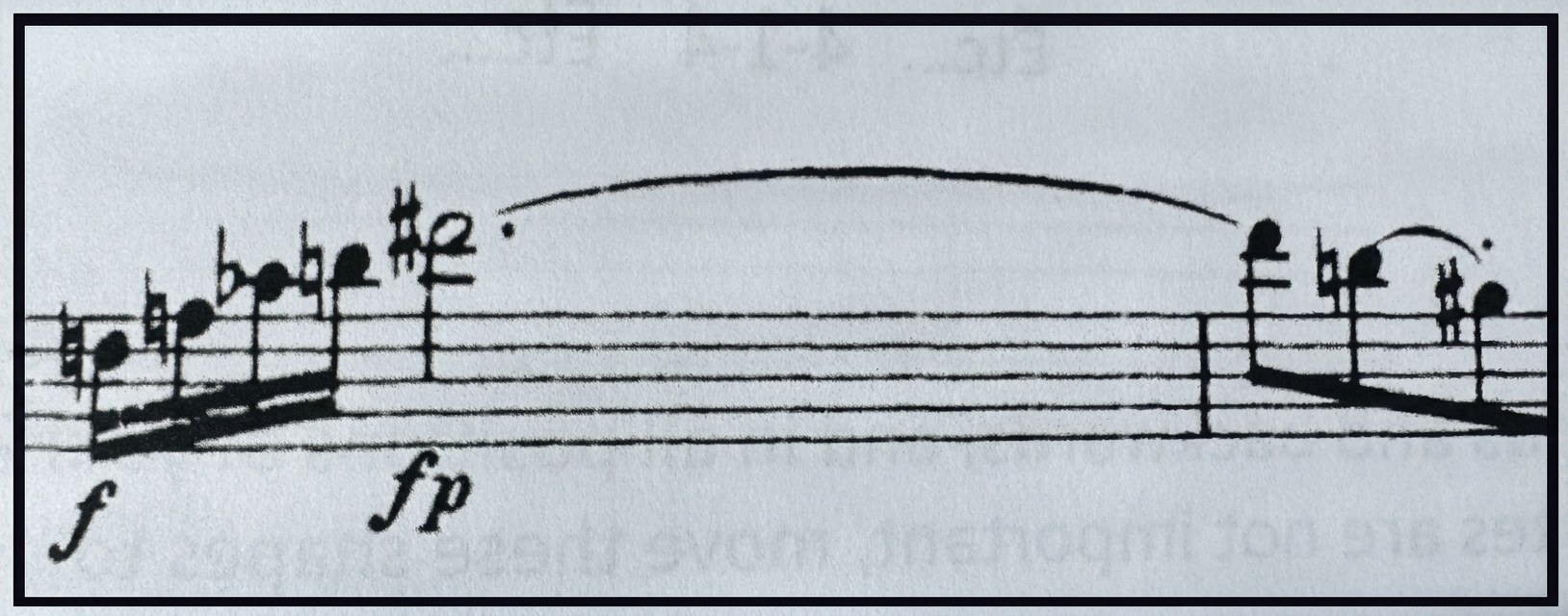
Lastly, here is a couple of real life examples by the great composer Arnold Schoenberg.

Interval Pair 1-5 [Perfect 4th and minor 2nd]:
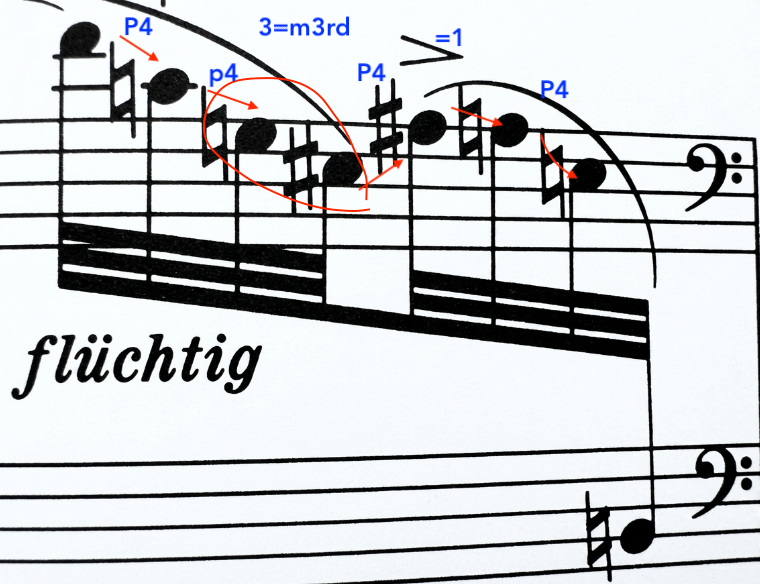
Finally, we have interval pairs 3-4
Polytonality:For Concerto/Orchestral Writing

Modern Jazz Fusion Chords part 2. Steely Dan, Dan Chord and Slash Chords

CLICK SUBSCRIBE!

Polytonality: For Concerto/OrchestralWriting lesson

Hi Guys

Today, a quick look at composing with Polytonality for orchestral and concerto writing.

Polytonality is the use of two or more keys at the same time:

poly-tonality-orchestral-composing-chords-example

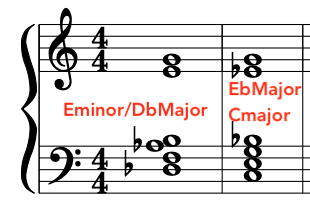
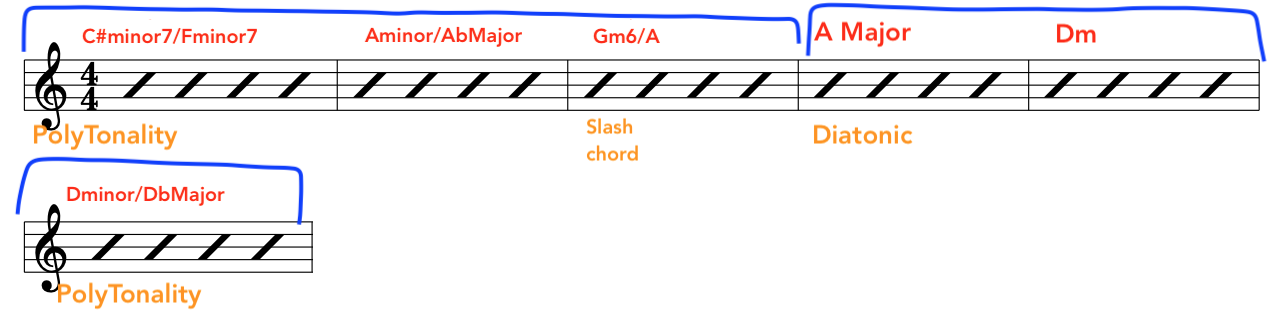
In this first example we have 4 bars of Polytonality with Eminor/DbMajor and EbMajor/CMajor

poly-tonality-orchestral-composing-chords-example

This then resolves itself with a “Tonal” diatonic cadence of B7/D# to Em:

Polytonality-Orchestral Example

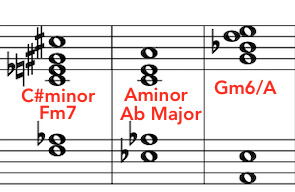
This example explores “Implication”. In this case it is implying the melodic minor but avoiding the cliche by employing the richness of Polytonality:

polytonality-orchestral-composing-chords-example

From here, we will again employ diatonic harmony for a cadence.

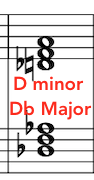
To complete this short orchestral example we will go back into Polytonality with another melodic minor implication by employing Dminor/DbMajor:

polytonality-orchestral-composing-chords-example

Here is the chart:

poly-tonality-orchestral-composing-example

Polytonality-Orchestral Example

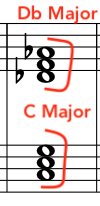
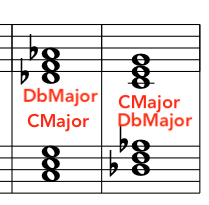
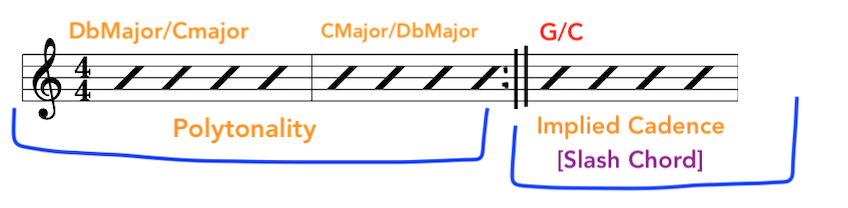
In this final example we will just “Reverse” the chords. This time it is DbMajor/Cmajor which is then played the other way around with CMajor/DbMajor.

polytonality-orchestral-composing-chords-example

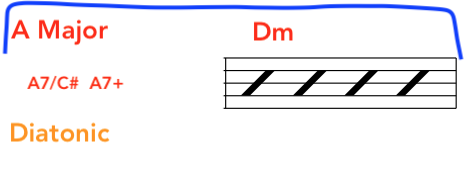
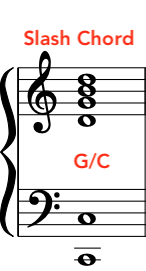
finally, we will employ a slash chord for an “Implied” cadence: This will also lighten the harmony:

Here is the Chart:

polytonality-orchestral-composing-example

FREE PDF DOWNLOAD:

Modern Jazz Fusion Chords part 2. Steely Dan, Dan Chord and Slash Chords

12 tone jazz/fusion 20c classical quartal/quintal lines

CLICK SUBSCRIBE!

12 Tone Jazz/Fusion Quartal/Quintal improvising and composing concepts

Hi Guys,

Today, a look at employing 12 tone rows for Quartal and Quintal improvising and composing.

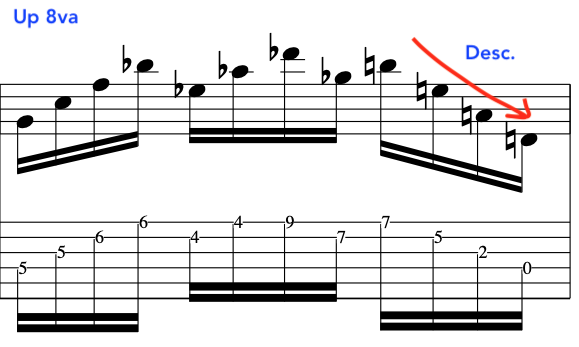
Here is the first row: Notice the movement of 5ths and 4ths.

12-tone-jazz-fusion-rows

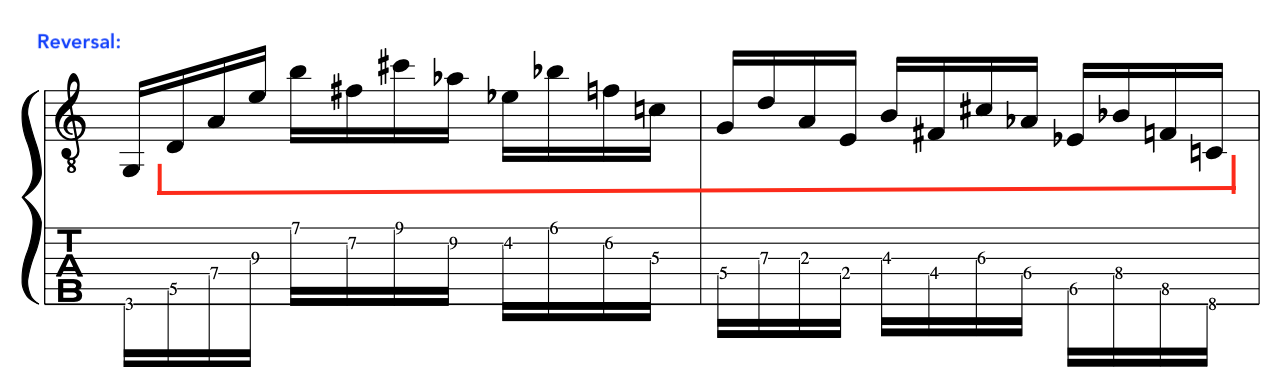
Now, we will play it backwards with retrograde motion or reversal: Also, notice the use of changing register.

12-tone-jazz-fusion-rows

Full 2 bars:

12-tone-jazz-fusion-rows

In this next example we will employ Triadic movement and semitone connections.

12-tone-jazz-fusion-rows-triads

In the following part we connect triads directly:

12-tone-jazz-fusion-rows-triads

Finally, we will add some non 12 tone notes to complete the phrase:

12-tone-jazz-fusion-rows

From here we will exploit the tone row and make 4 bars of music from it: Here is the 12 tone row:

12-tone-jazz-fusion-rows

We will now copy it and change register: Notice that the last four notes descend:

12-tone-jazz-fusion-rows

Now, that we have this we will reverse both bars and create another 2 bars of music:

12-tone-jazz-fusion-rows

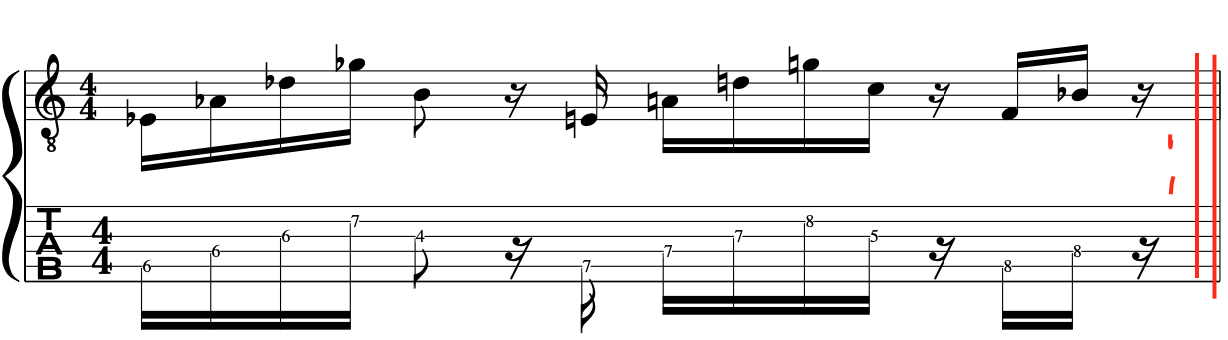
Lastly we will join together 2 different rows: We will break these up a bit with the first part acting more like a vamp:

12-tone-jazz-fusion-rows

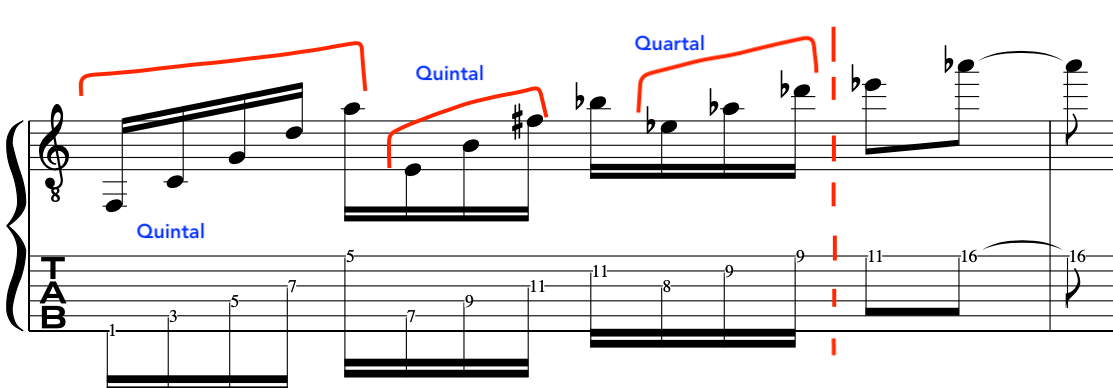
The second part employs quintal and quuartal movement once again:

12-tone-jazz-fusion-rows

PDF DOWNLOAD: