Easy Ways to Harmonise the Diminished Scale

How to Easily Harmonise the Diminished Scale Lesson

Hi Guys,

Today, a quick look at an easy way to harmonise the diminished scale.

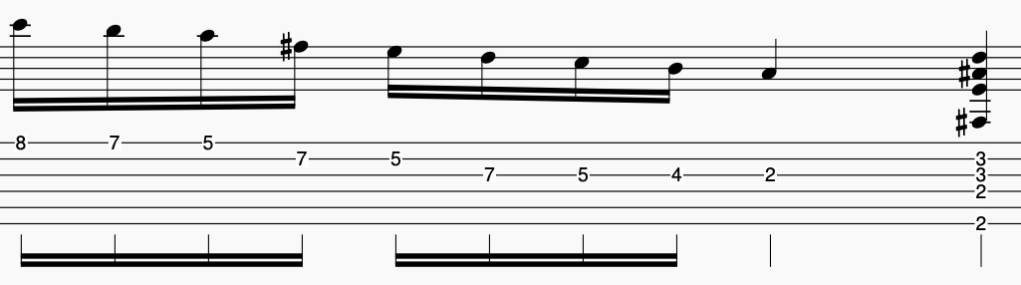
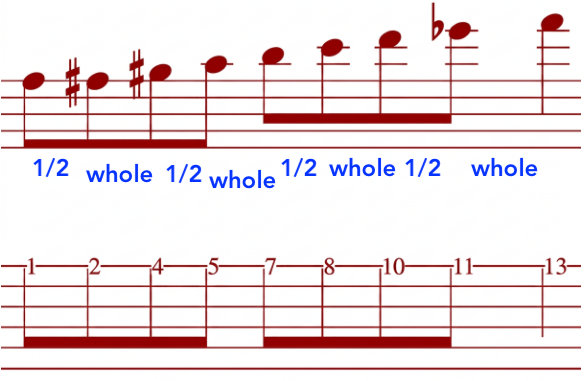
To begin our study, let’s take the diminished scale and play it on the 1st [E] string of the guitar.

Notice, the half steps and whole steps of the scale.
This scale can now be harmonised with diminished seventh chords.

What’s equally amazing is that with this form we have a separate diminished scale starting on each note of the chord itself.

This in turn gives us four part harmony.

Soprano, Alto, Tenor, Bass. or S.A.T.B
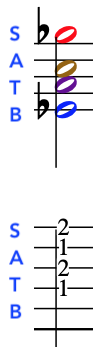
image displaying how to easily harmonise the diminished scale with 4 part harmony like composer Bach.

The other interesting point, is that the first two chords of the scale incorporate all 8 notes of the scale:
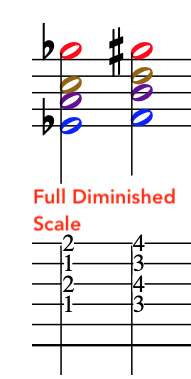
image of music notation and guitar tab displaying how to easily harmonise the diminished scale with diminished 7th chords.

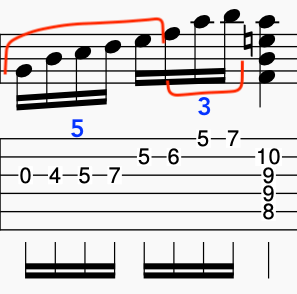
So, now let’s harmonise the scale fully with the diminished 7th chord shape ascending:
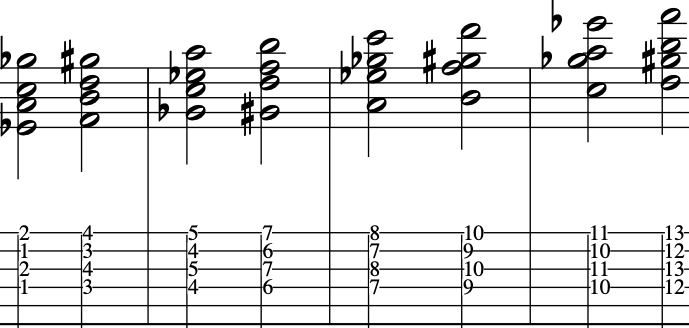
image of music notation and guitar tab displaying how to easily harmonise the diminished scale with 4 part harmony.

The key from here, is to accentuate an inner or outer voice.

In this case we will accentuate the Soprano [or top line] scale ascending:
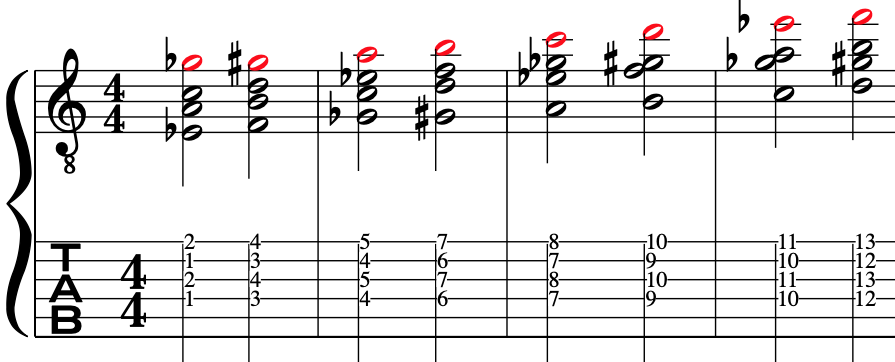
image of music notation and guitar tab displaying how to easily harmonise the diminished scale with 4 part harmony all playing the scale

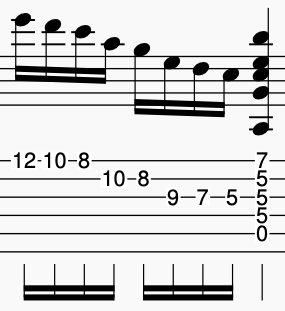
To continue our investigation, we will now accentuate the scale in the Bass.
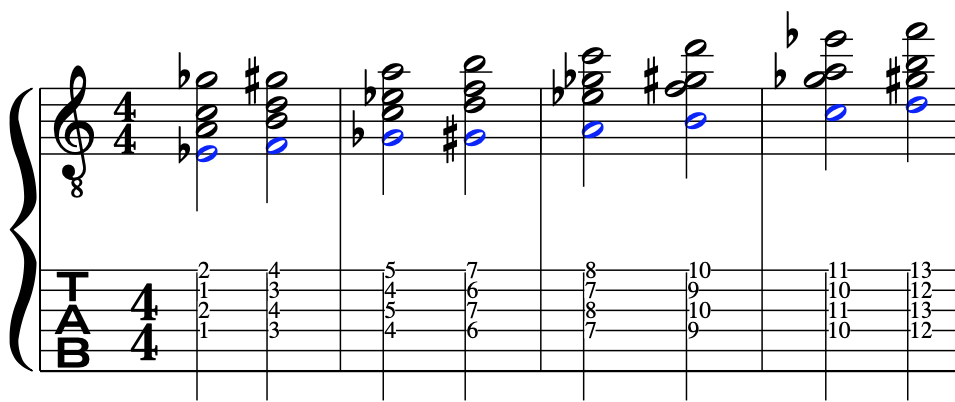
image of music notation and guitar tab displaying how to easily harmonise the diminished scale

Now, as we look at the chord and scale within the S. A. T. B. we can see the full realm at our fingertips.

The ascending scale of each voice is in full view:
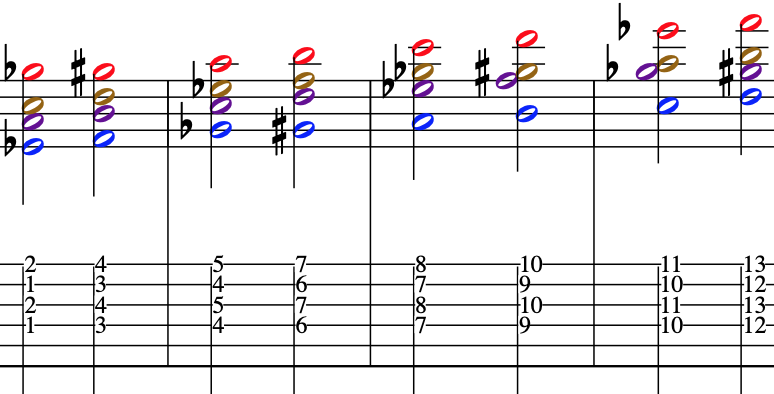
image of music notation and guitar tab displaying how to easily harmonise the diminished scale with 4 part harmony all playing the scale

Another useful device for harmonising the diminished scale is to employ the use of slash chords:

These, will be moving in minor 3rds with the scale on the top.

Below, we have a triad of F Major played over a Gb bass. This is then followed by a D Major triad played over an Eb Bass.
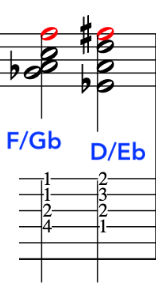
These chords, are now sequenced: Moving up in minor thirds whilst carrying the scale on top.
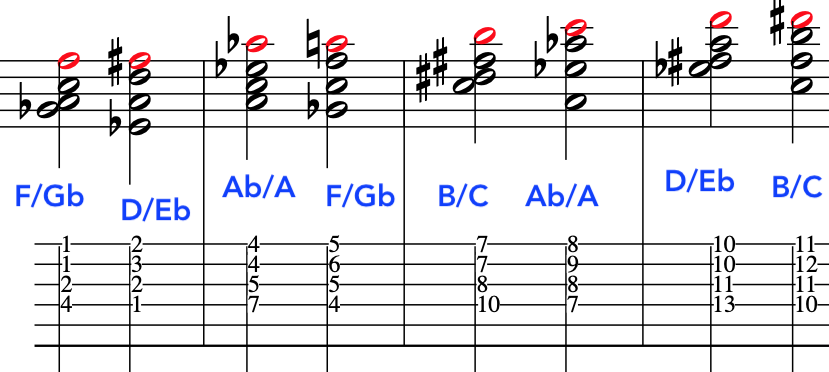
Music notation and guitar tablature showing how to harmonise the diminished scale with slash chords easily.

In the next example, we will use another diminished favourite:

The minor7b5: Or Half diminished:
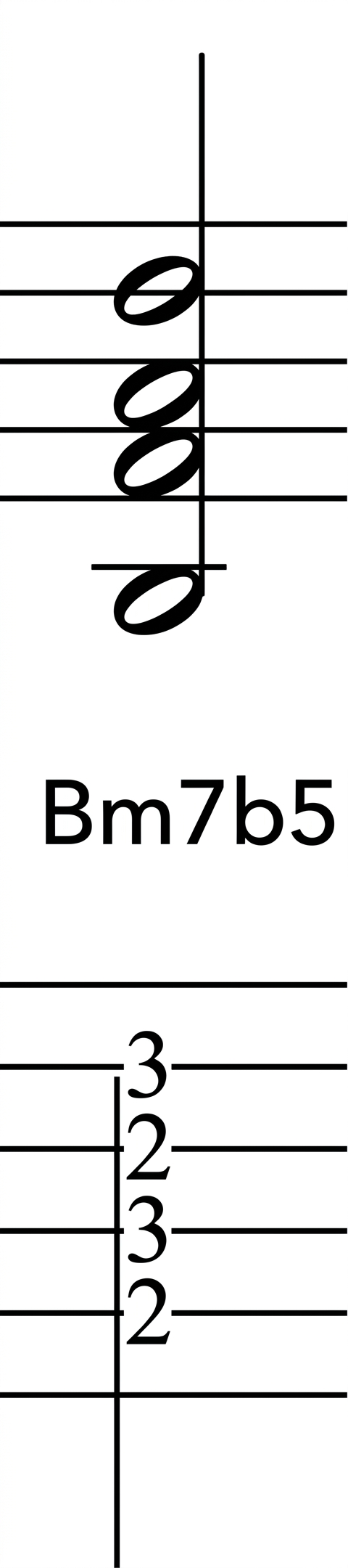
We, will follow this with our B/C slash chord form our lesson a little while back:
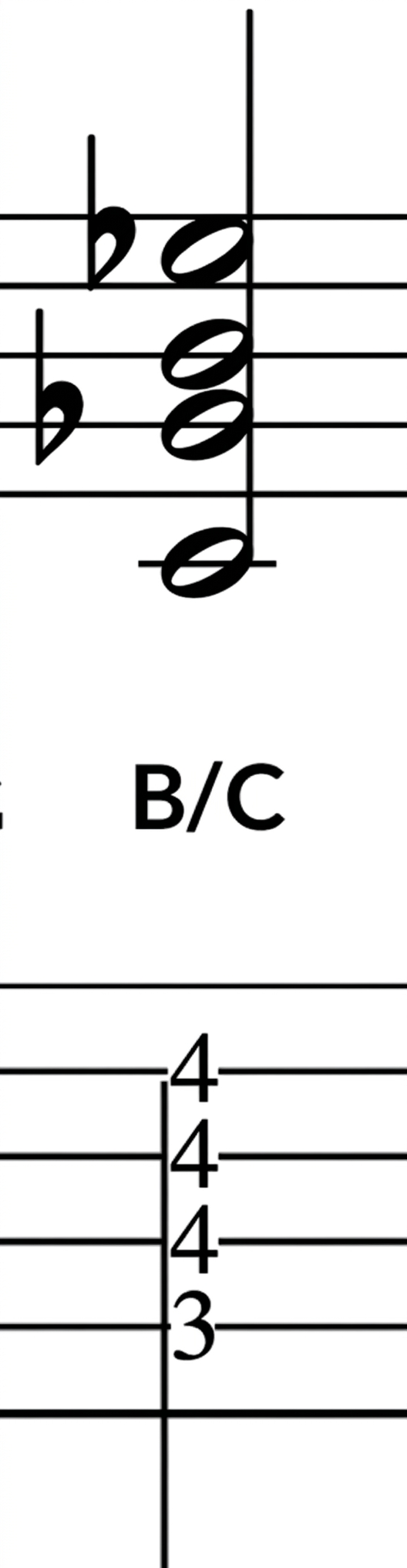
Now, let’s view the full chord scale:

Be amazed!…..Yes, this works out in all 4 parts once again:
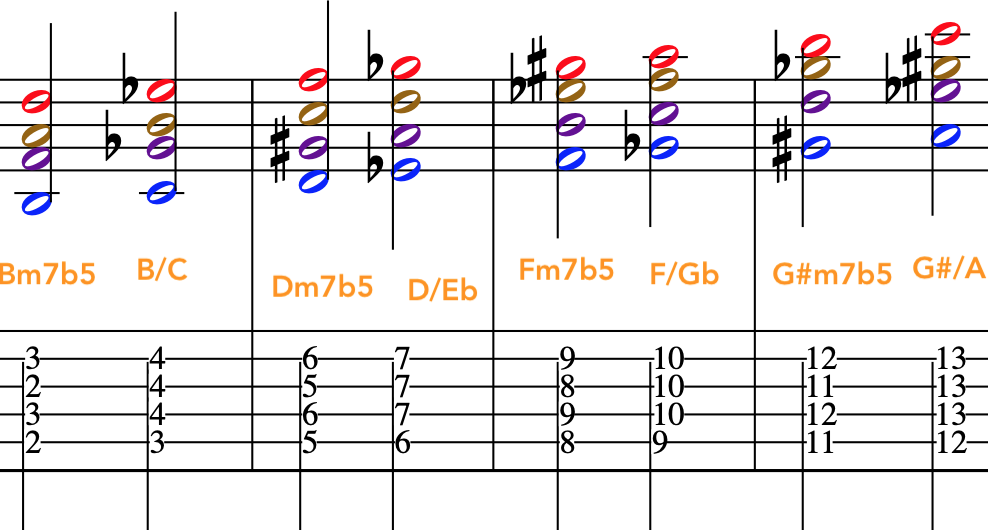
Music notation and guitar tab showing how to harmonise the diminished scale with slash chords

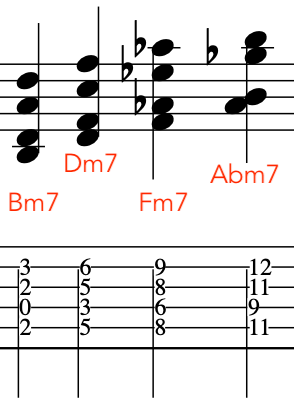
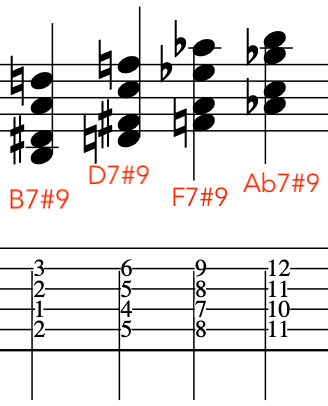
To complete this, here are the two most common chord movements in minor 3rds for our scale.

This is NOT harmonised, but still essential to look at as it really displays the minor 3rd movement in both major and minor tonality within this scale.

This was just a quick look at how to harmonise the diminished scale.

These concepts are quite basic in many regards but contain a wealth of power for both on the spot Re-harmonisation and 4 part voicing for composition.

Traditional harmony and as we can see in this blog/lesson contemporary harmony both work well for the task.

Frank Zappa:Octave Displacement Composition/Improvisation Techniques

Frank Zappa Octave Displacement Composition/Improvisation Concepts

Hi Guys,

Today, a quick look at the way Frank Zappa exploits octave displacement.

This, is a really useful compositional device especially when writing for a string quartet or stringed instruments.

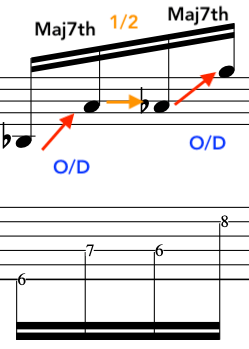
In this example we can see the use of the displaced octave [or Maj7th interval].

Musical notation showing a Frank Zappa transition between Maj7th chords, octave displacement with notes and annotations indicating 'O/D' and direction arrows.
Musical notation illustrating Frank Zappa’s octave displacement used in string instrument compositions.

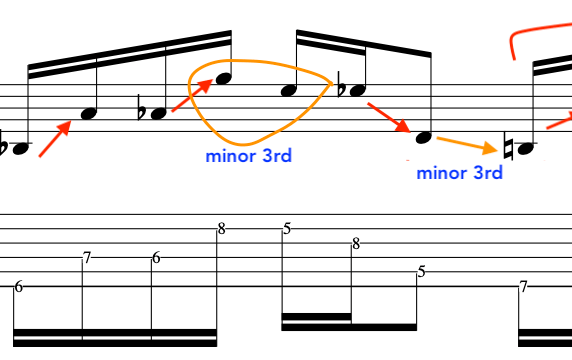
With further analysis, we will notice the employment of the minor 3rd interval as a means of connection and predictive avoidance.

Musical notation displaying a Frank Zappa melody with highlighted minor third intervals, with annotations indicating their locations on the staff with octave displacement.
Musical notation illustrating frank Zappa minor 3rd intervals in a compositional example.

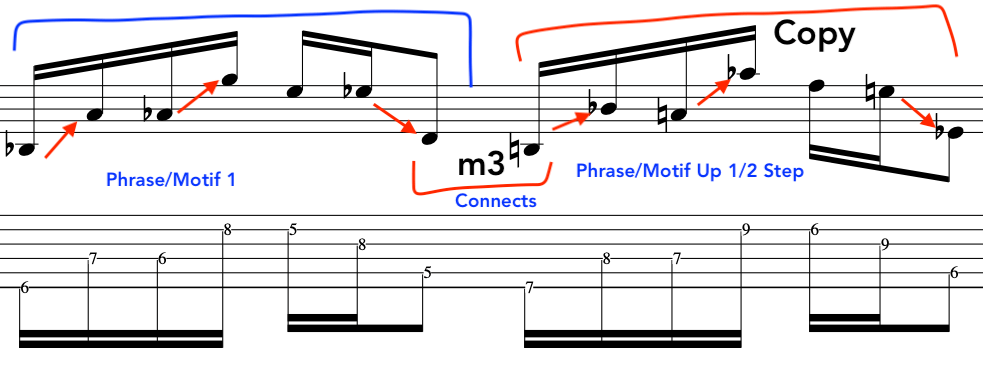
Although, this phrase/motif descends a minor 3rd it is actually, [quite cleverly] copied up a semitone:

Music notation displaying two Frank Zappa motifs with labels indicating connections and copy relationships, by employing octave displacement.
Musical notation illustrating Frank Zappa’s octave displacement and minor 3rd connections
Sheet music showing a Frank Zappa guitar piece in 4/4 time signature, including standard notation and tablature for performance with octave displacement.
Musical notation illustrating octave displacement for string instruments, highlighting the use of minor 3rd intervals.

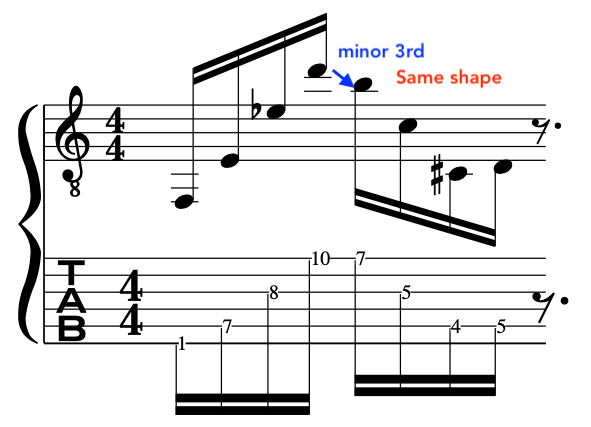
This example is the same as that found in Pat Martino’s 12 chromatic forms:

This amazing shape creates a really nice resonance/blend on the guitar. It’s also useful for various inversions and shifting positions around on the fingerboard.

Here, once again we see the exploitation of the minor 3rd interval to move and connect the shape.

A musical notation image displaying Guitarist Frank Zappa's use of octave displacement.
Musical notation demonstrating frank Zappa’s minor 3rd interval and octave displacement

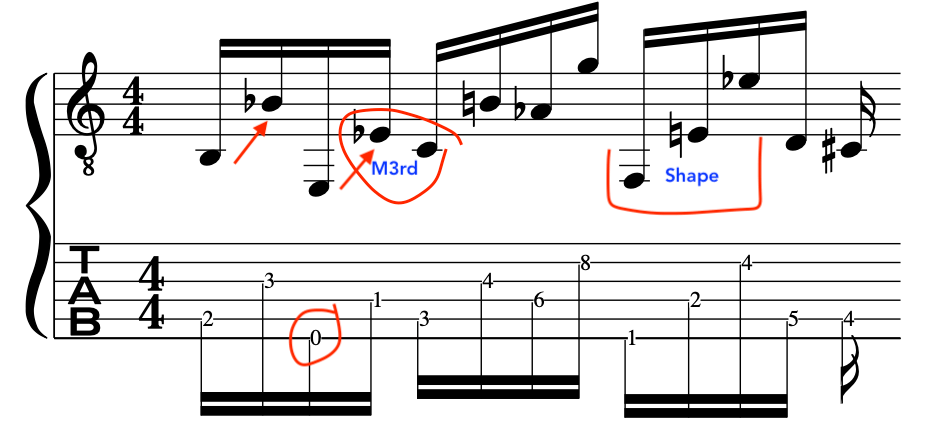
This application employs everything that we have looked at so far in one short example.

Notice, the minor 3rd connection, the open string, the shape, etc. It all becomes familiar.

A segment of sheet music displaying Frank Zappa's musical notes in standard notation and tablature, labeled with annotations including 'M3rd' and 'Shape.' The time signature is 4/4.
Example illustrating the application of minor 3rd intervals and octave displacement shape.

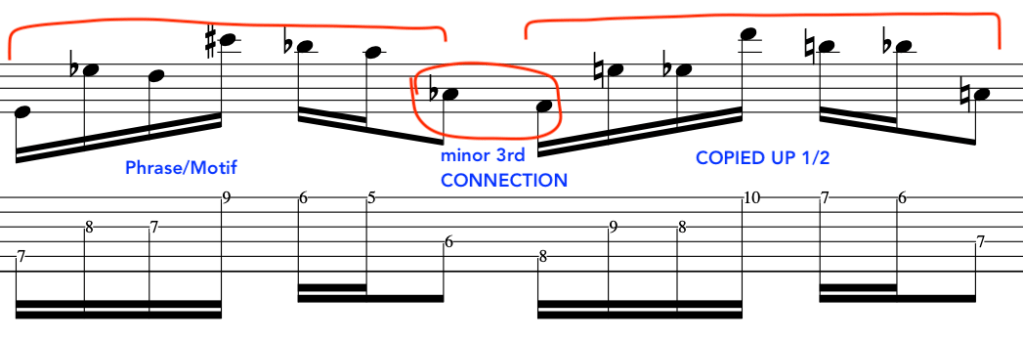
The final example is similar in concept to our first one.

It has a motif/phrase which is connected by the minor 3rd interval, that, then copies it up a half step.

Sheet music showing Frank Zappa's  musical notation with labeled sections indicating a phrase or motif, a minor third connection, and a directive to copy up a step, along with the corresponding tablature for guitar.
Frank Zappa illustrating the connection of phrase/motif using a minor 3rd interval, copied up a half step.

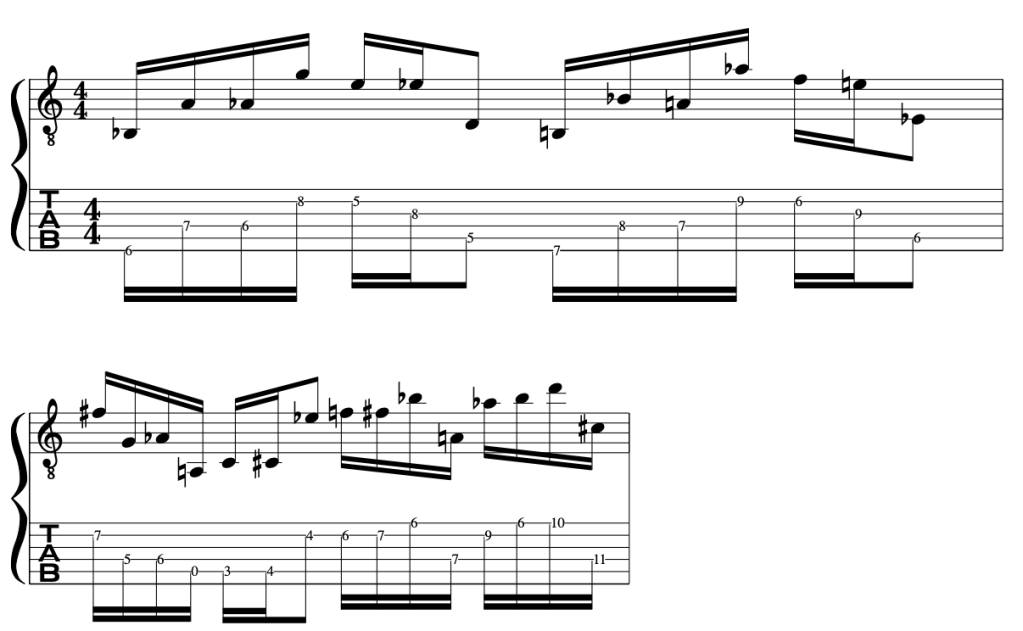
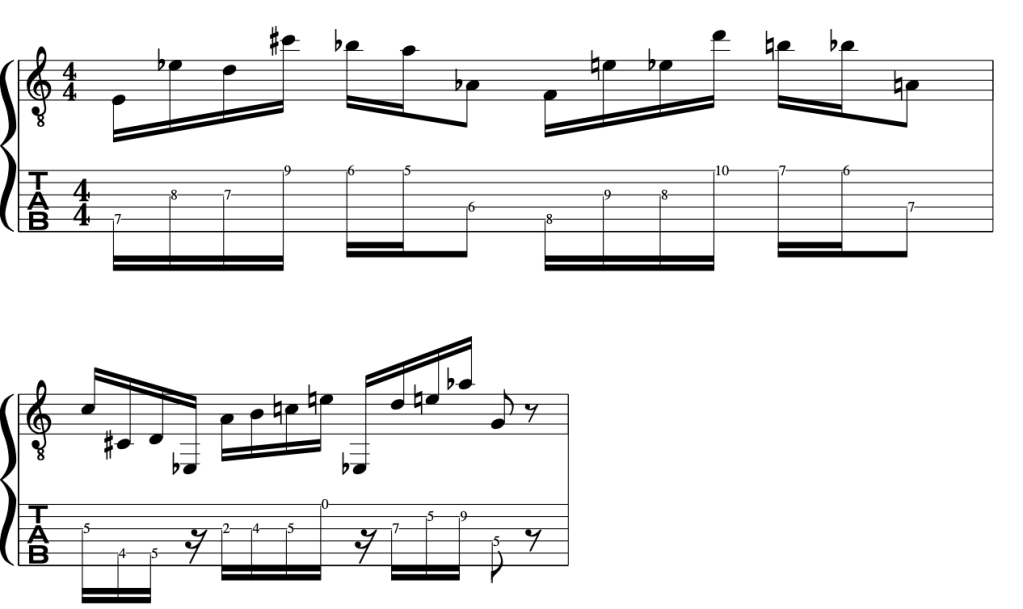
Full Example:

Sheet music featuring musical notes and tablature for guitar octave displacement in 4/4 time signature.
Frank Zappa illustrating a composition example using octave displacement and minor third intervals.

Guitar Techniques: Safe Fretting for Better Performance

Hi Guys,

Today, a quick look at the fretting hand and fretting notes “Safely”and easily on the guitar.

This is essential to ensure a relaxed hand, relaxed elbow and relaxed shoulders that are aligned and in sync with the right alternate picking hand at uptempo BPM’s.

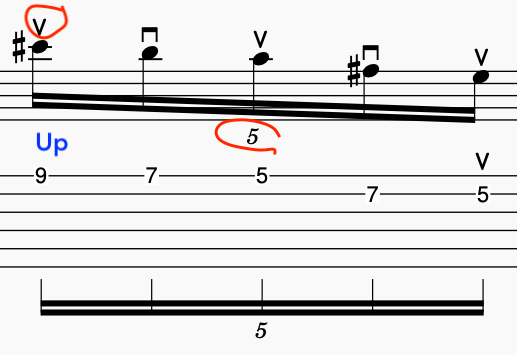
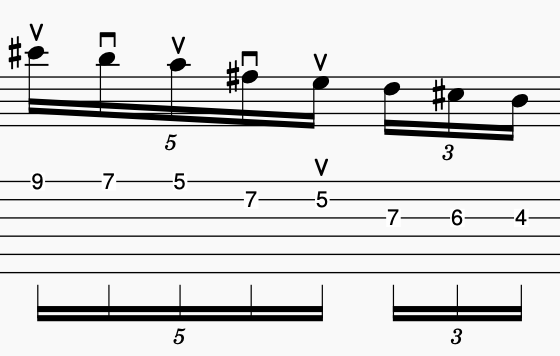
To begin with, let’s take a simple 5 note prime number pattern and alternate pick it.

This will be done starting on an upstroke.

Musical notation featuring alternate picking guitar technique notes on a staff, with markings indicating measures and guitar tablature below, highlighting certain fret positions.
A guitar sheet music notation featuring a simple 5 note prime number pattern with for alternate picking.

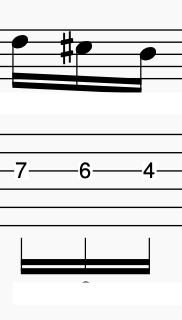
From this simple 5 note pattern, we can move the fretting hand quickly avoiding pressure on the tendons.

Now that we have this let’s add another 3 note prime number pattern.

When these are connected together we have a “Smooth” little phrase of picking and fretting in sync.

Sheet music showing guitar alternate picking tablature with notes and finger placements, including various symbols and measures.
Standard music notation for a combined 5 note and 3 note alt pick pattern on guitar.

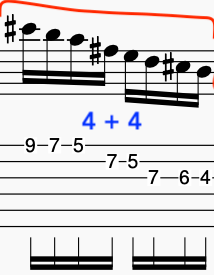
Now, let’s turn the 2 prime number patterns into “Standard” music notation – as 16ths.

Sheet music featuring Shakti McLaughlin guitar tablature with notations and finger positions, including a section labeled '4 + 4'.
Standard music notation for a 5-note prime number pattern as 16ths.

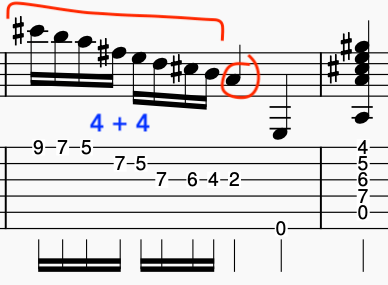
From here, let’s add a chord, so that what we have starts to become/sound like music:

Musical notation with a staff displaying notes, rhythmic values, and a guitar tab indicating specific frets and strings for fretting hand when alternate picking technique is employed.
Shakti/McLaughlin style alternate picking technique on guitar

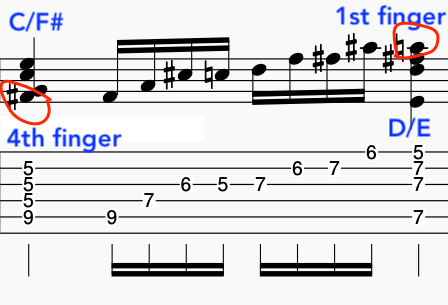
In this example, we will start with a chord and then comfortably play off of that chord ascending and descending into the next chord.

As you can see we have what looks like a bit of a stretch.

But, it is only a barred 2nd inversion C Major triad, with an F# note in the bass on the 4th finger.

The point here is that from that F# note we will start the alternate picking line from that 4th finger as it is already in position.

This makes it easy to do and connect to the next chord as the 1st finger will be in position to play the next chord.

The second part then descends nicely into the last chord of F#+7

Here, is another group of 5 + 3. Again, this is easy to fret and pick, and as before we will start on an upstroke.

Musical notation with standard staff lines showing notes and tablature for guitar, including finger positions indicated by numbers.

The beauty of this is that when we finish the chord on the downstroke it is natural to then go into the opposite direction and descend into another chord connection.

A sheet of music notation featuring notes on a staff and guitar tab indicating finger positions on the guitar.

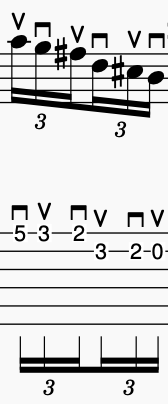
Finally, let’s finish with a much favoured guitar picking pattern that encapsulates 6 notes [Sextuplets]

We will employ our 5 note prime number pattern and add 1 note.

This will give us a nice and quick 6 note sextuplet pattern to execute.

Sheet music showing musical notes, including key signatures and bar lines, along with corresponding tablature for string instruments.

Now, we will shift this up the fretboard as we repeat it.

Sheet music showing John McLaughlin and Al Di Meola guitar tablature and notation with various notes and techniques.
Standard music notation for John McLaughlin/Al Di Meola style alternate picking pattern/exercise

I