Mastering Slash Chords: The B/C Explained

B/C GUITAR SLASH CHORDS GUITAR LESSON AND EXAMPLES

Hi guys,

Today, a quick look at the idea of employing slash chords.

To do this we will focus on one specific chord that of B/C.

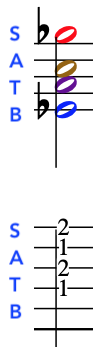
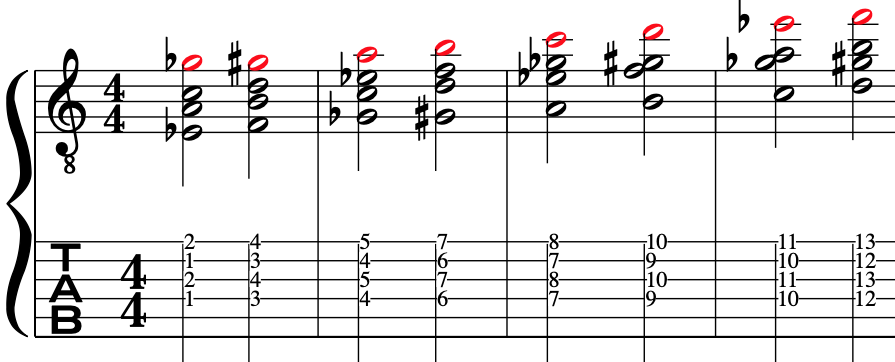
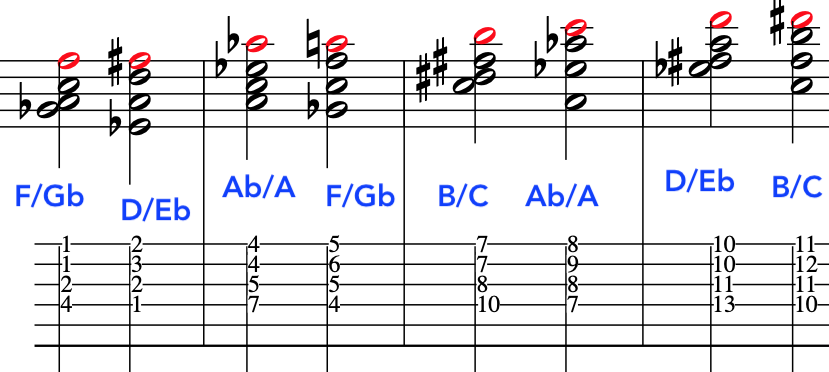
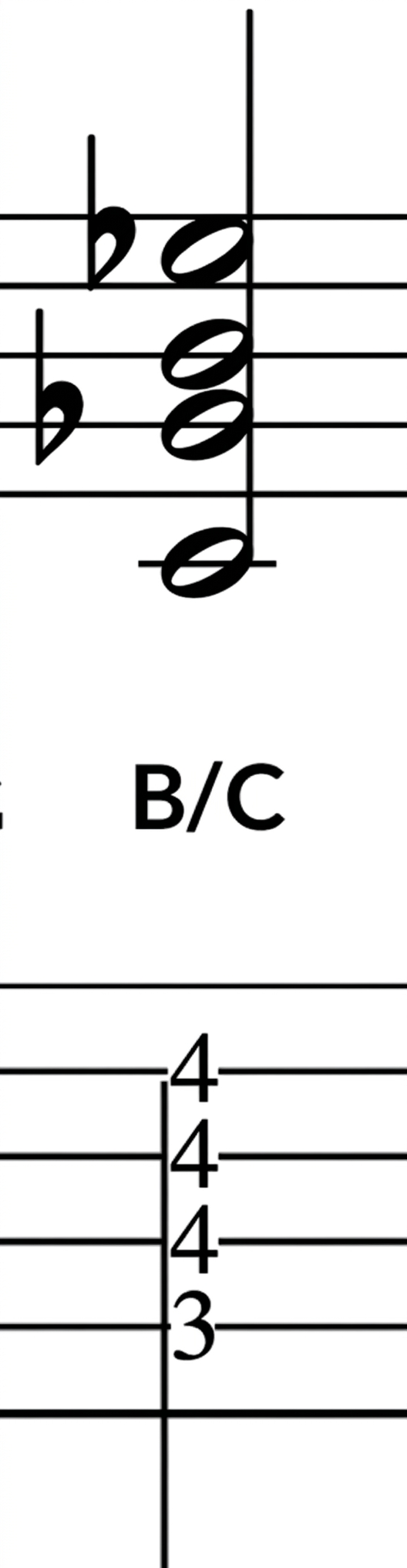
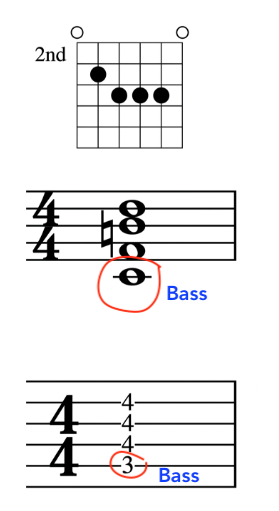
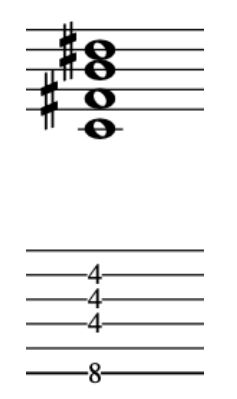
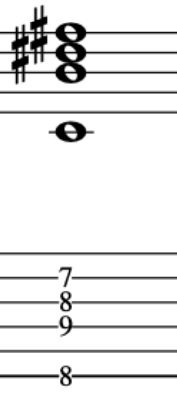
In the notation/tablature below, notice the use of a B Major triad over a C bass:

John McLaughlin guitar Slash Chord B/C Example in TAB and music notation

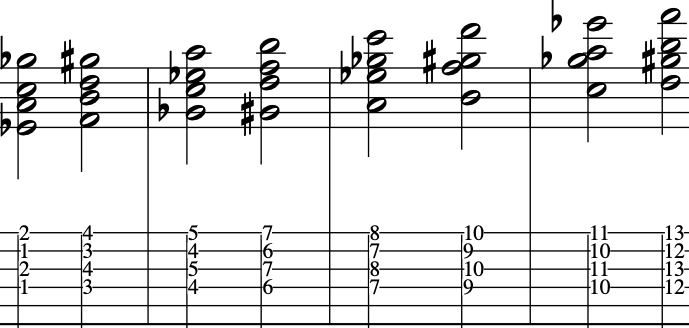
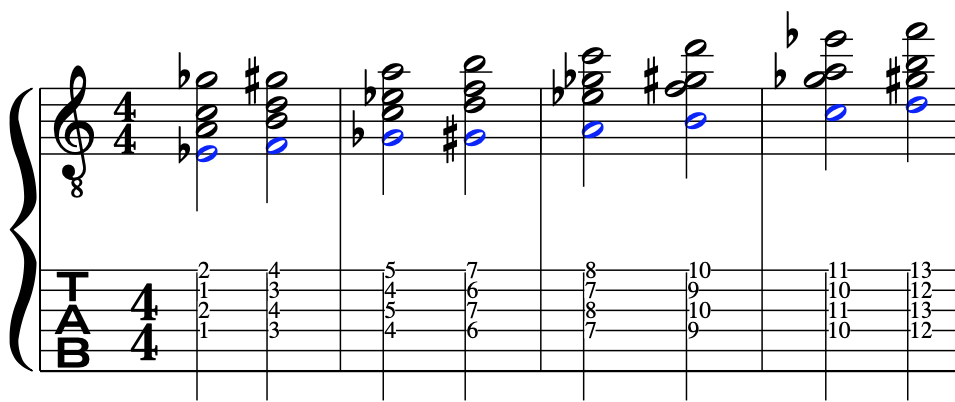
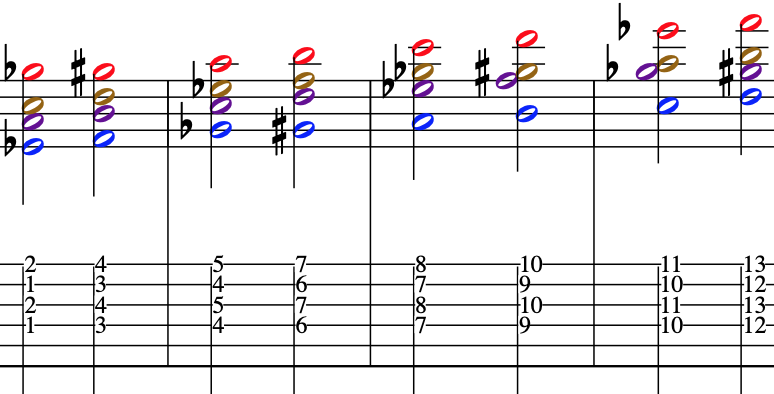
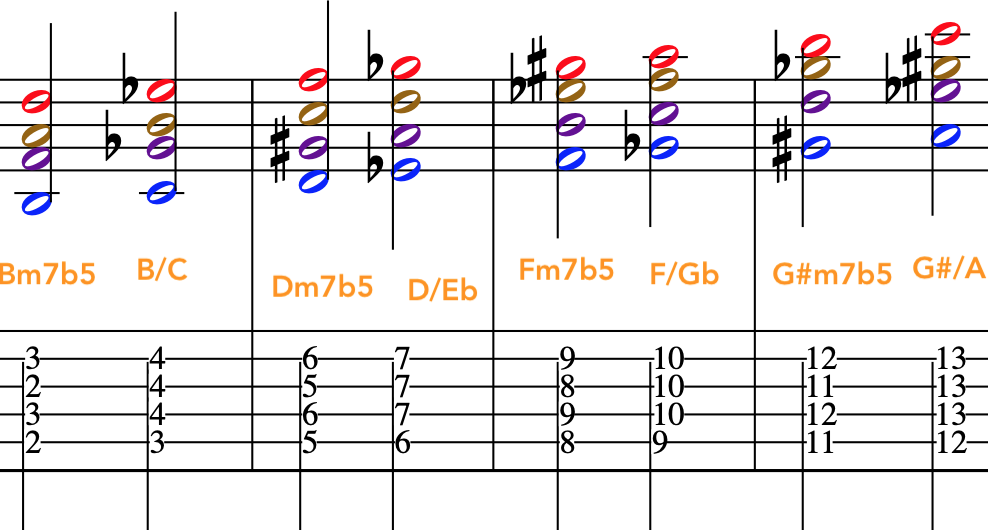
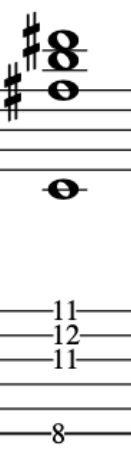
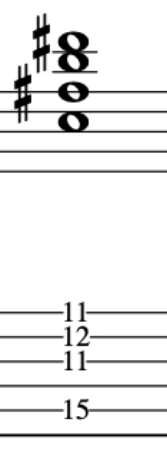
Here, are a few more voicing’s:

1]

2]

3]

4]

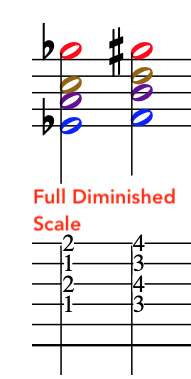
This chord works well with the diminished scale. But, in order to come up with something unique we are going to take a different approach.

Because, we have the B Major chord we can exploit Pat Martino’s minor conversion technique.

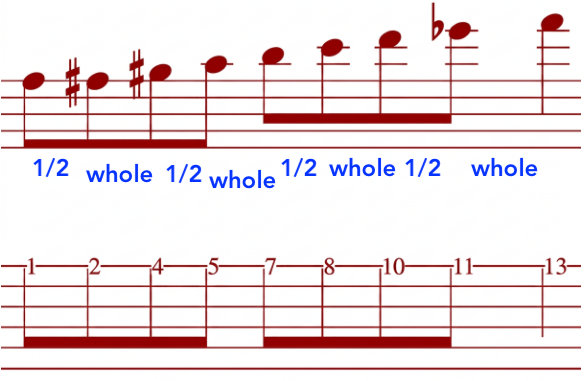
In this case, we will employ the minor a Major 3rd up. This will be D#/Eb as the minor key:

Here, we will employ the simple Eb minor arpeggio:

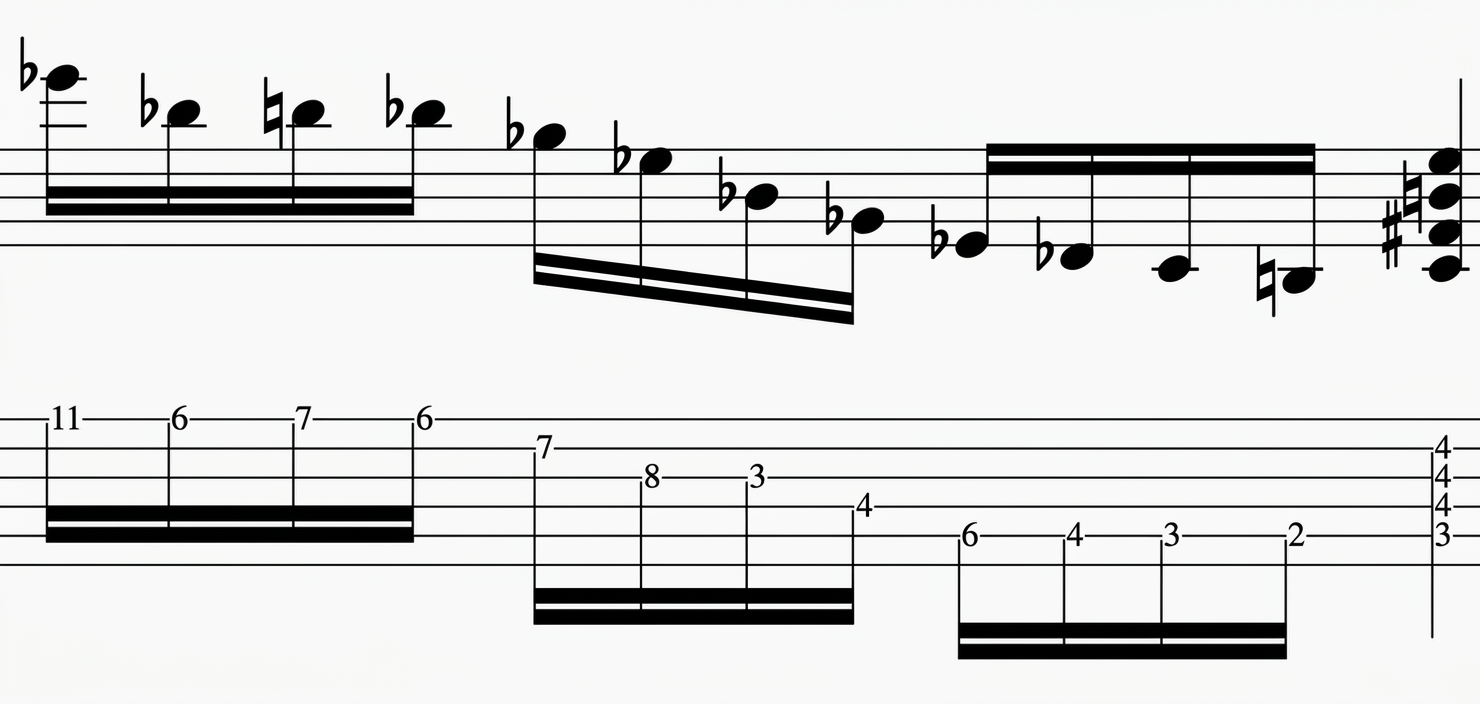
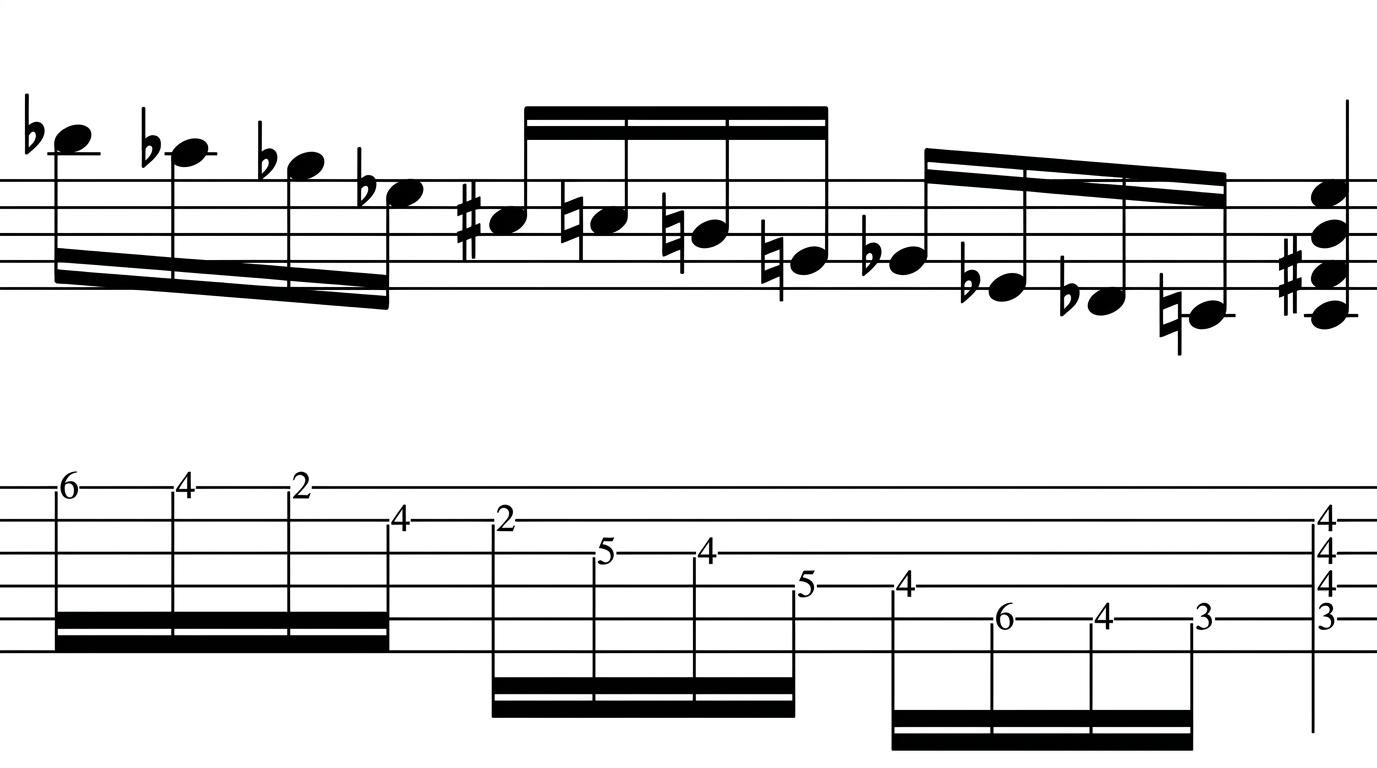
This time, we will employ scale movement inside of the Eb minor arpeggio shape in a horizontal form.

diagram depicting guitarist John McLaughlin improvisation over Slash Chord B/C Example in music notation and guitar tablature

Let’s do the same, but, play with the notation and give it a diminished flavour:

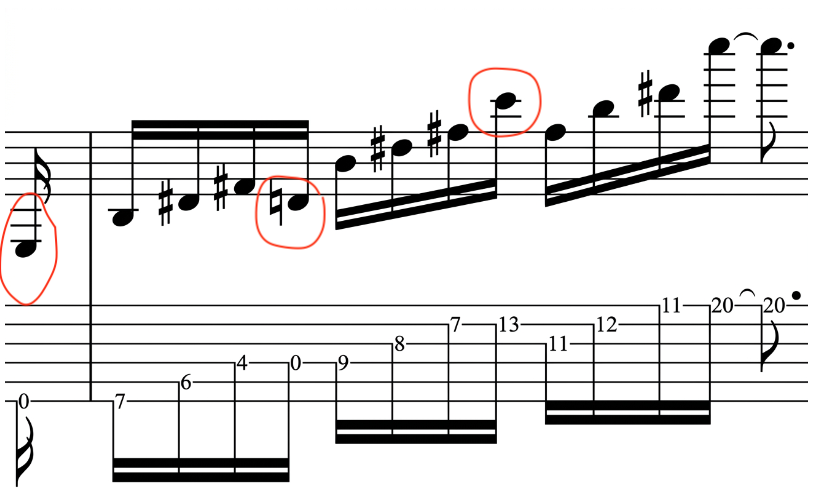
Now, let’s take a B Major arpeggio and ascend it by making sure our C bass note is within it.

NOTE: There are also two open string notes of D natural [minor 3rd] and the open E. I used these as they make the arpeggio flow easily when alternate picking.

How to play a John McLaughlin guitar arpeggio example for altered slash chord of B/C

We can also add some chromaticism for smooth movement.

Finally, let’s see how composition can be exploited with our slash chord.

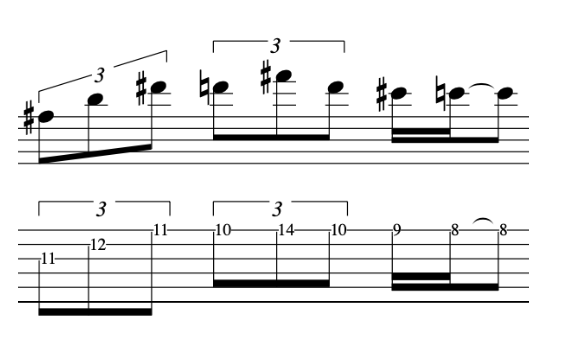
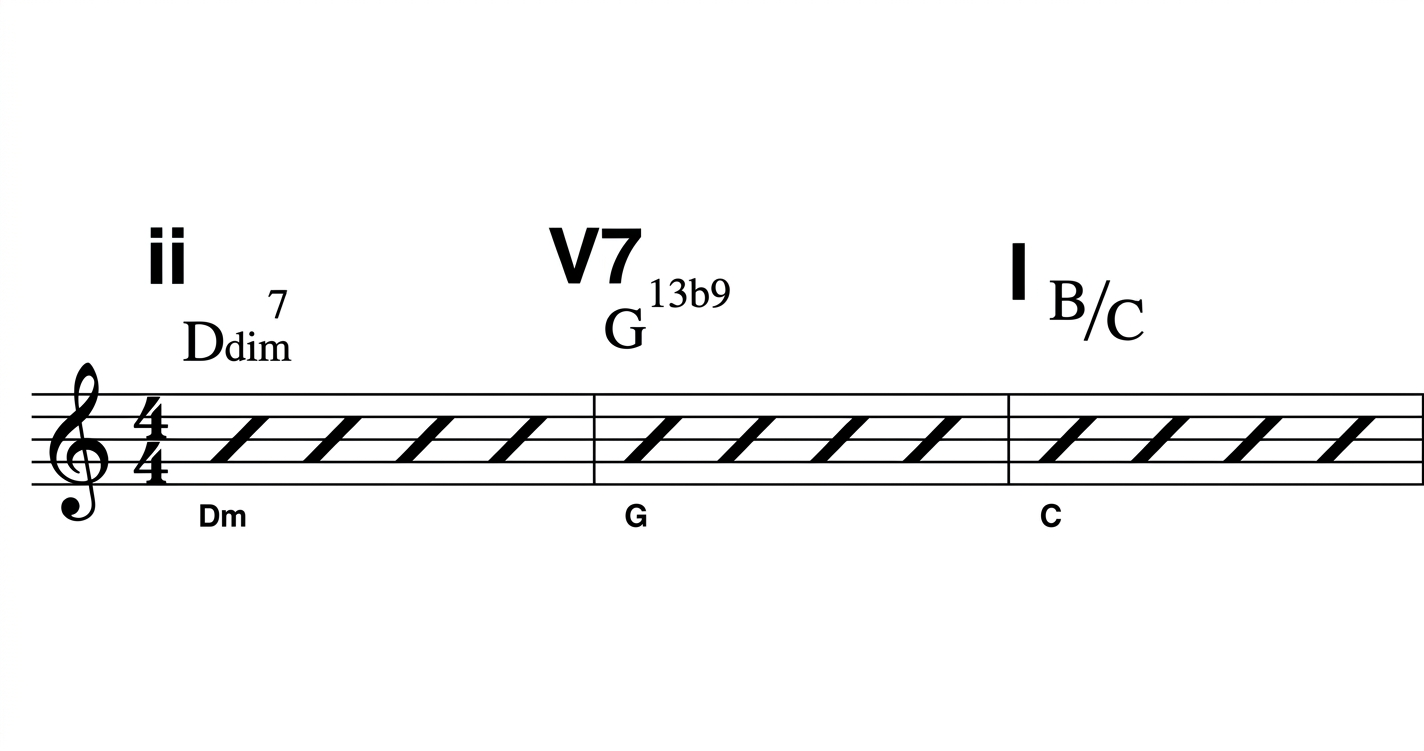
To do this, we will create a ii V7 I cadence:

diagram depicting guitarist John McLaughlin cadence and jazz composition

NOTICE: In the example above, we can see that the minor becomes diminished and the Dominant becomes 13b9 and the I chord becomes our slash chord that resolves yet hangs in the air.

Blue in Green Chords:John McLaughlin Guitar Voicing’s

Hi Guys,

Today, a look at the unique chord voicing’s of John McLaughlin’s take on the Bill Evans/Miles Davis classic tune “Blue in Green”.

These, are taken from Rob Carroll’s transcription from live at the Royal Festival Hall London album.

Here, are the chord voicing’s with the odd variation.

The first chord voicing has a barred shape that has the 4th finger fret the high note of G

Musical notation image showing John McLaughlin guitar chord voicing of D minor 11. Diagram highlighting essential chord notes.
Chord diagram for Dm11, illustrating finger placements and positions on the guitar fretboard.

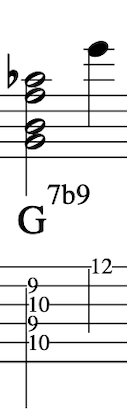
From here, we have a lovely G7b9 chord voicing.

Musical notation depicting a John Mclaughlin G7b9 guitar chord voicing with corresponding fret numbers and tablature.
Chord voicing for G7b9 featured in John McLaughlin’s interpretation of ‘Blue in Green’.

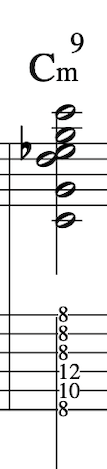
This shape then falls nicely into the Cm9 shape,

Chord diagram for C minor 9 (Cm9) with finger positions shown on guitar strings for  John McLaughlin's interpretation of 'Blue in Green'.
Chord voicing diagram for Cm9 used in John McLaughlin’s interpretation of ‘Blue in Green’.

From here, we have one of John’s favourite chords the 13b9. [In this case it is F13b9]

Chord diagram for F13b9 with chord tones indicated on a guitar fretboard.  John McLaughlin's guitar chord voicing for 'Blue in Green'.
Chord diagram of F13b9, showcasing the voicing for this jazz chord.

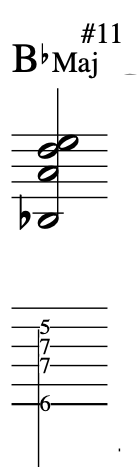
This leads us nicely to BbMaj#11

Music notation for B♭ major chord including #11, with tablature for guitar showing frets 5, 7, and 6. John McLaughlin's chord for Blue in Green
B♭Maj#11 chord diagram, illustrating its unique voicing in the context of jazz guitar.

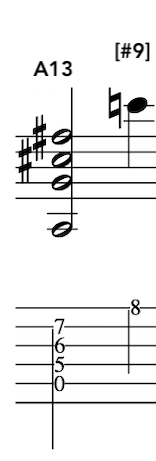
The next chord is A13 where the C natural note is then added creating A13#9

Sheet music showing the A13 chord notation and tablature, featuring notes and finger positions.
Chord diagram for the A13#9 chord, showcasing its unique voicing.

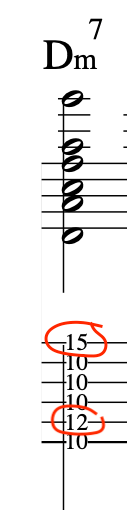
Once again, we have a barred chord with quite a wide stretch,

Musical sheet notation showing John McLaughlin's  D minor 7 chord with numbers 12 and 15 circled in red for blue in green.
Chord diagram for Dm7 showcasing finger placements and fret numbers.

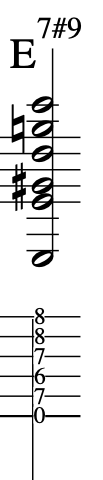
Now we employ the classic 7#9 chord. In this case it is E7#9

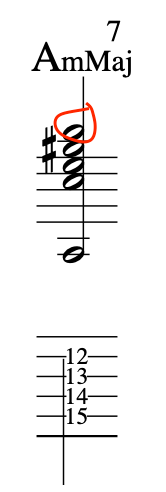
And finally, we cadence to a lovely AmMaj7 with a 9th voicing

Guitar chord diagram for AmMaj7, showing finger placement on the fretboard with labeled frets for John McLaughlin's Blue in Green guitar chords..
Diagram illustrating the AmMaj7 chord with a 9th voicing for enhanced tonal richness.

OTHER VAIOUS CHORD VOICING’S USED IN DIFFERENT VERSES:

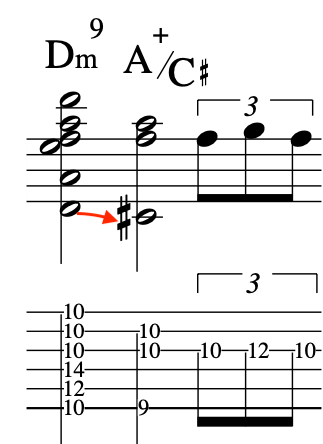
Here, we have another voicing for Dm9 with the bass resolving a half step to a 1st inversion A+ chord:

Musical sheet displaying the chords Dm9 and A/C# with a highlighted sharp note indicated by a red arrow.
Chord voicing for Dm9 leading to A/C# in a guitar lesson.

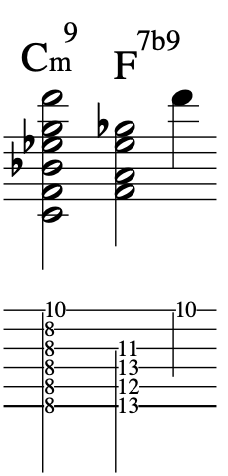
Here we have another simple barring chord for Cm9

Musical notation showing Cm9 and F7b9 chords on staff, with corresponding fretboard diagram for guitar.
Chord voicing for Cm9 and F7b9 in the context of John McLaughlin’s interpretation of ‘Blue in Green’.

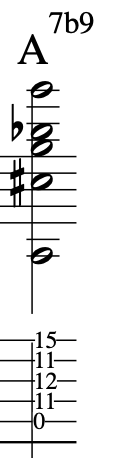
The next voicing, is a lovely A7b9 voicing that resonates beautifully on the guitar

John McLaughlin's guitar chord diagram for A7b9 guitar chord showing finger positions and fret numbers.
A7b9 chord voicing for John McLaughlin’s Blue in Green guitar chords

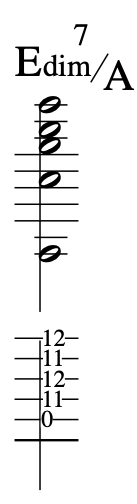
This falls naturally into a diminished 7th voicing

Musical notation for E diminished seventh chord over A, showing finger placements for guitar.
Chord diagram of E7 diminished/A, showcasing a complex voicing that requires a wide stretch on the guitar.

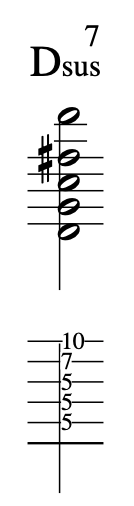
This chord is probably the most difficult as it requires a wide stretch. [Please see video above for safe detailed fretting explanation]

John McLaughlin's blue in green Chord diagram for D7sus with tablature indicating finger placement on guitar.
Chord diagram for Dsus7, highlighting its voicing and finger placement.

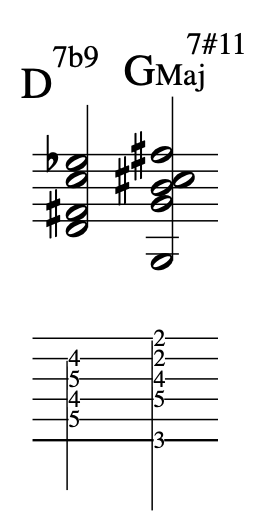
To complete this verse we have a nice colourful cadence

Sheet music displaying the D7b9 and GMaj7#11 chord notations with corresponding finger positions on a guitar fretboard.
Chord voicings for D7b9 and GMaj7#11, including fretboard diagram.

Fusion Guitar Chords of John McLaughlin Part 2

CLICK SUBSCRIBE!

Chords of guitarist John McLaughlin Lesson and Examples

IMPORTANT: Please watch video above for detailed info:

Hi Guys,

Today, we will look at some more Modern Jazz Fusion Chords.

These are primarily based around a Major Triad [played] over a different bass note: Commonly called “Slash” chords.

Here, are some essential common slash chords employed in/for reharmonisation.

The first chord we will investigate is the tri tone concept of C/F#.

This unique voicing creates a colourful dissonant timbre.

In this example we have a 2nd inversion triad of C Major played over an F# bass note.

Slash chord diagram for C/F# with tablature and finger positions for tri tone  substitution for guitar
Chord diagram and tablature for the C/F# slash chord, highlighting its bright voicing and tritone

Next, we will examine the most common slash chord type.

This is the 7 Sus 4 chord. And, in this case it will be C/D. They may be played in succession or as a substitute for a dominant chord. [for example C/D instead of D7]

This type of chord is heard a lot in pop songwriting, but is also highly prominent and best known for the sequence in Herbie Hancock’s composition “Maiden Voyage”.

Maiden Voyage Herbie Hancock 7sus Chord Example

Here, is the guitar voicing with a root C Major chord over a D bass.

Slash chord diagram for C/D as a dominant guitar chord, showing fret positions and finger placements.
Guitar chord diagram illustrating the C/D slash chord for modern jazz fusion.

The next chord is the classic Dominant 7th in its 3rd inversion.

Generally in Fusion these chords do not resolve and/or are played once again in succession.

For, our example we will employ a triad of D Major with it’s 7th [C] in the bass

Slash chord diagram for D/C 3rd inversion dominant guitar chord with finger placements indicated.
D/C slashchord diagram illustrating voicing and finger placement for guitar.

Next up, we have one of John McLaughlin’s favourite Slash Chords.

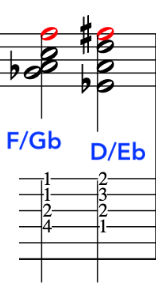
This is an Eb triad over an E [up 1/2 step] bass. [This is also known as a13b9 that works well with the diminished scale].

Slash chord diagram for Eb/E with finger placement indicated on a guitar fretboard.
Slash chord diagram illustrating the Eb triad over an E bass note by jazz guitarist John McLaughlin.

Here, we have an interesting chord that is also a favourite of the late great jazz guitarist Pat Martino.

With the open E note resonating in the bass this produces an extremely beautiful set of tone colours in one chord.

Guitar slash chord diagram for FMaj7b5/E with finger positions indicated on the fretboard.
Slash chord diagram depicting Fmaj7b5/E on guitar for modern jazz fusion.

In order to create that big ethereal/dissonant sound let’s exploit John Mclaughlin’s unique nylon string guitar voicing.

This is a B Major triad over a C Bass. [This also works well with the open E string ringing out].

Musical slash chord diagram for B/C showing finger placement and tablature below.
Slash chord diagram illustrating the B/C chord voicing for guitar, showcasing positions and finger placements.

Finally, we will manipulate another tri-tone voicing:

This will be a less bright but highly resonant sound with a root F# triad over a low G bass note.

Slash chord diagram for F#/G showing finger placement on the guitar fretboard.
F# triad diagram over a low G bass note for creating a slash chord

Okay, you might ask. What do we do with these chords?

How to we compose with them?

Re- harmonise with them?

Actually use them?

Well, firstly, lets take a basic/common chord sequence like,

iii Vi ii V7 I

Musical notation showing a progression with slash chords Em4, C Maj7, Am7, Dm7, G7, and C Maj7, labeled with functional harmony indicators I, Vi, ii, V7.
Slash chord modern fusion substitutions and reharmonisation

For the first chord we will employ a C6/9, but, we will only use the E A D G tones and create a “Quartal” sound.

From here we will move a tri-tone away from the Am7 chord and employ an Eb triad. We will still establish the dominant in the bass by employing the 5th note of Am7, [the note E] hence we have Eb/E.

For chord ii [Dm7] we will have a C triad over an F bass note acting as a First inversion Dm7 chord. [You could also think of this as having an added 9th and 11th]

The dominant chord will now have the dominant root in the bass with a Db Major triad, [a flat 5th/tri-tone away] on top in the treble.

This then returns to the CMaj 6/9 tonic chord

Below is another example:

Notice, the reharmonisation and how the basic chords are exploited with colourful slash chords.

Sheet music featuring slash chord progressions including Eb/E, B/C, Db/B, and V7 in a 4/4 time signature.
Example of reharmonisation using colorful slash chords in a blues 12-bar structure.

THE BLUES

To complete this, let’s put them into a blues 12 bar structure [turn around] so that you can clearly see how to create composition from them:

Sheet music example illustrating blues slash chord substitutions and harmonic progressions, including D6/11/E, G6/11/E, and various chord changes.
Blues chart example showcasing slash chord substitutions and harmonic rhythm in a 12-bar structure.

From the above chart notice that the first 4 bars are more of a long drawn out affair in the tonic key. Next, this is repeated in a similar fashion [or a variation] with chord IV of the key.

But, in the last four bars we exploit the harmonic rhythm to create drama and turn the music around.

Musical score showing various slash chords and their relationships, including ii, V7, iii, and Vi chords.
A blues chart showcasing various slash chord progressions, highlighting ii, V7, iii, and Vi patterns.

Sheet music chart illustrating blues slash chord substitutions with examples in key of E, featuring sections labeled I, IV, and various chords.
Blues chart example showcasing substitutions and slash chord progressions.

IF THIS LESSON WAS OF USE TO YOU THEN PLEASE SUBSCRIBE TO US BELOW ON YOUTUBE, THANKS!