Jared E Davis: “Atonal Improvisation and Jazz” Techniques Explained

Jared E Davis Atonal Improvisation and Jazz music examples and analysis

Hi Guys,

Today, a quick look at “Atonal improvisation and jazz” book by Jared E Davis.
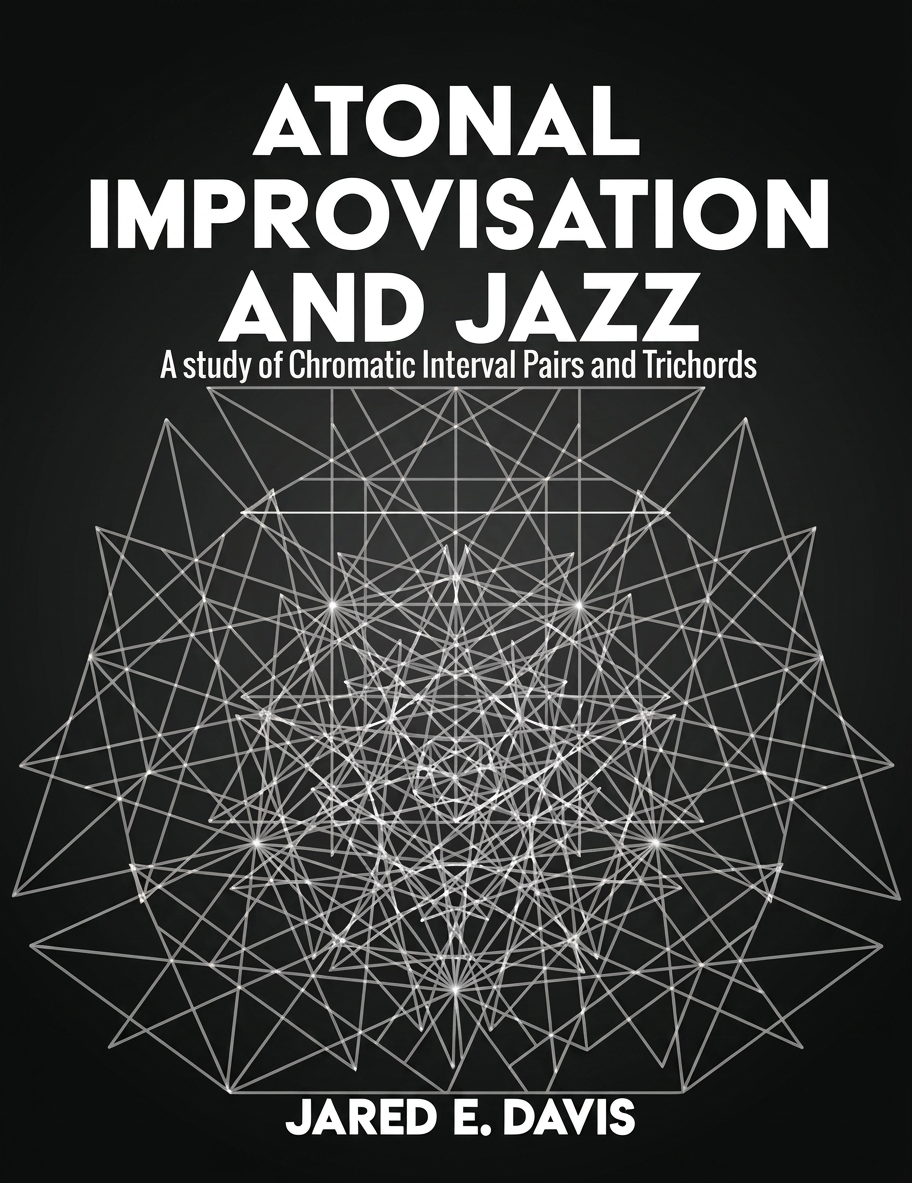
Atonal Jazz analysis with examples from webpage
Jared E Davis Atonal Improvisation and Jazz

Please note: This Blog won’t contain a Pdf download due to any copyright infringement.

Jared’s book, is similar in some ways to John ‘O’ Gallagher’s book 12 tone improvisation
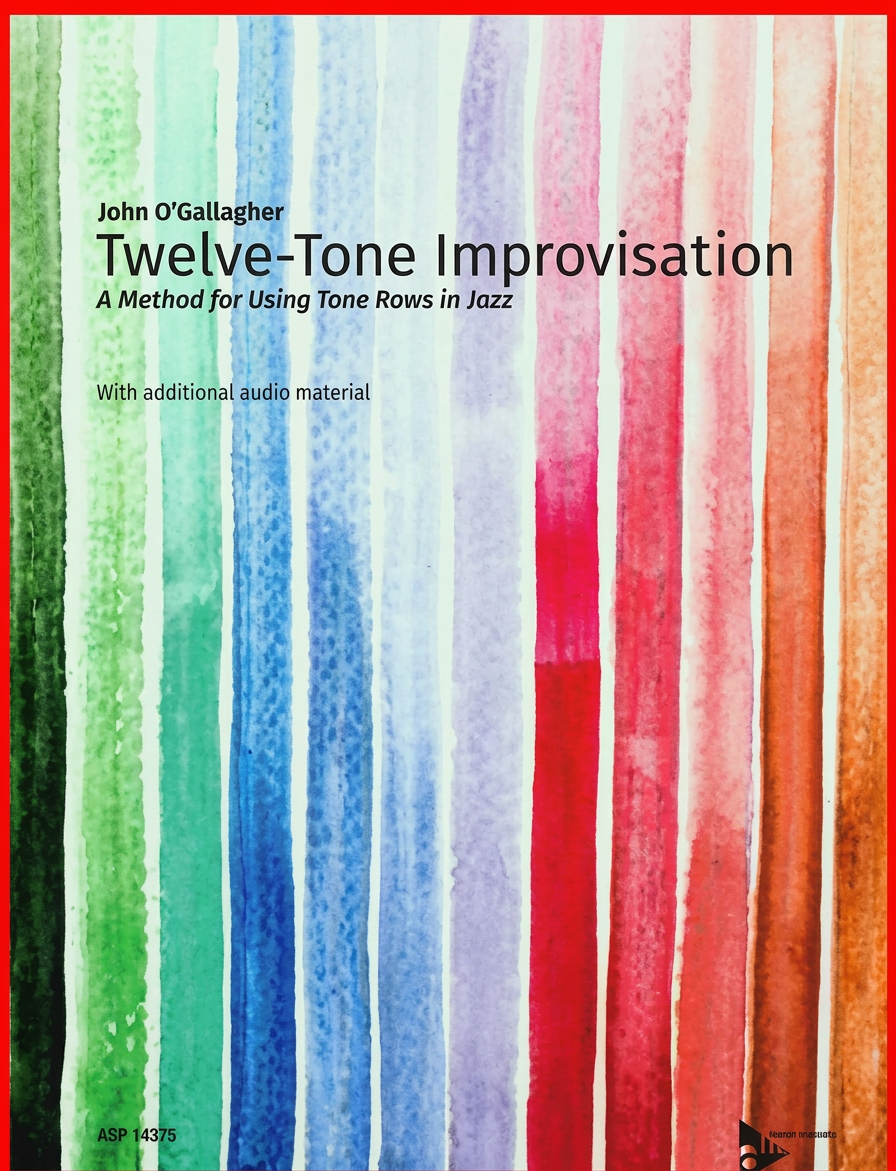
12 tone improvisation book John ‘O’ Gallagher

But, also differs due to being atonal [interval pairs] and not 12 tone.

This concept works with the 12 chromatic notes.

So, for example if we were to start on the note C it would be,

C=O C#=1 D=2 D#/Eb=3 E=4 F=5 etc.

Resulting in a minor 3rd =3 or a Major 7th = 11 or Unison = 0 etc.

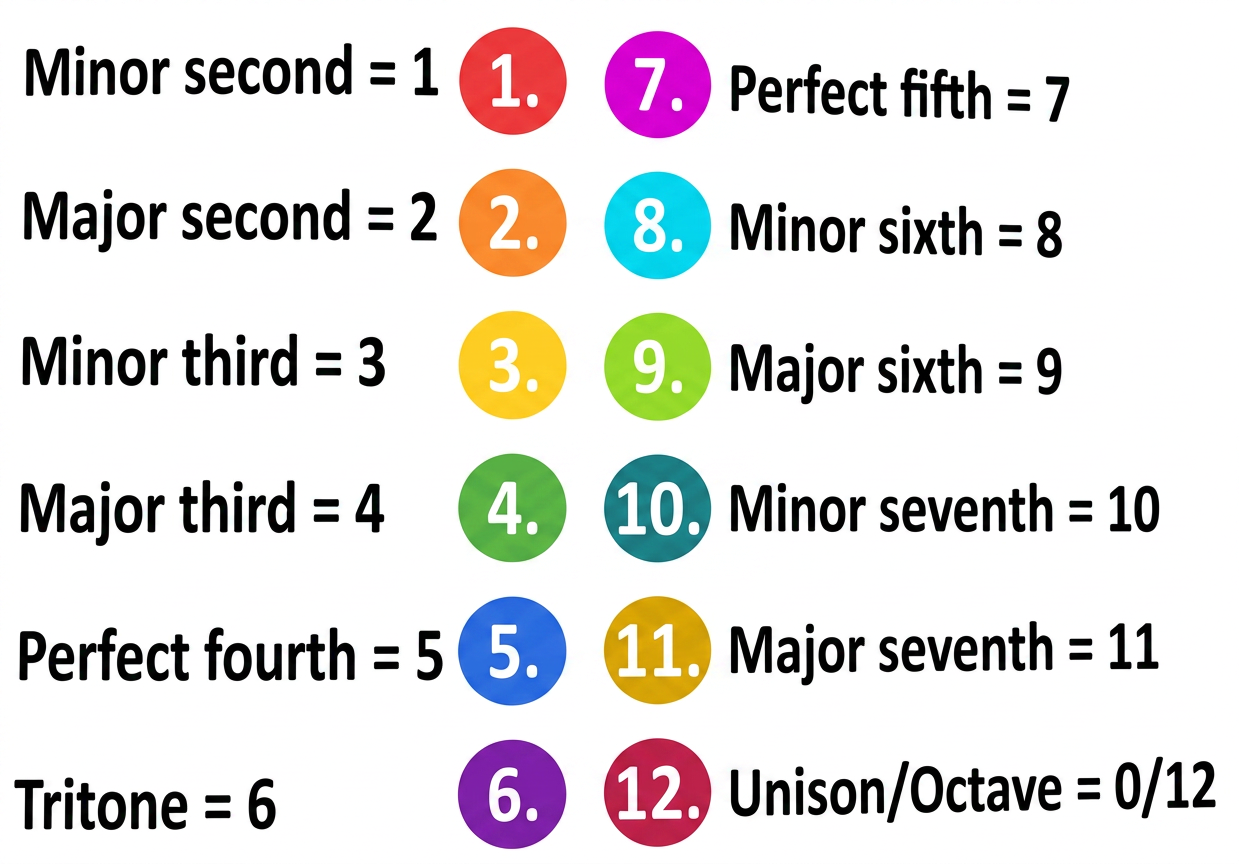
We are just counting the minor 2nds/semitones as in the chart below:

Jared E Davis Atonal Improvisation and Jazz

If we were to have singular intervals like 11111 etc, we would end up with a chromatic scale:
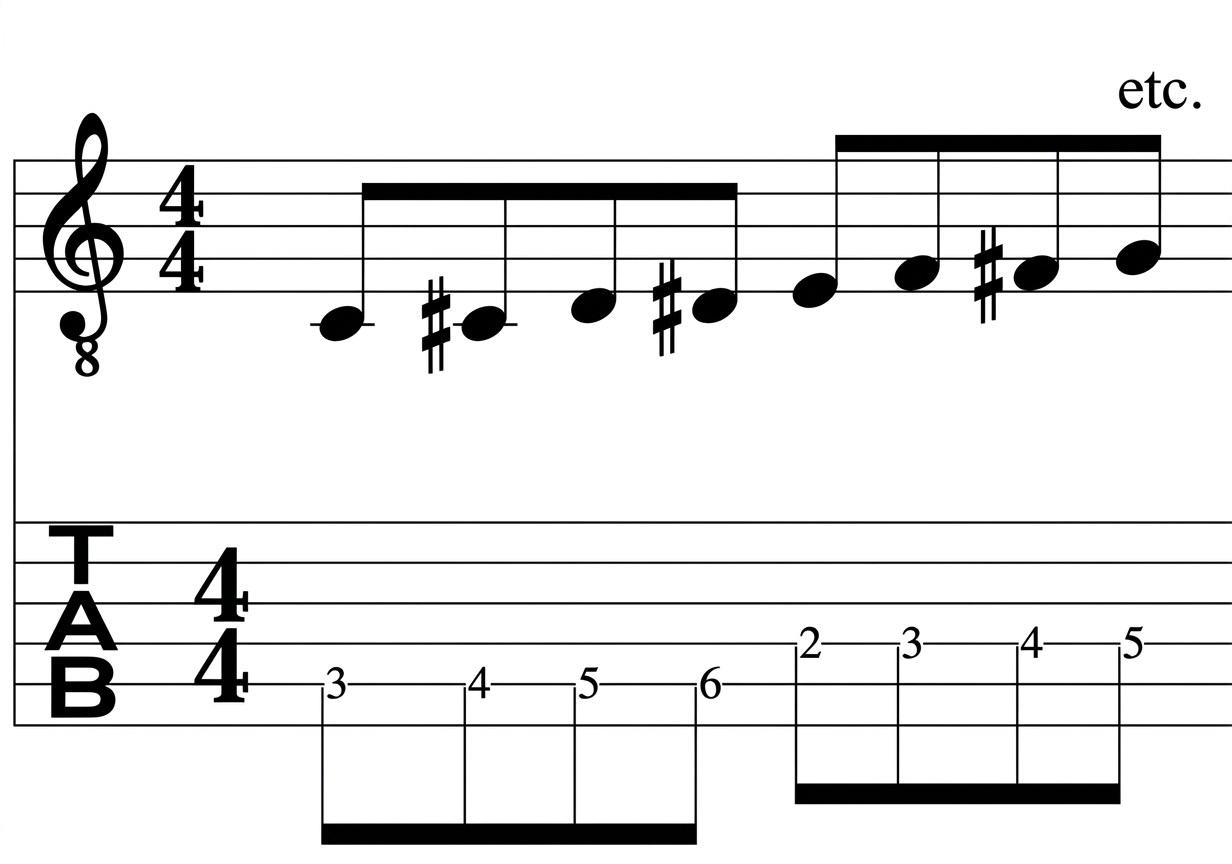
Jared E Davis Atonal Improvisation and Jazz

Or, for example, 3333 we would end up with Diminished 7ths:
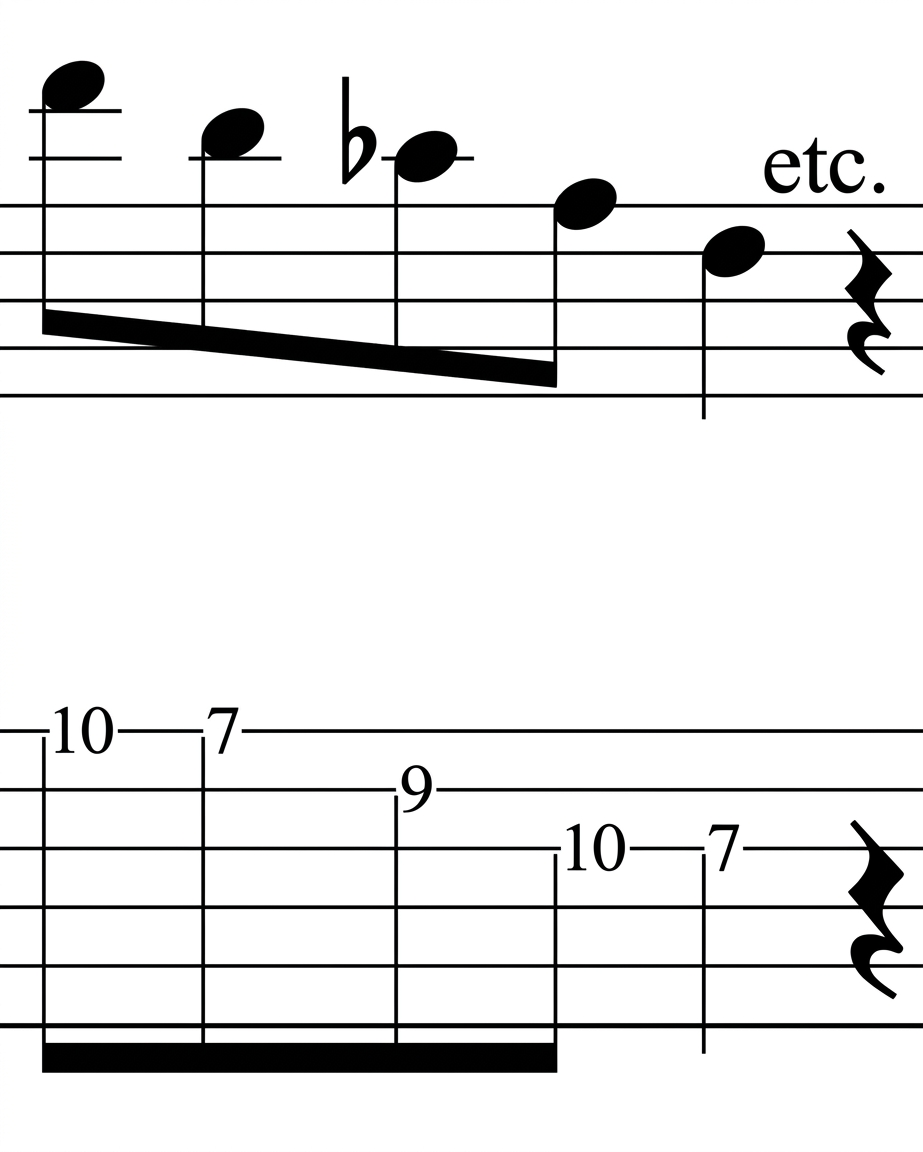
Jared E Davis Atonal Improvisation and Jazz

Below, is a list of techniques explained:
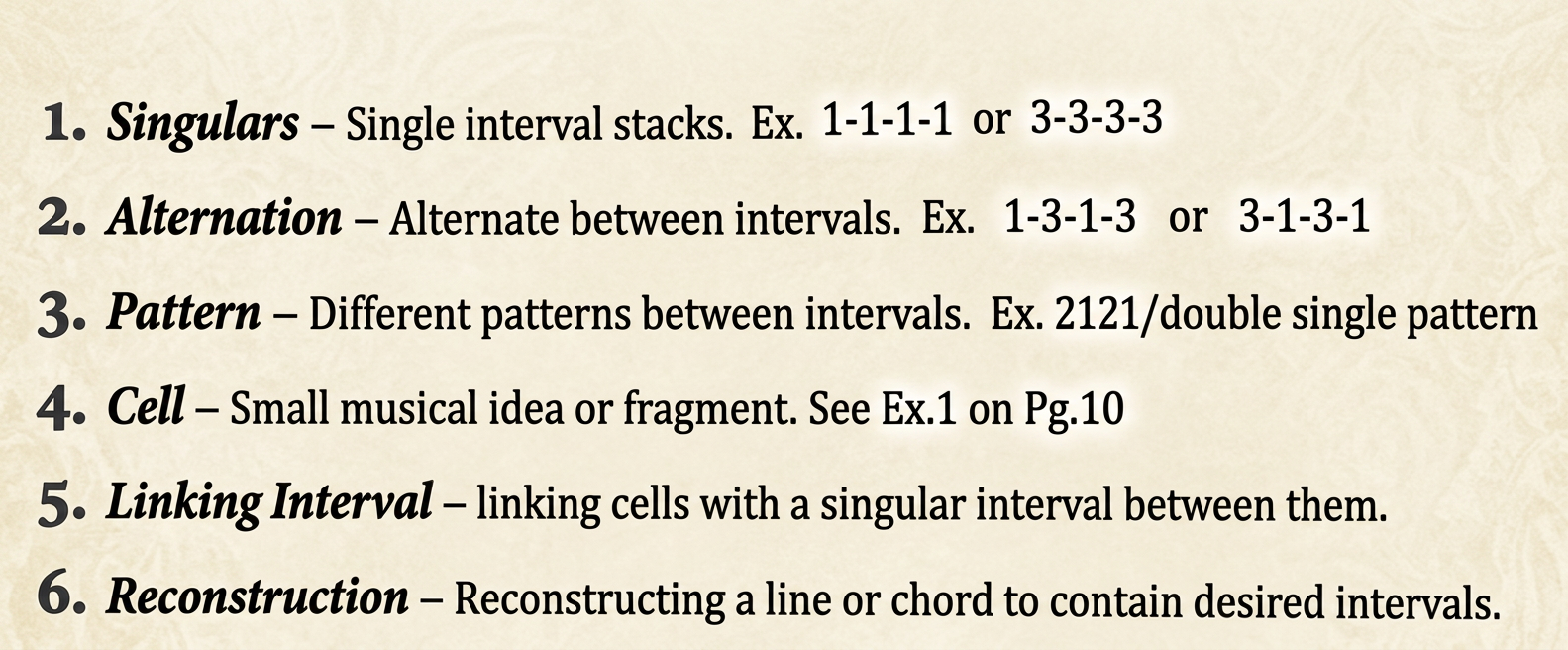
Jared E Davis Atonal Improvisation and Jazz

In this blog in order to avoid any copyright infringements I am going to look at interval pairs in the main.

In order to get really fluid with this it’s a great idea to write an etude.

But, before we can do this we need to learn/practice an etude already prepared.

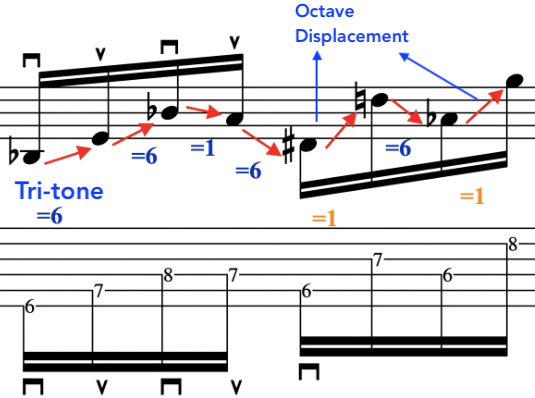
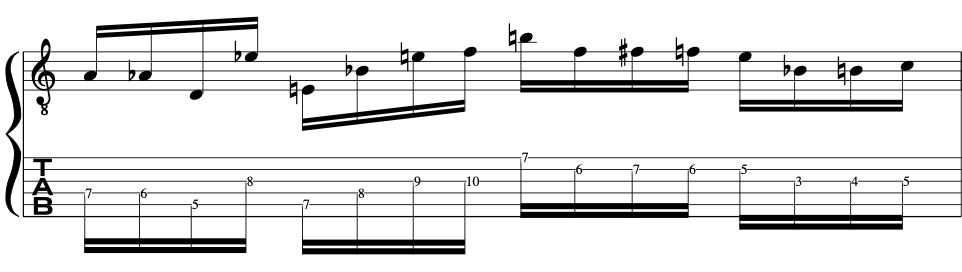
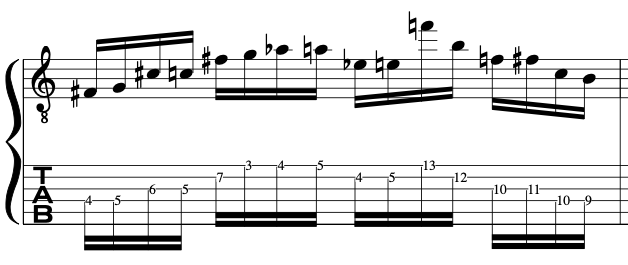
So, in this case I am going to take one from the book which consists of the interval pair 1-6

In this example we will master 1= minor 2nd and 6= Tritone

Music notation depicting Atonal Improvisation and jazz book by Jared E Davis. Musical examples and demos with music theory analysis. Complete lesson for atonal improvisational music techniques.

From the example above we can see our interval pair of 1-6 in action.

Notice also, where there =1 it can be inverted to/create octave displacement.
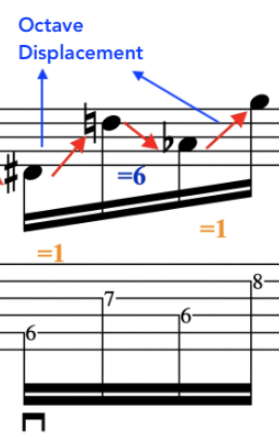
Example of Atonal Improvisation and jazz book by Jared E Davis. Musical examples and demos with music theory analysis. Complete lesson for atonal improvisational music techniques.

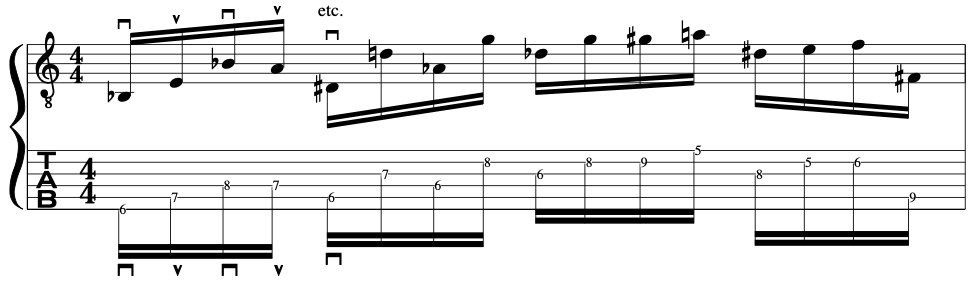
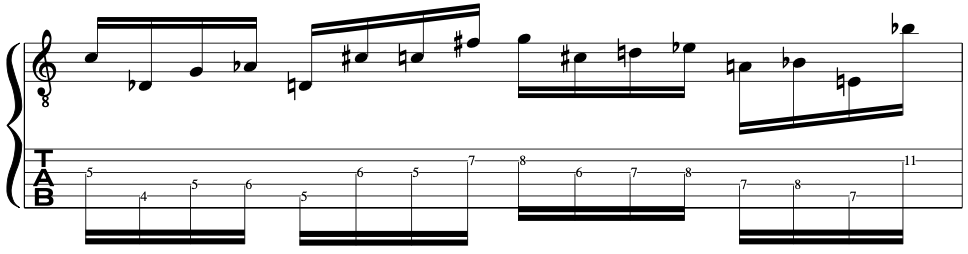
Below, is the full etude that I have starting on a down stroke for strict alternate picking.

An example of tonal Improvisation and jazz book by Jared E Davis. Musical examples and demos with music theory analysis. Complete lesson for atonal improvisational music techniques.
Example of Atonal Improvisation and jazz book by Jared E Davis. Musical examples and demos with music theory analysis. Complete lesson for atonal improvisational music techniques.
Atonal Improvisation and jazz book by Jared E Davis. Musical examples and demos with music theory analysis. Complete lesson for atonal improvisational music techniques.

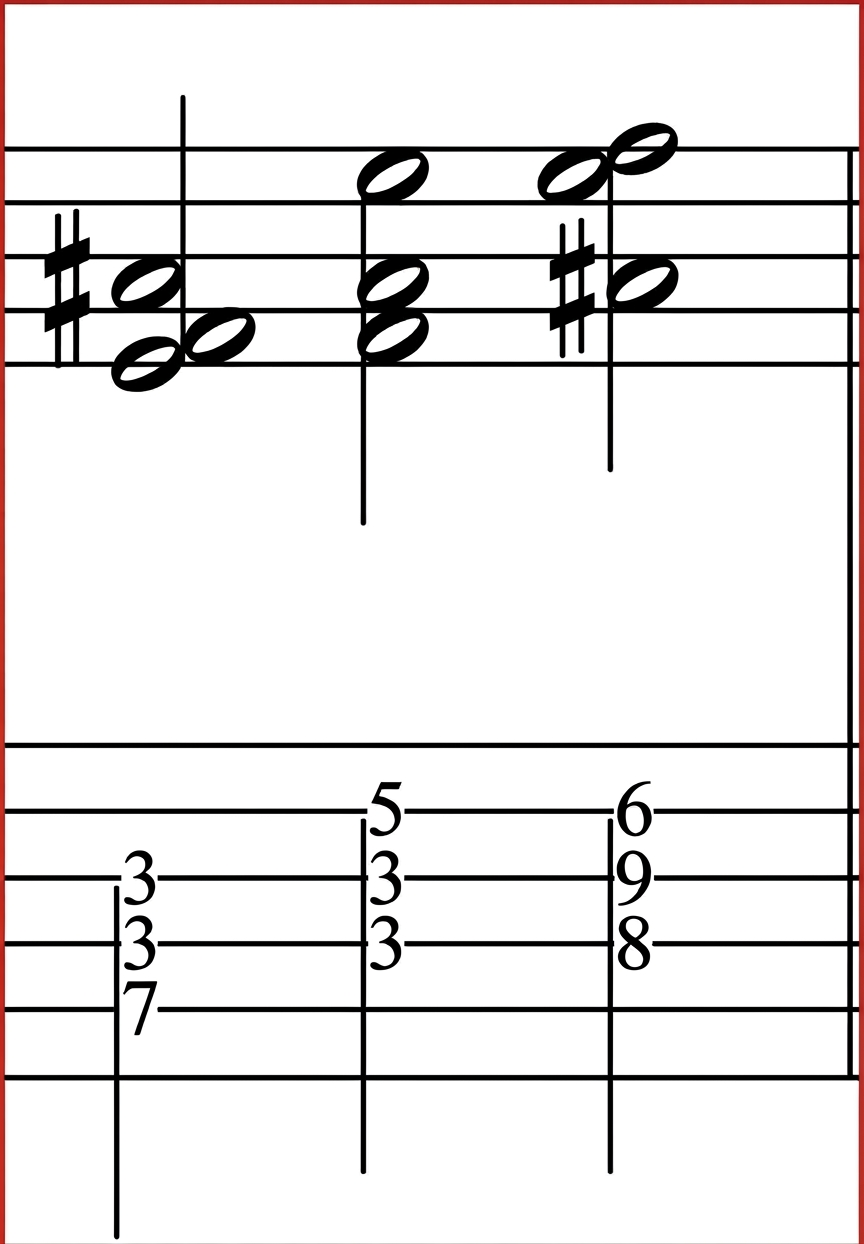
We can also build some amazing chords from atonal techniques.

I am going to look at a couple of Tri-Chords. [Although, we can create, tetrachords and pentachords etc].

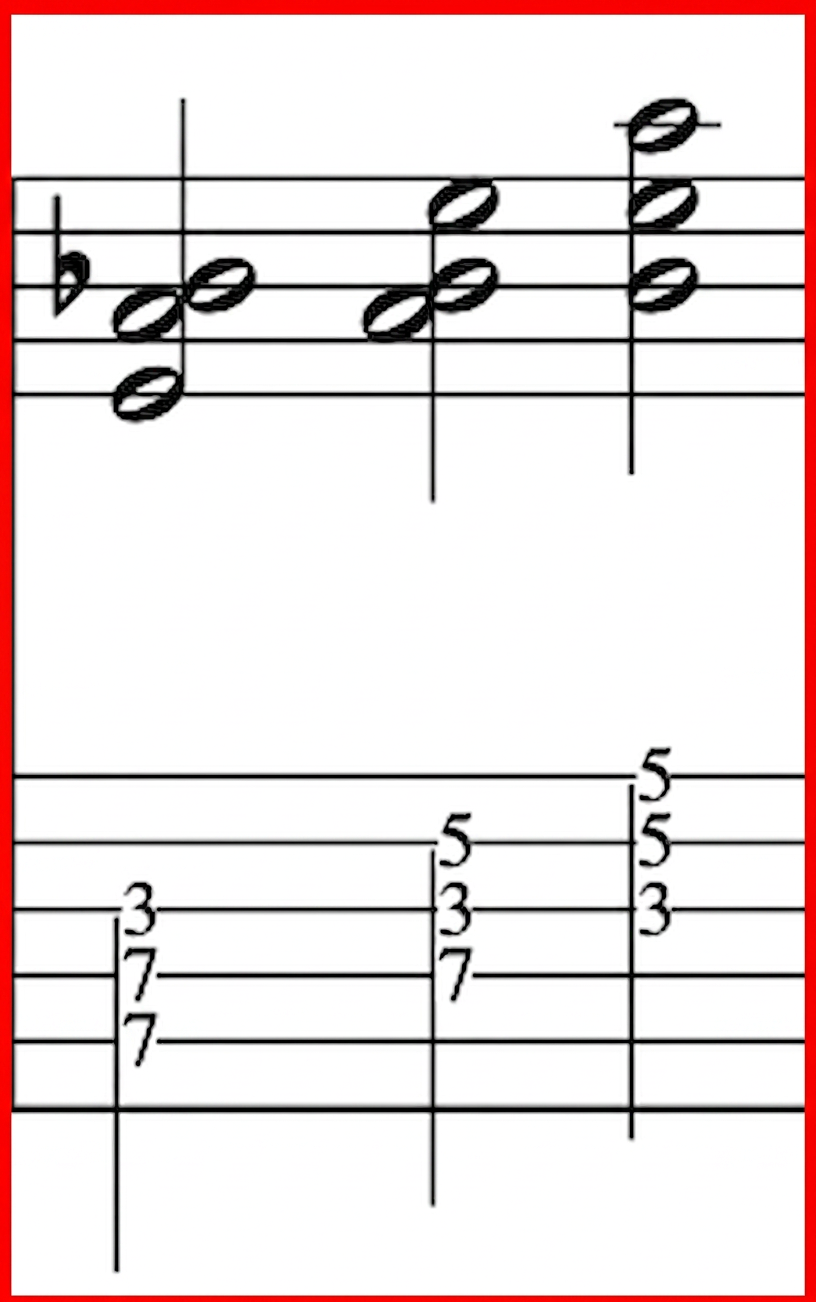
Let’s now apply this to a ii V7 I cadence:

Again, sticking to our minor 2nd and tritone 1-6 interval pairs from our Etude:
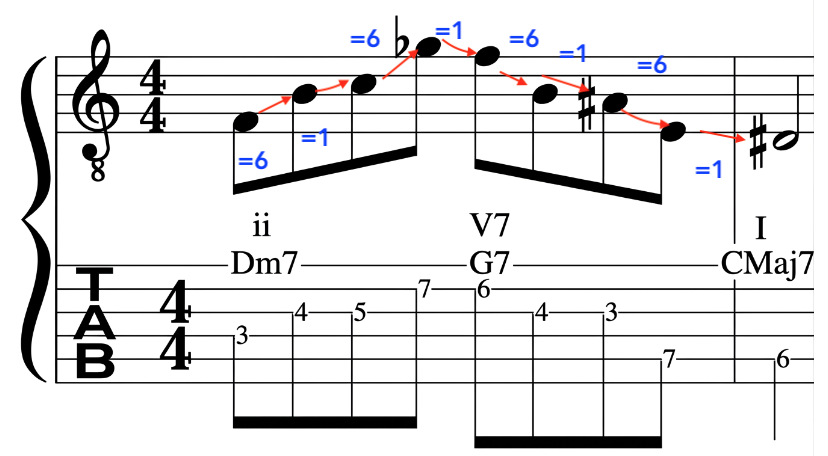
ii V7 I Atonal Improvisation and jazz book by Jared E Davis. Musical examples and demos with music theory analysis. Complete lesson for atonal improvisational music techniques.
Jared E Davis Atonal Improvisation and Jazz ii V7 I 1-6 Cadence Example

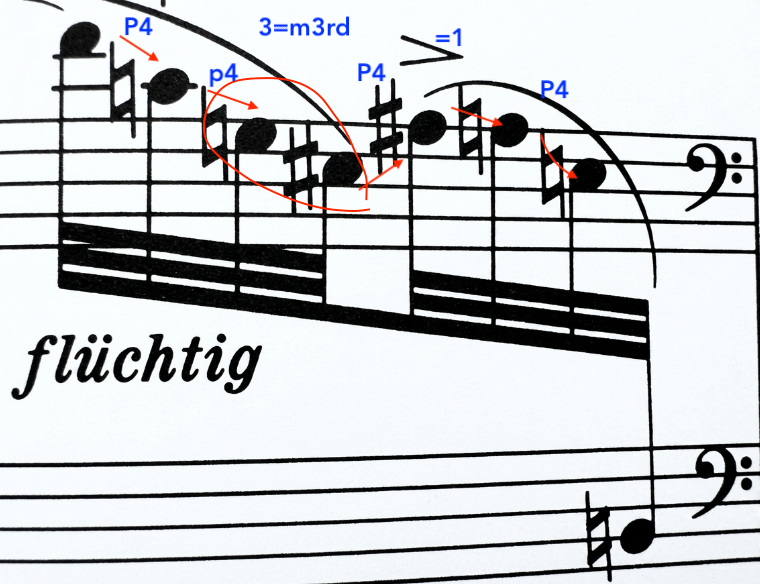
Lastly, here is a couple of real life examples by the great composer Arnold Schoenberg.

Interval Pair 1-5 [Perfect 4th and minor 2nd]:
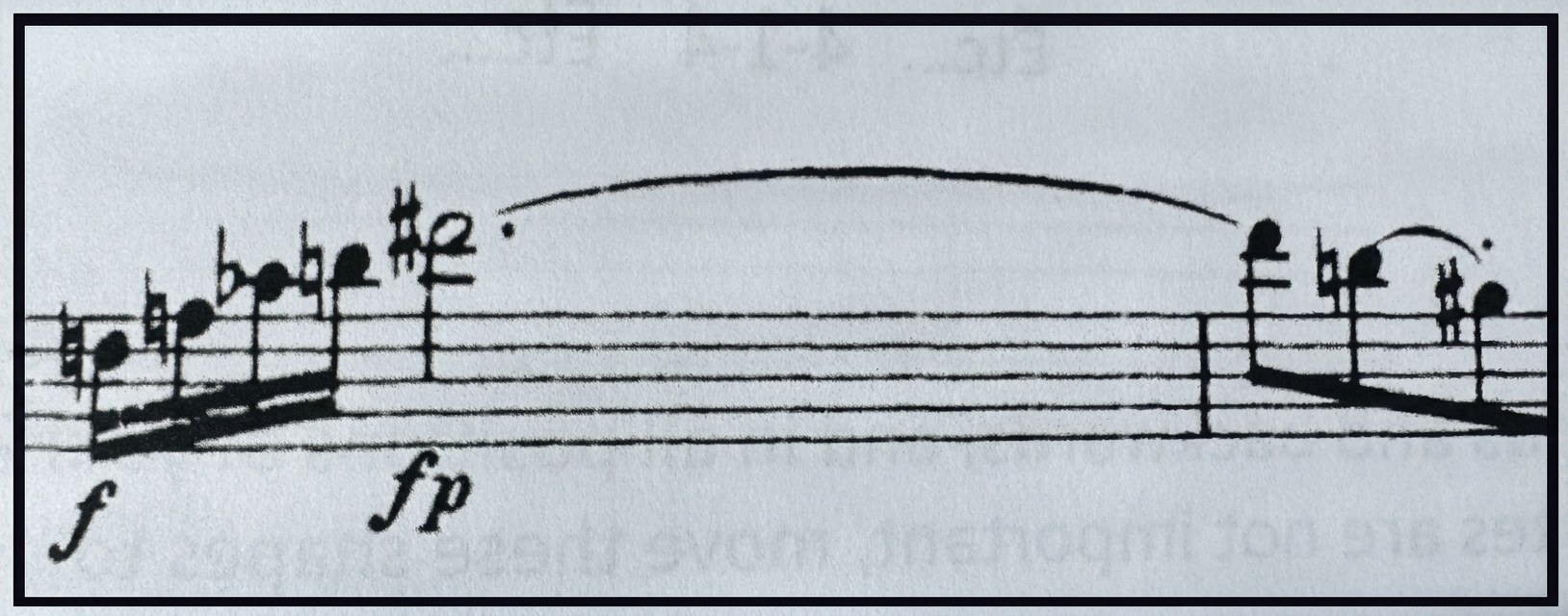
Finally, we have interval pairs 3-4
John McLaughlin Pentatonic Guitar Concepts part 1:

Hi Guys,

Today, a quick look at John McLaughlin’s use of the pentatonic scale.

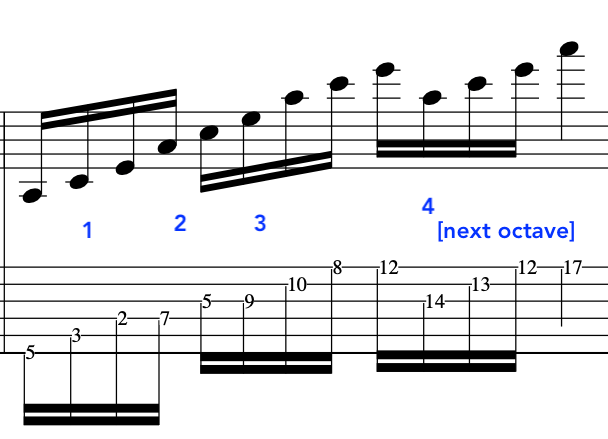
To begin with, it is a good idea to map out the fretboard of the guitar with an arpeggio.

This way we can ascertain where the different positions are.

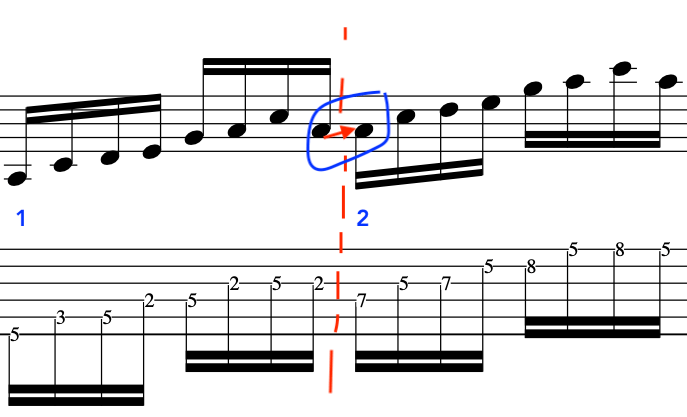
Now that we have this, let’s connect two positions together:

John McLaughlin sheet music depicting a guitar piece with notes and highlighted sections. Two distinct sections are marked with colored circles and arrows.
Diagram illustrating a guitar fretboard connecting pentatonic scale positions.

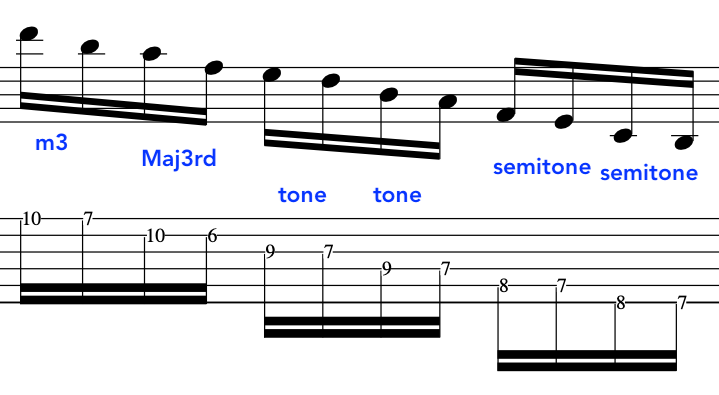
Moving up, we have this interesting scale combination:

Music sheet illustrating John McLaughlin's pentatonic scale with notes labeled for minor third, major third, tone, and semitone.
Musical notation demonstrating the McLaughlin pentatonic scale with highlighted intervals.

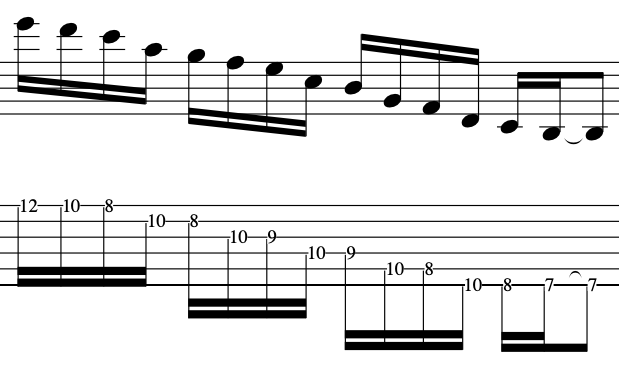
Finally, we have another pentatonic combination at the end of the octave:

A musical score showing notes and tablature for guitar, illustrating the pentatonic scale.

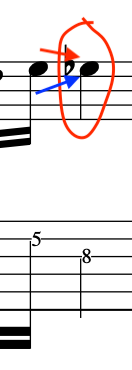
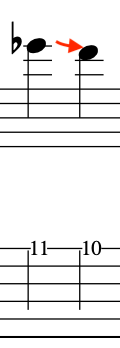
In order to create some magic, John McLaughlin naturally colours the phrase by adding a magic note.

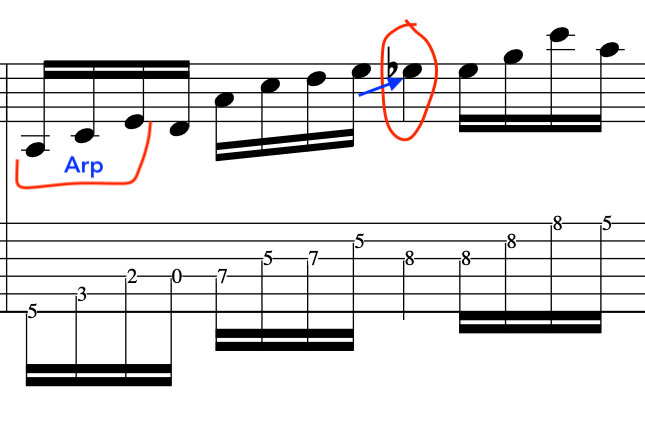
In this example it is the E natural sliding down a semitone to E flat.

Also, the Eb moving down a semitone again, an octave up to D natural.

To see/hear this in action,let’s create a phrase/line.

We will do this by starting with an A minor arpeggio and an open D string. This has a triad pair inflection.

This open D string also gives our fretting hand a fraction of a second to get into the next position:

John McLaughlin heet music notation displaying a guitar arpeggio with annotated markings highlighting specific notes and techniques.

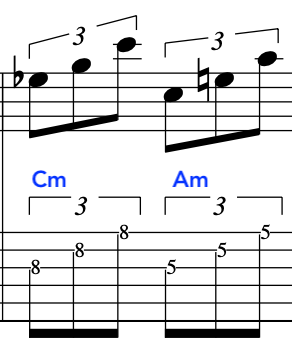
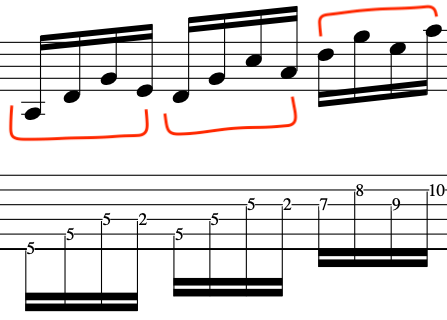
Another important point-John creates interest, by manipulating the 1st inversion minor chords on the first three strings of the guitar: In this case Cm and Am.

This gives us that spiritual or ethereal sound John is known for. It also, creates flavour and colour out of the basic minor pentatonic scale sound, yielding a more original result. [Please watch video above for demo performance]

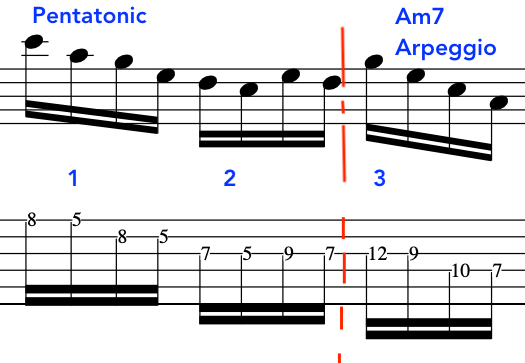
Another great idea, is to employ the minor 7th arpeggio to the pentatonic scale:

Musical notation featuring a John McLaughlin pentatonic scale and Am7 arpeggio, indicating different positions on a guitar fretboard.
Chord diagram illustrating the McLaughlin pentatonic scale and Am7 arpeggio for guitar.

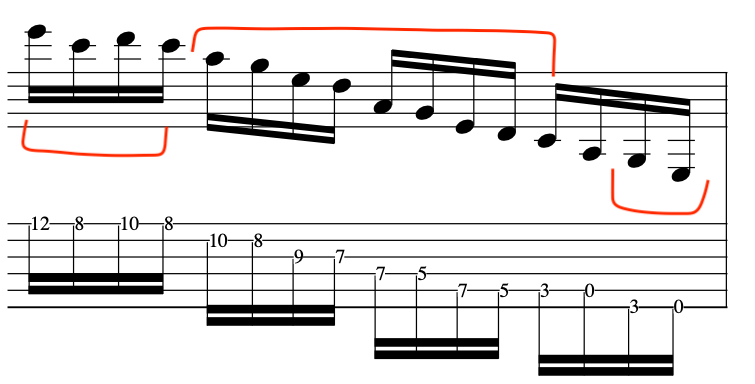
Lastly, John is a master at exploiting quartal harmony to create smooth pentatonic lines.

Music notation showing guitarist John McLaughlin's use of quartal harmony at the guitar when improvising
Sheet music illustrating guitar techniques used by John McLaughlin, focusing on quartal harmony ascending

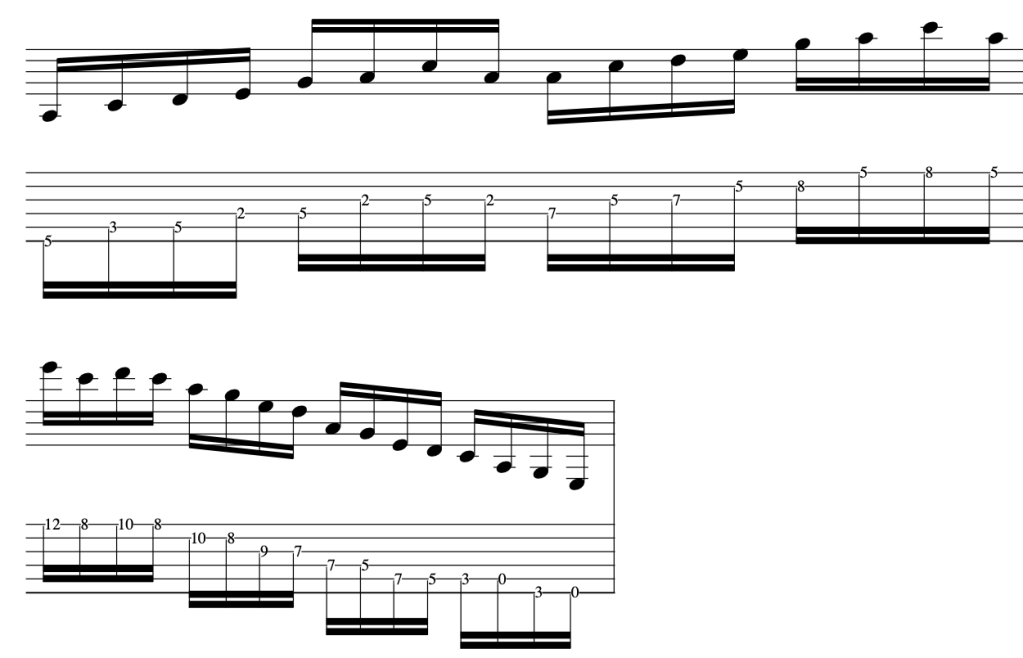
What’s great about using the minor arpeggio as a mapping tool, is that we can add notes of the pentatonic scale in between it. [Resulting in long fluid lines].

Musical notation with notes and tablature for guitar, highlighting a pentatonic scale exercise.

To conclude, we will take the first exercise from this blog and connect it to the pentatonic exercise above.

Sheet music illustrating John McLaughlin's pentatonic scale and various guitar techniques.
Musical notation illustrating John McLaughlin’s use of the pentatonic scale.

This was just a quick look at how John McLaughlin exploits the common pentatonic scale.

There are many other approaches to this like those found in John McLaughlin’s educational video “This is the way I do it”.

But, the concepts detailed in this blog/lesson work really well as a primer for John’s live performances/improvisations.

Jazz II V I Improvisation Book Review.

This is a very useful book if you are “New’ to jazz improvisation. It covers all of the needs of the beginner as it starts with the classic II V I cadence. It then progresses through the II V I with various altered dominants, different scale choices and chromatic embellishments. There is also a written harmonic explanation for each variation.

The other half of the book goes through modes, scales, chords, arpeggios, triad pairs and all of the essential music theory and explanations for quality jazz practice. This also helps the reader to make sense of the harmonic alterations,scale choices and substitutions commonly found in the world of jazz improvisation and apply them.

The book is available in AMAZON CLICK

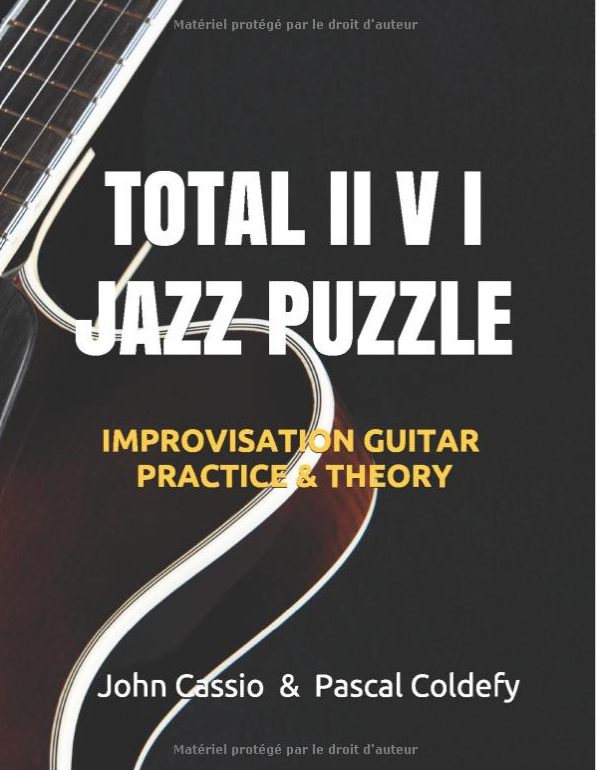
TOTAL II V I JAZZ PUZZLE: Improvisation Guitar Practice & Theory

Thanks for viewing this post, I hope it was interesting and useful. Please subscribe to us on youtube!

yt_logo_rgb_light CLICK SUBSCRIBE!