Jared E Davis: “Atonal Improvisation and Jazz” Techniques Explained

Jared E Davis Atonal Improvisation and Jazz music examples and analysis

Hi Guys,

Today, a quick look at “Atonal improvisation and jazz” book by Jared E Davis.
Atonal Jazz analysis with examples from webpage
Jared E Davis Atonal Improvisation and Jazz

Please note: This Blog won’t contain a Pdf download due to any copyright infringement.

Jared’s book, is similar in some ways to John ‘O’ Gallagher’s book 12 tone improvisation
12 tone improvisation book John ‘O’ Gallagher

But, also differs due to being atonal [interval pairs] and not 12 tone.

This concept works with the 12 chromatic notes.

So, for example if we were to start on the note C it would be,

C=O C#=1 D=2 D#/Eb=3 E=4 F=5 etc.

Resulting in a minor 3rd =3 or a Major 7th = 11 or Unison = 0 etc.

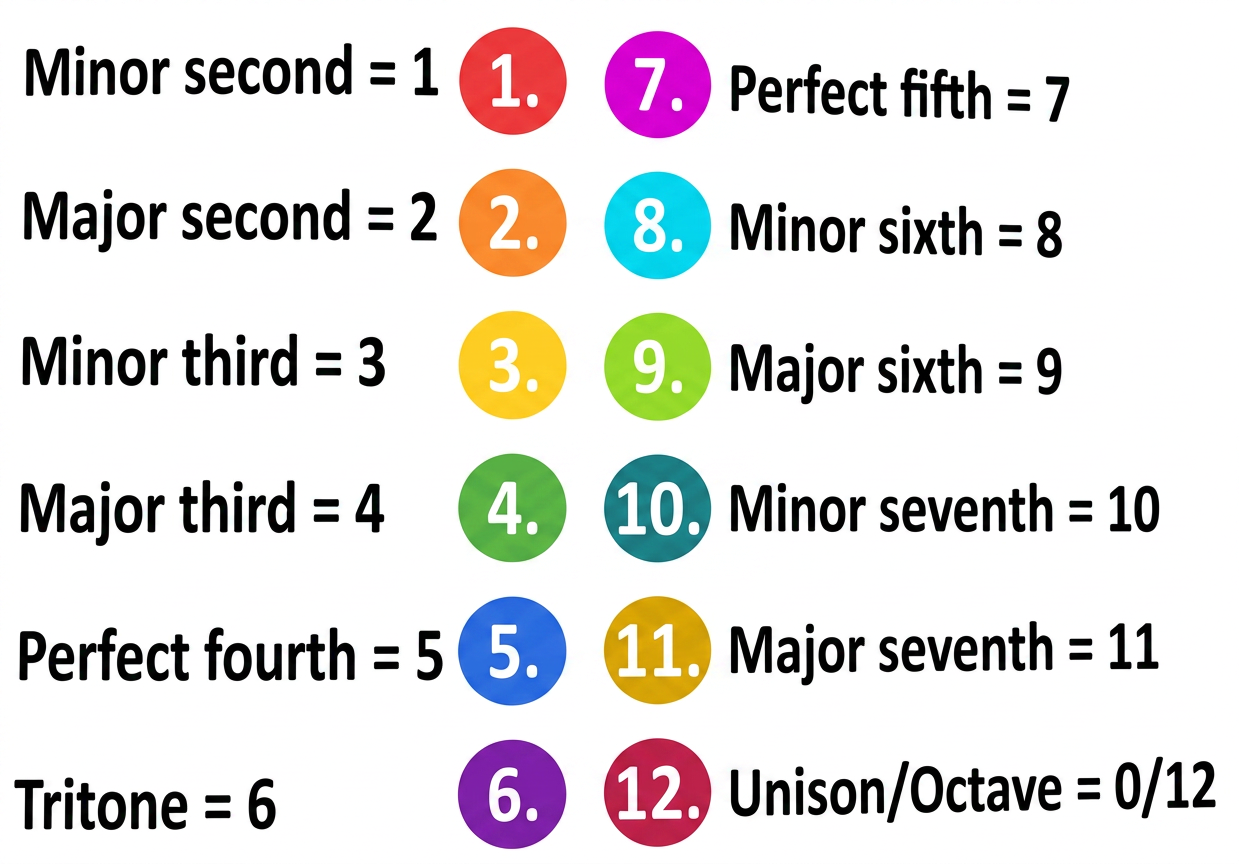
We are just counting the minor 2nds/semitones as in the chart below:

Jared E Davis Atonal Improvisation and Jazz

If we were to have singular intervals like 11111 etc, we would end up with a chromatic scale:
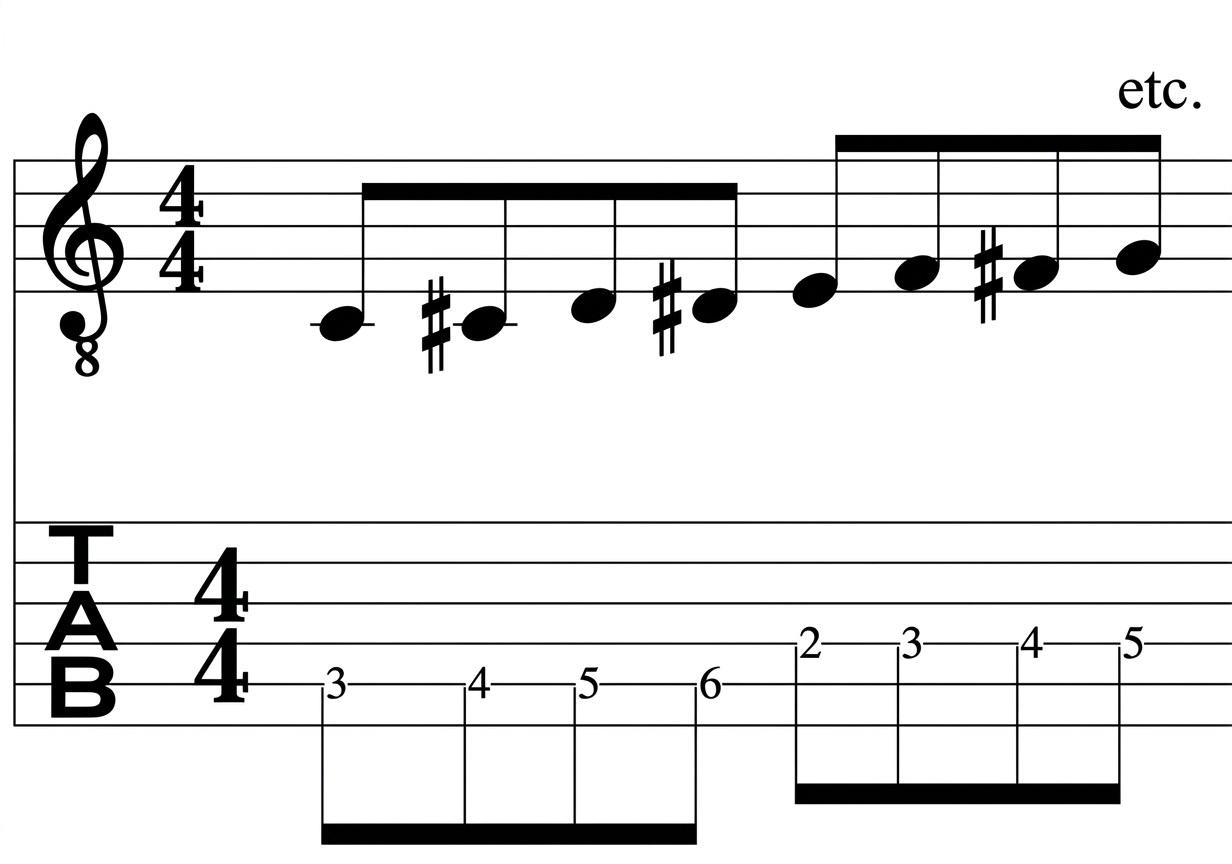
Jared E Davis Atonal Improvisation and Jazz

Or, for example, 3333 we would end up with Diminished 7ths:
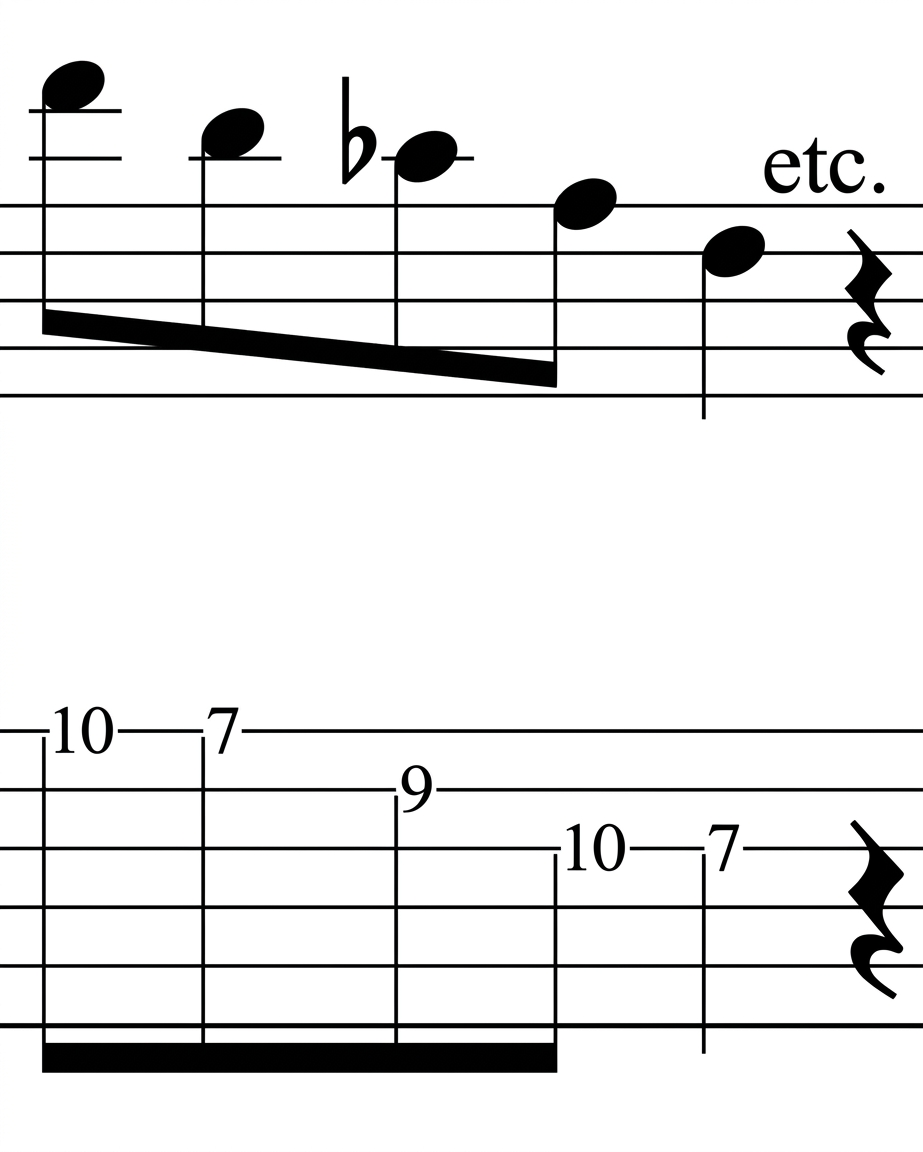
Jared E Davis Atonal Improvisation and Jazz

Below, is a list of techniques explained:
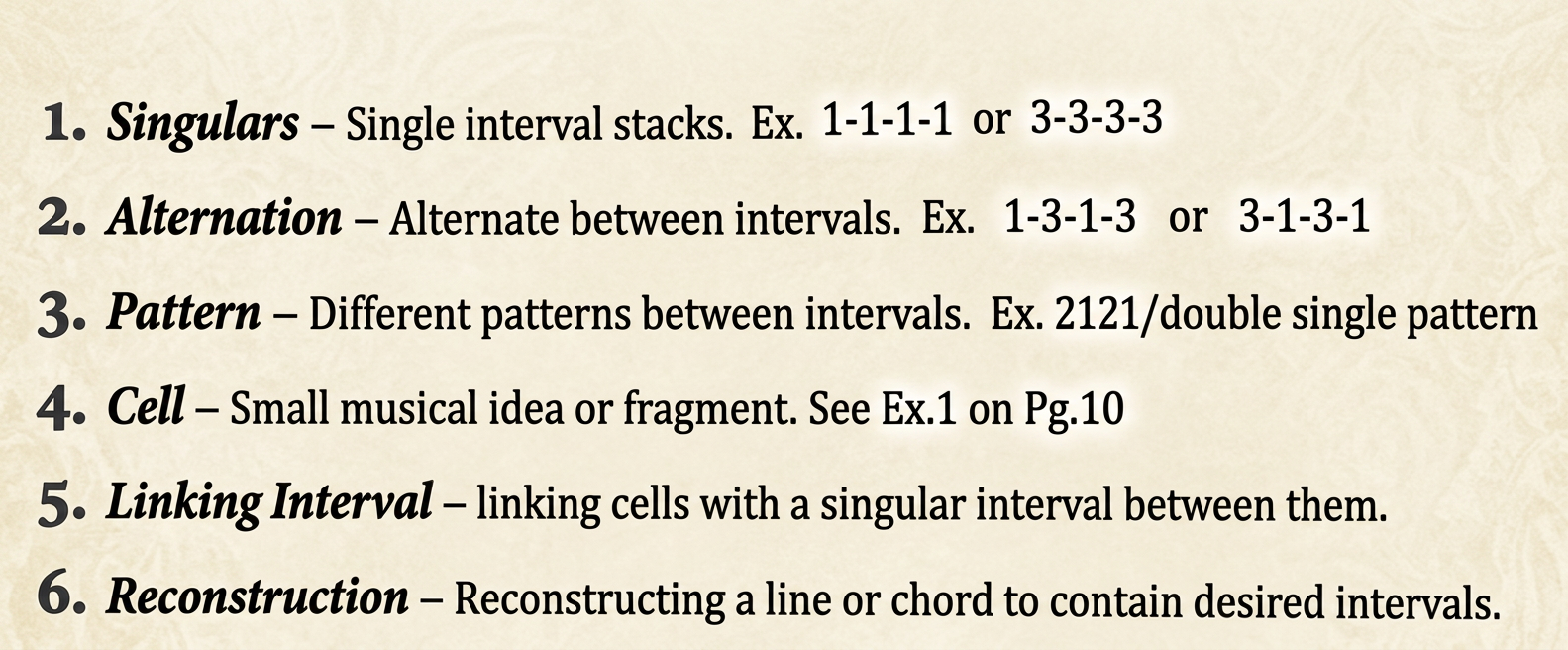
Jared E Davis Atonal Improvisation and Jazz

In this blog in order to avoid any copyright infringements I am going to look at interval pairs in the main.

In order to get really fluid with this it’s a great idea to write an etude.

But, before we can do this we need to learn/practice an etude already prepared.

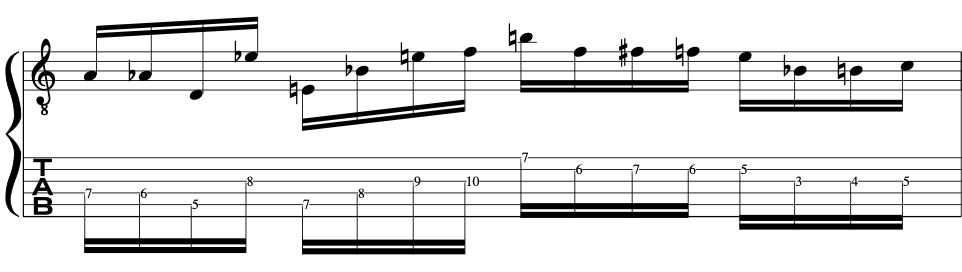
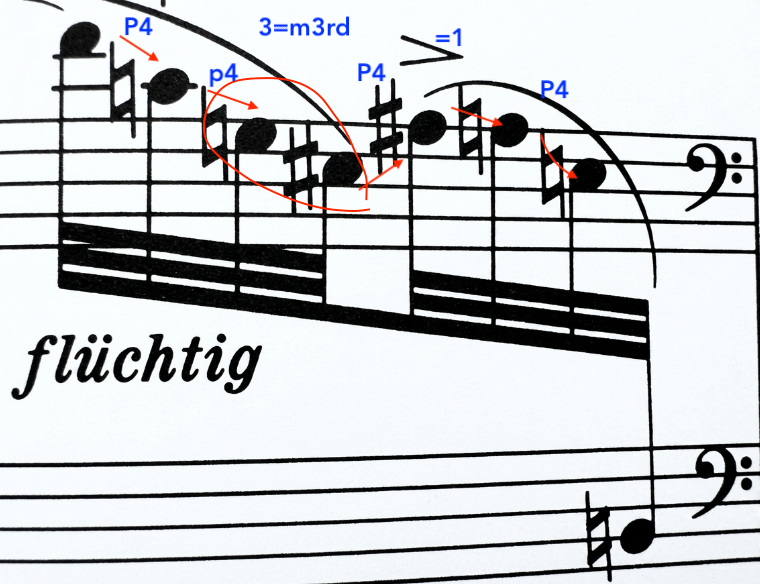
So, in this case I am going to take one from the book which consists of the interval pair 1-6

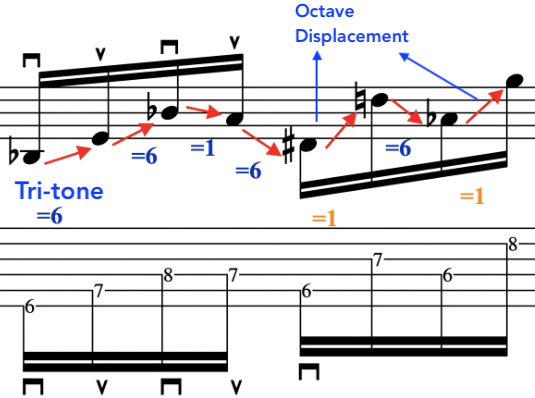
In this example we will master 1= minor 2nd and 6= Tritone

Music notation depicting Atonal Improvisation and jazz book by Jared E Davis. Musical examples and demos with music theory analysis. Complete lesson for atonal improvisational music techniques.

From the example above we can see our interval pair of 1-6 in action.

Notice also, where there =1 it can be inverted to/create octave displacement.
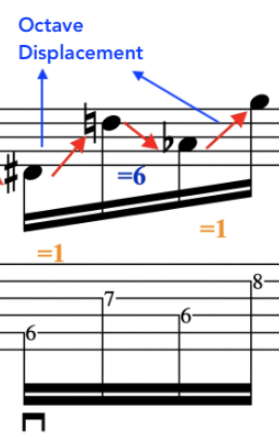
Example of Atonal Improvisation and jazz book by Jared E Davis. Musical examples and demos with music theory analysis. Complete lesson for atonal improvisational music techniques.

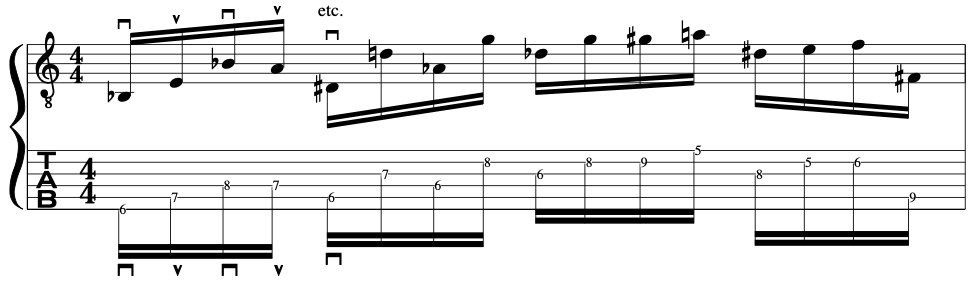
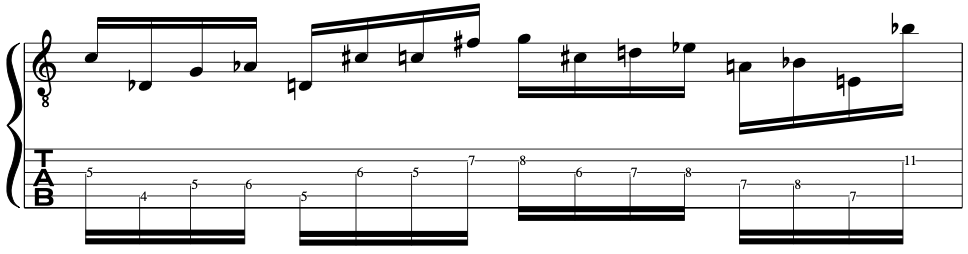
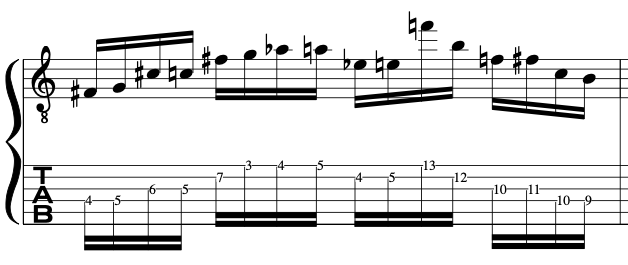
Below, is the full etude that I have starting on a down stroke for strict alternate picking.

An example of tonal Improvisation and jazz book by Jared E Davis. Musical examples and demos with music theory analysis. Complete lesson for atonal improvisational music techniques.
Example of Atonal Improvisation and jazz book by Jared E Davis. Musical examples and demos with music theory analysis. Complete lesson for atonal improvisational music techniques.
Atonal Improvisation and jazz book by Jared E Davis. Musical examples and demos with music theory analysis. Complete lesson for atonal improvisational music techniques.

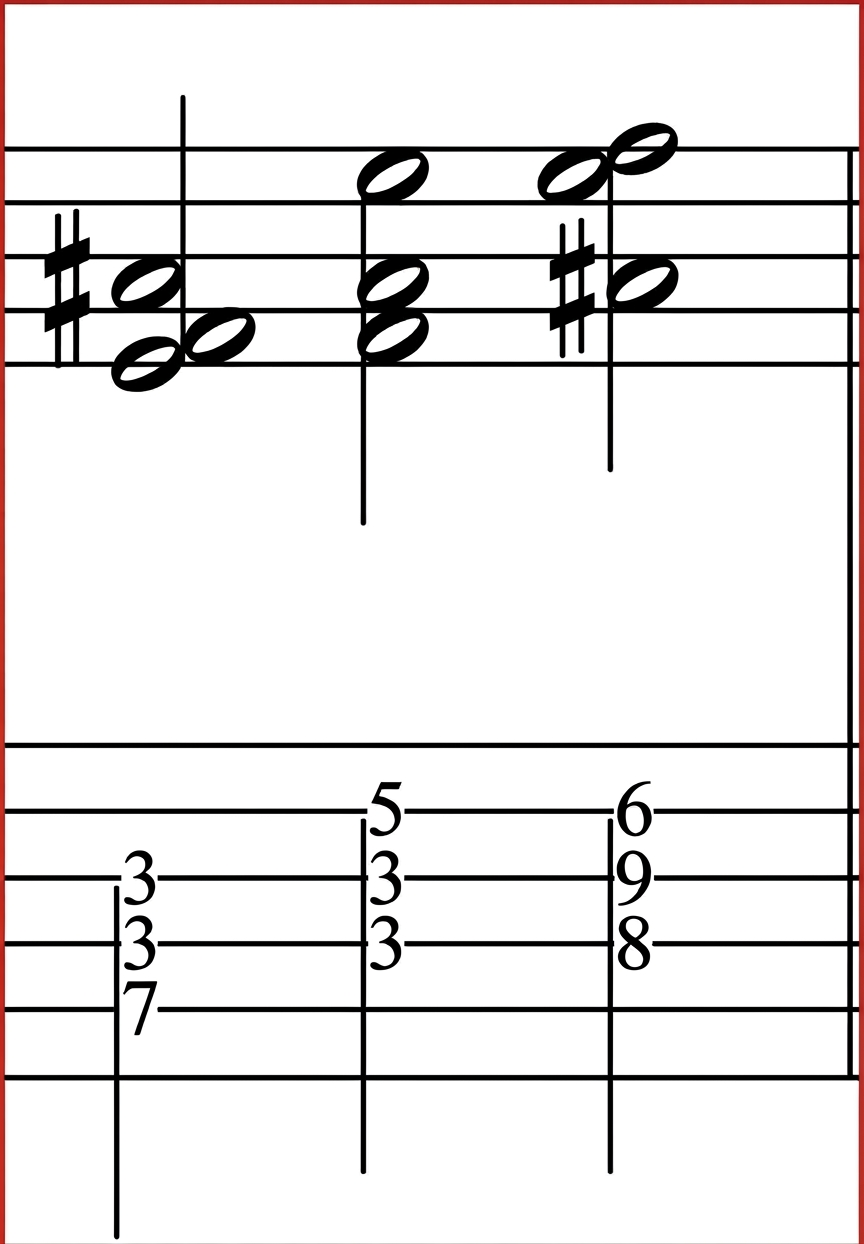
We can also build some amazing chords from atonal techniques.

I am going to look at a couple of Tri-Chords. [Although, we can create, tetrachords and pentachords etc].

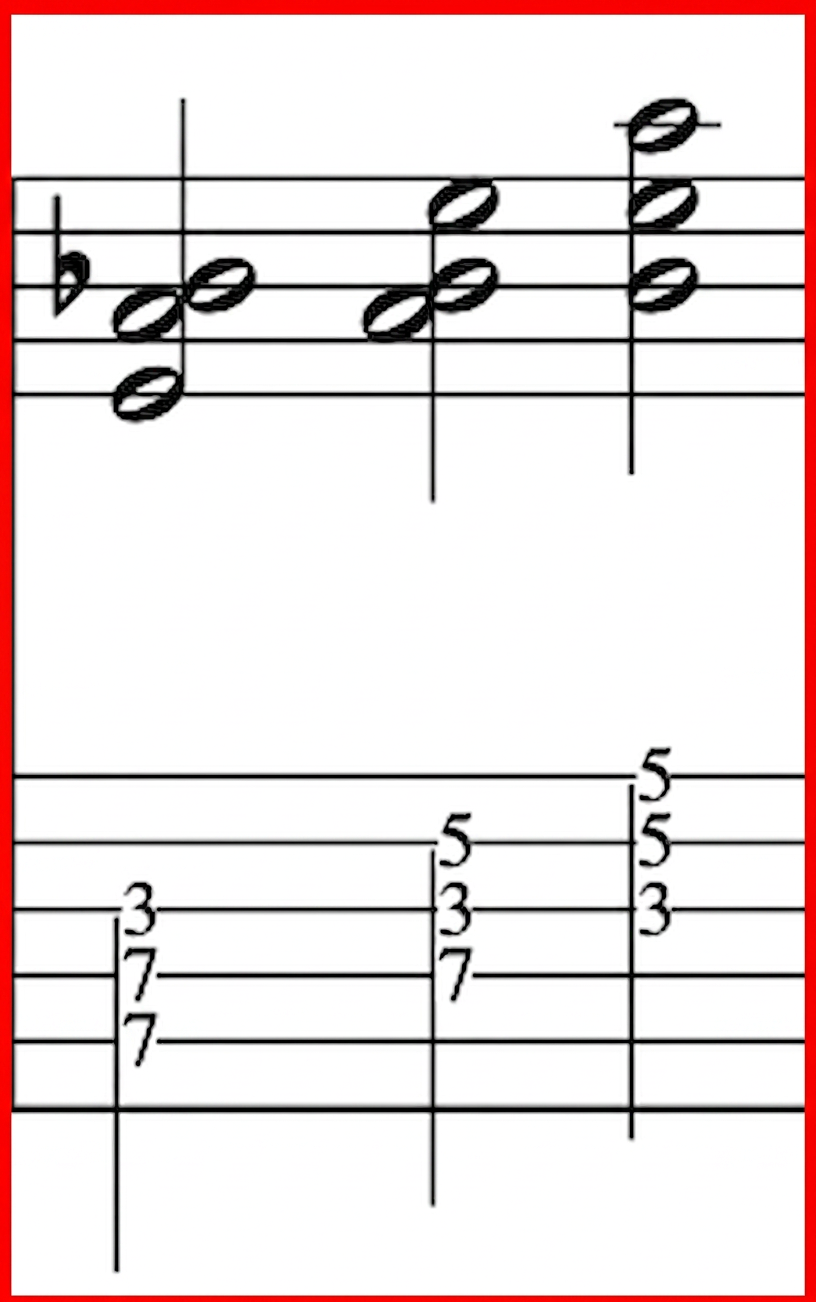
Let’s now apply this to a ii V7 I cadence:

Again, sticking to our minor 2nd and tritone 1-6 interval pairs from our Etude:
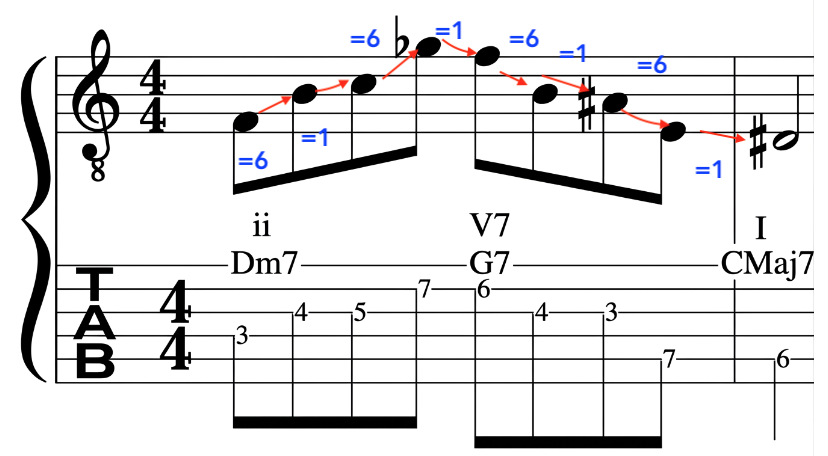
ii V7 I Atonal Improvisation and jazz book by Jared E Davis. Musical examples and demos with music theory analysis. Complete lesson for atonal improvisational music techniques.
Jared E Davis Atonal Improvisation and Jazz ii V7 I 1-6 Cadence Example

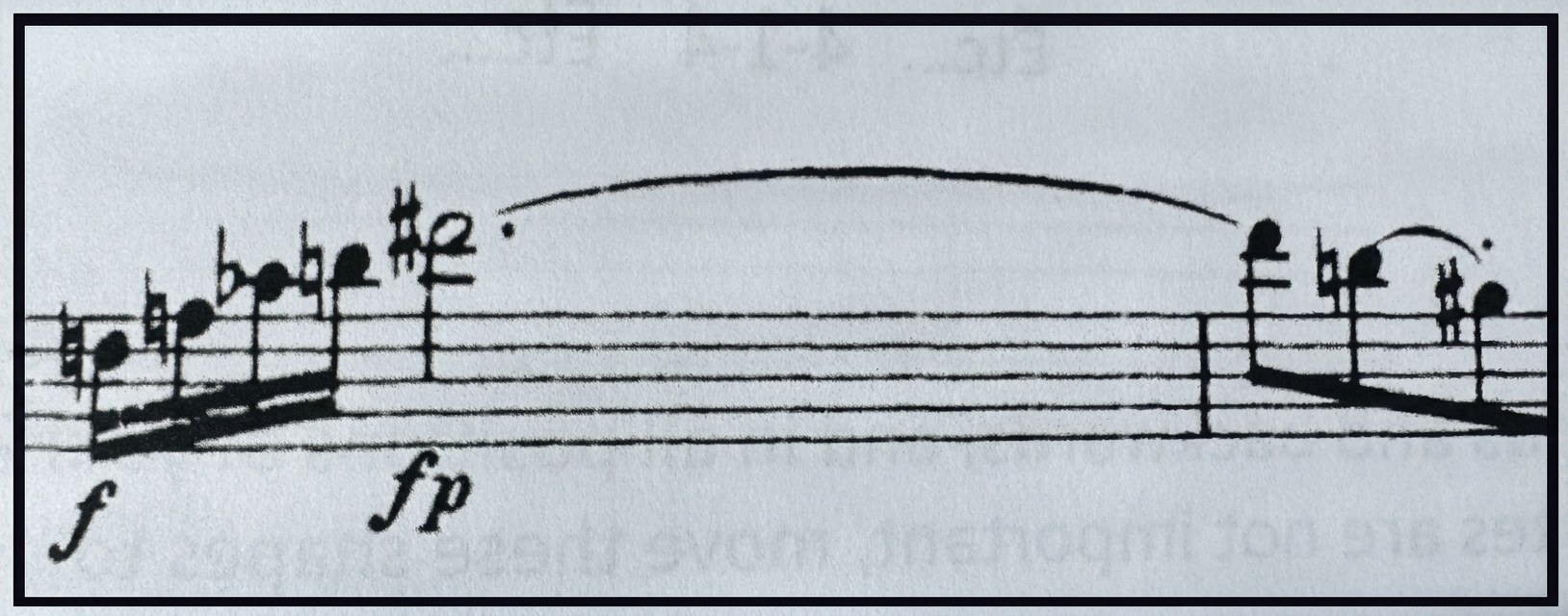
Lastly, here is a couple of real life examples by the great composer Arnold Schoenberg.

Interval Pair 1-5 [Perfect 4th and minor 2nd]:
Finally, we have interval pairs 3-4
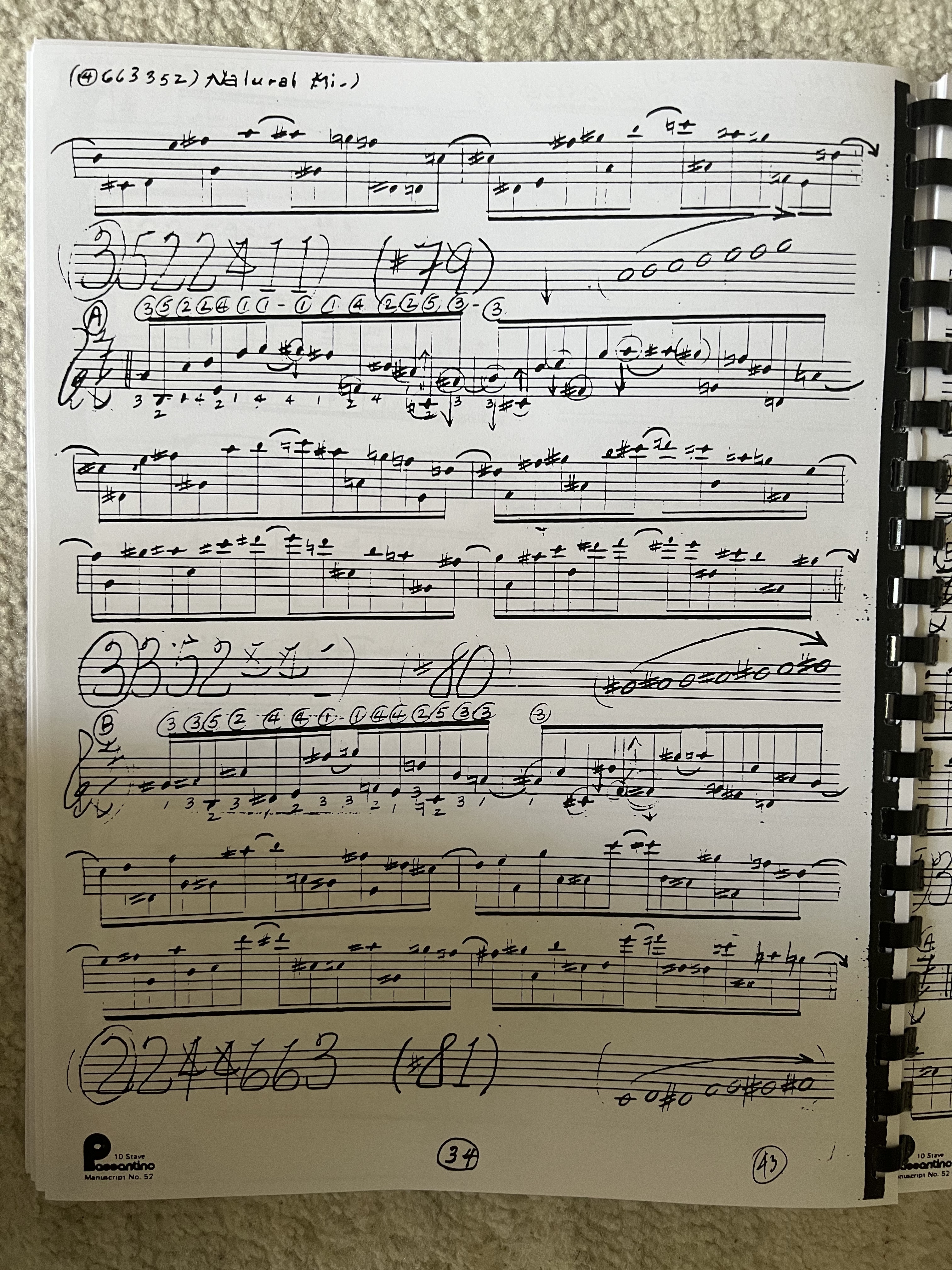
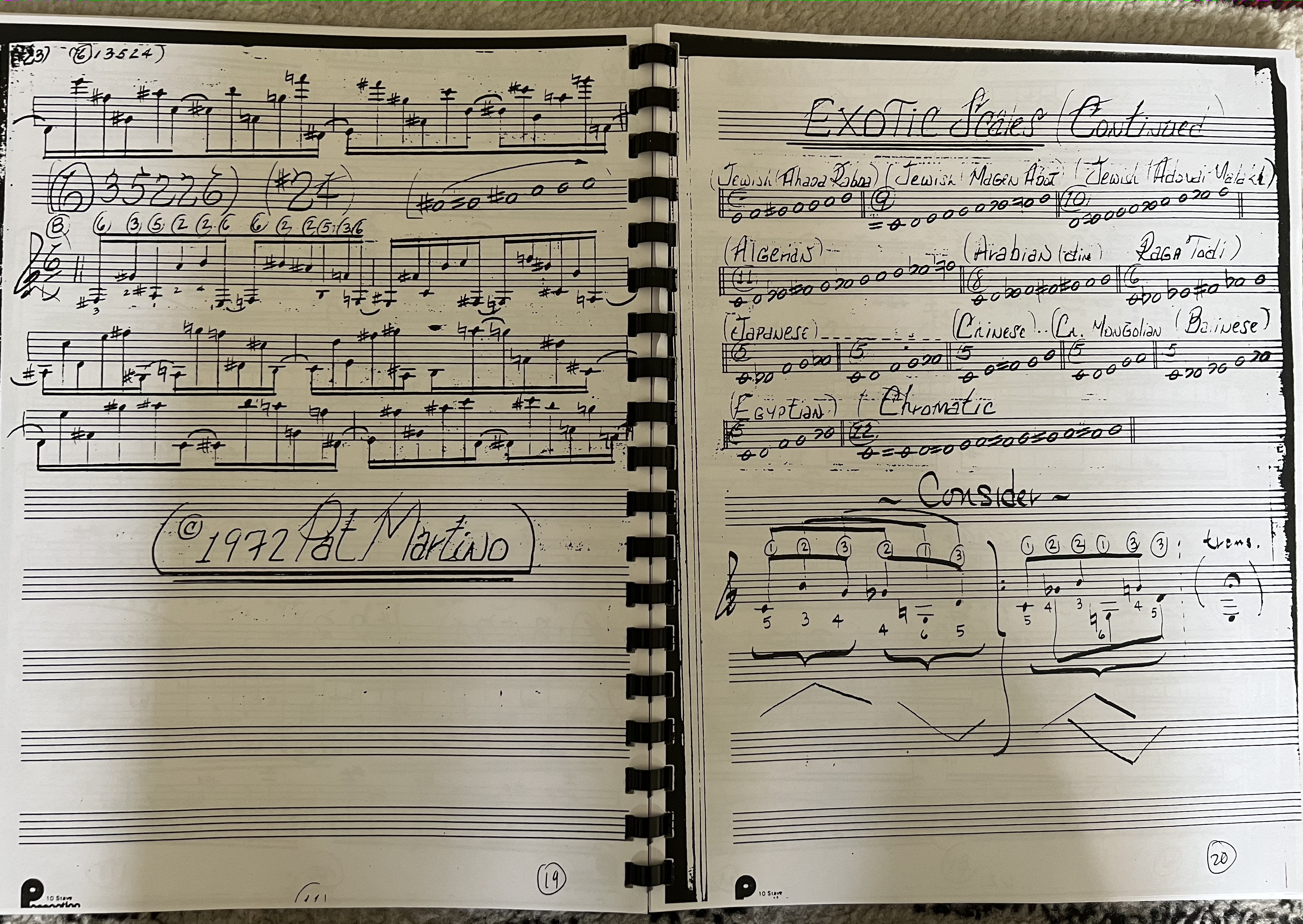
Pat Martino Intervallic Studies: Un-Published Book Lesson

Pat Martino Intervallic Studies: Un-Published Book Lesson

Hi Guys!

Guitarist Mark Koch one of Pat’s students kindly sent me a copy of Pat’s un-published book on “Intervallic studies“.

pat-martino-intervallic-studies-umpinlished-book

It’s a fascinating look at the imaginative thought process and creative concepts that Pat was investigating for the development of the improvising guitarist.

pat-martino-intervallic-studies-unpublished-book

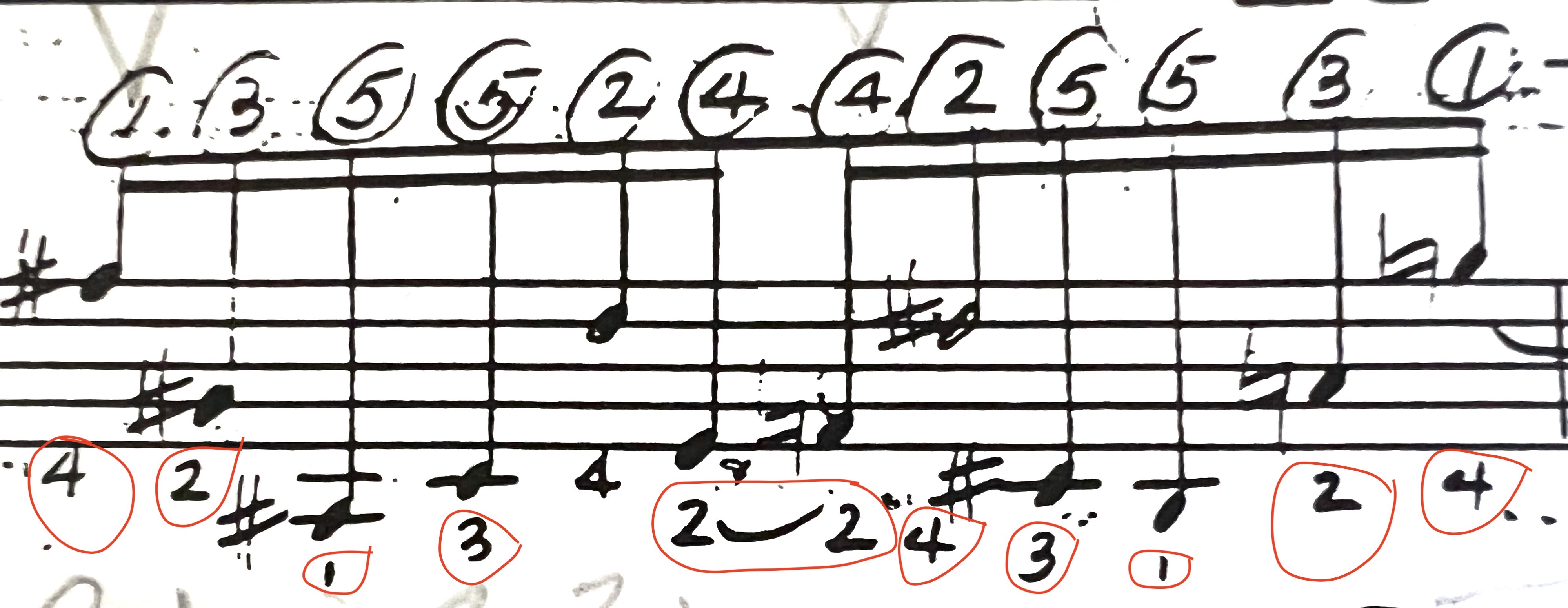
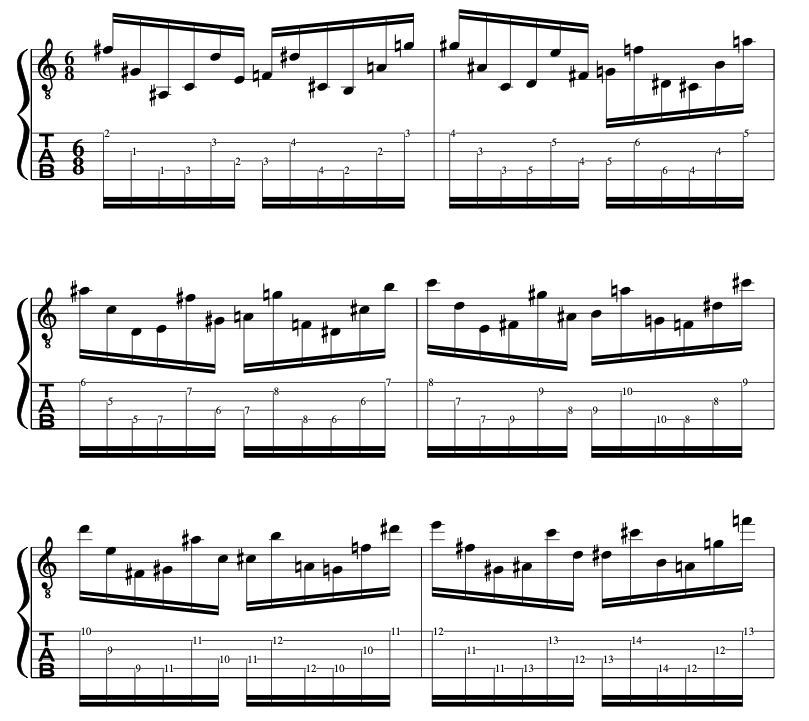
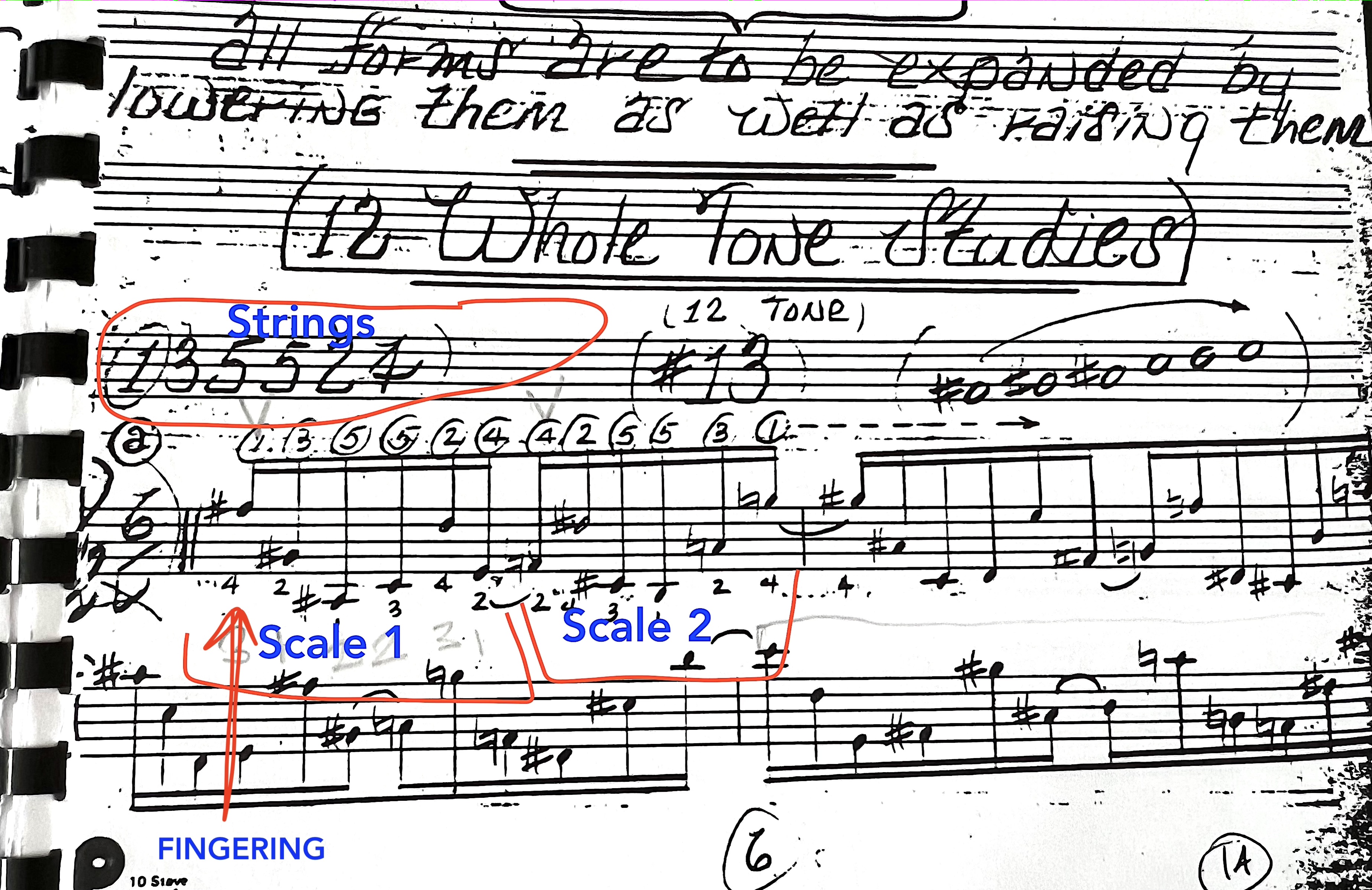
In this first example we will look at the “Whole Tone Scale” Study:

pat-martino-intervallic-studies-unpublished-book

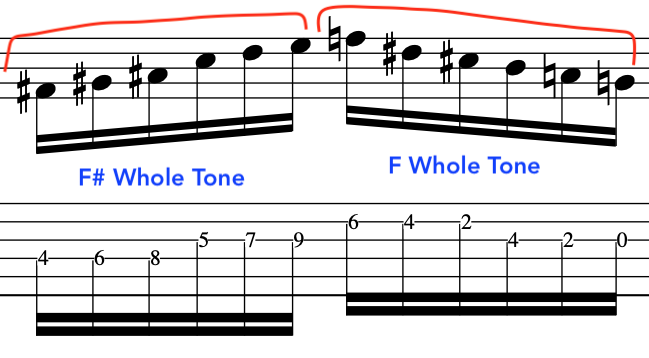
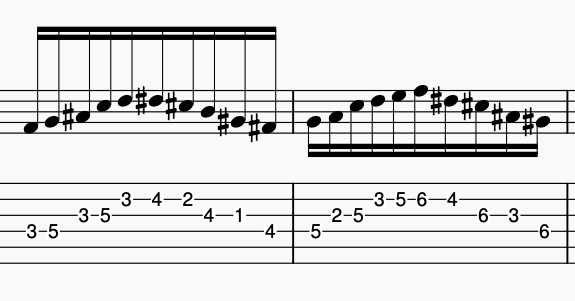
From a music theory perspective if we take away the intervallic approach and place the notes in order we will get a whole tone scale ascending followed by a whole tone scale descending:

pat-martino-intervallic-studies-unpublished-book

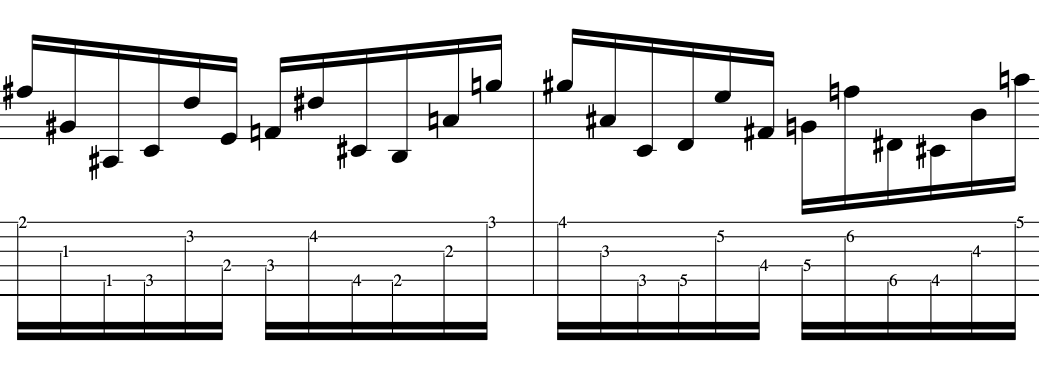
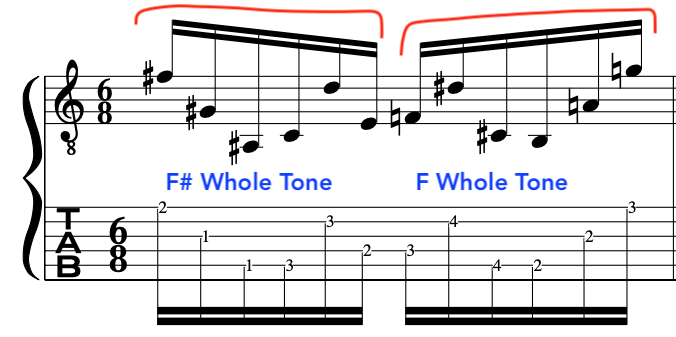
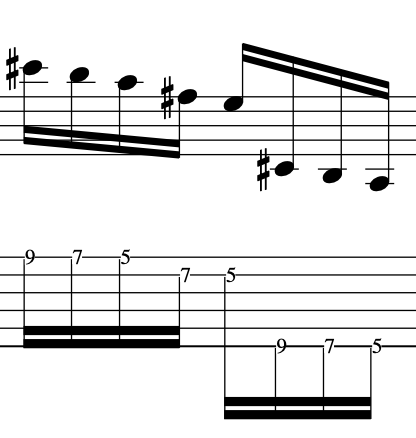
Now, we will put them back into the “Disguised” form with the clever approach of the intervallic design:

pat-martino-intervallic-guitar-studies

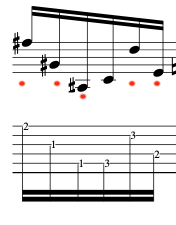
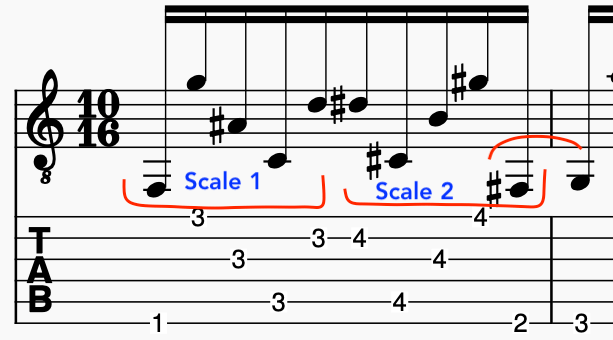
The key to playing these studies on the guitar is to decide on a methodical fingering and stick to it. [Below=Pat’s Fingering]

pat-martino's-unpublished-book-intervallic-guitar-studies

pat-martino-intervallic-studies-unpublished-book

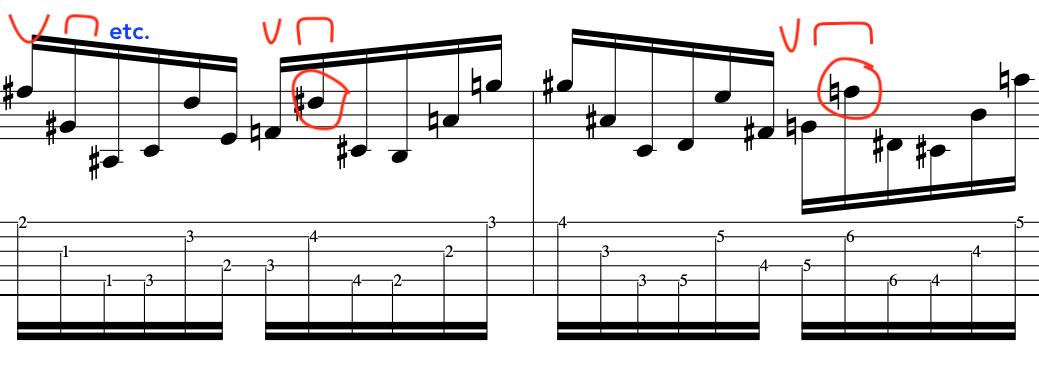
I am employing strict alternate picking for this study starting on an upstroke:

pat-martino-intervallic-studies-unpublished-book

pat-martino-intervallic-studies-unpublished-book

Same Study: From Pat’s book with fingering examples:

pat-martino-intervallic-studies-unpublished-book-whole-tone-scale

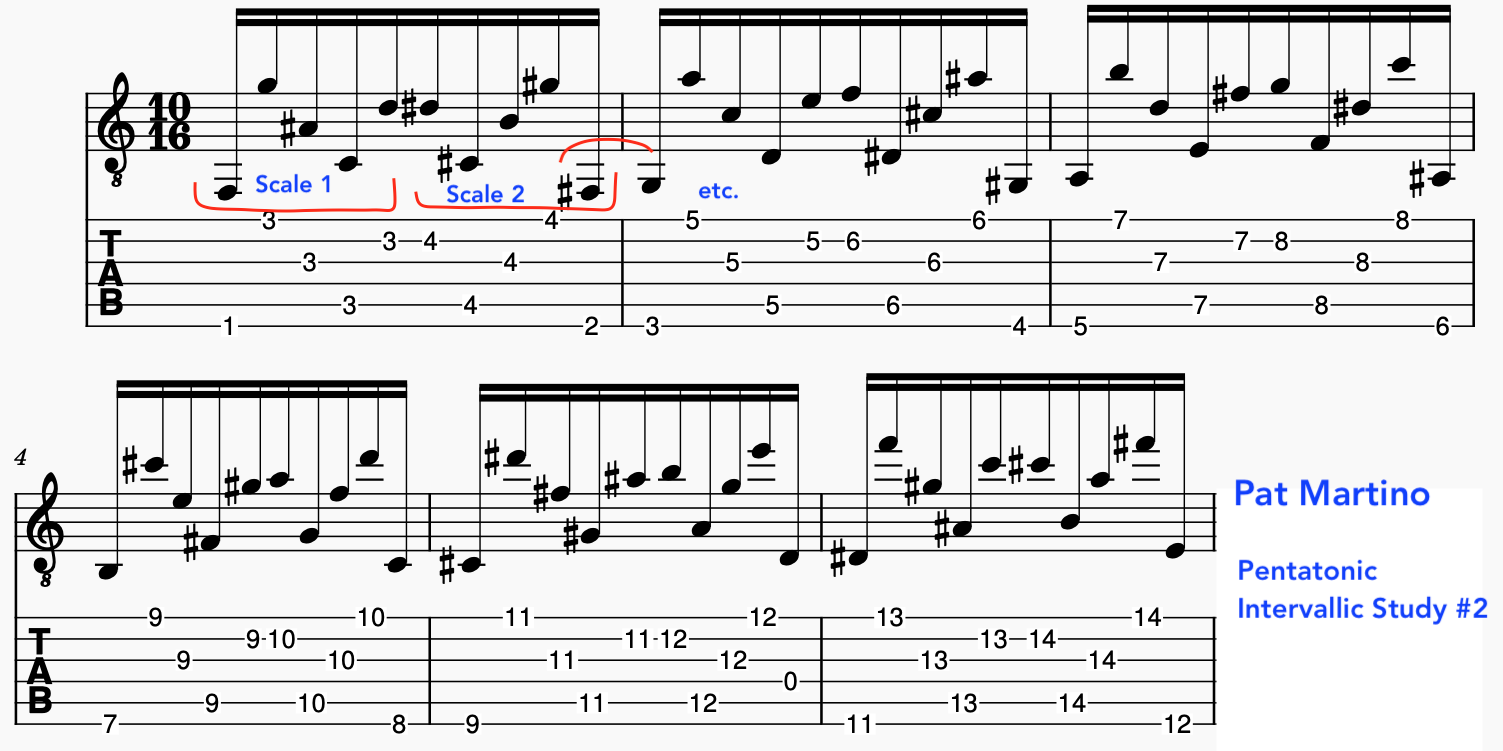
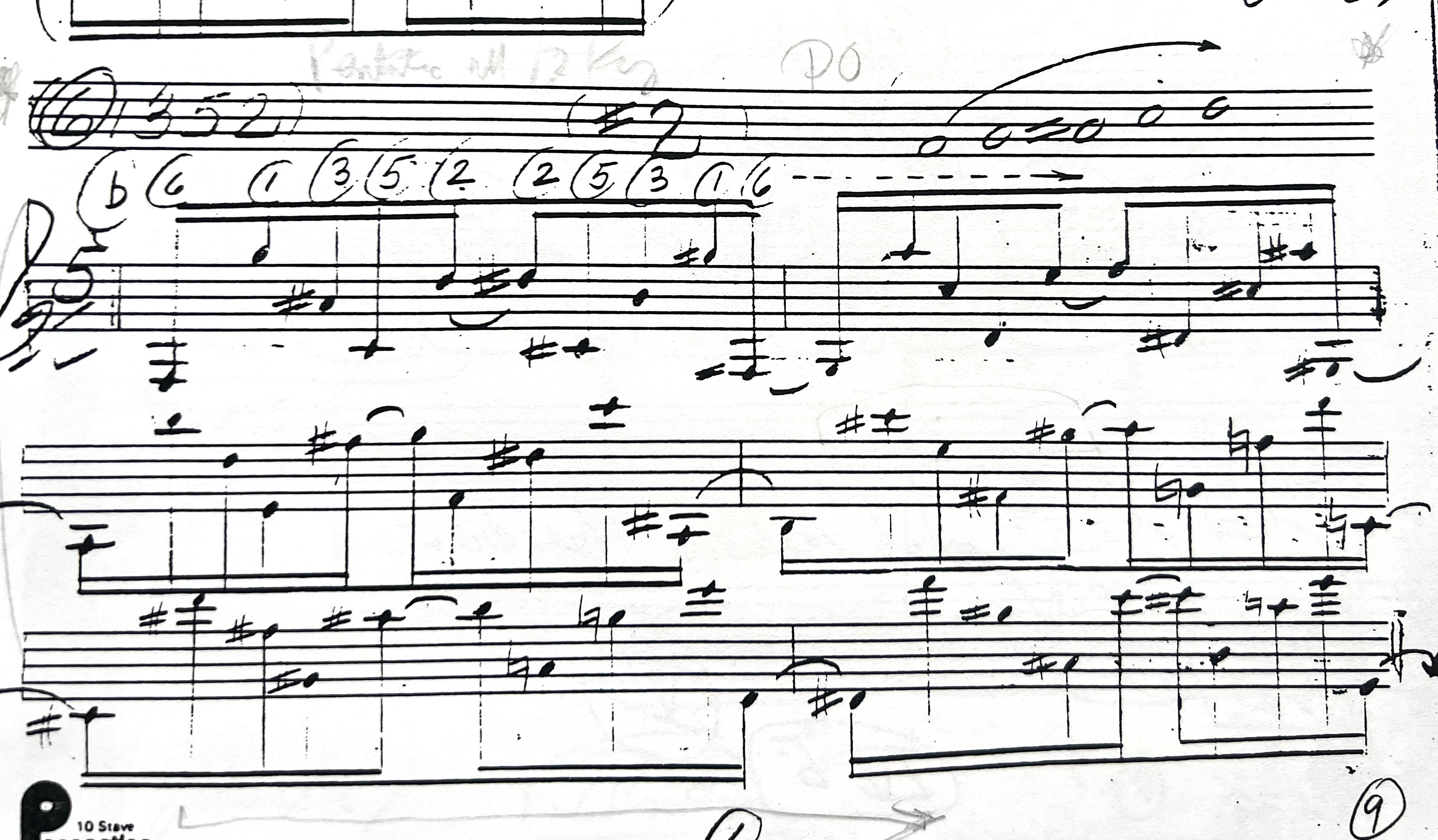
Now we will look at how Pat breathes life into the pentatonic scale:

pat-martino-intervallic-studies-unpublished-book

As before we will take this from a music theory perspective and remove the intervallic approach:

pat-martino-pentatonic-scale-guitar-lesson

Now, let’s disguise this with the use of intervallic exploitation and alternate picking starting on a “Downstroke”:

pat-martino-intervallic-studies-unpublished-book

Same Study from Pat’s unpublished book:

pat-martino-intervallic-studies-unpublished-book

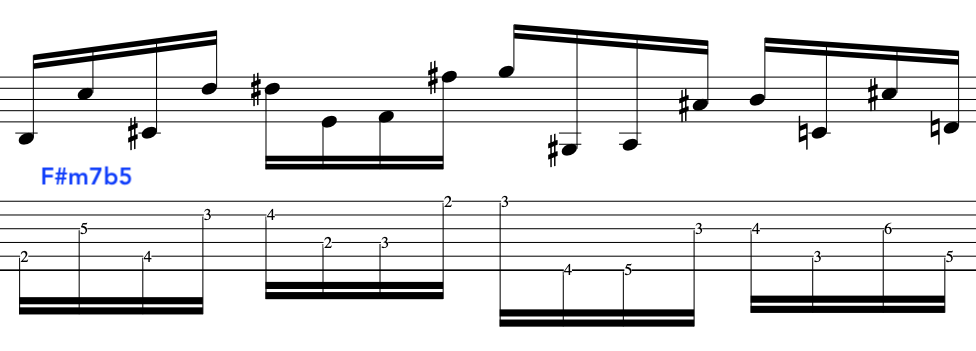
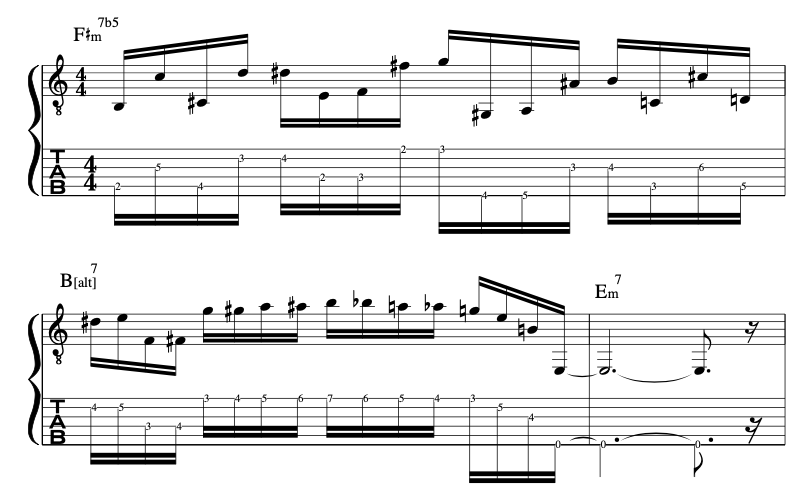
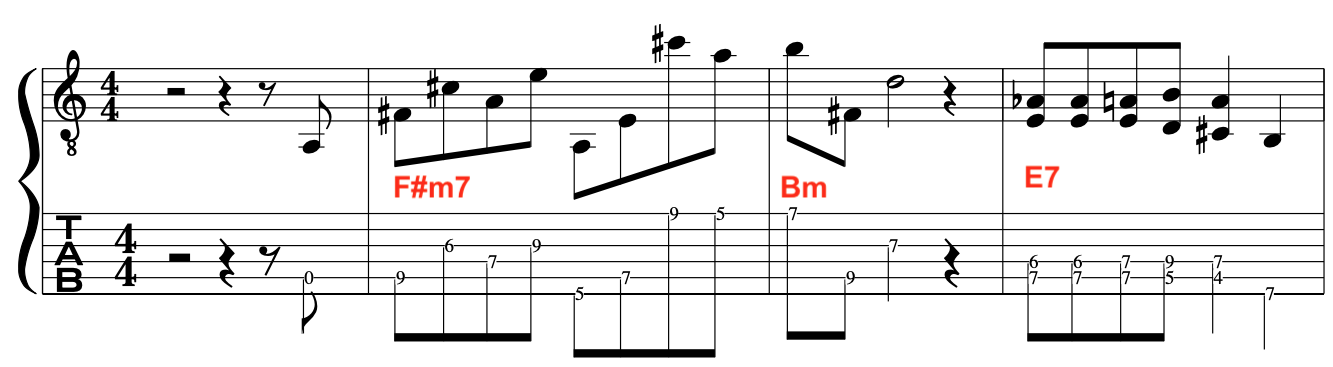
Finally, we will employ these intervallic concepts through a iim7b5 V7 i cadence.

Once again, we see the intervallic set up:

pat-martino-intervallic-improvisation-example

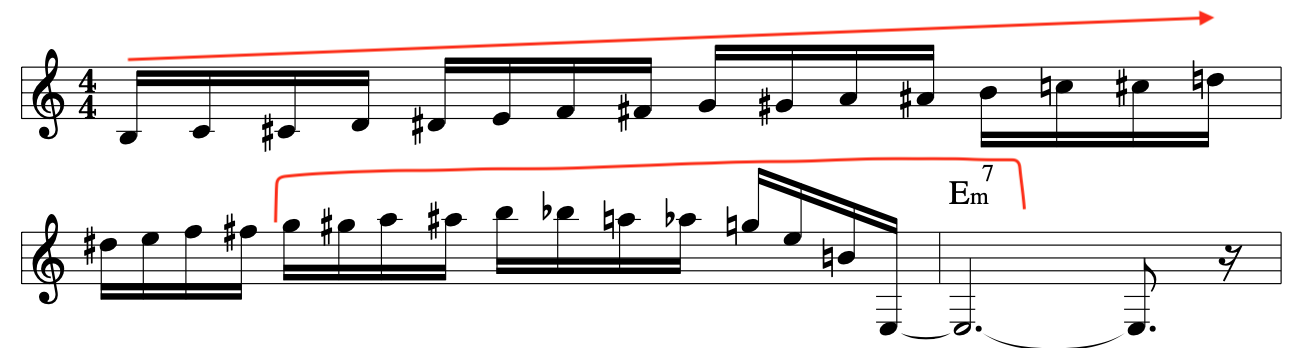
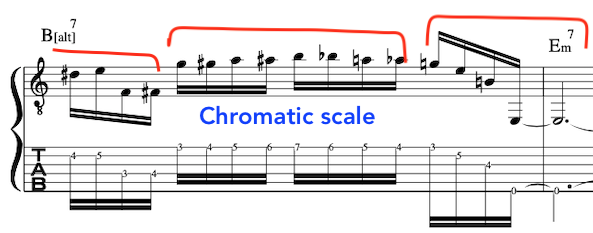
Now, let’s employ our music theory and place the intervallic notes in order. Here we find that we have the exploitation of the chromatic scale.

pat-martinochromatic-scale-guitar-lesson

This clever approach is really effective because in the second bar beats 2 and 3 we have a literal chromatic scale that then anticipates the coming minor tonic chord of Em with an Em arpeggio.

pat-martino-intervallic-improvisation-example

Full Example:

pat-martino-intervallic-improvisation-example

This was just a quick look at the creative thought process and unique approach of Pat Martino, resulting in the application of this material into a minor iim7b5 V7 i improvised line to hear how they work and sound.

This approach to scales and improvising [and composing] with them is highly original and extremely useful when there is a need to bust out of cliches and seek colour and creativity in our playing.

String Skipping/Intervallic Guitar Part 3-HARMONY

yt_logo_rgb_light

CLICK SUBSCRIBE!

String Skipping/Intervallic Guitar Part 2-HARMONY

PLEASE WATCH VIDEO ABOVE FOR DETAILED ANALYSIS:

Hi Guys,

Today, one last look at “Intervallic string skipping” for a contrapuntal-esque picking style.

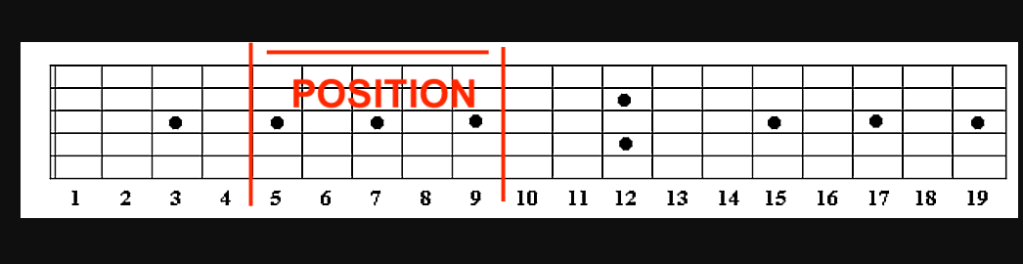
The first thing to do is take one position on the guitar fingerboard and find the “Harmony” embedded within that position.

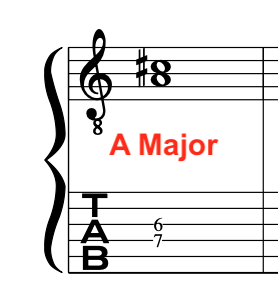
I have taken the A Major position [F#m Relative]

al-di-meola-cycle-of-4ths

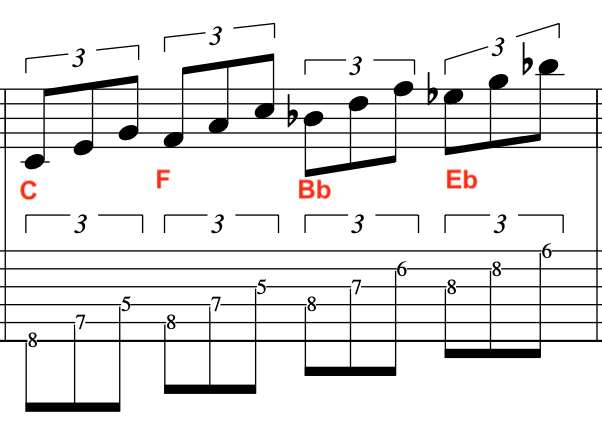
Now, let’s make an A Major basic arpeggio from the 1st string and the 6th string.

al-di-meola-string-skipping

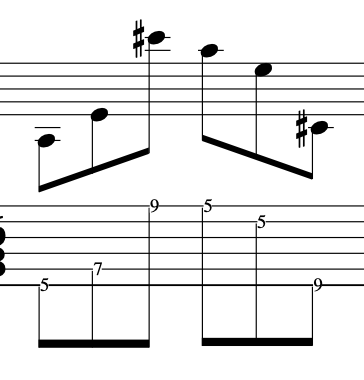
Straight away, you will notice that the notes on the 1st string and the notes on 6th string are the same but in different octaves. This gives us an easy and excellent way to exploit the High to Low or Low to High counterpoint effect.

Now let’s do the same with a piece of scale: [Starting on an “Upstroke”]

al-di-meola-string-skipping-scales

Again, the octave makes this flow and connect easily from the low to high.

The next point is to take a chord sequence and use this “String skipping/intervallic” effect: Here we have Vi ii V7 I

al-di-meola-string-skipping

HARMONY

Th next essential point is to acknowledge the harmony in this position:

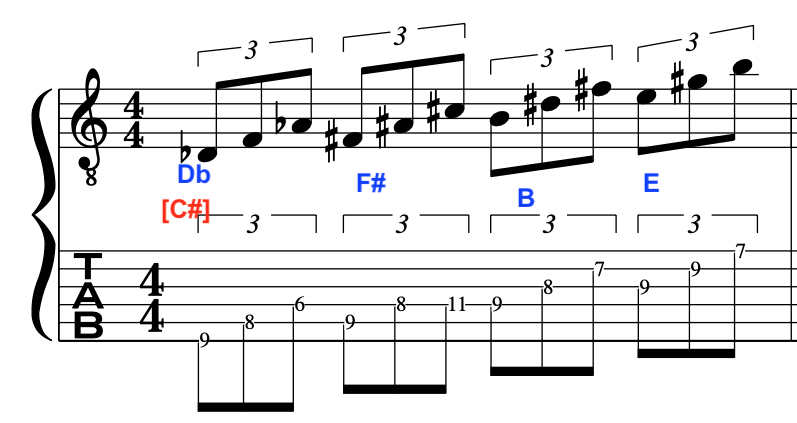
We will do this by exploiting the Cycle of 4ths in this simple 5 fret position.

al-di-meola-cycle-of-4ths

Here you can see that we have a huge amount of harmony available to us right under our fingertips. These chords don’t have to be Major, they can be minor, diminished, augmented etc. This gives us even more material to work with.

If we move down a fret [Semitone] then we have another set of harmony in 4ths awaiting us.

al-di-meola-cycle-of-4ths

Along, with this we have chord inversions and all of the inversions of A Major:

So, as you can see there is a huge amount of harmony right in front of us even in this one position that we can exploit and create lots of music from.

Lastly, let’s create another “String skipping intervallic” example:

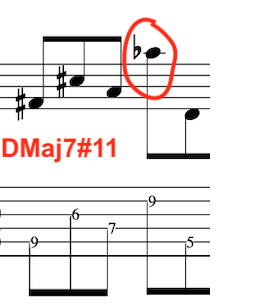
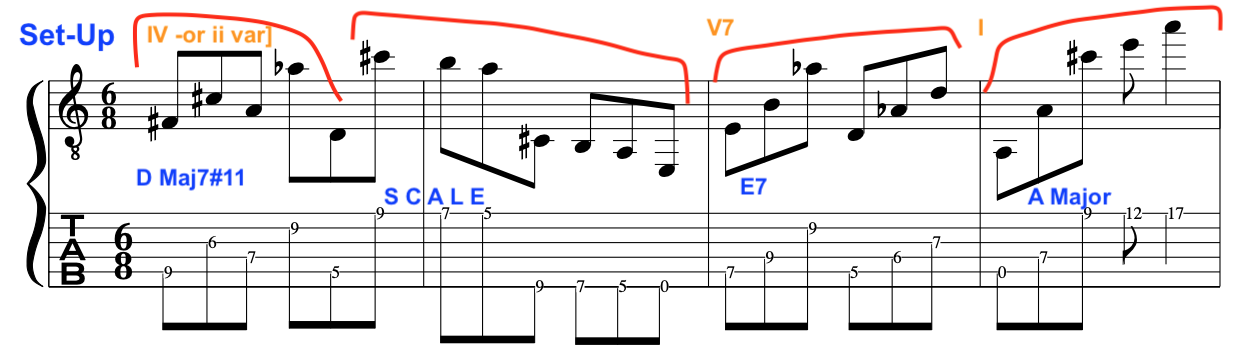
I’m going to create a phrase outlining a D Maj#11 chord.

al-di-meola-string-skipping

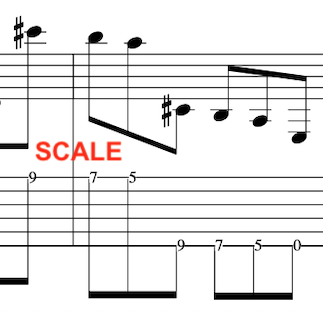
To make this sequence quite quick I am going to add some scale from high to low:

al-di-meola-string-skipping-scales

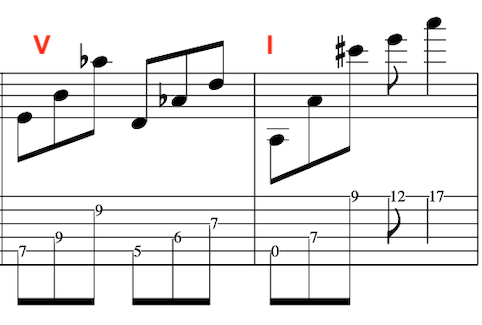
Now we will add a V -I cadence

Now, let’s view the whole line:

al-di-meola-string-skipping

PDF DOWNLOAD:

PDF DOWNLOAD 2:

IF THIS LESSON WAS OF USE TO YOU THEN PLEASE SUBSCRIBE TO US BELOW ON YOUTUBE, THANKS!