PolyModal “Chromaticism” WHAT MAKES IT SPECIAL?

yt_logo_rgb_light CLICK SUBSCRIBE!

Poly-Modal “Chromaticism” WHAT MAKES IT SPECIAL

PLEASE WATCH VIDEO ABOVE FOR IN DEPTH EXPLANATION:

We hear much polymodality and polytonality in modern music like, Jazz, fusion, progressive rock and 20c Classical,

Stravinsky Petrushka Chord: EXAMPLE

Stravinsky, Petrushka, Chord,
Stravinsky Petrushka Chord

But, for the most common example of PolyModal “Chromaticism” here is an example by Bela Bartok: This employs the joining together of C Phrygian and C Lydian [the same root] which in turn creates a full 12 note chromatic scale.

poly, modal, chromaticism,
PolyModal “Chromaticism” WHAT MAKES IT SPECIAL

But, there is a much more interesting and useful approach for a composer and improviser.

For this example we will join together C Dorian and C lydian [same root] and create a ten note scale:

poly, modal, chromaticism,
PolyModal “Chromaticism” WHAT MAKES IT SPECIAL

This Polymodal Chromatic approach is unique in that it is like an alchemical process where two different modes are put into the melting pot and give birth to new chords that appear in neither of the two modes that originally went into the pot.

poly, modal, chromaticism,
Poly-Modal “Chromaticism” WHAT MAKES IT SPECIAL

It doesn’t have to be Dorian and Lydian, but for this quick insight they are a good example of what can be achieved through this poly modal chromatic methodology.

EXAMPLE:

poly, modal, chromaticism,
PolyModal “Chromaticism” WHAT MAKES IT SPECIAL

SUPERIMPOSITION EXAMPLE:

poly, modal, chromaticism,
PolyModal “Chromaticism” WHAT MAKES IT SPECIAL

IF THIS LESSON WAS HELPFUL TO YOU THEN PLEASE SUBSCRIBE TO US BELOW ON YOUTUBE, THANKS!

GEORGE GARZONE -“Triadic Chromatic Approach” Principles Explained

yt_logo_rgb_light CLICK SUBSCRIBE!

GEORGE GARZONE -“Triadic Chromatic Approach”

PLEASE WATCH VIDEO FOR IN DEPTH ANALYSIS:

Before starting it is important to note that these principles are to be applied to major, minor, diminished and augmented: In this overview we will use “Major”only.

PART 1: Triadic

First we will take a simple C major root position triad. We can move DOWN a 1/2 step or UP a half step from the last note to connect the next triad:

george, garzone, triadic, chromatic, approach,
GEORGE GARZONE -“Triadic Chromatic Approach”

Predictable Example:

Here we can see that just adding another root position triad creates a non random and predictable sound.

george, garzone, triadic, chromatic, approach,
GEORGE GARZONE -“Triadic Chromatic Approach”

Correct Approach Example:

Here we create freshness by employing “Inversion” and “Displaced Permutations”.

george, garzone, triadic, chromatic, approach,
GEORGE GARZONE -“Triadic Chromatic Approach”

What are Displaced Permutations?

This means that we change the order of the notes. In this case although they are both in root position the order of the notes has been changed in the second triad. Hence this moves away from a more traditional sound/approach.

george, garzone, triadic, chromatic, approach,
GEORGE GARZONE -“Triadic Chromatic Approach”

Also, because the last note is the 3rd of C Major it is considered a 1st Inversion:

GEORGE GARZONE -“Triadic Chromatic Approach”

Now lets add another triad to this:

george, garzone, triadic, chromatic, approach,
GEORGE GARZONE -“Triadic Chromatic Approach”

Predictable “Improper” application:

Below is an example of predictable repeated connections/patterns:

george, garzone, triadic, chromatic, approach,
GEORGE GARZONE -“Triadic Chromatic Approach”

Correct Application Example:

Here we have an imaginative less predictable and more random sounding line.

george, garzone, triadic, chromatic, approach,
GEORGE GARZONE -“Triadic Chromatic Approach”

PART 2: A Chromatic Approach:

Within the interval of a Major 3rd there are five 1/2 steps. [We will use C to E as an example]

george, garzone, triadic, chromatic, approach,
GEORGE GARZONE -“Triadic Chromatic Approach”

These five 1/2 steps cannot be used in a consecutive manner and must stay within the interval of a major 3rd.

george, garzone, triadic, chromatic, approach,
GEORGE GARZONE -“Triadic Chromatic Approach”

RANDOM Chromatic Method: EXAMPLES

Here are some example of how this works

Example:1

george, garzone, triadic, chromatic, approach,
GEORGE GARZONE -“Triadic Chromatic Approach”

Example 2:

george, garzone, triadic, chromatic, approach,
GEORGE GARZONE -“Triadic Chromatic Approach”

Example: 3

george, garzone, triadic, chromatic, approach,
GEORGE GARZONE -“Triadic Chromatic Approach”

ii V7 I’s with applied Chromatic Approach:

Here are two examples where the George Garzone approach is applied

Example 1

george, garzone, triadic, chromatic, approach,
GEORGE GARZONE -“Triadic Chromatic Approach”

Example 2

george, garzone, triadic, chromatic, approach,
GEORGE GARZONE -“Triadic Chromatic Approach”

PART 3:

Finally, here are a few ideas with the principles applied to harmony:

Idea 1

george, garzone, triadic, chromatic, approach,
GEORGE GARZONE -“Triadic Chromatic Approach”

Idea 2

george, garzone, triadic, chromatic, approach,
GEORGE GARZONE -“Triadic Chromatic Approach”

Idea 3

george, garzone, triadic, chromatic, approach,
GEORGE GARZONE -“Triadic Chromatic Approach”

IF THIS LESSON WAS OF USE TO YOU THEN PLEASE SUBSCRIBE TO US BELOW ON YOUTUBE, THANKS!

Short “Shakti”John McLaughlin style guitar lick

yt_logo_rgb_light CLICK SUBSCRIBE!

Short John McLaughlin style “Shakti” guitar lick

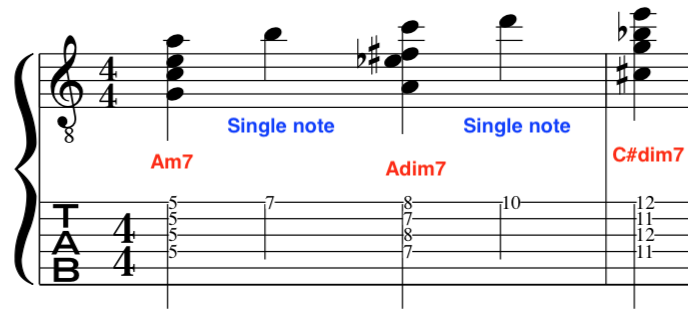
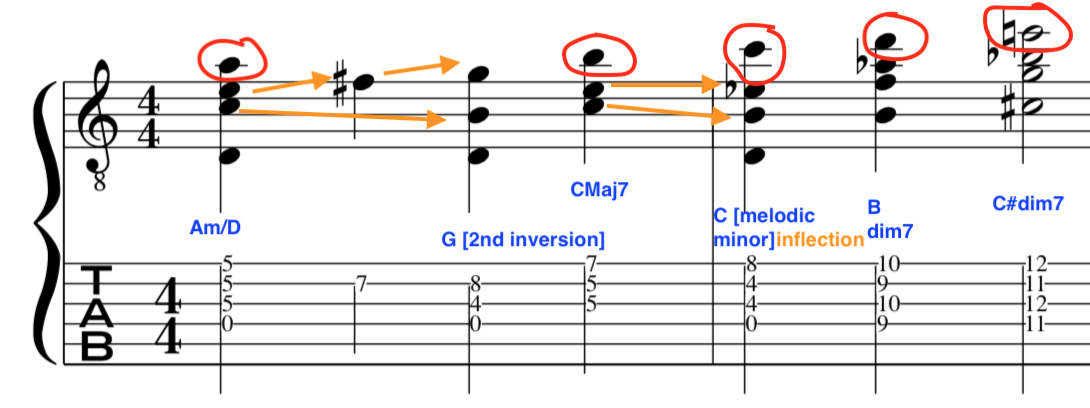
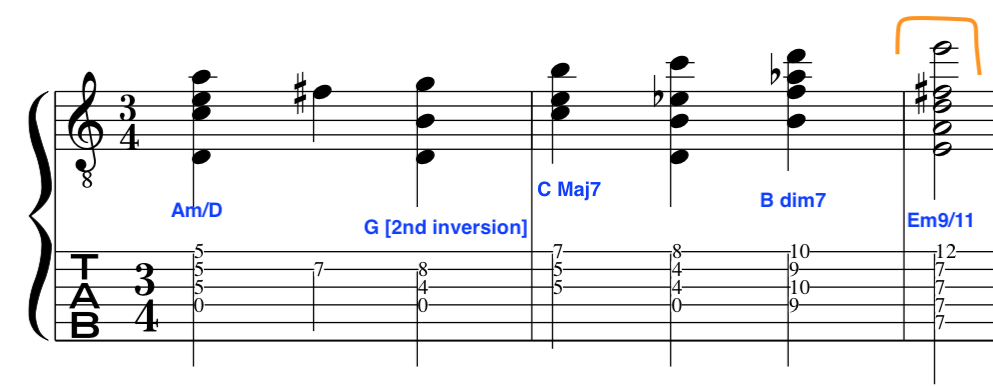
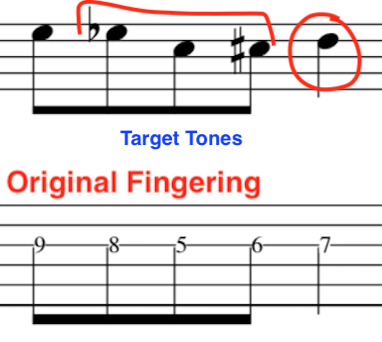
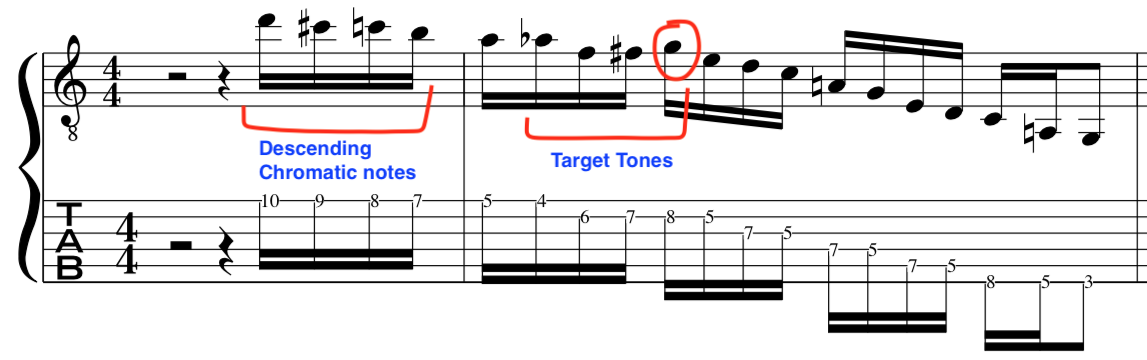
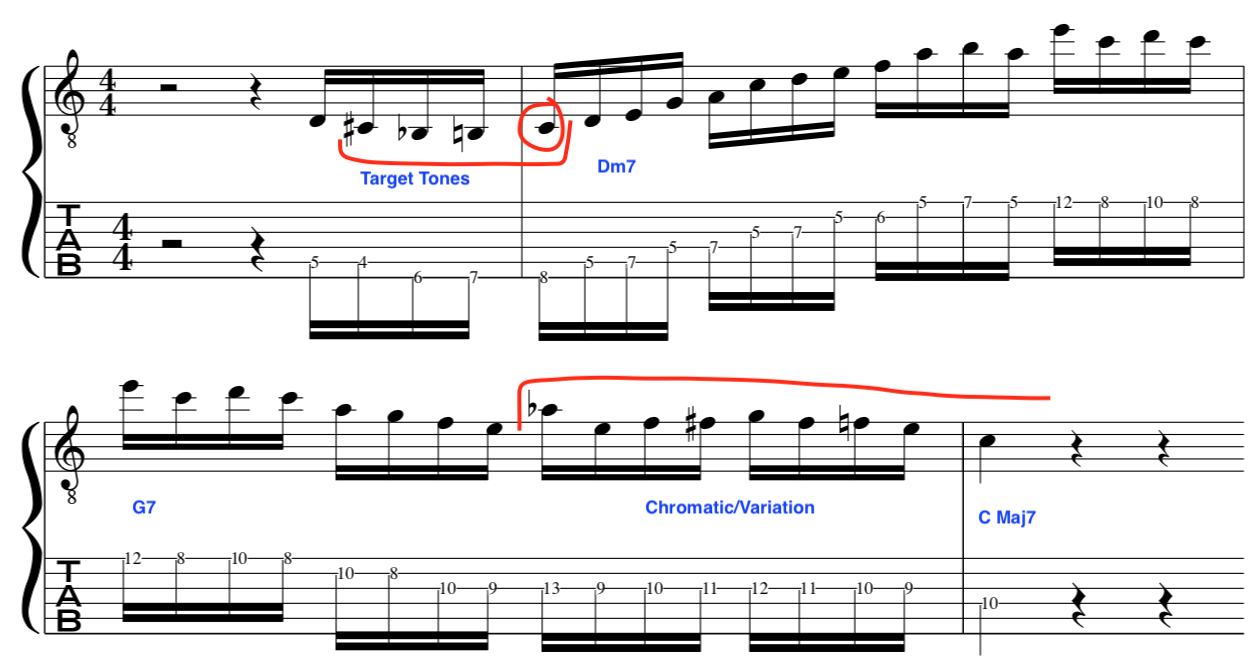
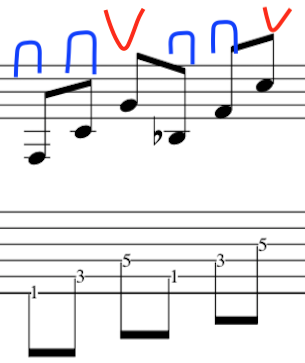
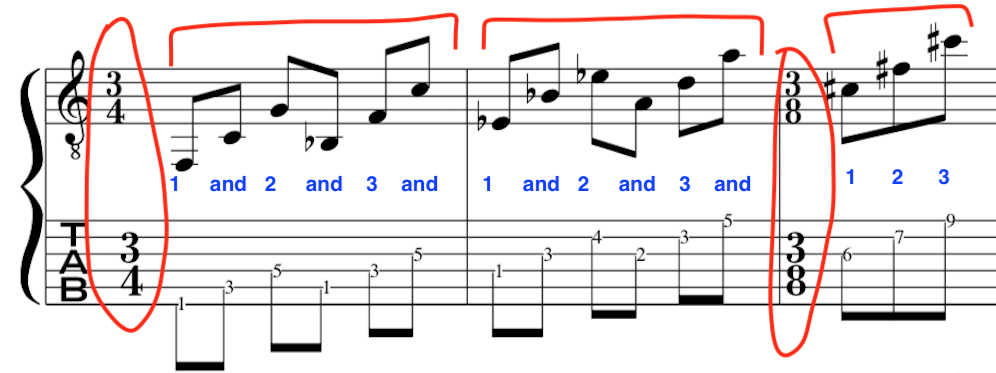
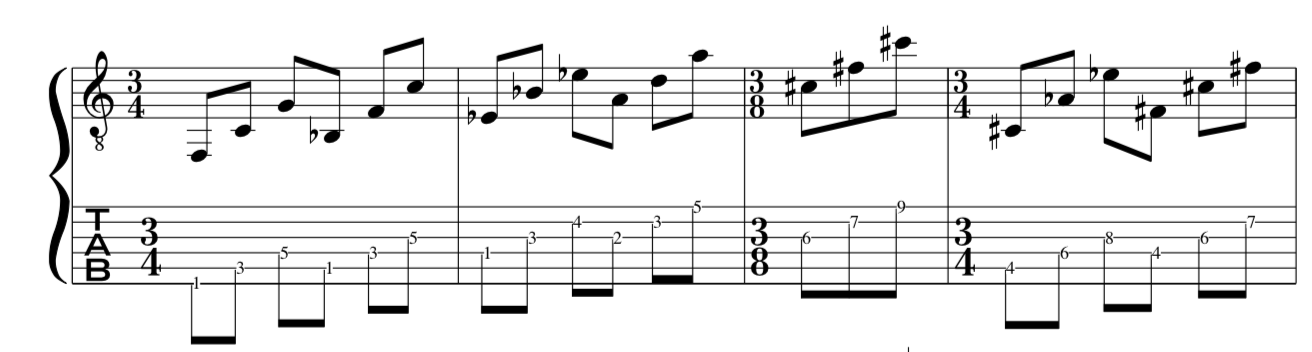
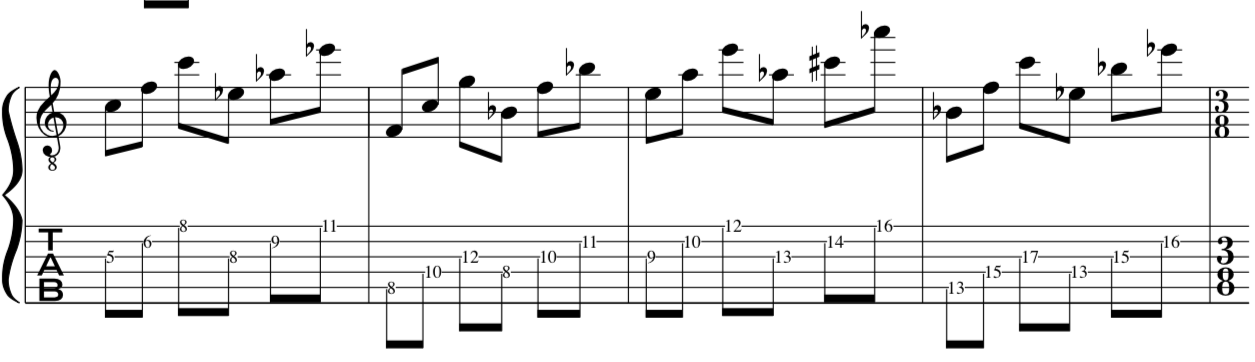
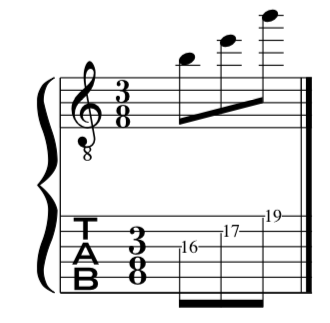
TAB/NOTATION:

shakti, john, mclaughlin,guitar,lesson
John McLaughlin style “Shakti” guitar lick

Only a youtube shorts lick today : But if you like this then please Subscribe to us on Youtube below for more, Thanks!