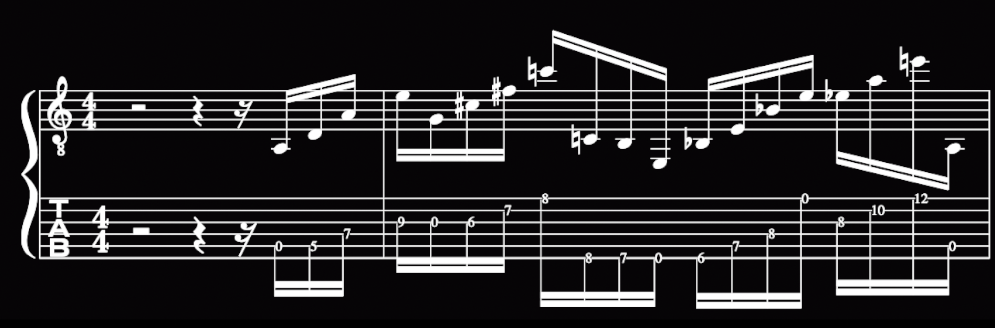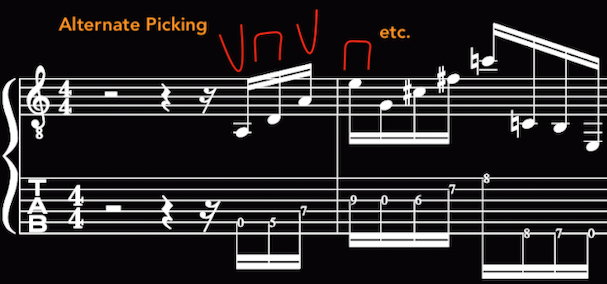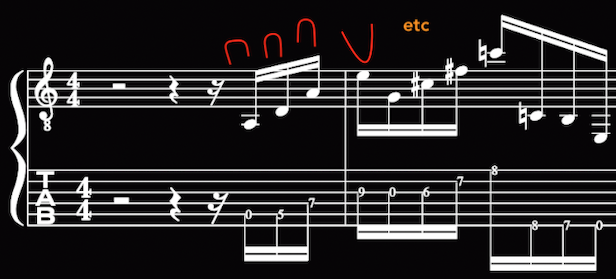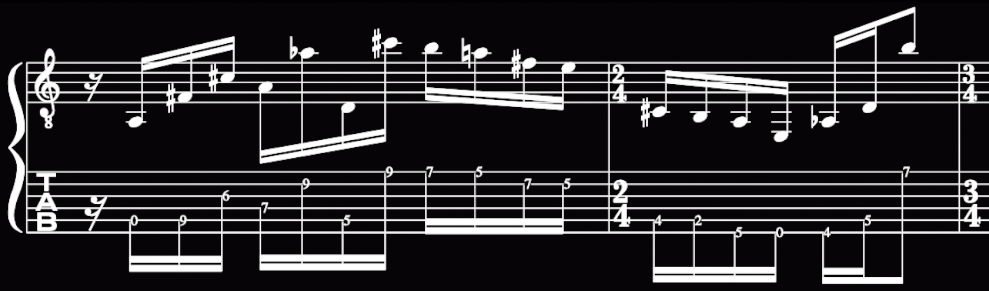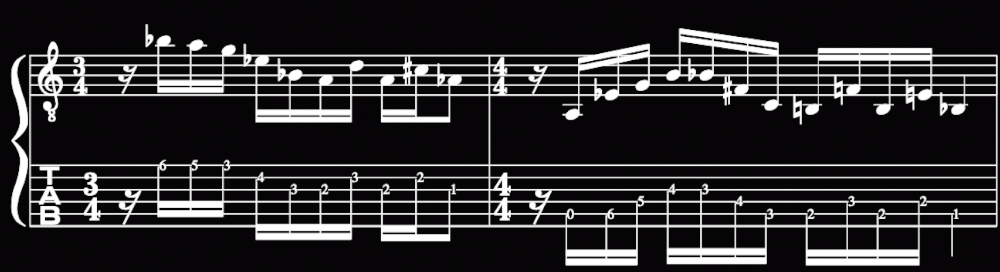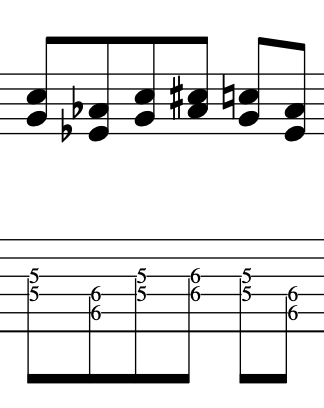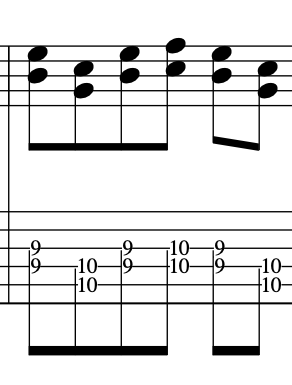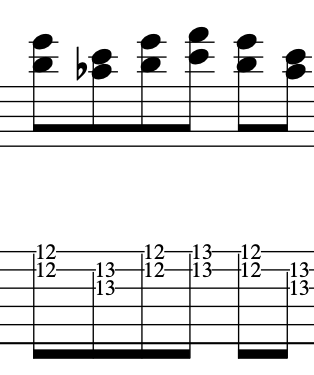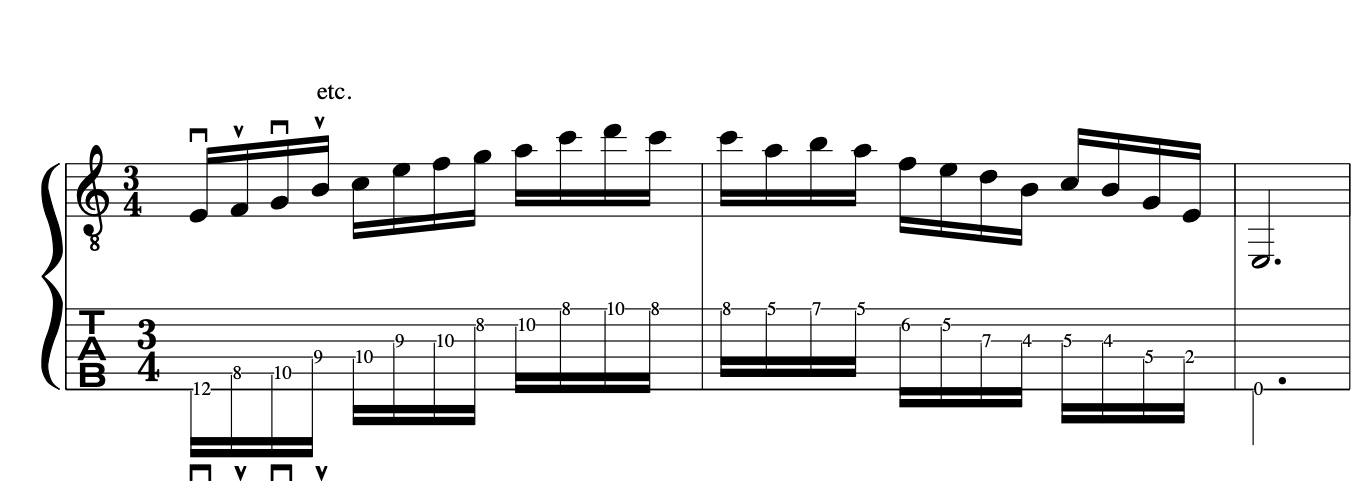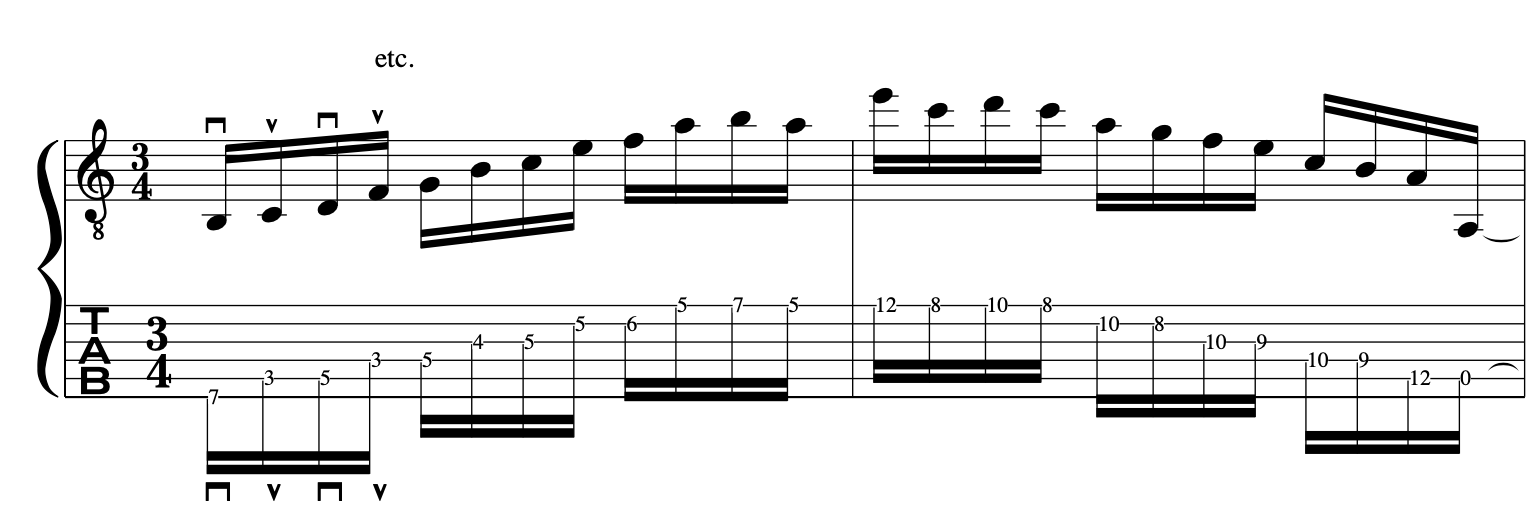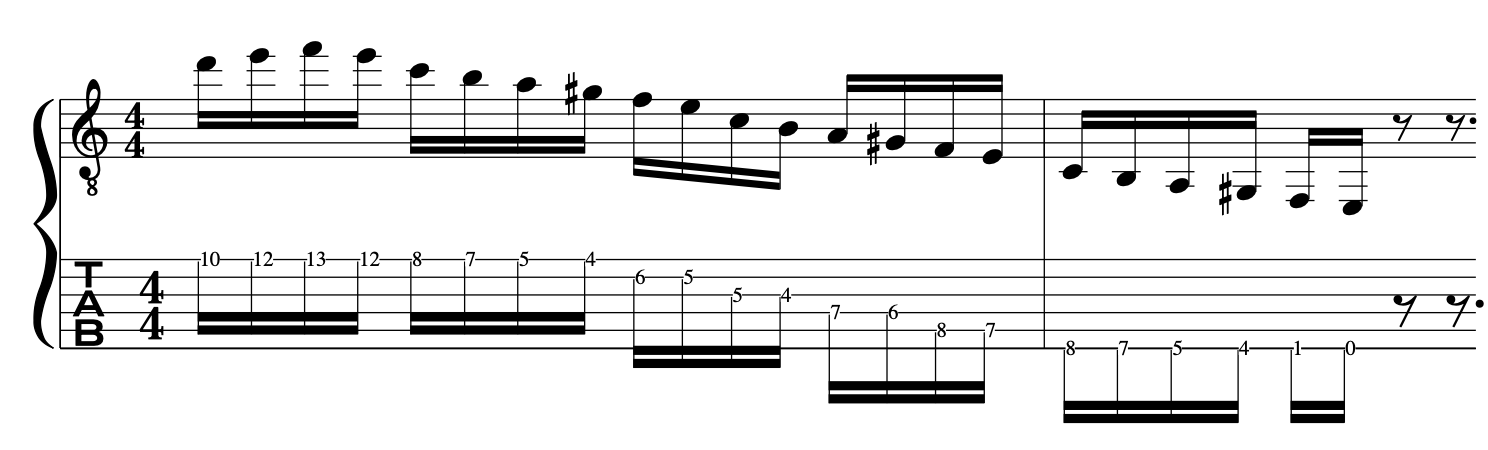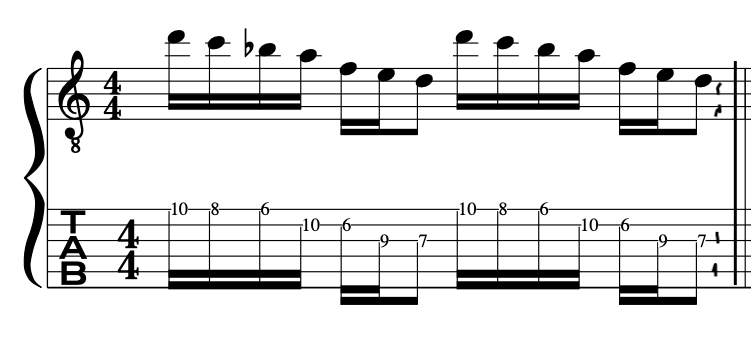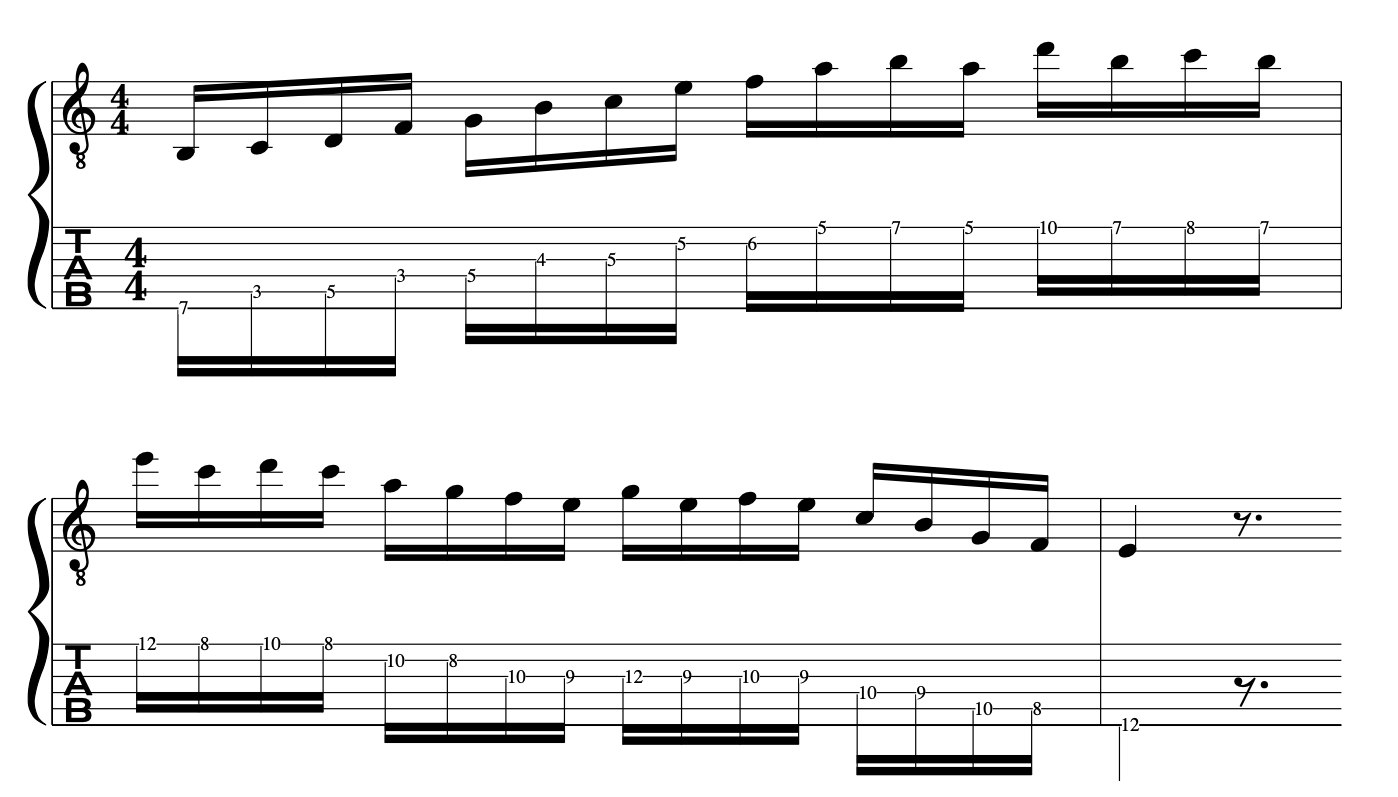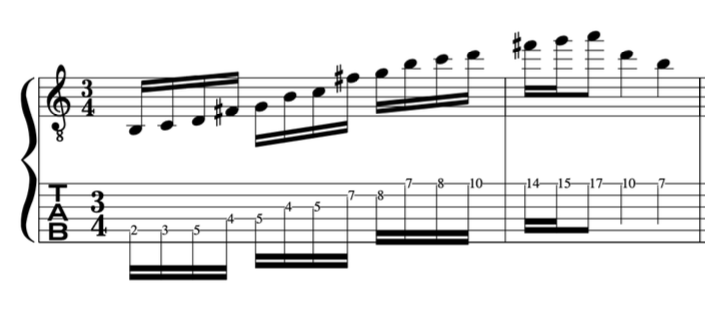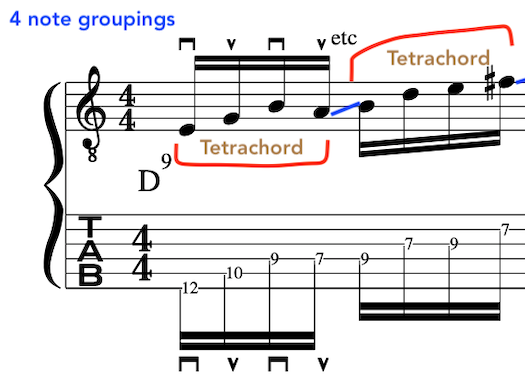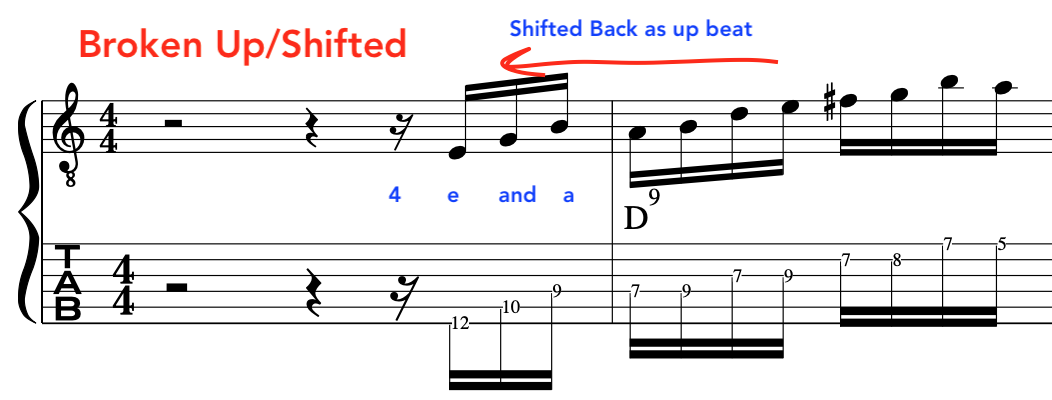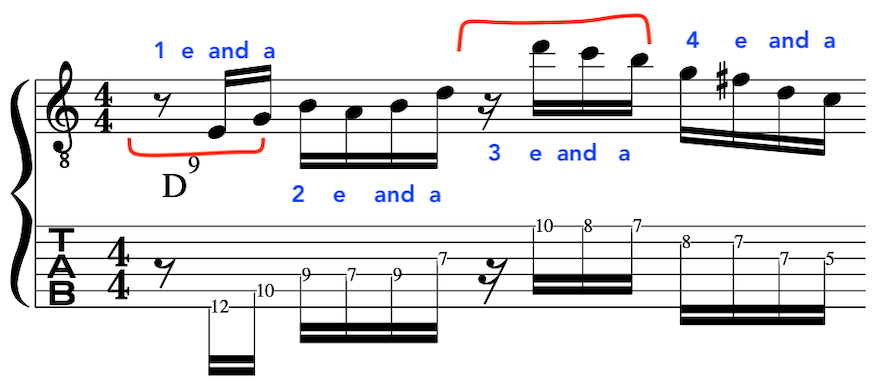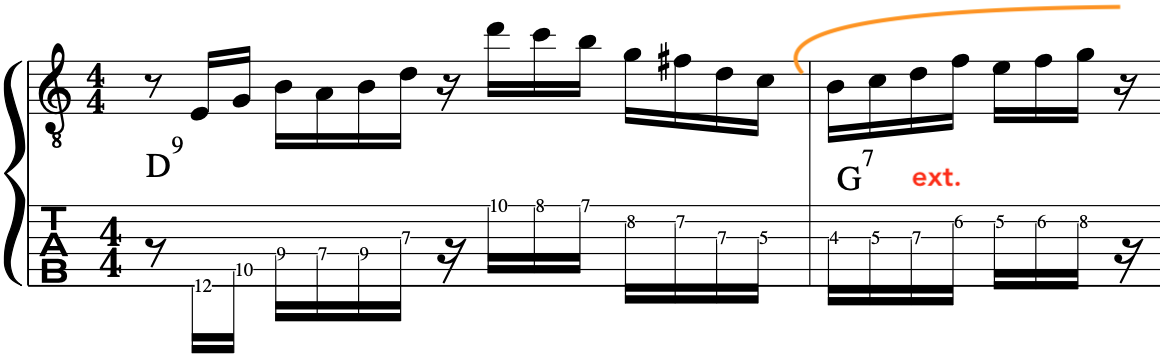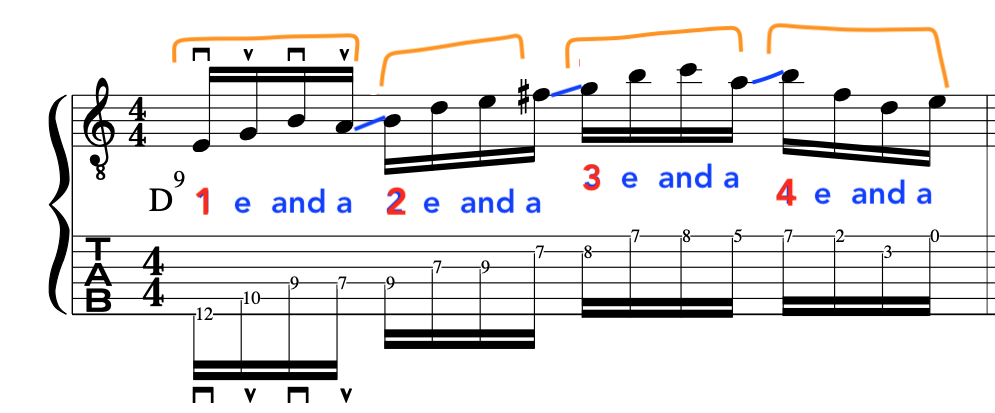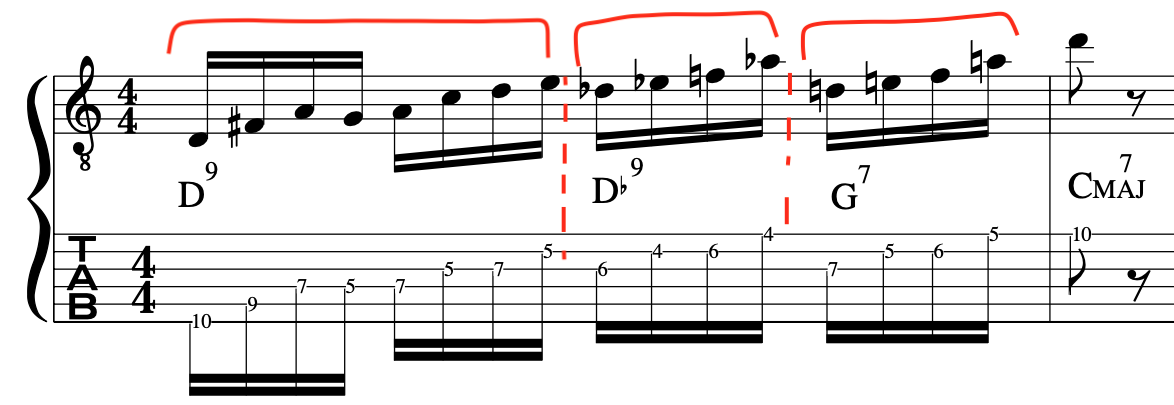
Today we have 3 mid tempo 130-150 Bpm alternate picking jazz fusion cadence guitar lines.
They all employ the same principles of barring, a bit of scale and arpeggio.
This first line starts on an “Upstroke” alternate picking on the up beat. This in turn will let us start on the beat with a down stroke on the first beat of the next bar alternate picking.
Before starting it is important to note that these principles are to be applied to major, minor, diminished and augmented: In this overview we will use “Major”only.
PART 1: Triadic
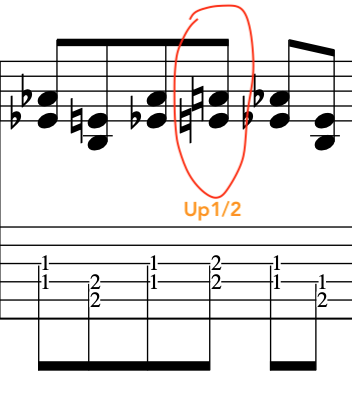
First we will take a simple C major root position triad. We can move DOWN a 1/2 step or UP a half step from the last note to connect the next triad:
GEORGE GARZONE -“Triadic Chromatic Approach”
Predictable Example:
Here we can see that just adding another root position triad creates a non random and predictable sound.
GEORGE GARZONE -“Triadic Chromatic Approach”
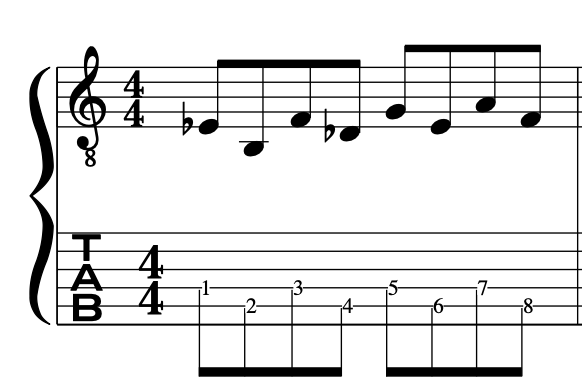
Correct Approach Example:
Here we create freshness by employing “Inversion” and “Displaced Permutations”.
GEORGE GARZONE -“Triadic Chromatic Approach”
What are Displaced Permutations?
This means that we change the order of the notes. In this case although they are both in root position the order of the notes has been changed in the second triad. Hence this moves away from a more traditional sound/approach.
GEORGE GARZONE -“Triadic Chromatic Approach”
Also, because the last note is the 3rd of C Major it is considered a 1st Inversion:
GEORGE GARZONE -“Triadic Chromatic Approach”
Now lets add another triad to this:
GEORGE GARZONE -“Triadic Chromatic Approach”
Predictable “Improper” application:
Below is an example of predictable repeated connections/patterns:
GEORGE GARZONE -“Triadic Chromatic Approach”
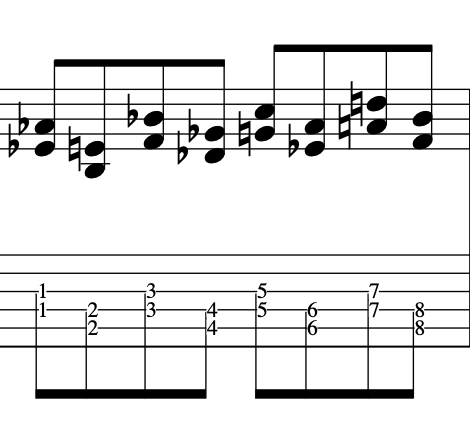
Correct Application Example:
Here we have an imaginative less predictable and more random sounding line.
GEORGE GARZONE -“Triadic Chromatic Approach”
PART 2: A Chromatic Approach:
Within the interval of a Major 3rd there are five 1/2 steps. [We will use C to E as an example]
GEORGE GARZONE -“Triadic Chromatic Approach”
These five 1/2 steps cannot be used in a consecutive manner and must stay within the interval of a major 3rd.
GEORGE GARZONE -“Triadic Chromatic Approach”
RANDOM Chromatic Method: EXAMPLES
Here are some example of how this works
Example:1
GEORGE GARZONE -“Triadic Chromatic Approach”
Example 2:
GEORGE GARZONE -“Triadic Chromatic Approach”
Example: 3
GEORGE GARZONE -“Triadic Chromatic Approach”
ii V7 I’s with applied Chromatic Approach:
Here are two examples where the George Garzone approach is applied
Example 1
GEORGE GARZONE -“Triadic Chromatic Approach”
Example 2
GEORGE GARZONE -“Triadic Chromatic Approach”
PART 3:
Finally, here are a few ideas with the principles applied to harmony:
Idea 1
GEORGE GARZONE -“Triadic Chromatic Approach”
Idea 2
GEORGE GARZONE -“Triadic Chromatic Approach”
Idea 3
GEORGE GARZONE -“Triadic Chromatic Approach”
IF THIS LESSON WAS OF USE TO YOU THEN PLEASE SUBSCRIBE TO US BELOW ON YOUTUBE, THANKS!
Michael Brecker Chromatic Jazz Guitar Line Exercise
PLEASE: Watch video above for detailed analysis:
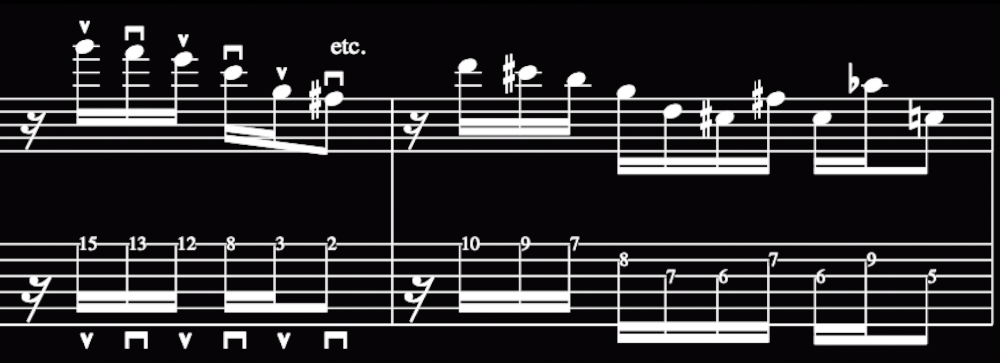
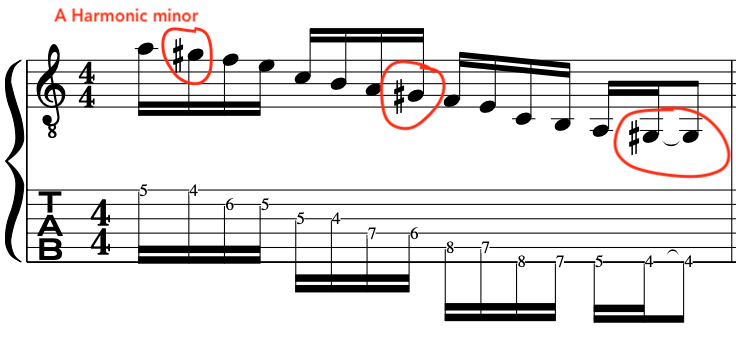
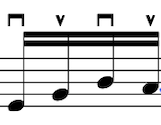
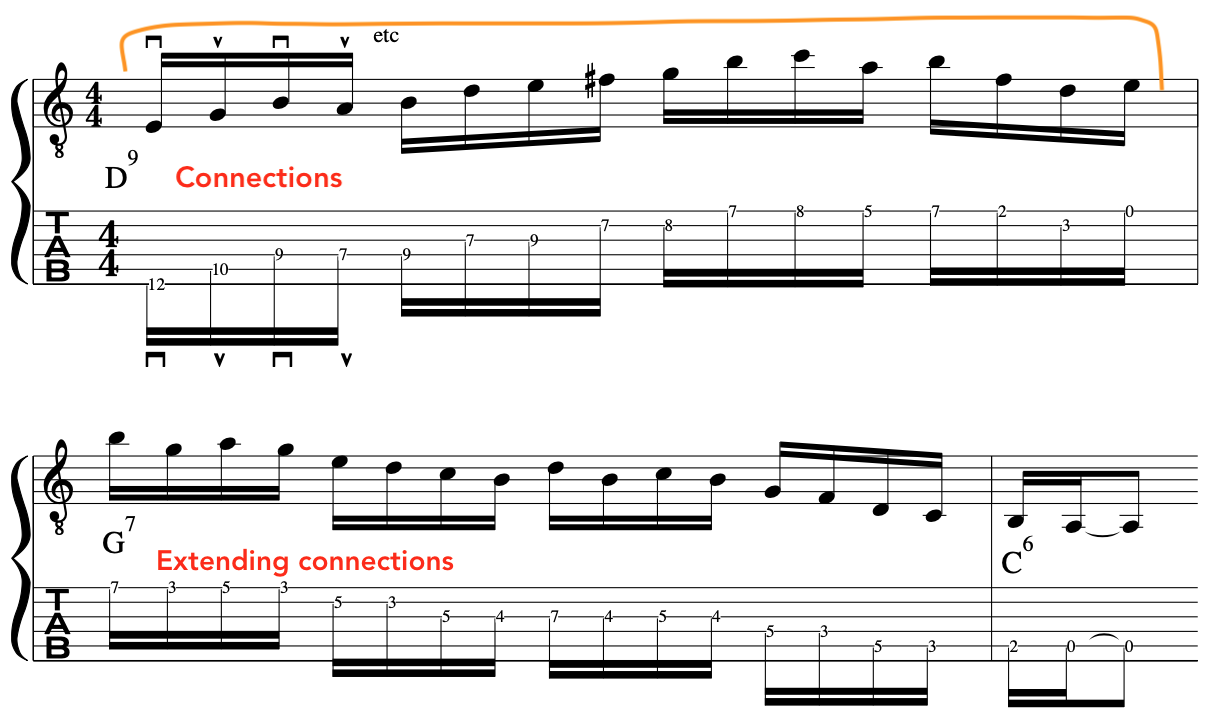
This Michael Brecker sax line is an excellent exercise for alternate picking guitar technique. The key is to accent the 1st and 3rd notes [Downstrokes] as this will keep the chromatic 4 note “Even” groupings smooth.
Michael Brecker Chromatic Jazz Guitar Line Exercise
The employment of chromaticism and target tones [deliberately “Even” for alternate picking] scale fragments and an arpeggio makes this an extremely useful exercise for linking together improvising ingredients.
Michael Brecker Chromatic Jazz Guitar Line Exercise
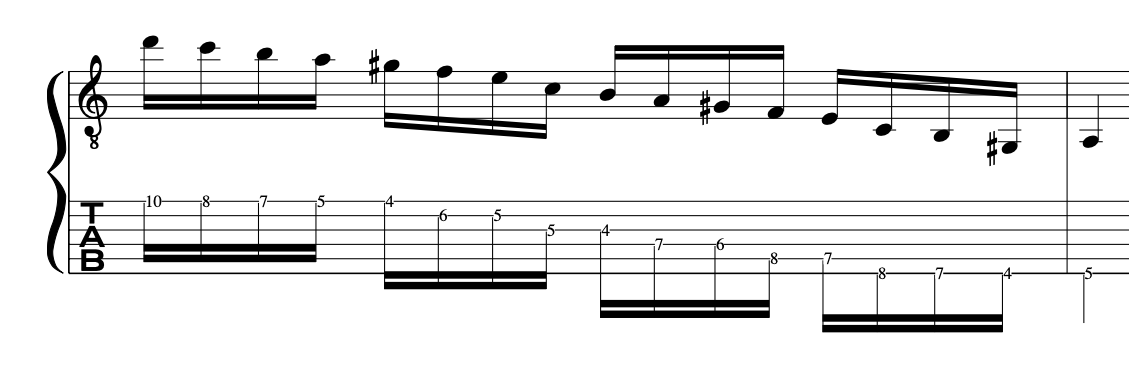
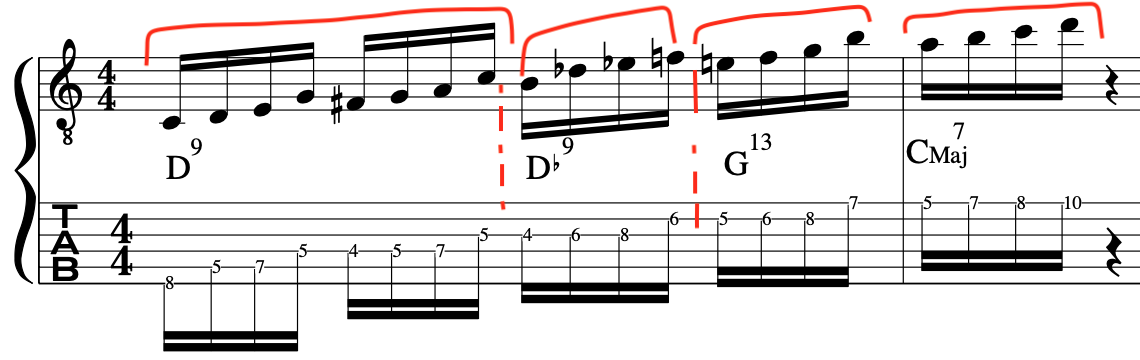
VARIATION: At End
Michael Brecker Chromatic Jazz Guitar Line Exercise