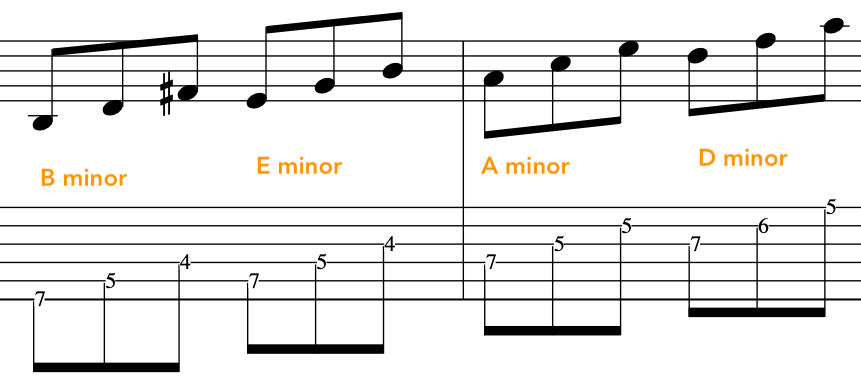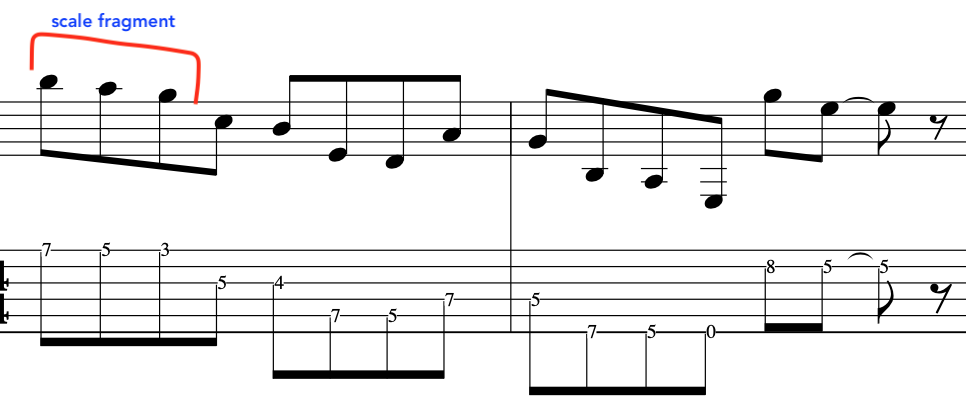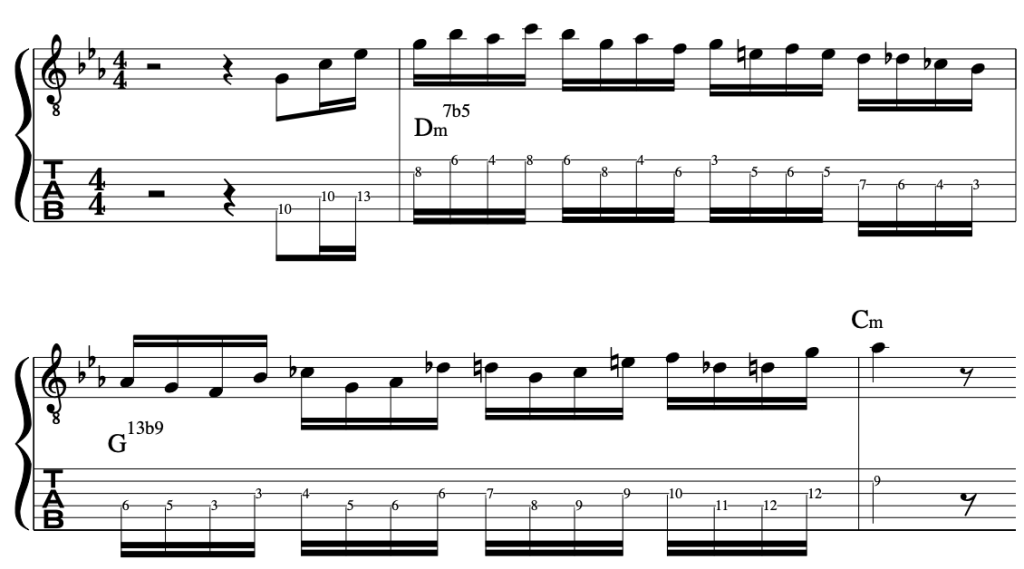
Easier way to improvise with Music Modes [Guitar]

CLICK SUBSCRIBE!

IMPORTANT: Please watch video above for detailed info:

Hi Guys,

Today, a quick look at another way of exploiting modes/improvisation on the guitar fingerboard.

We will be creating music via concepts/musical tools based on this minor shape.
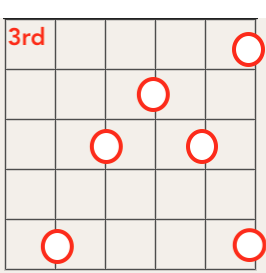
minor-topic-pat-martino
simplified-modal-guitar-explanation

Why do this?

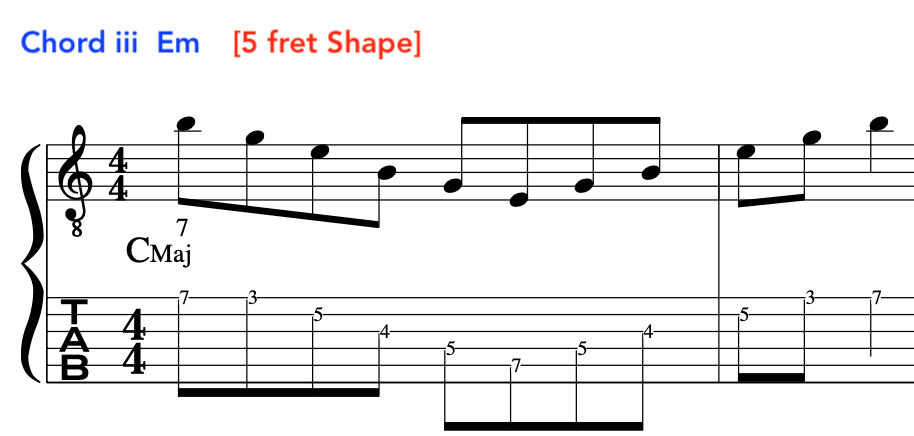
Because with this 5 fret shape arpeggio we can easily create:
simplified-modal-guitar-explanation

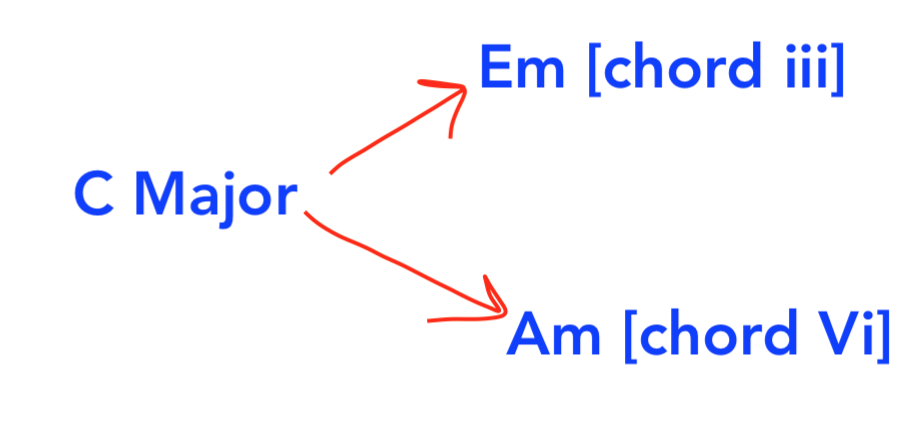
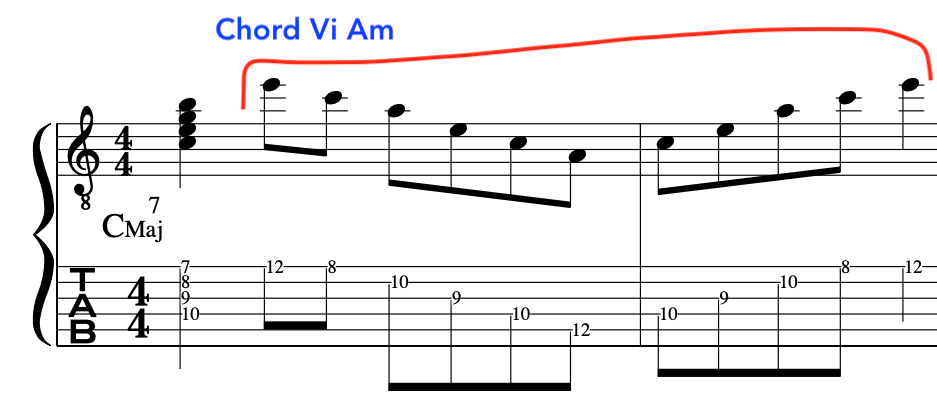
So, for instance in C Major [Ionian] we can take chord iii and Vi arpeggio shapes as a solid base and create/develop improvisation-as opposed to learning millions of scale/mode shapes/patterns etc.
minor-topic-guitar-modes
simplified-modal-guitar-tablature

With this as a base we can develop proper musical lines and rhythmic phrasing

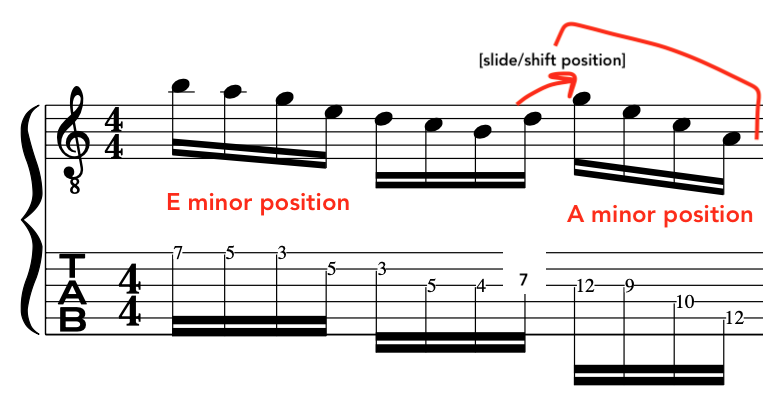
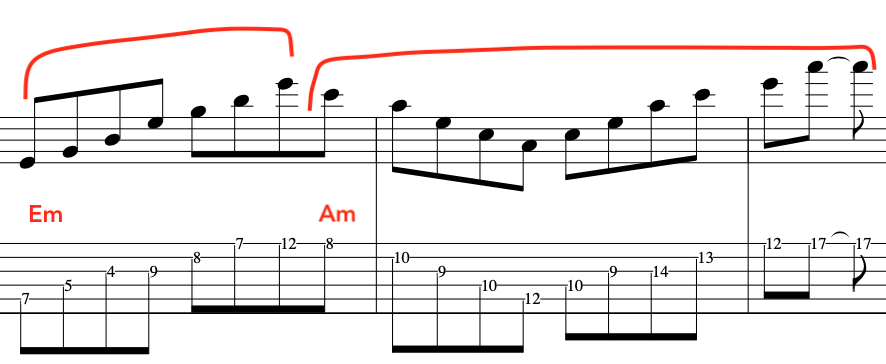
Before we start it’s important to see how easily chords iii and Vi link together:
simplified-modal-guitar-explanation

Example:

modes-guitar-simplified-tab

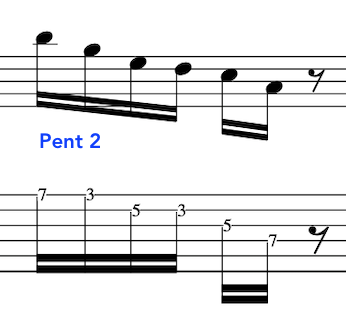
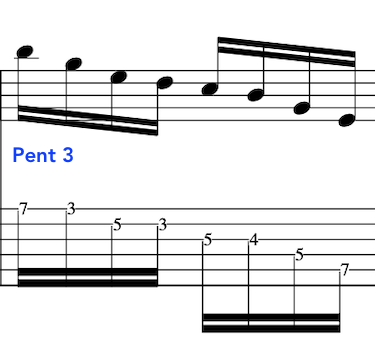
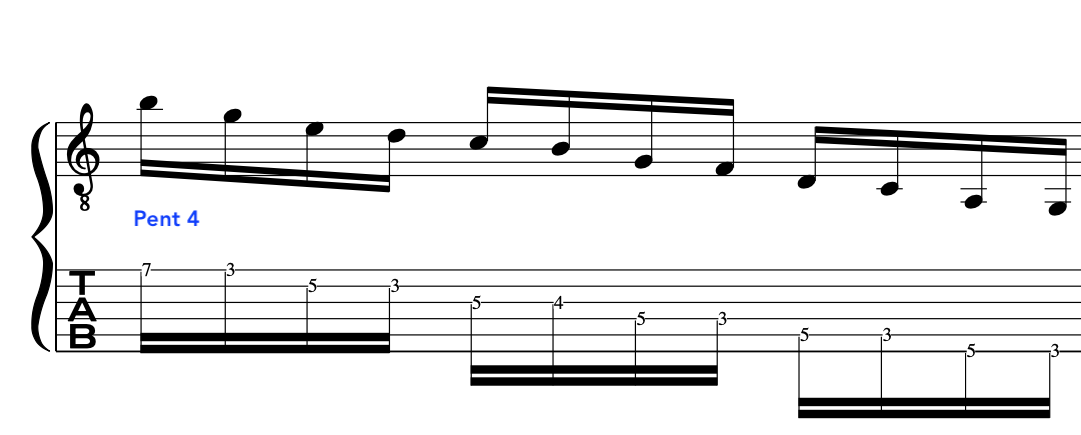
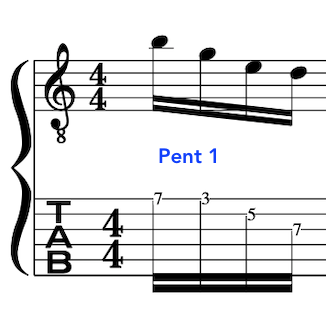
The first thing to be aware of is the basic pentatonic’s right under our fingertips with this arpeggio shape:

[These pentatonic’s give us some basic building blocks from the outset]:
guitar-modes-pentatonics
guitar-modes-pentatonics-simplified

QUARTAL SOUNDS

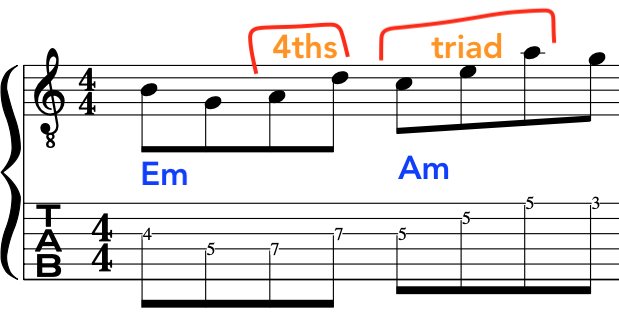
Next let’s add some 4ths for a Quartal jazz/fusion-esque sound:

Descending:
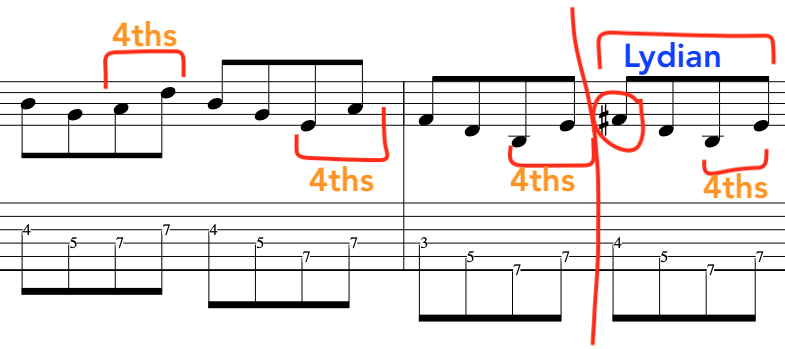
guitar-modes-4ths-jazz-simplified

Ascending:

guitar-modes-4ths-jazz-simplified

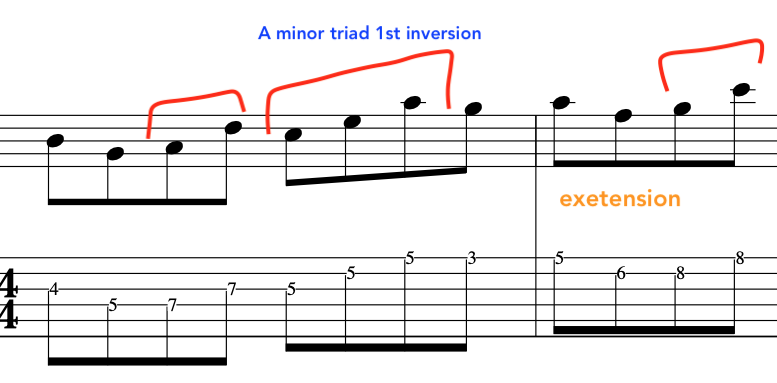
With extension

guitar-modes-4ths-jazz-simplified

Basic Quartal fingerboard movement:

guitar-modes-4ths-jazz-simplified

CYLE OF 4THS

Another thing to take into consideration is the cycle of 4ths under our fingertips:
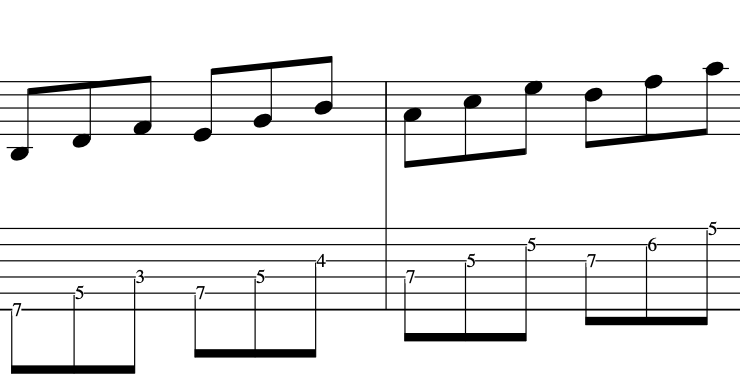
cycle-4ths-guitar-modes

Remember that we can also make these, major, minor, diminished or augmented:

For instance all major:
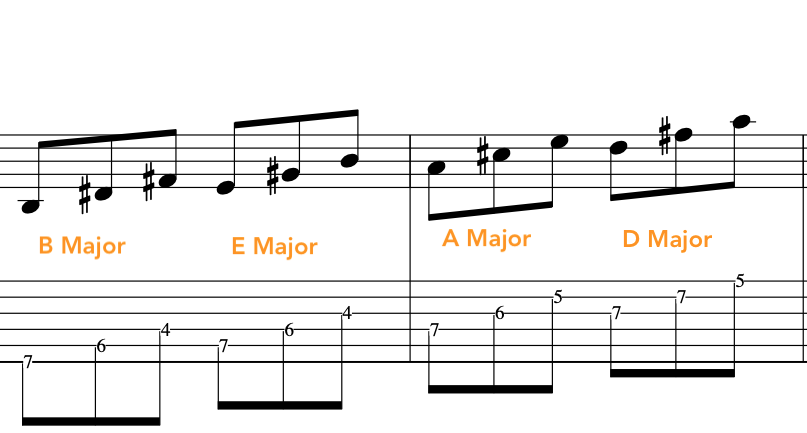
cycle-4ths-guitar-modes

All minor

cycle-4ths-guitar-modes

[This gives us even more colour and choices for chromaticism/chromatic movement right under our fingertips once again]

TARGET TONES/APPROACH NOTES [JAZZ CHROMATICS]

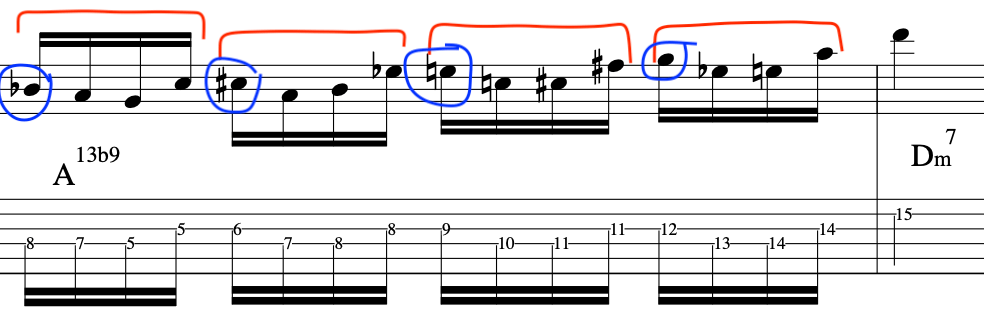
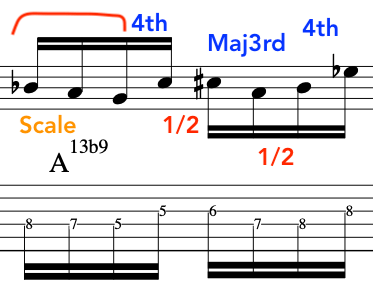
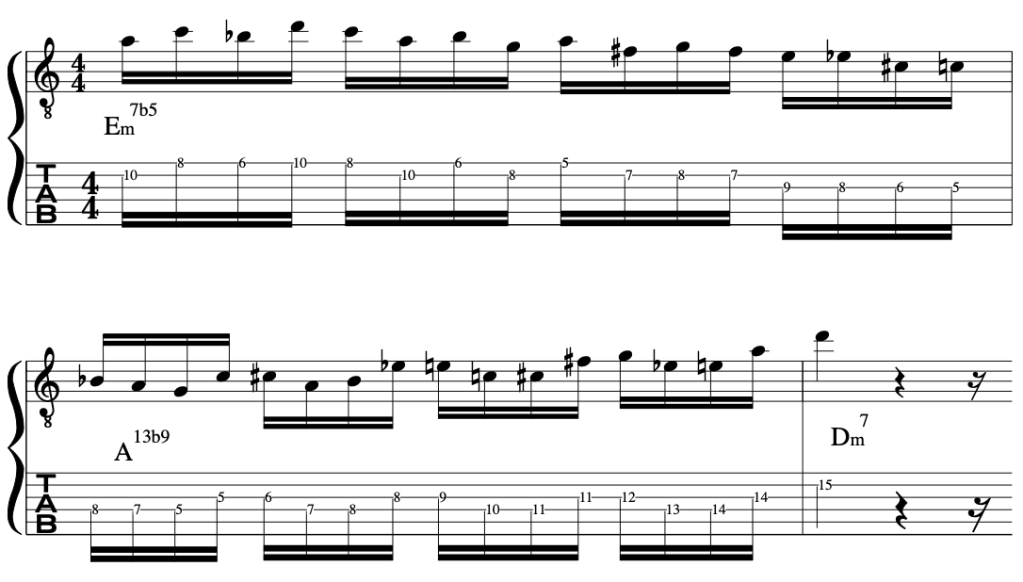
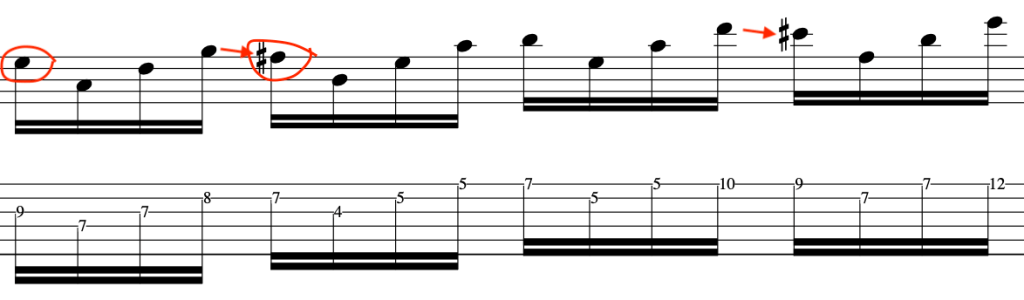
Below, we can see the set-up for target tones with this Em arpeggio shape:
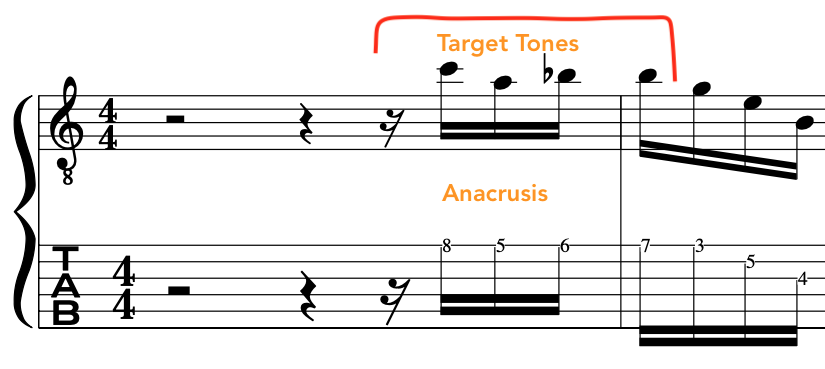
target-tones-modal-guitar-explained

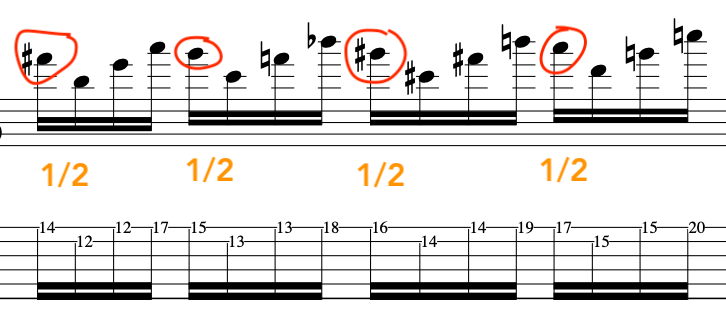
We can also add some chromatic notes to this to create a longer jazzy-esque line:
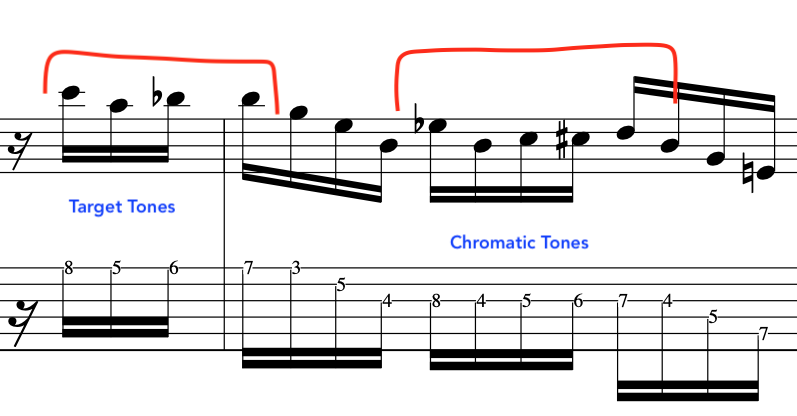
target-tones-modal-guitar-explained

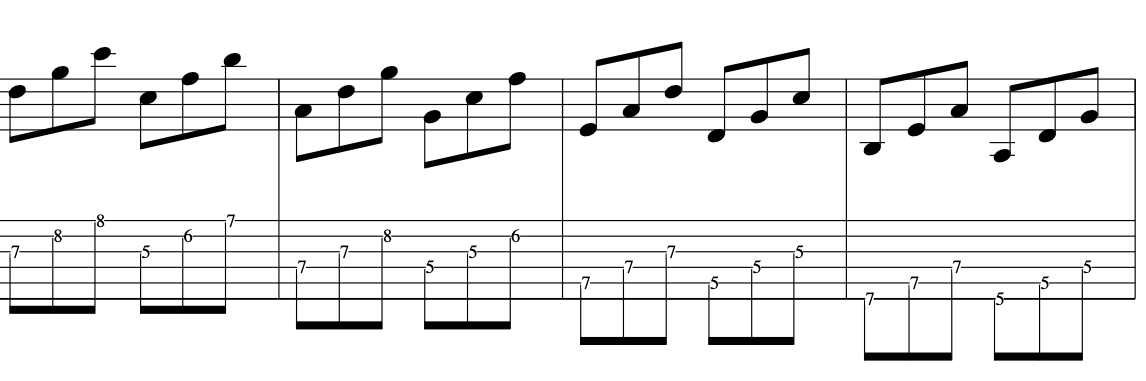
String Skipping Petnatonic’s

String skipping works well because it removes familiarity/cliches from the ear:

Here are two examples:
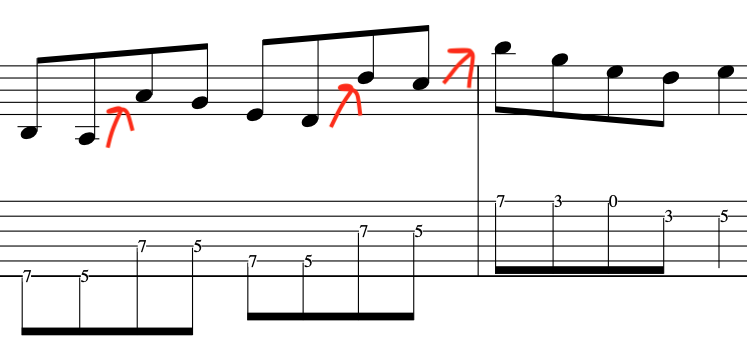
modal-guitar-string-skipping

Example 2:

modal-guitar-string-skipping

PAIRING TRIADS

Lastly pairing triads works really. Here is a Lydian example:
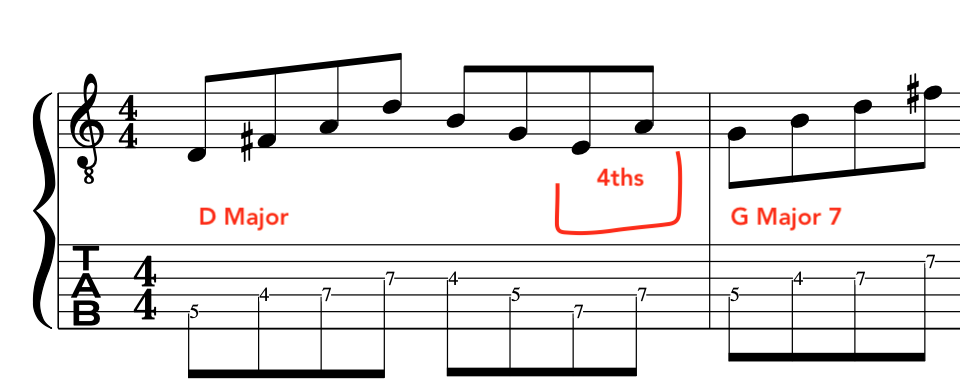
triad-pairs-modes-guitar-simplified

conclusion

This blog has only really touched on this way of thinking, but, you can see how easy it is to make connecting lines and musical phrasing and how to exploit improvisation tools from this simple minor arpeggio shape.

THANKS FOR VIEWING!…IF THIS LESSON WAS OF USE TO YOU THEN PLEASE SUBSCRIBE TO US BELOW ON YOUTUBE, THANKS!
Guitarist John McLaughlin’s use of the Diminished Scale for Chords and Improvisation:

Modern Jazz Fusion Chords part 2. Steely Dan, Dan Chord and Slash Chords

Hi Guys,

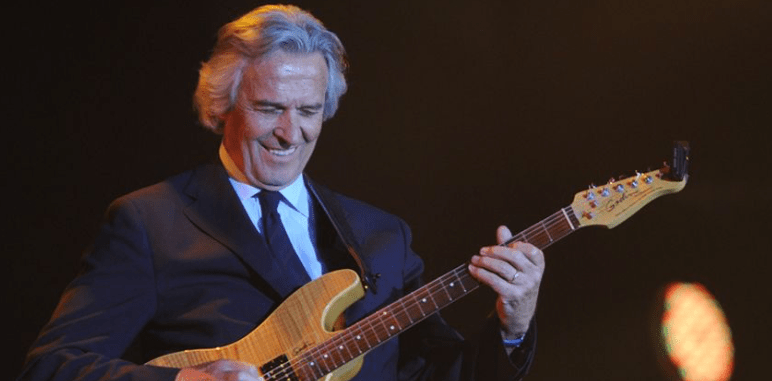
Today, a look at how jazz guitar legend John McLaughlin makes cool and original sounding jazz lines from the diminished scale when improvising.

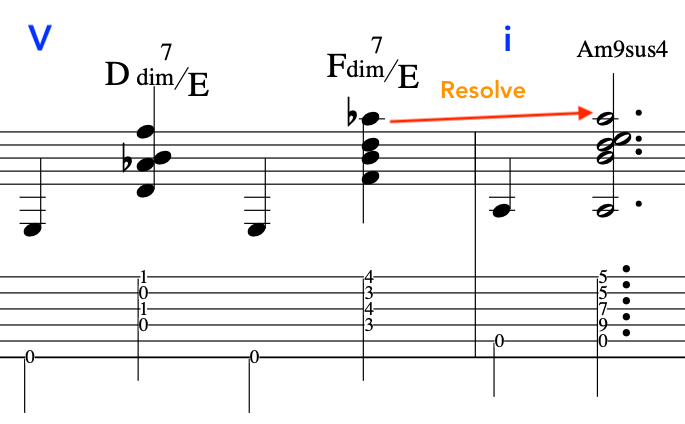
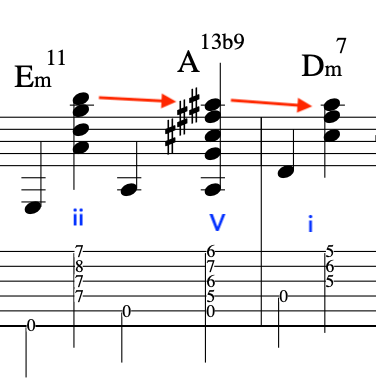
First of all, let’s apply a couple of Dim7 substitutions for the Dom7b9 chord.

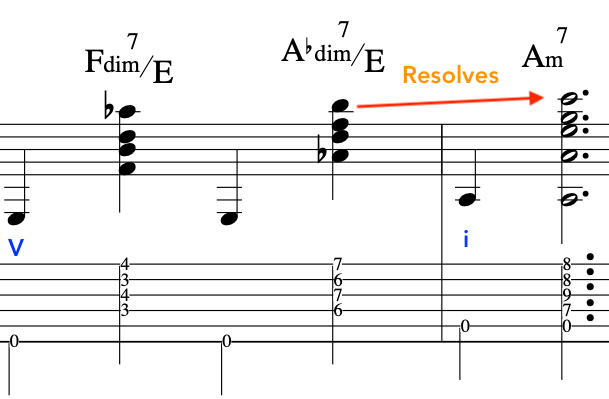
In the example below, for the E7b9 chord we will employ Ddim7, Fdim7 chords over an E bass for a V to i cadence.

Notice that the top line resolves:

john_mclaughlin_jazz_guitar_diminished_scale_chords_example

Once again, the top line has a smooth half step resolution:

john_mclaughlin_jazz_guitar_diminished_scale_chords_example

This time, we will employ the Dom13b9 chord in a full ii V i cadence.

As, in our previous examples, acknowledge the descending chromatic movement– resolving in the top line.

john_mclaughlin_jazz_guitar_diminished_scale_example

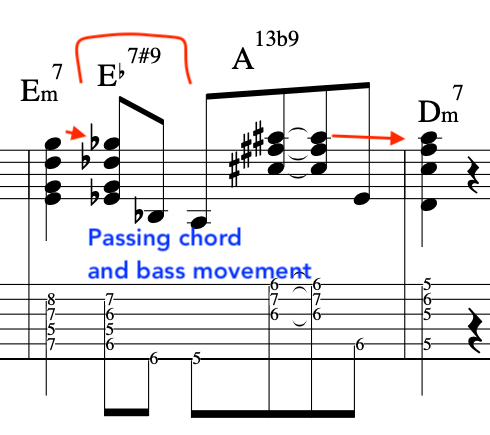
This time, we will add a passing chord. This will be Eb7#9. This falls smoothly from the Em7 chord.

We will also add a little bit of bass movement.

Also, in this example, we have two 1/2 step resolutions in the top line.

john_mclaughlin_jazz_guitar_diminished_chords_example

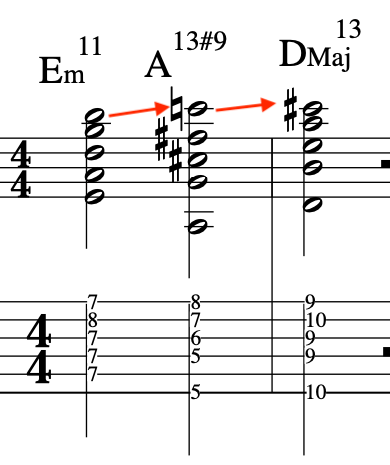
Finally, we will exploit a Dom13#9 chord as part of the ii V I cadence. [Once again, notice the chromatic moment on the 1st string/top line as we ascend this time].

john_mclaughlin_jazz_guitar_diminished_chords_example

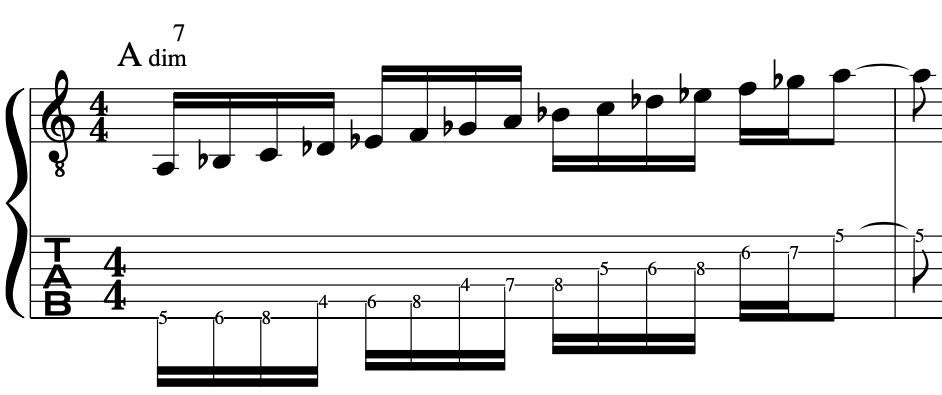
Another interesting concept that John employs, is to use the “Ultra Locrian” mode or the 7th mode of the harmonic minor scale when dealing with diminished chords.

Here is the scale/mode over an Adim7 chord.

ultra_locrian_scale_mode_john_mclaughlin_guitar_example

What puts John in a league of his own, is his avoidance of the usual tired diminished cliches .

Here, is an excellent example where John sequences in minor thirds. This though is an original, fresh and highly unique way of approaching diminished harmony and hence breaks the chain of cliches.

john_mclaughlin_jazz_guitar_diminished_scale_example

These 4 note groupings of tetrachords work great for sequencing with quick alternate picking guitar technique. [Starting on a down stroke]

Looking at our example more closely we can clearly see the manipulation of intervals within the diminished scale/harmony.

john_mclaughlin_jazz_guitar_diminished_scale_example

This is what sets the great improvisers apart.

In this disguised manner the ascent in minor 3rds has a fresh interest to the ear due to the creative use of these intervals.

john_mclaughlin_jazz_guitar_diminished_scale_example

Here, we have the same thing in a different key:

Once again, acknowledge the use of intervals and tetrachords for rapid ascending movement with the picking hand.

john_mclaughlin_jazz_guitar_diminished_scale_example

john_mclaughlin_jazz_guitar_diminished_scale_example

This was just a quick look at how John McLaughlin exploits the diminished scale in interesting and unique ways that work extremely well not only for jazz, but, also specifically for the guitar.

John’s sequencing by exploiting 4ths, 3rds, triads and semitones creates an inspirational path, because it demonstrates that fresh life can be brought out from the diminished scale. This in turn makes the worn out cliches very easy to avoid.

Modern Jazz Fusion Chords part 2. Steely Dan, Dan Chord and Slash Chords

Mastering Motif Cycling in Jazz Improvisation

Modern Jazz Fusion Chords part 2. Steely Dan, Dan Chord and Slash Chords

Hi Guys,

Today, a look at “Motif Cycling”……

What is this?……you may well ask,

Well, it’s an amazing creative and colourful concept for exploiting arpeggios or in this case 4 note tetrachords and shifting them up or down by a specific interval.

This creates interest with the row/line going outside of the harmony and at the same time creating an almost composed sense of thematic material as it rises or descends.

It’s an amazing improvisational tool, not just for jazz, but, also rock and any other genre!

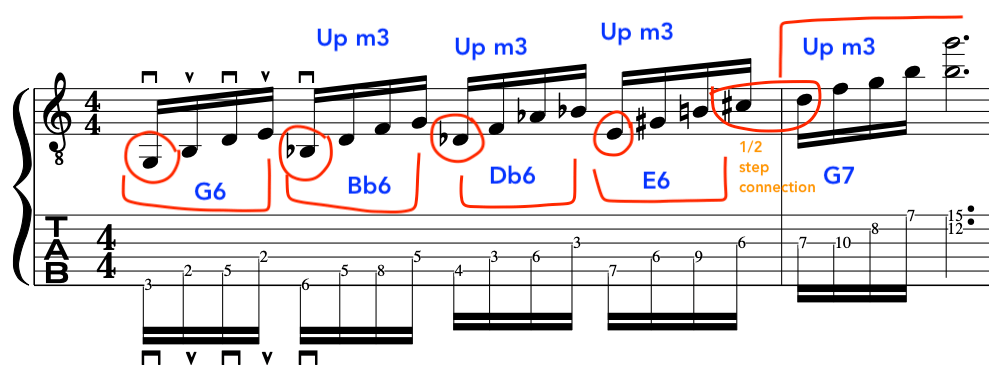
In this first example, we will employ our motif cycling concept over a G7 Dominant Chord.

To do this, we will take a G6 arpeggio and have it cycling up in minor 3rds.

motif_cycling_metheny_brecker_jazz_improvisation_lesson_examples

HOW TO MAKE THIS WORK LIKE A PRO!

By making the line “Quick” it tricks the ear of the listener into following the line as opposed to discriminating and trying to make sense of it.

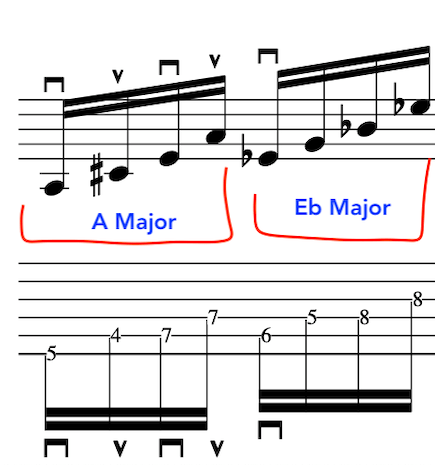
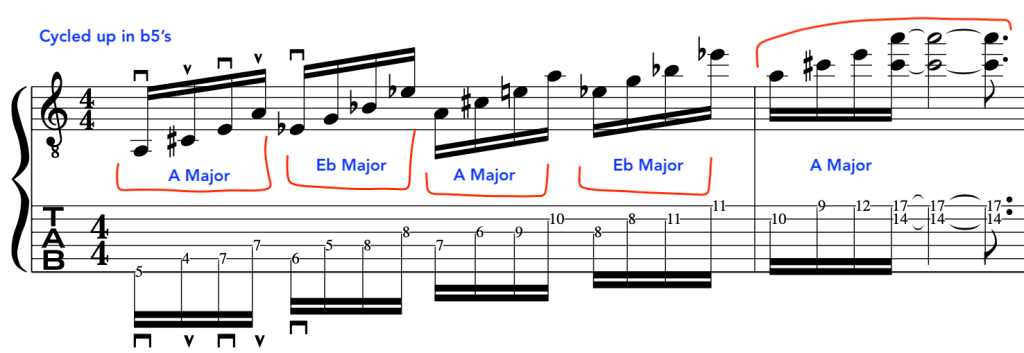
In this next example, we will be cycling up in flattened 5ths. This will be with root position arpeggios of A Major and Eb Major.

motif_cycling_metheny_brecker_jazz_improvisation_lesson_examples

FULL LINE:

motif_cycling_metheny_brecker_jazz_improvisation_lesson_examples

Now, we will vary it a bit.

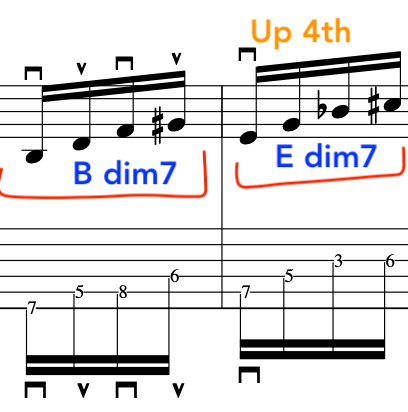
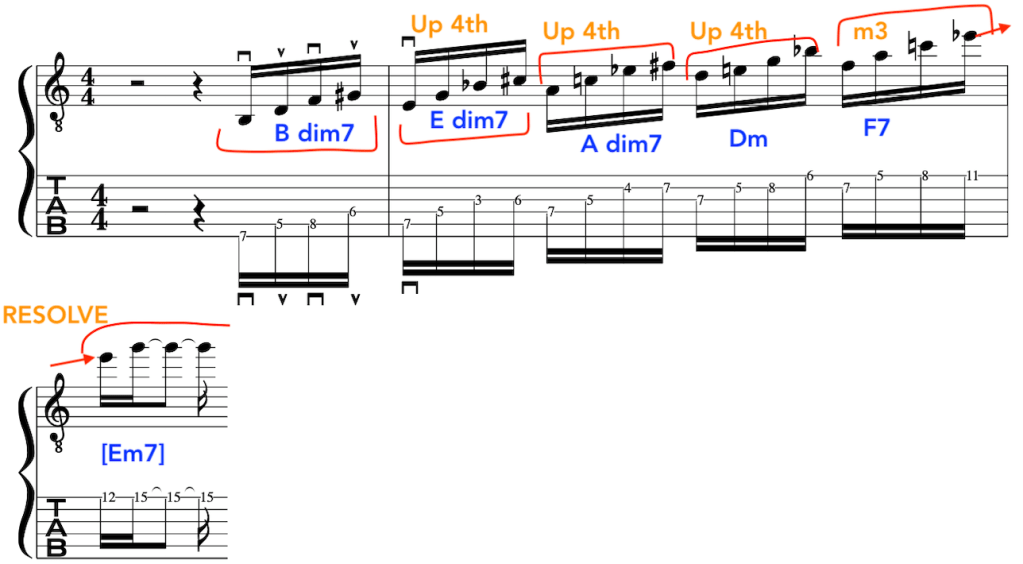
To start with, we will take diminished 7th arpeggios and have them cycling up in perfect 4ths.

motif_cycling_metheny_brecker_jazz_improvisation_lesson_examples

From here, we will the go up a 4th to Dm and then up a minor 3rd for F7 where the Eb note [7th] resolves to the E natural note of the next chord [Em]

motif_cycling_metheny_brecker_jazz_improvisation_lesson_examples

In this example, we will take a Bsus4 Arp/Motif which will descend cycling “Down” in Major 3rds.

This has a very Brecker-esque sound and feel to it.

motif_cycling_metheny_brecker_jazz_improvisation_lesson_examples

Now, let’s take a longer example…..

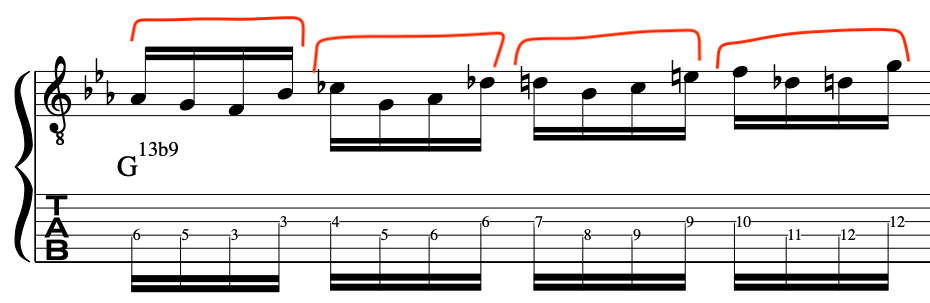
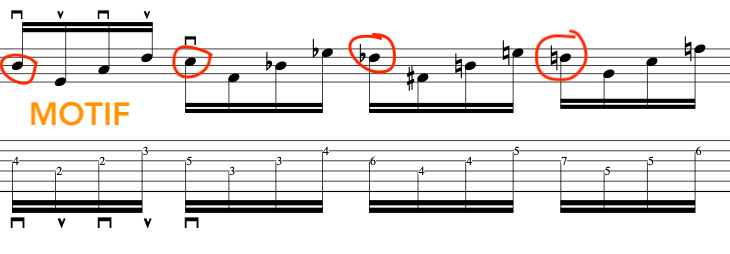
To start this, we will employ a 4 note tetrachord motif that is cycling up in semitones.

motif_cycling_metheny_brecker_jazz_improvisation_lesson_examples

To create interest, we will exploit tones, a fourth and back to tones: [Also, notice when the semitones resolve]

motif_cycling_metheny_brecker_jazz_improvisation_lesson_examples

Finally, let’s keep ascending and have this cycling in semitones to the top of the neck:

motif_cycling_metheny_brecker_jazz_improvisation_lesson_examples

Lastly, let’s mix up a quartal triadic sound of inversions, but, with 4 note groupings. This creates a lovely chromatic Coltrane-esque cycle.

motif_cycling_metheny_brecker_jazz_improvisation_lesson_examples

This was just a quick look at the brilliance of Motif Cycling. It is such a useful, colourful and creative improvisational tool as exploited by Herbie Hancock, Michael Brecker and Pat Metheny.

The key though, is to use it sparingly and with a double time quick feel as it glides through the harmony with it’s colourful chromatic charm.

It is best used when the harmony is quite static [one chord] or if the chord sequence/changes have a predictable and pedestrian quality.

Motif cycling adds excitement and freshness, whilst giving a new direction and flavour to where the solo line is going and what it has to say!

Modern Jazz Fusion Chords part 2. Steely Dan, Dan Chord and Slash Chords