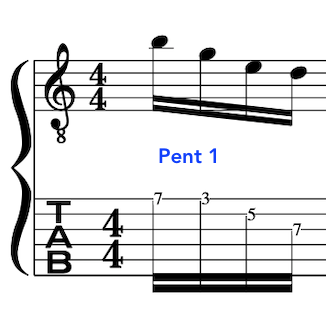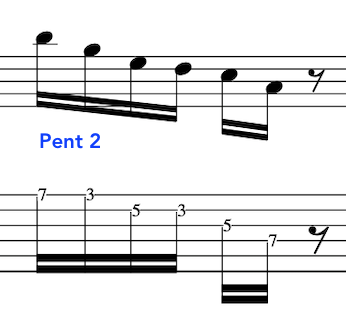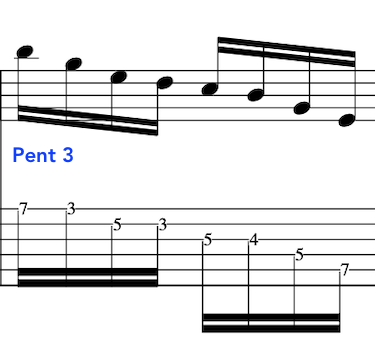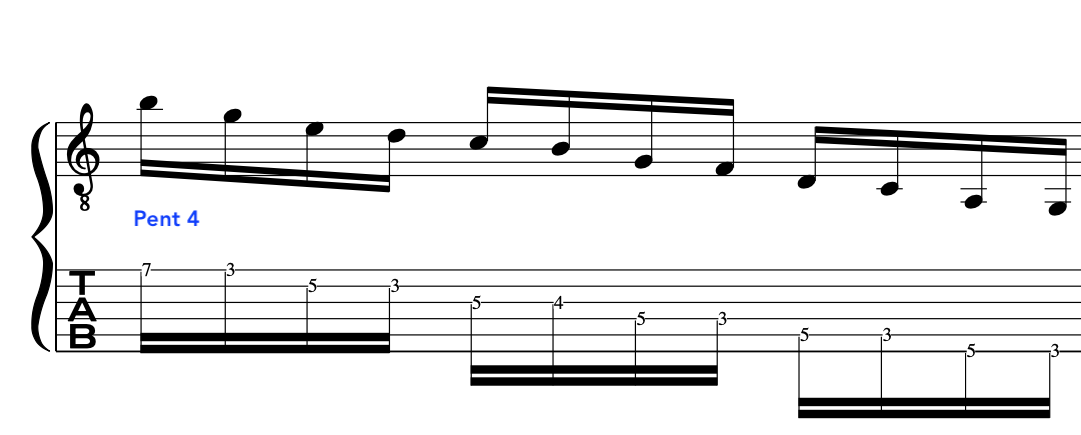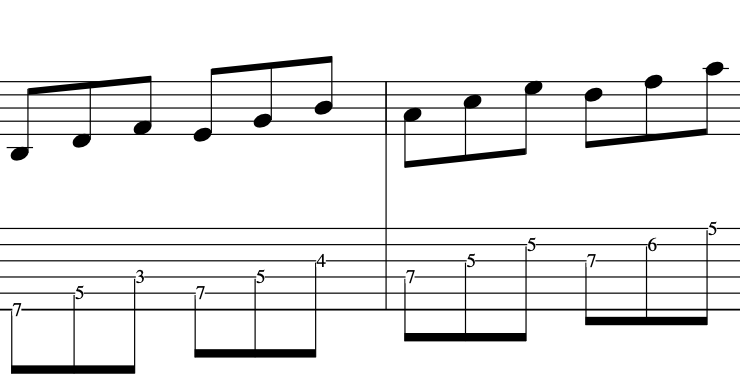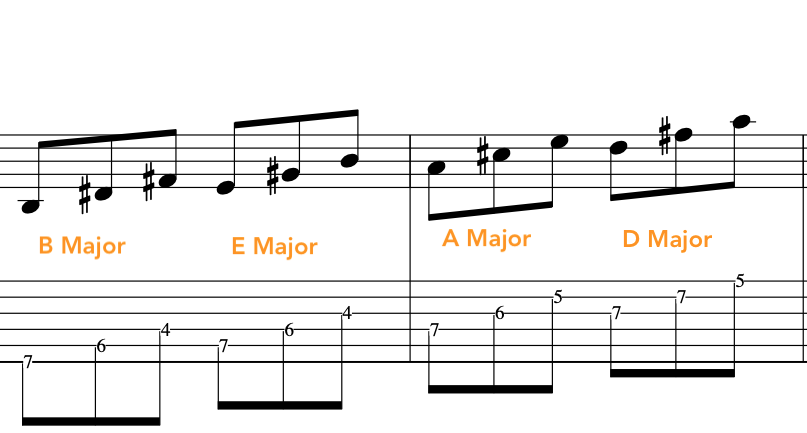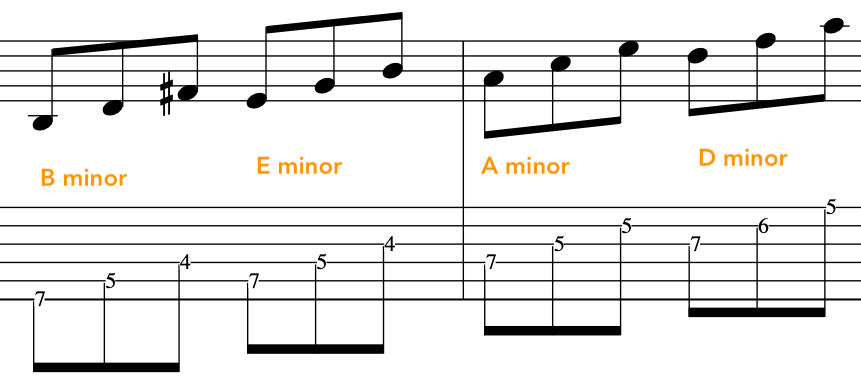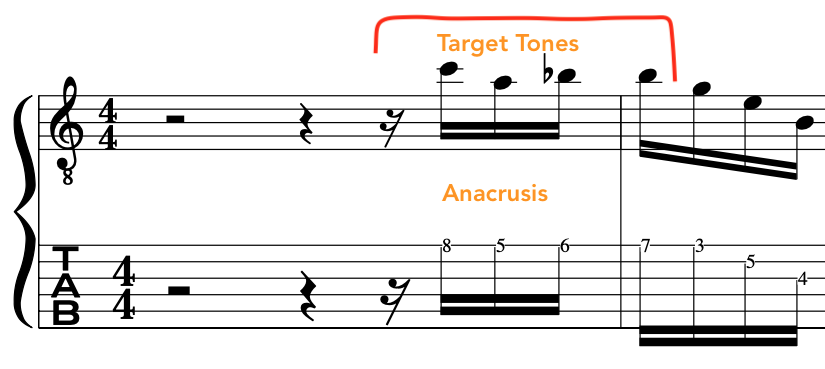
Alternate Picking from Ascending 5’s

Hi Guys,

Today, a quick look at building from the “Ascending group of 5” with alternate picking guitar technique.

This group of 5 exploits the “Up” stroke. It works well as a tool for building longer and longer lines/phrases.

This is NOT shred and is really only for jazz, fusion and world-esque music like John McLaughlin’s super creative outlet Shakti. It is an improvisers tool.

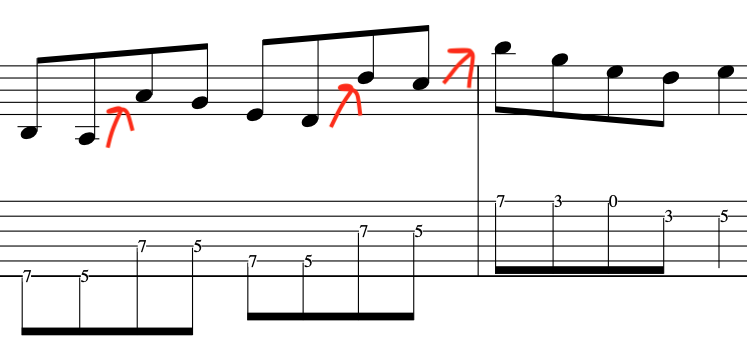
Here is an example of the 5 figure. It consists of an open string and starts on an upstroke.

This 4 note + 1 sets up the upstroke for the string cross.

alternate_picking_guitar_technique_example

Here’s how it would be as a tetrachord to the next beat. [As opposed to a quintuplet or Ta ka di mi Thom.

alternate_picking_guitar_technique_example

Let’s now build off of the ascending 5 figure.

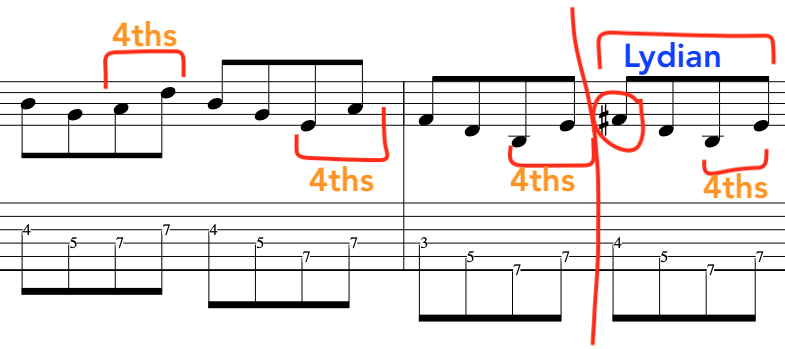
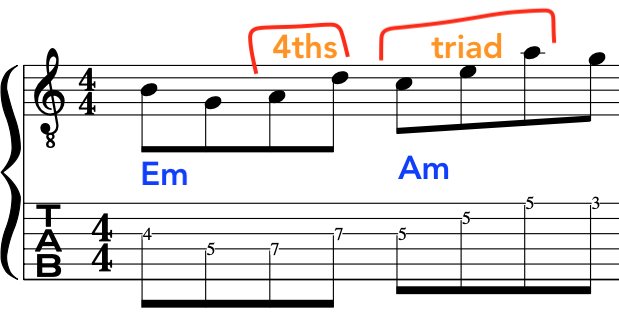
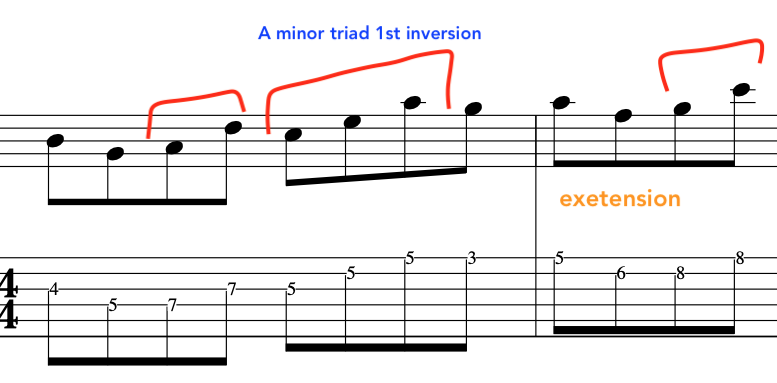
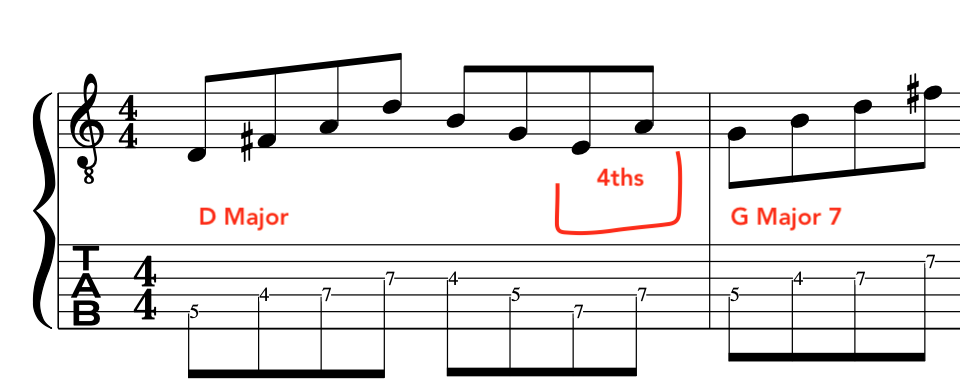
In the example below, we can clearly see the extension from the 5’s to 7’s to two groups of 4 note tetrachords.

alternate_picking_guitar_technique_example

From here, we will add a Dom7th chord to the scale/phrase.

alternate_picking_guitar_technique_example

This sets us up nicely to descend smoothly starting on the upstroke.

alternate_picking_guitar_technique_example

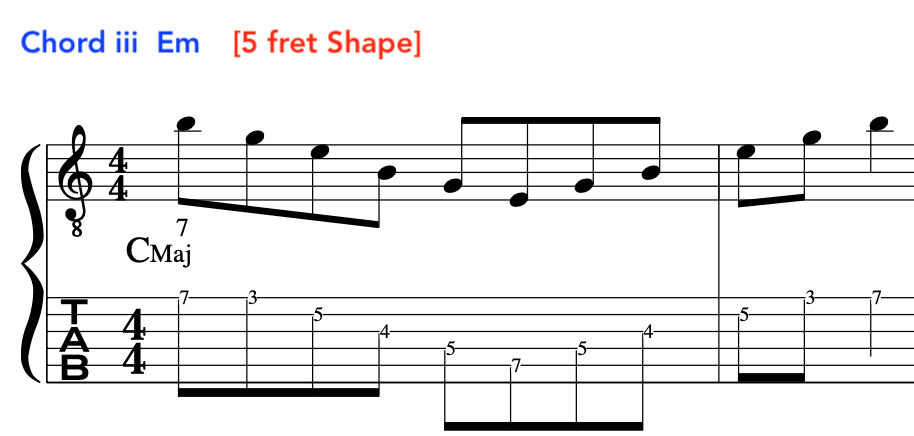
Here, we will do exactly the same thing, except that this time we are moving from G7 to C Major. [Notice the open string and 5 figure extended].

alternate_picking_guitar_technique_example

Once again, the descent is on the upstroke.

alternate_picking_guitar_technique_example

FULL EXAMPLE:

alternate_picking_guitar_technique_example

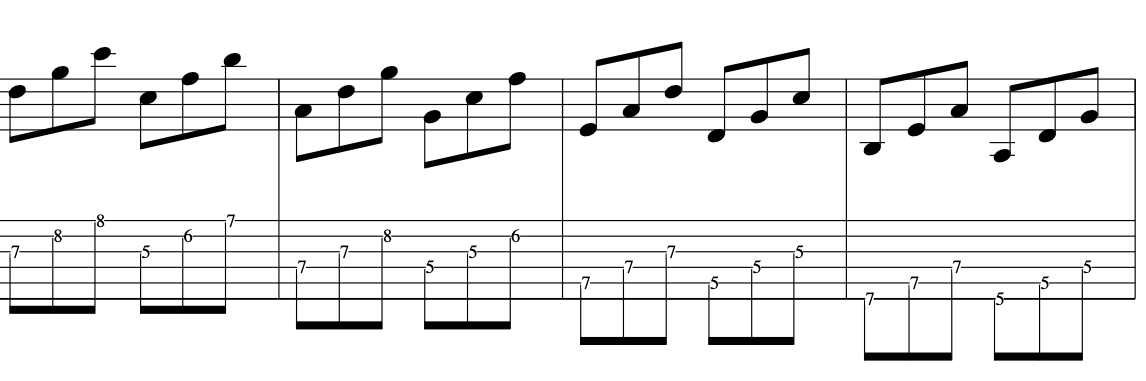
Here, we see the process in action again. The line building from the 5 figure.

alternate_picking_guitar_technique_example

The descent starts on the upstroke as before, but, this time leads to a perfect V I cadence:

alternate_picking_guitar_technique_example

Here is a variation, but, this time in the key of A Major.

alternate_picking_guitar_technique_example

The same form of descent is employed that once again ends in a V I cadence.

alternate_picking_guitar_technique_example

LINKS to ALL of my past Blogs/PDF Downloads/Lessons

Hi Guys,

Below, is the list of all of my past “Blogs/Lessons” that many of you have enquired about:

As you can see, in the list/links below I have delivered hundreds of free lessons/blogs and pdf downloads over the years!
This is a great thing!

But,

I cannot organise them all, as there are just too many.

So, putting them in a long list is the only way to catalogue and contain them all at this moment in time.

You can also find them all in the website menu:

BLOG SEARCH BOX

Many [not all] have free PDF Downloads

I hope that some of the lessons and downloads were of use to you!

Earl Klugh Style Guitar Composing

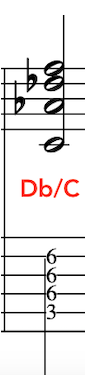
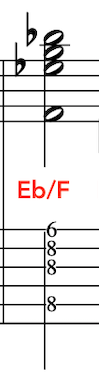
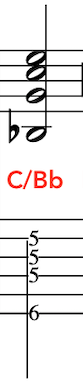
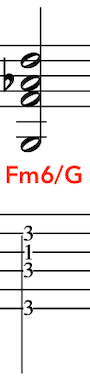
Modern Jazz Fusion Chords part 2. Steely Dan, Dan Chord and Slash Chords

Hi Guys,

Today, a quick look at the unique compositional and playing style of guitar maestro Earl Klugh.

In the first example we will take a basic I IV V I [C to F to G to C] chord sequence and employ “Inversions”.

The employment of simple chord inversions are the key to getting creative in this beautiful, skeletal and spacious guitar style, along with the compositional process.

Let’s begin with a simple C root position chord that then moves up into its 1st inversion with a melody note of B natural, which, will resolve down to the note A for chord IV [F Major].

earl_klugh_guitar_lesson

From here we will employ a root position chord of G Major.

earl_klugh_guitar_lesson

Now, we need to create a cadence.

In this case we could make this V7d or G/F or employ a simple F Major chord that resolves back to C/E or C 1st inversion.

earl_klugh_guitar_lesson

Here, is the whole little structure that we can embellish in the next part.

earl_klugh_guitar_lesson

Now, that we have a base, a little melody and a structure to work from, we can start to fill it out and colour it in.

First, we will add some simple melodic slides: These, are outlining – C Dm and C/E – and create percussive/melodic movement.

earl_klugh_guitar_lesson

Next, we will exploit chord iii and make it Major and a Dominant 7th: From here, we will use this to modulate to chord Vi [A minor] the relative minor of C Major.

This gives a new emotional colour and pull as it moves away from the Major key.

earl_klugh_guitar_lesson

Finally, we need to cadence. We will employ a ii V chord sequence to get us back to chord I [C Major].

earl_klugh_guitar_lesson

To create a climax to the cadence, we will add colour with 6ths as melodic and rhythmic embellishments that push us to resolve to the tonic chord of C Major.

earl_klugh_guitar_lesson

earl_klugh_guitar_lesson

This was just a brief look at this amazing style that is employed by the likes of Earl Klugh and Pat Metheny.

The use of chord inversions and basic harmony creates a very melodic and rhythmic world where composition presents itself naturally, within the movement of the chords themselves.

This is because, the melodies or melodic inflections result from the way that the chord inversion connect and resolve, thus, making the compositional process a natural and fluid one, resulting in spacious, rich melodic sounds that compliment the guitars resonance and fingerboard shapes.

Modern Jazz Fusion Chords part 2. Steely Dan, Dan Chord and Slash Chords