Guitar Imitation: Effective Octave Shifting Exercises with Alternate Picking:

Hi Guys,

Today, a quick look at employing imitation, through the registers of the guitar fingerboard.

This is a useful device for imitating bits of scale by shifting the fingering [[the same fingering in a lot of cases] up an octave each time.

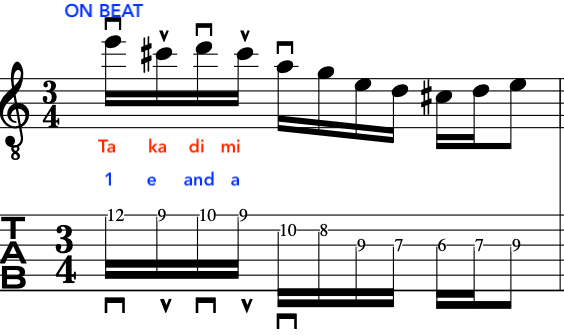
In the first example we will take a 3 note triplet figure and “Copy/Imitate” it up an octave each time.

The key is to hold the shape/fingering and slide the hand up without taking it off the guitar fingerboard onto the next position [up an octave].

So, here we have the pitches E F G and we take that fingering and slide it up to the next position.
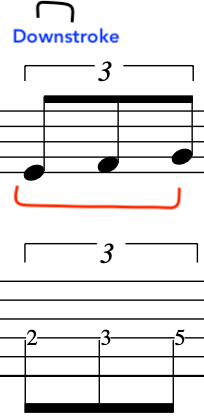
Sheet music notation displaying downstroke and finger positions for alternate picking guitar playing.

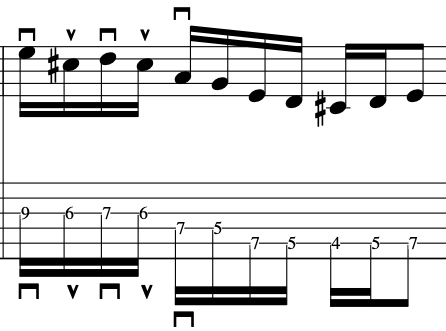
Here, is the next position, an octave higher:
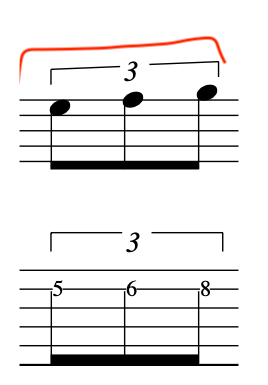
Musical notation showing a 3-note triplet figure on the guitar fingerboard.

Now, we copy/imitate it again, up another octave higher:
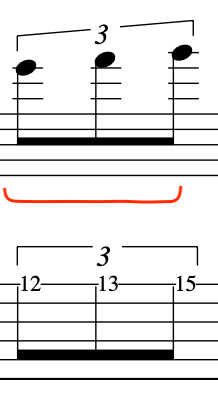
Sheet music showing guitar fingerings and notes, with a focus on triplet figures and octave transpositions.

Finally, I don’t have enough notes on the guitar to copy it exactly, so, I play something similar to finish the phrase.
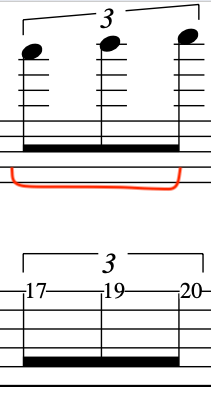
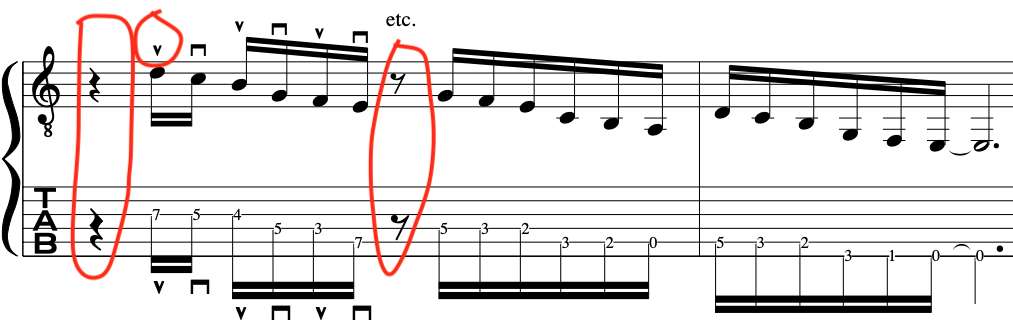
Here, is a variation of the above, but, with an upbeat on the open D string. This, also starts on an“Up” stroke.
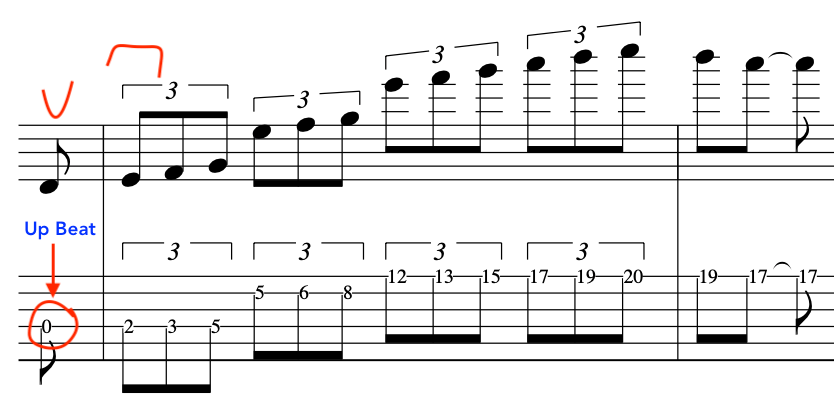
Sheet music diagram illustrating a guitar lesson with notations for triplet figures and up-beat alternate picking technique sequences.
Musical notation example illustrating an upbeat and open string technique for guitar playing.

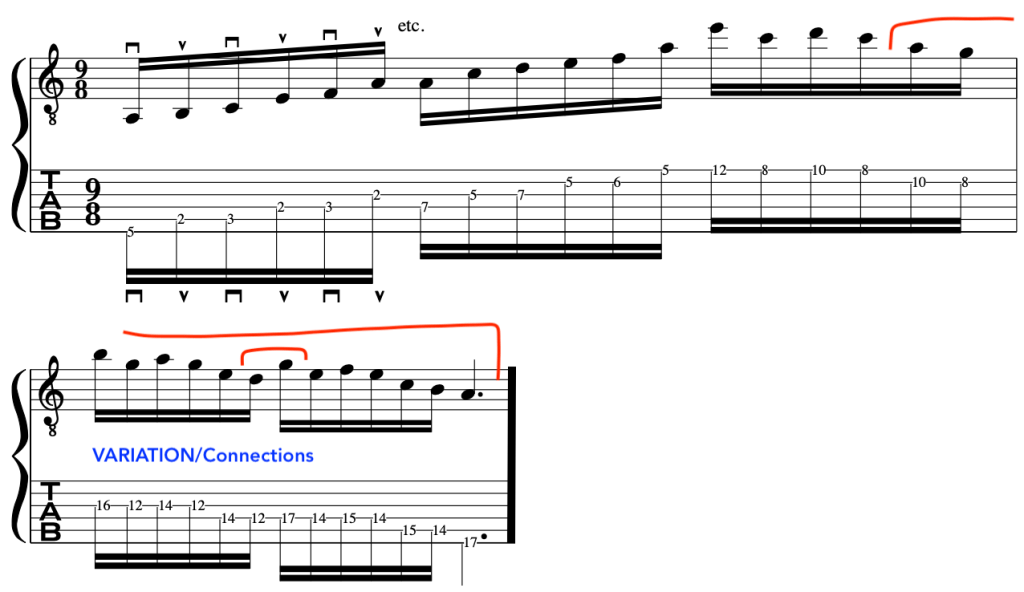
Finally, we have another variation but this time we do this by employing 16th notes and two open string connections.
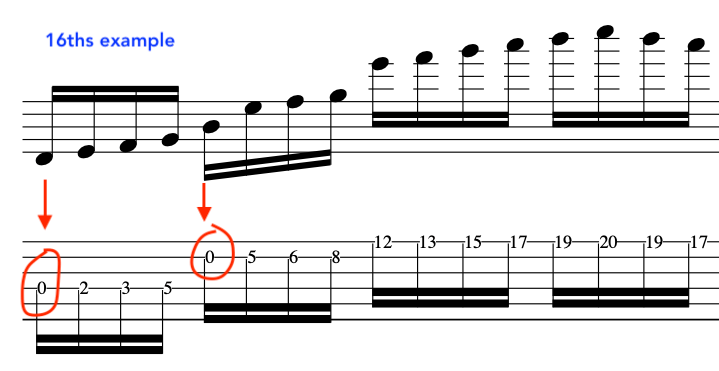
Musical notation example showing 16th notes with arrows pointing to specific notes for alternate picking guitar technique.
Example of 16th note guitar technique, showcasing notes and finger placement.

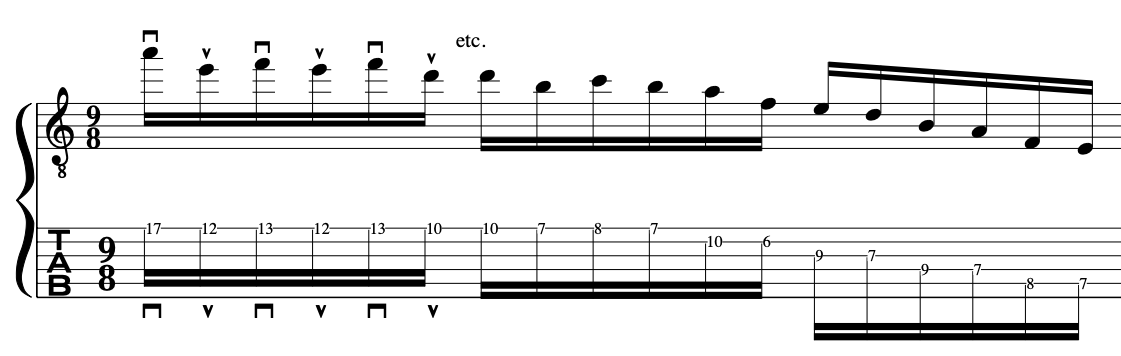
In this last example, we will go the other way.

This time, we will start high and descend lowering the phrase.
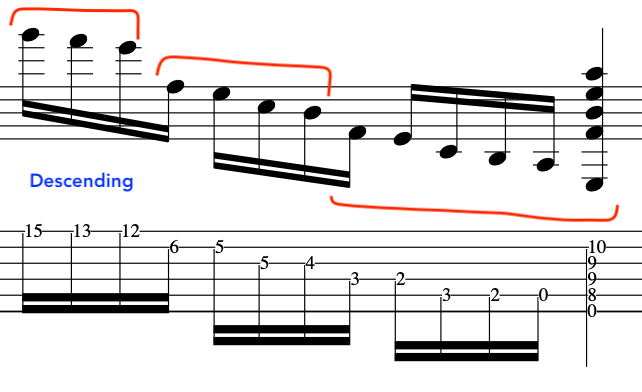
Guitar sheet music showing a descending phrase notation, with labeled sections indicating 'Descending'.

Master “McLaughlin” style Hexatonic Guitar Techniques for Smooth Playing

Modern Jazz Fusion Chords part 2. Steely Dan, Dan Chord and Slash Chords

CLICK SUBSCRIBE!

hexatonic-guitar-exercises-alternate-picking-examples

Hi Guys,

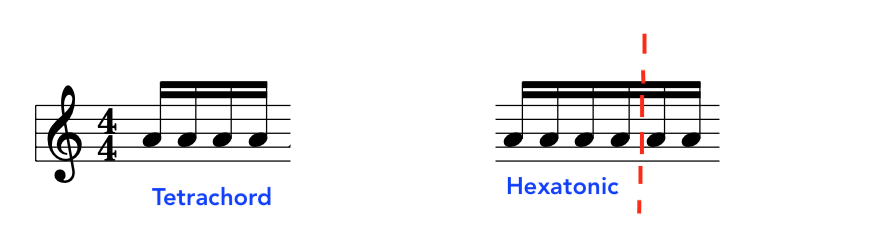
Today a quick look at connecting “Hexatonic” groupings together with strict alternate picking guitar technique.

The key is to glide or slide or let the fretting hand fall naturally into each position. This way the connections are made smoothly.

If the fretting hand panics, or releases from the position then it will fall apart: So connecting SMOOTHLY from each 6 grouping to the next= The Key

hexatonic-guitar-exercises-alternate-picking-examples

Because we have the 2 extra notes Hexatonics work well at a slower tempo’s like 100 to 120 Bpm for Fusion double timing:

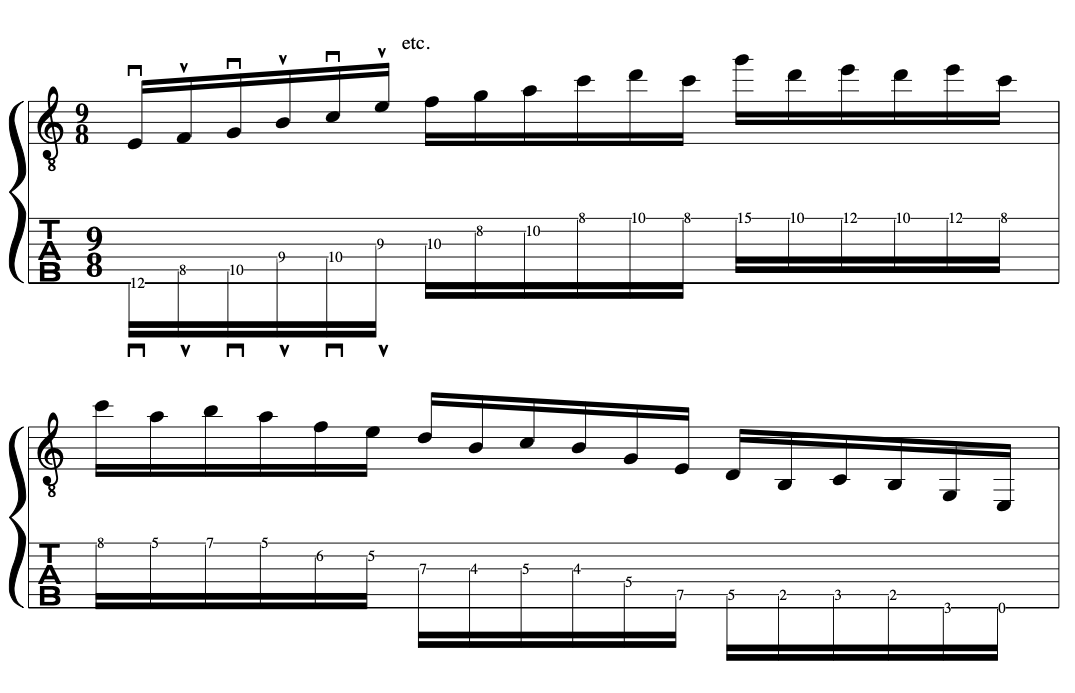
Here is the first Exercise/Example: This starts on a down stroke with strict alternate picking:

hexatonic-guitar-exercises-alternate-picking-examples

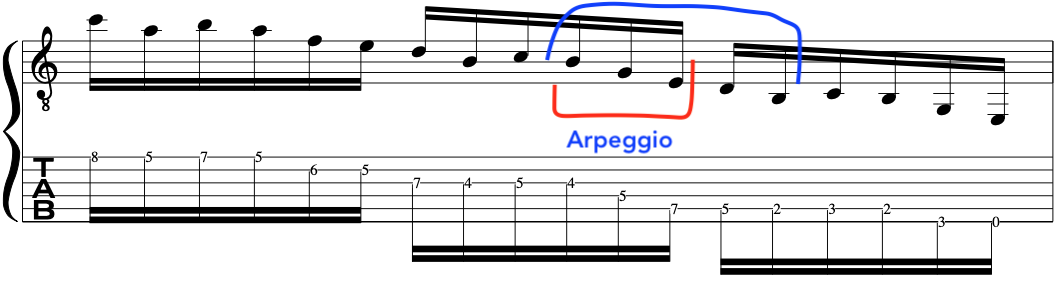
Notice, that in the second bar we have an arpeggio/triad figure:

hexatonic-guitar-exercises-alternate-picking-examples

This arpeggio can throw your alternate picking because it breaks up the scale momentum. So, you have to prepare for it and be aware that there is a quick change of movement in the fretting hand as you cross the strings.

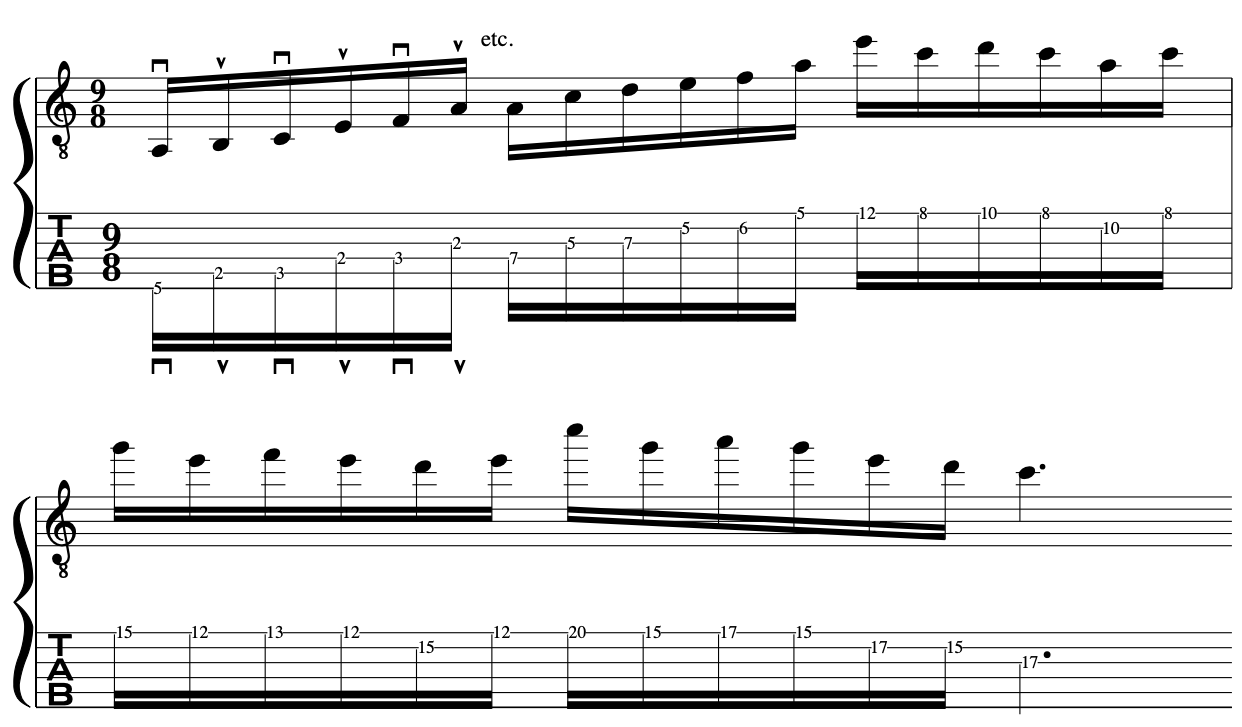
Here, we have an ascending exercise that connects together easily and naturally.

Again, it starts on a downstroke with strict alternate picking.

hexatonic-guitar-exercises-alternate-picking-examples

Here is the same exercise, but, with a VARIATION at the end:

Finally, we have an example that employs the downstroke and the upstroke:

Here is the first part starting on a downstroke:

hexatonic-guitar-exercises-alternate-picking-examples

Next, we have a rest and then start the next part on an upstroke to complete the exercise:

hexatonic-guitar-exercises-alternate-picking-examples

FREE PDF DOWNLOAD:

Modern Jazz Fusion Chords part 2. Steely Dan, Dan Chord and Slash Chords

CLICK SUBSCRIBE!

How to play Shakti Indian Guitar Scales

Hi Guys,

Today, a quick look at the first of a few Shakti Indian guitar scales for tabla and guitar improvisation.

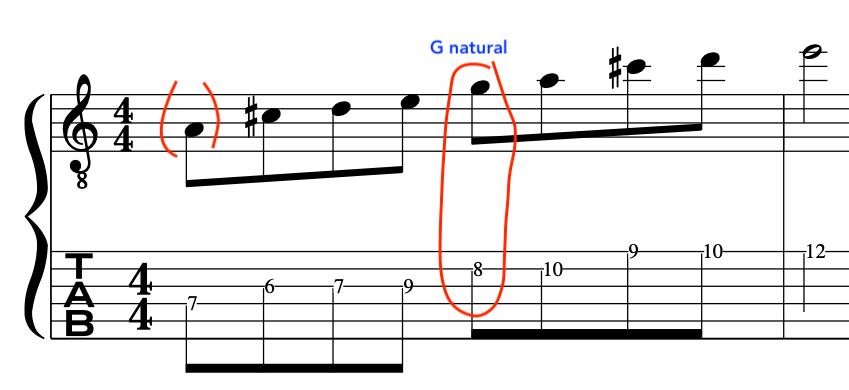
The first one that we will look at today is the A Mixolydian Mode exploited in a pentatonic form.

Here, is the basic scale ascending. The G natural gives the unique flavour and colour as it possesses the dominant sound, but, in a non resolving from.

how_to_play_shakti_indian_guitar_scales_lesson

In this first exercise we will descend with the A mixolydian mode and employ imitation with the pentatonic form.

This example exploits strict alternate picking guitar technique. And, it works really well for two reasons:

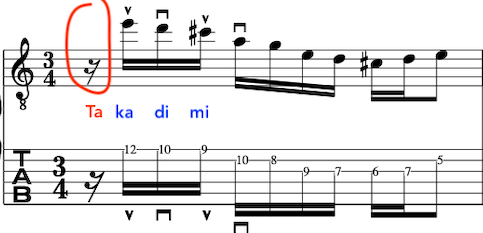
A] It start on an “Up stroke”

B] It starts in the bar and on the “Off” beat

This creates a nice, smooth phrasing and is easy to copy and repeat down the octave.

how_to_play_shakti_indian_guitar_scales_lesson

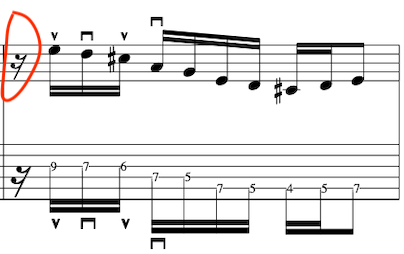
As you can see below, it is repeated, and copied down an octave starting on the upstroke and on the off beat:

how_to_play_shakti_indian_guitar_scales_lesson

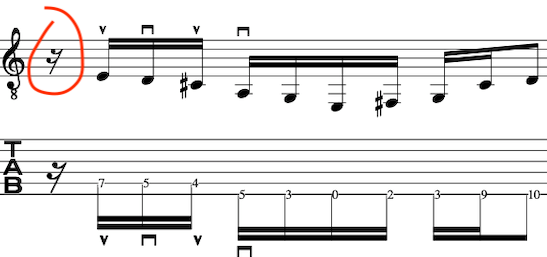
Finally, a variation/implication of this is played, due to the guitar running out of notes to fully copy it.

how_to_play_shakti_indian_guitar_scales_lesson

In this next example we will vary what we have just played in the example above.

But,

with two differences,

A] We will start on a “Down” stroke

B] We will play “On” the beat.

how_to_play_shakti_indian_guitar_scales_lesson

As with the previous example, we will now imitate what we have just played and copy it exactly down an octave:

how_to_play_shakti_indian_guitar_scales_lesson

Here, is another form/fingering of the scale in descent: Notice that this is starting on an “Up” stroke.

how_to_play_shakti_indian_guitar_scales_lesson

And finally, an ascending form/sequence starting on a “Down” stroke.

how_to_play_shakti_indian_guitar_scales_lesson