Scale Application for Guitar Improvisation

yt_logo_rgb_light

CLICK SUBSCRIBE!

Guitar scales made easy!

Please watch video above for detailed analysis

Hi Guys,

Many players ask, “How do I apply scales”?????

Many people get shred guitar mixed up with improvisational styles especially in regards to alternate picking.

Then, when improvisational chord changes appear the scalic structure, guitar fingering, rhythm and phrasing go out of the window. Because, the clumpy classical fingering impedes the rhythmic flow needed to weave in and out of rapid chord changes.

So what to do?

The key is to make simple fingerings with pentatonics, triad pairs, arpeggios, and chromatic passing notes and target tone set ups.

In the example for this blog/video we will go to the absolute basics and create a very simple scale. [please watch video above for more detail]

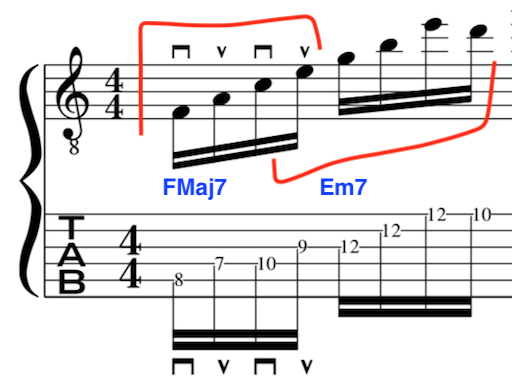
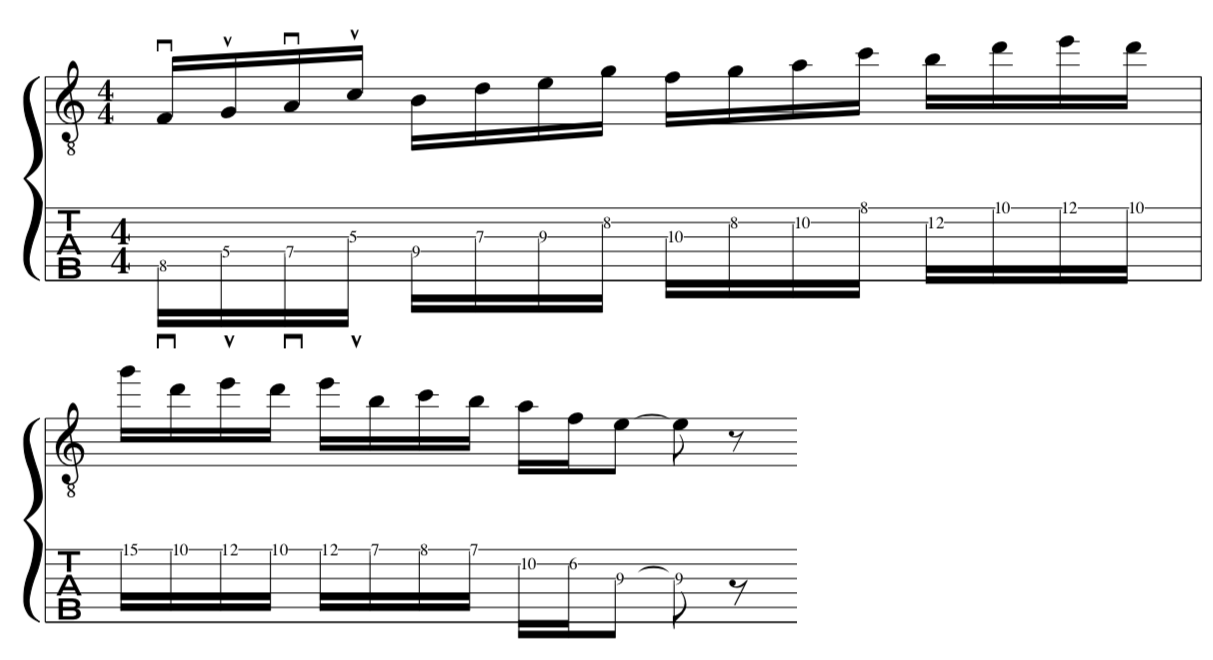
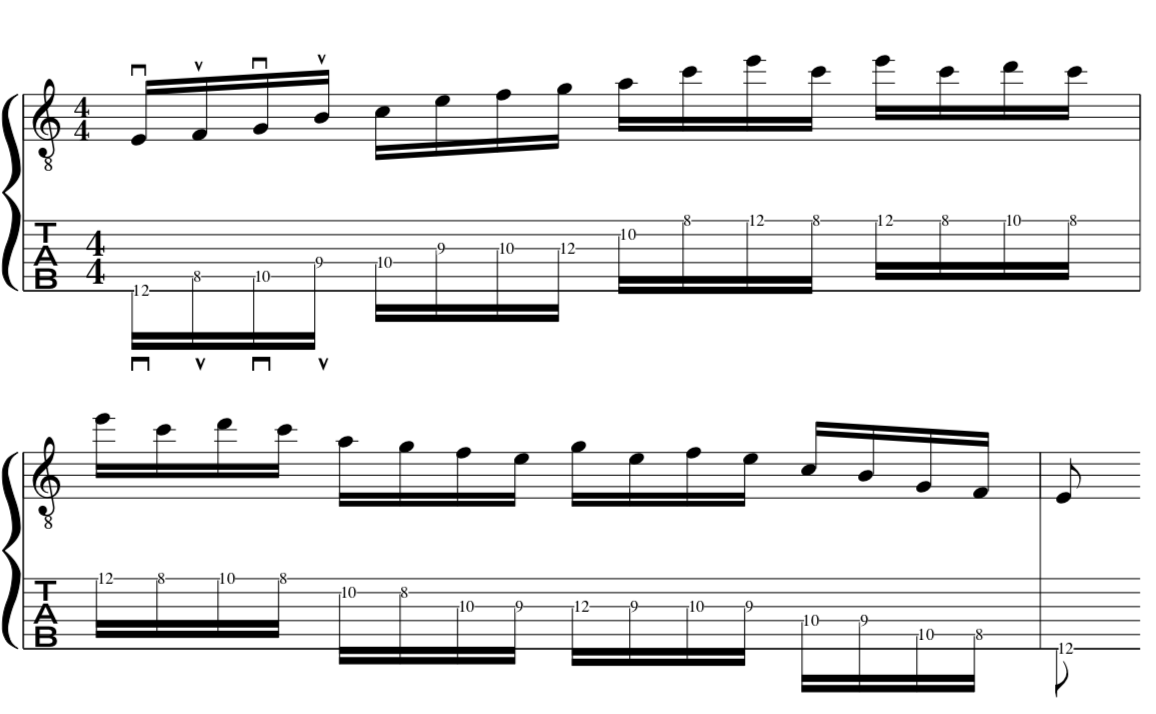
So, let’s look at the example of a simplified scale built from the basic major scale. [This could be seen as Phrygian but it is just exploiting a simple fingering]

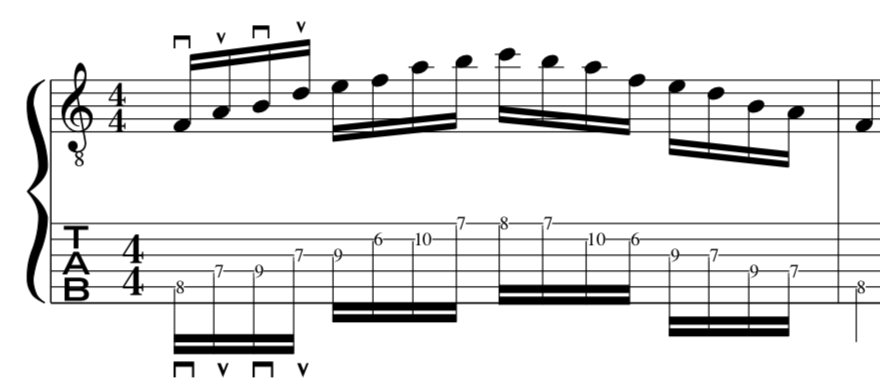
This Ascends and Descends starting on a “Downstroke” with strict alternate picking.
guitar-scales-simplified-tab-example

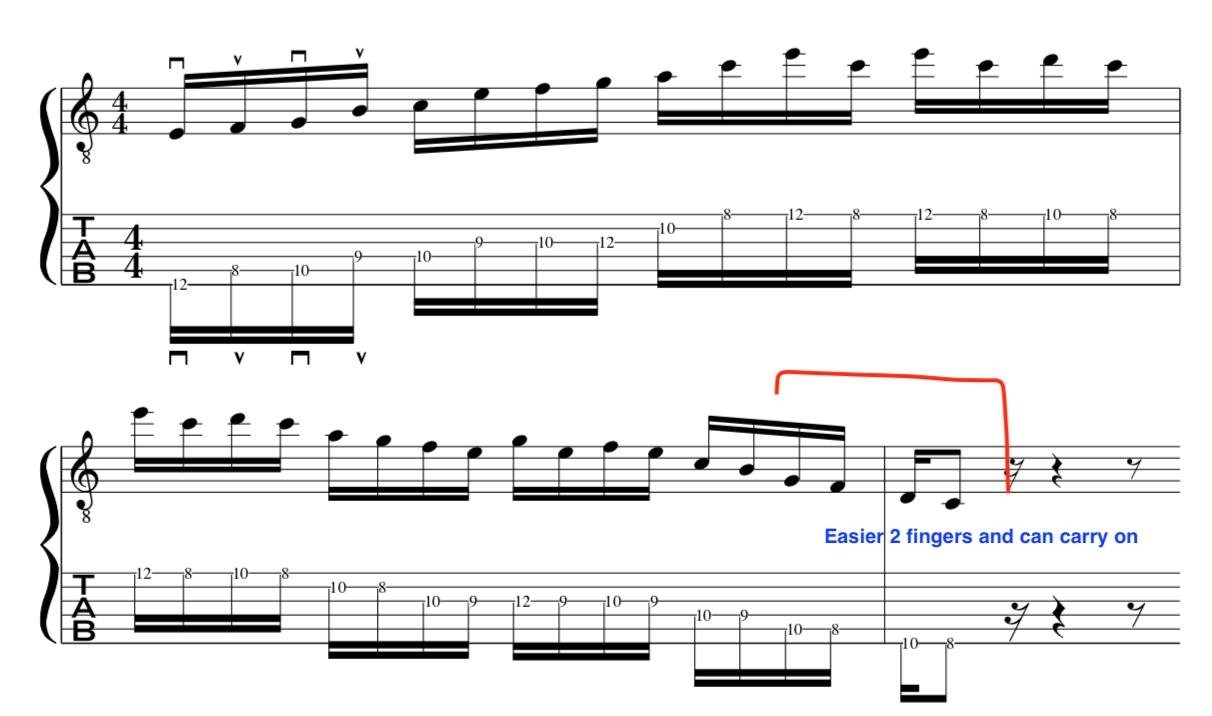
For most players the most awkward part is descending on the last 2 strings the A and the E string.

Here is the same scale but with an even easier final 4 notes on the E and A strings:
guitar-scales-simplified-tab-example

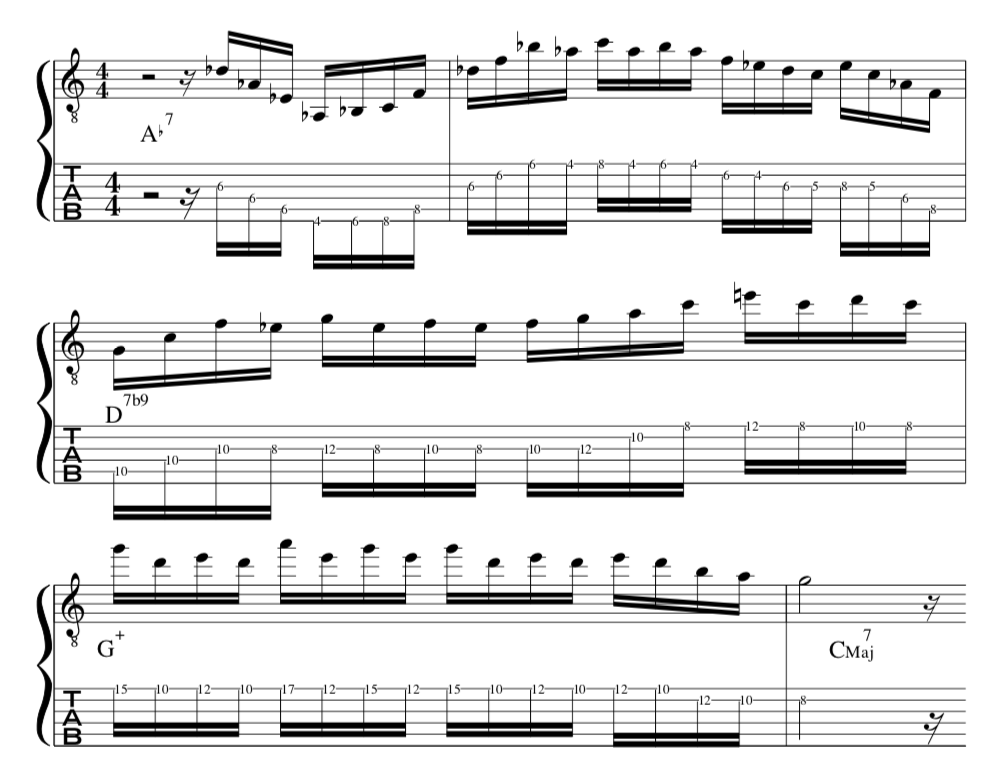
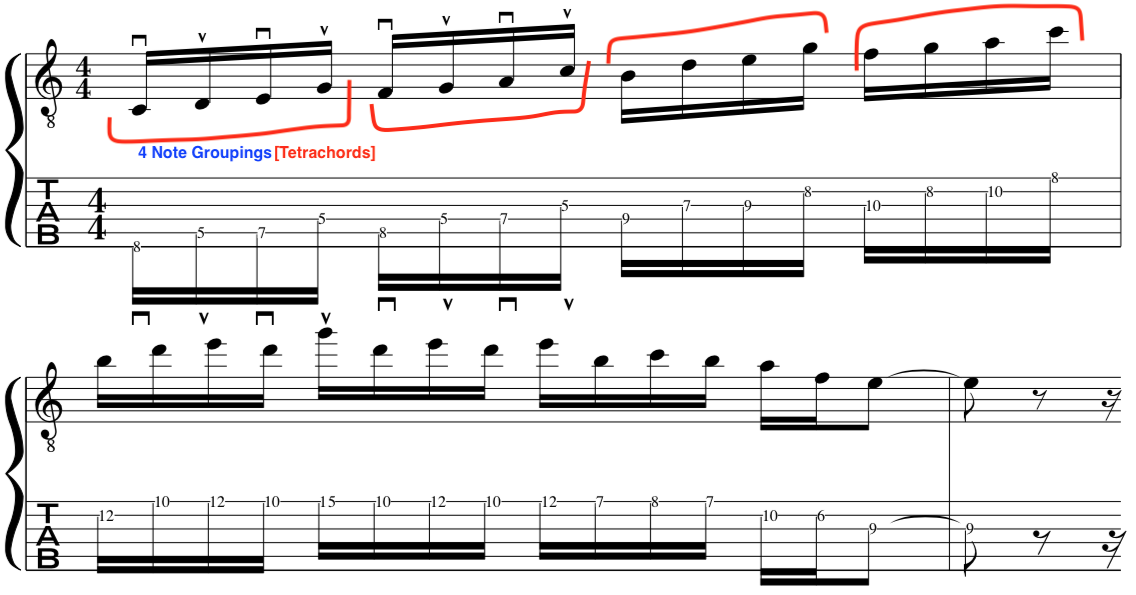
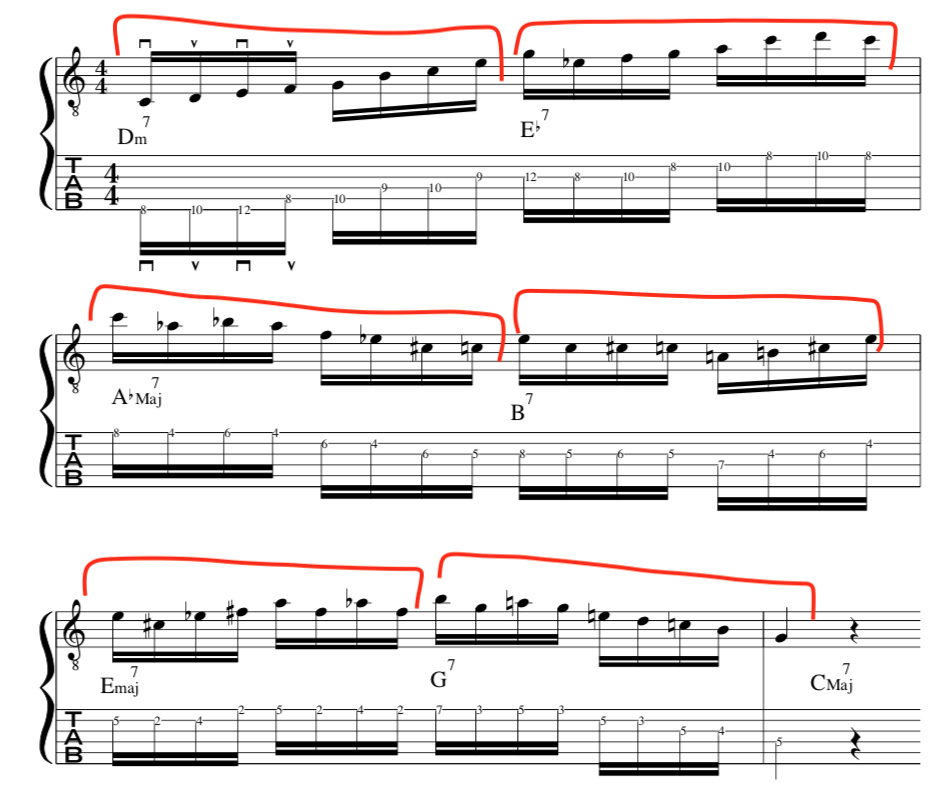
Next we will apply this concept of breaking up scales and apply it to a bit of John Coltrane’s “Countdown”.

Notice the “Tetrachords” and 2 beat phrases through the rapid changes of harmony.
countdown-guitar-tab-improvisation-example

With the chords moving so quickly and the harmony changing in this manner you can easily hear, see and feel how important it is to be able to improvise with simple broken up scales that inevitably result in simple fluid fingering.

PDF: DOWNLOAD:

“Countdown” Example: PDF DOWNLOAD:

IF THIS LESSON WAS OF USE TO YOU THEN PLEASE SUBSCRIBE TO US BELOW ON YOUTUBE, THANKS!
3 alternate picking jazz fusion guitar licks

yt_logo_rgb_light

CLICK SUBSCRIBE!

3 alternate picking jazz fusion guitar licks

Please watch video above for detailed analysis:

Hi Guys,

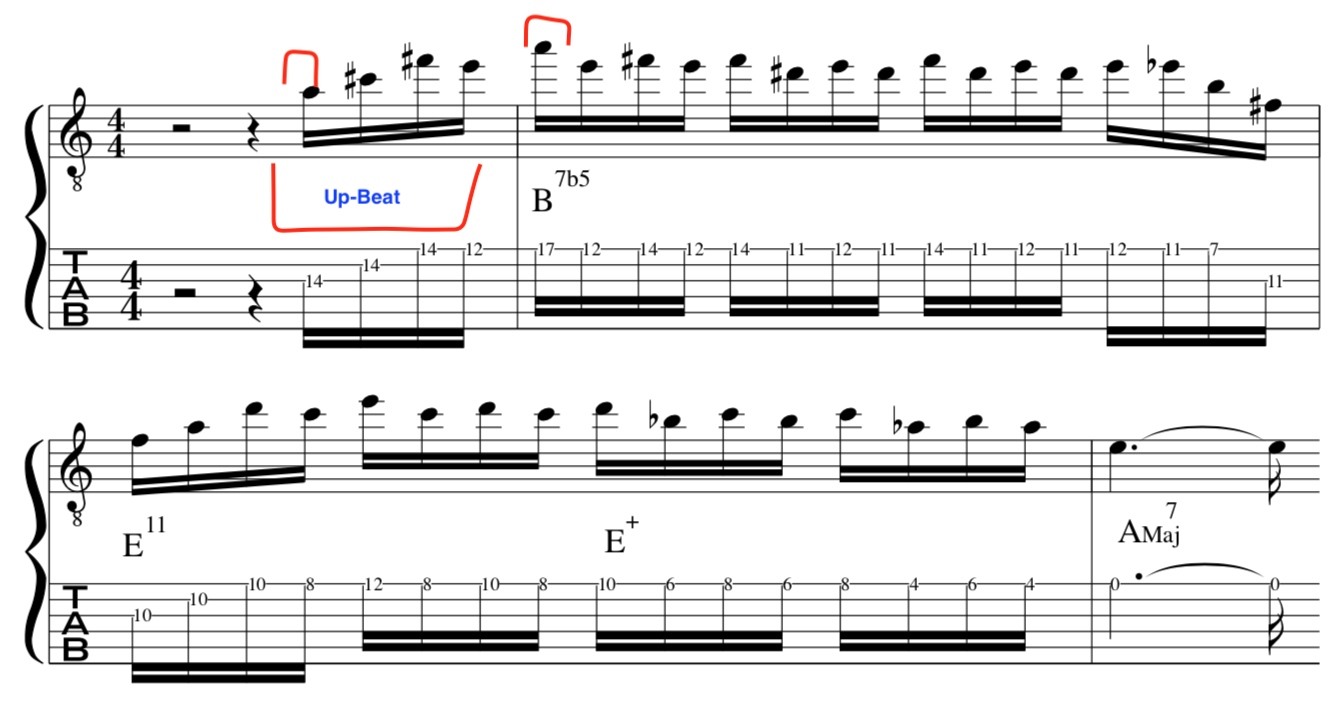
Today we have 3 mid tempo 130-150 Bpm alternate picking jazz fusion cadence guitar lines.

They all employ the same principles of barring, a bit of scale and arpeggio.

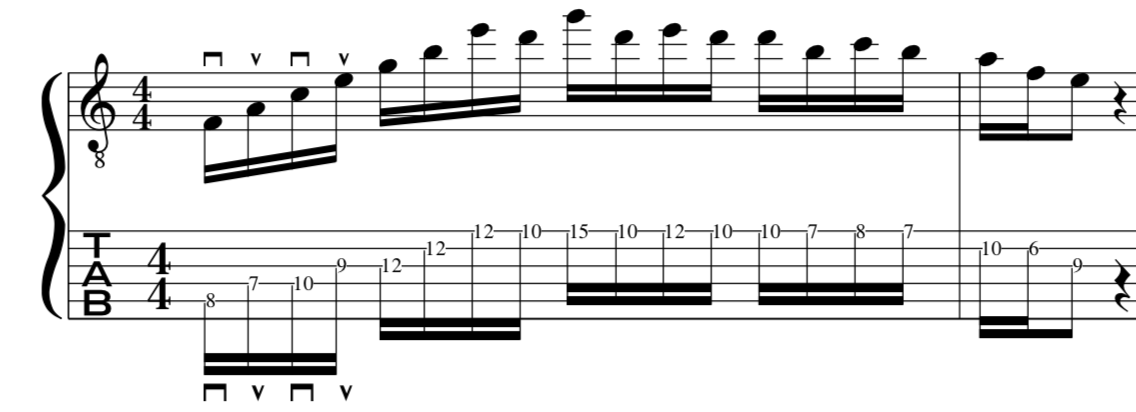
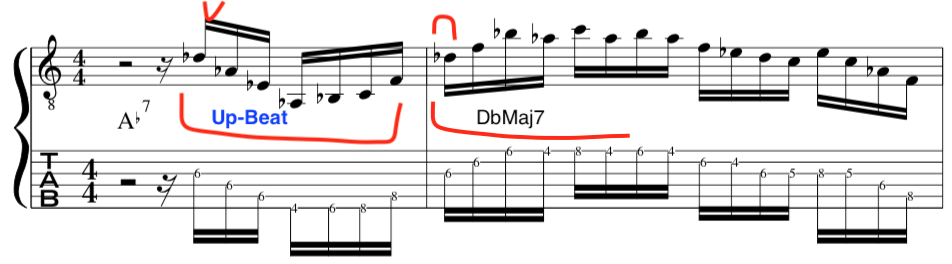
This first line starts on an “Upstroke” alternate picking on the up beat. This in turn will let us start on the beat with a down stroke on the first beat of the next bar alternate picking.

alternate-picking-jazz-fusion-guitar

Here is the full improvised guitar line:

alternate-picking-jazz-fusion-guitar

PDF DOWNLOAD Of above Guitar line:

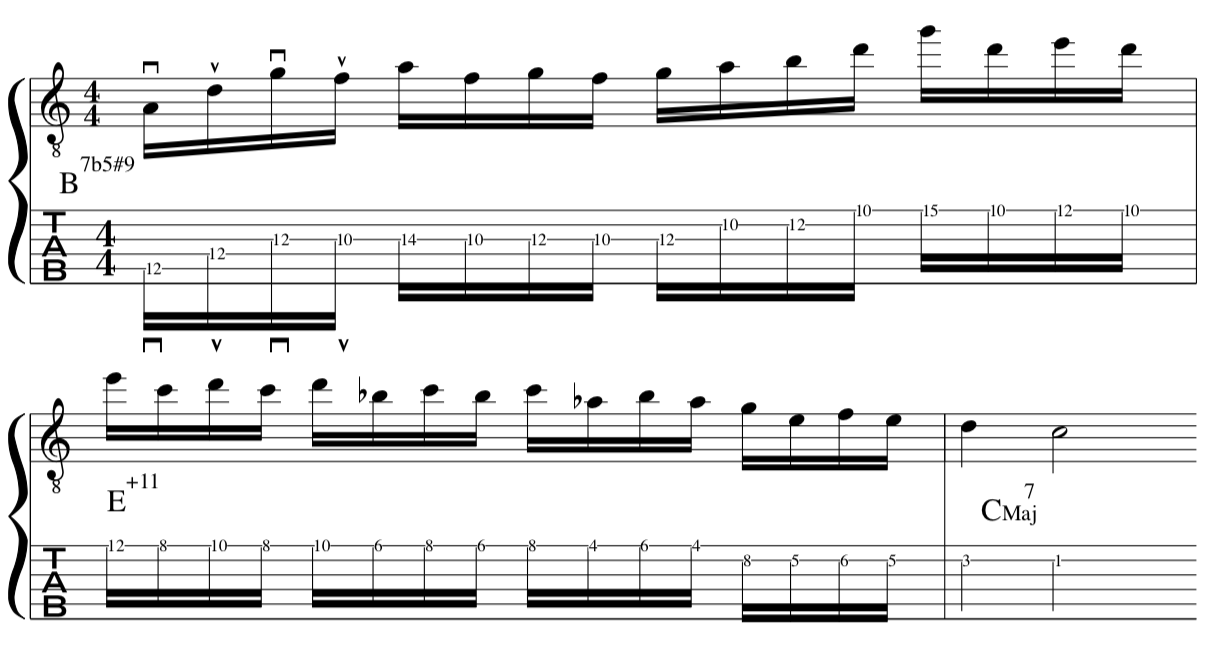
Guitar Line 2: This line starts with an Up-Beat but because there is an “Even” grouping of notes it starts on a “Down Stroke”.

alternate-picking-jazz-fusion-guitar

PDF DOWNLOAD Of 2nd Guitar line:

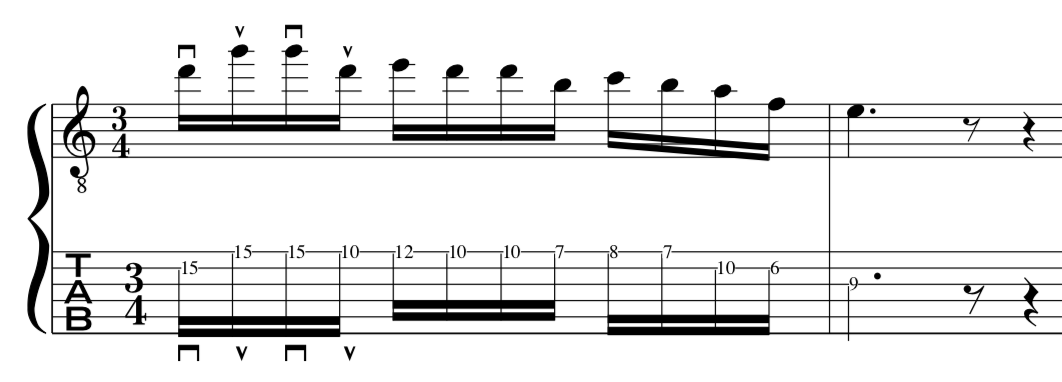
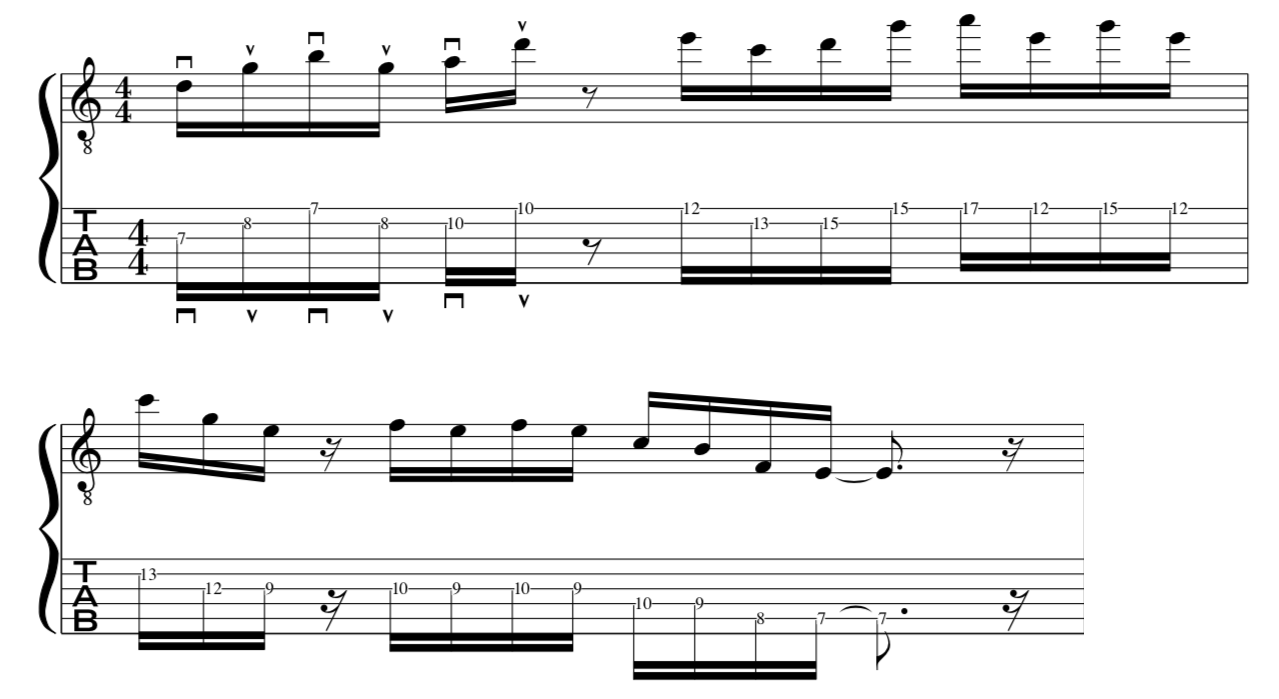
Guitar Line 3: This line is just a simple 2 bar line with no upbeat. Strict alternate picking starting on a “Down stroke”.

alternate-picking-jazz-fusion-guitar

PDF DOWNLOAD Of 3rd Guitar line:

IF THIS LESSON WAS OF USE TO YOU THEN PLEASE SUBSCRIBE TO US BELOW ON YOUTUBE, THANKS!
How to Create “SHAKTI” John Mclaughlin Indian/Western Guitar Lines

CLICK SUBSCRIBE!

How to Create “SHAKTI” John Mclaughlin Indian/Western Guitar Lines

Please watch above video for detailed analysis:

Hi Guys,

Today we will look at how to develop “Shakti” John McLaughlin-esqe Indian raga lines with alternate picking guitar technique.

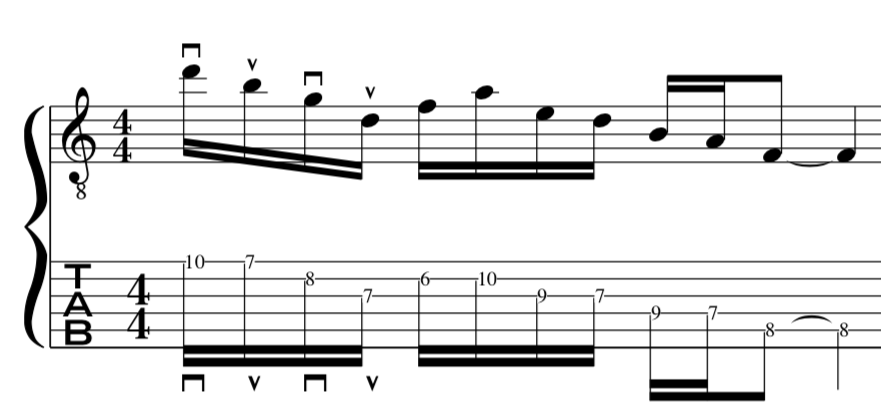
To begin with we will take this Scale as our Raga Base: [This starts on a “Down” stroke for alternate picking]:

how to-createshakti-john-mclaughlin-raga-guitar-lines

This base is a sort of Lydian sound with the tonic note as F and the B natural as the #11

In this first example we will employ arpeggios to create a chord pair effect:

how to-createshakti-john-mclaughlin-raga-guitar-lines

Here is the full line: Notice how we go from a “Western” concept of chord pairing to a more non diatonic scalic raga answering phrase

how to-createshakti-john-mclaughlin-raga-guitar-lines

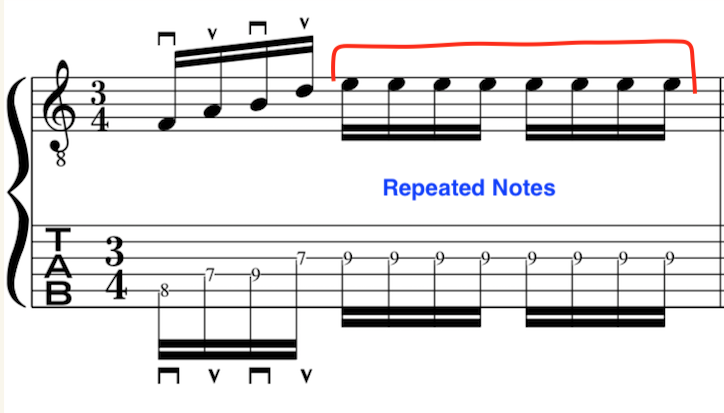
The next concept exploits repetition: This is common in raga’s and is very good when alternate picking to get the tempo and rhythmic groove into your right hand picking so that the following phrase will be rhythmical!

how to-createshakti-john-mclaughlin-raga-guitar-lines

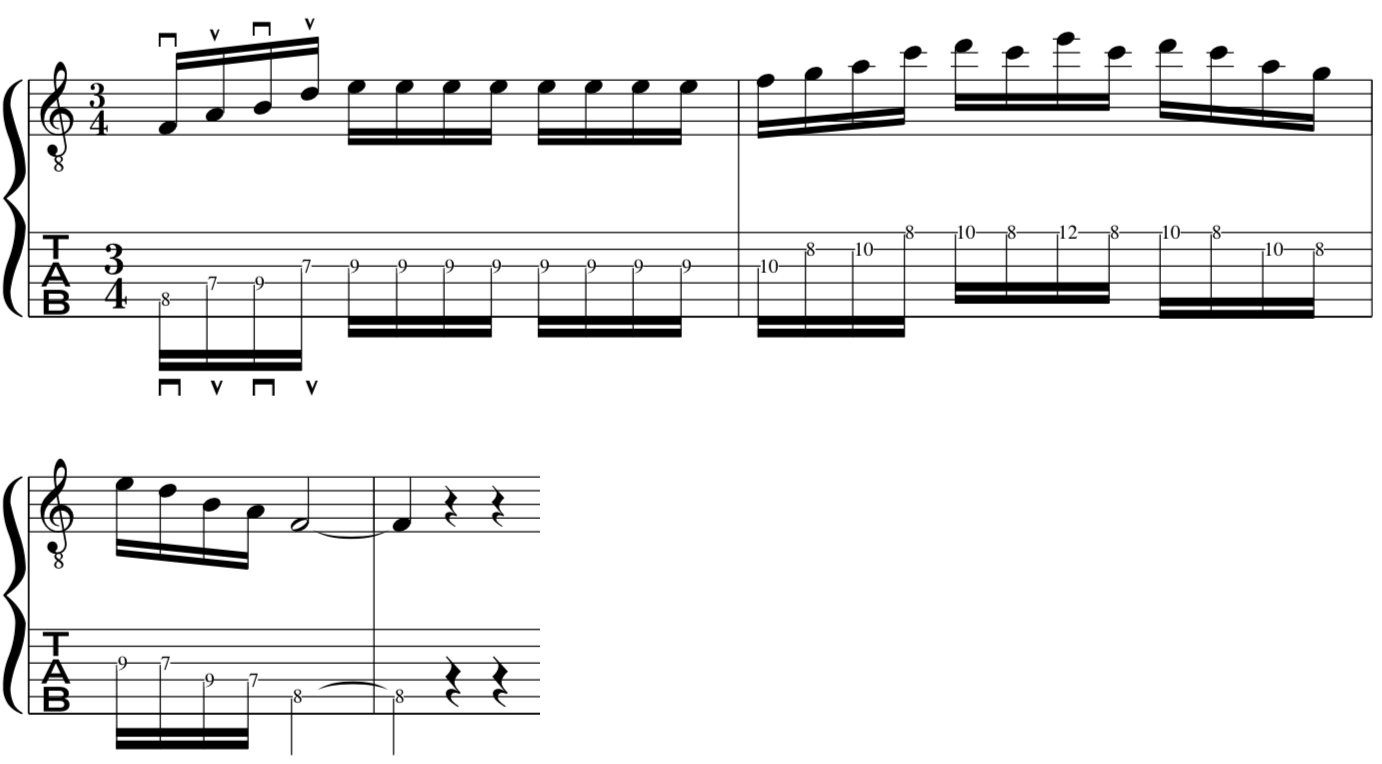
Here is the full Phrase:

how to-createshakti-john-mclaughlin-raga-guitar-lines

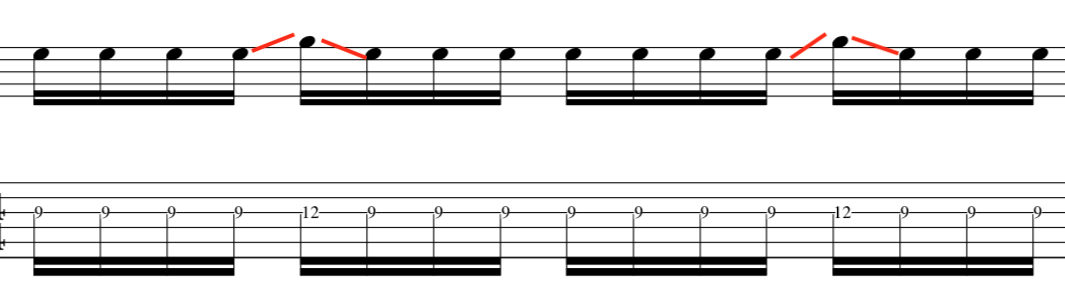
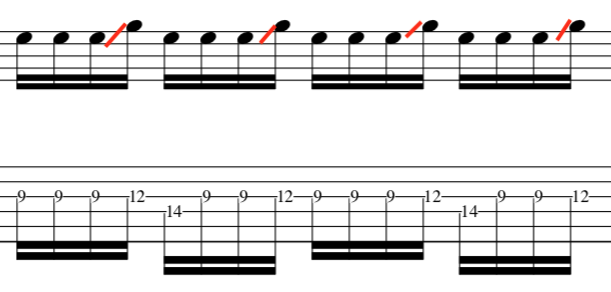
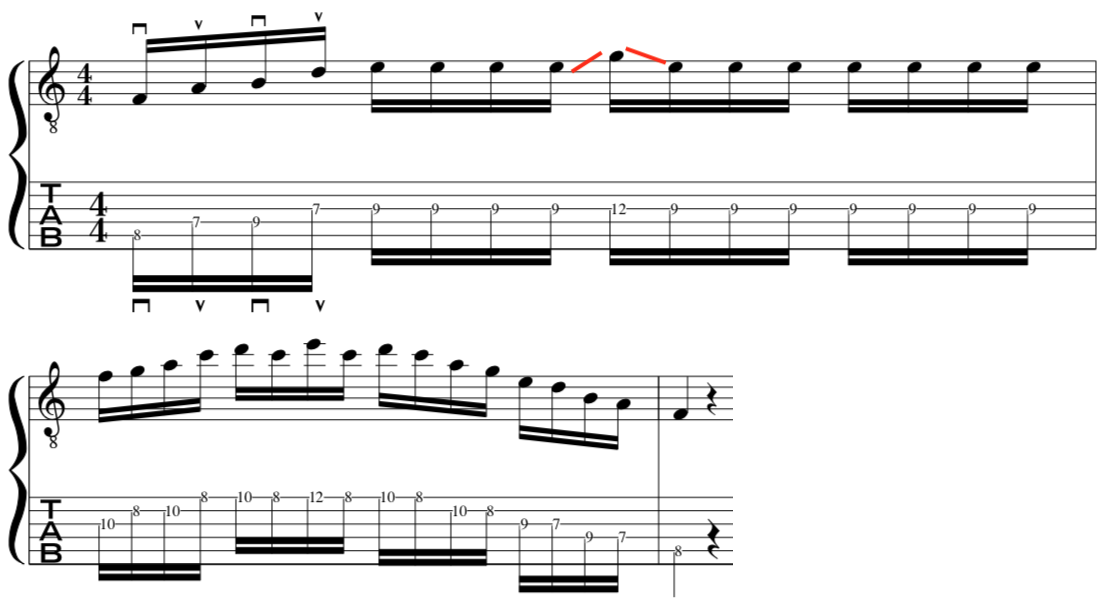
We can now add slurs and slides: “On” the beat:

how to-createshakti-john-mclaughlin-raga-guitar-lines

“Off” the beat:

how to-createshakti-john-mclaughlin-raga-guitar-lines

Full line/phrase with “Slide”:

how to-createshakti-john-mclaughlin-raga-guitar-lines

Another useful concept is to repeat the semitones in the scale and create a phrase/lick:

how to-createshakti-john-mclaughlin-raga-guitar-lines

PENTATONIC POWER!

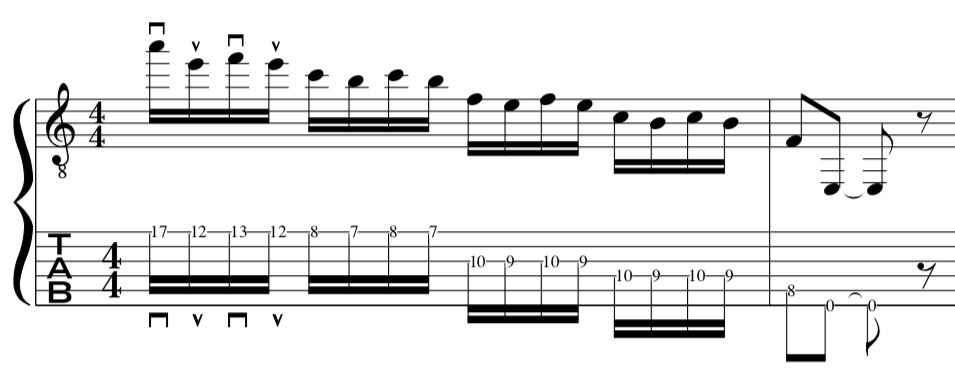
The most common thing found in creating “Raga’s” from a western point of view is the employment of pentatonic scales. In this example we will build up a pentatonic line:

how to-createshakti-john-mclaughlin-raga-guitar-lines

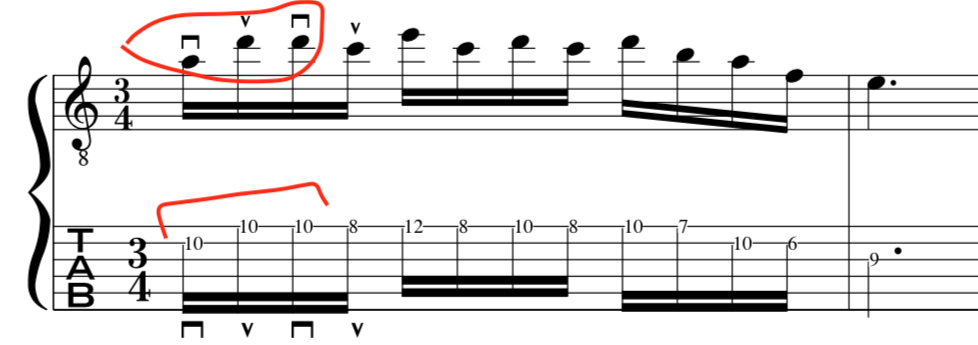
This time we will start on the 6th guitar string: Notice, the 4 note groupings of 16 notes [Tetrachords]

how to-createshakti-john-mclaughlin-raga-guitar-lines

INTERVALS:

In the next example we will start a phrase with the interval of a 4th and a bit of repetition. Again, this is useful in order to set the tempo and prepare the fretting hand fingers to get in position to play a fast phrase rhythmically.

how to-createshakti-john-mclaughlin-raga-guitar-lines

Here is another example:

how to-createshakti-john-mclaughlin-raga-guitar-lines

GROUPS OF 5:

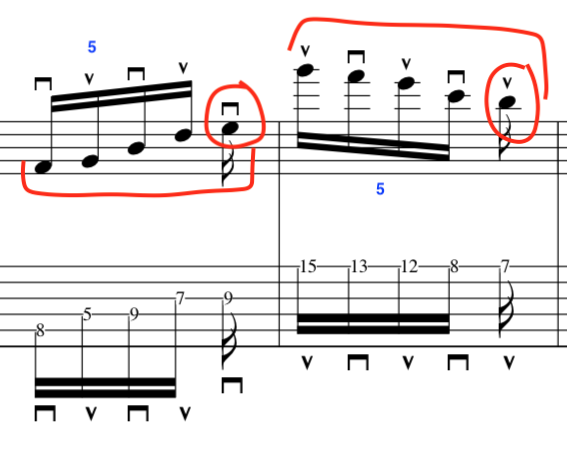
Groups of 5 notes create “Odd” patterns when alternate picking. But, 2 groups of 5 will go back to an even pattern, meaning that you will be starting on a down stroke again and back to familiar alternate picking territory.

This exercise works easily because the second group of 5 starts on an upstroke on the first string:

how to-createshakti-john-mclaughlin-raga-guitar-lines

GROUPS OF SIX [Sextuplets]:

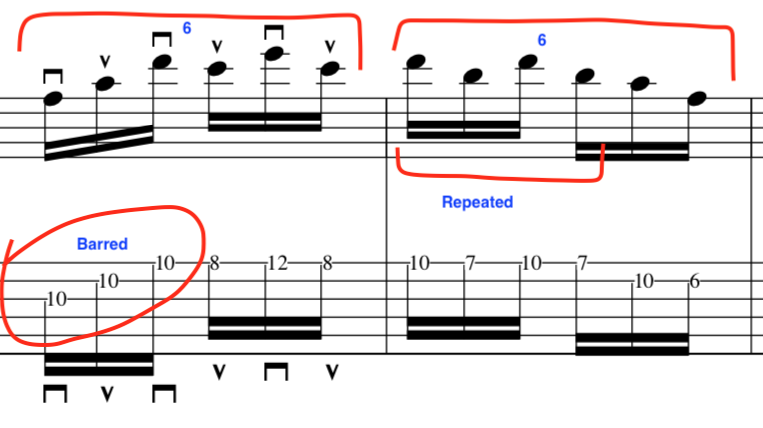
It’s a good idea to barre a chord or an interval group [if possible] when playing 6’s [Sextuplets] as they will be very fast when picking and you will need to be in control of the rhythm. It’s also a good idea to repeat any notes or phrases that are at hand :

Example:

how to-createshakti-john-mclaughlin-raga-guitar-lines

Classic John mcLaughlin Improvisation Tool:

This next concept uses an arpeggio and 4ths. This crops up in lots of Johns improvisations:

how to-createshakti-john-mclaughlin-raga-guitar-lines

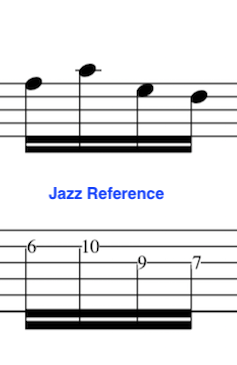
One last concept is that of quoting another melody, phrase, or famous lick into the Raga. Here we will use the old jazz favourite as a reference:

how to-createshakti-john-mclaughlin-raga-guitar-lines

Notice how this weaves back into the Raga:

how to-createshakti-john-mclaughlin-raga-guitar-lines

Finally, in order to create your own raga it’s a good idea to take a form:

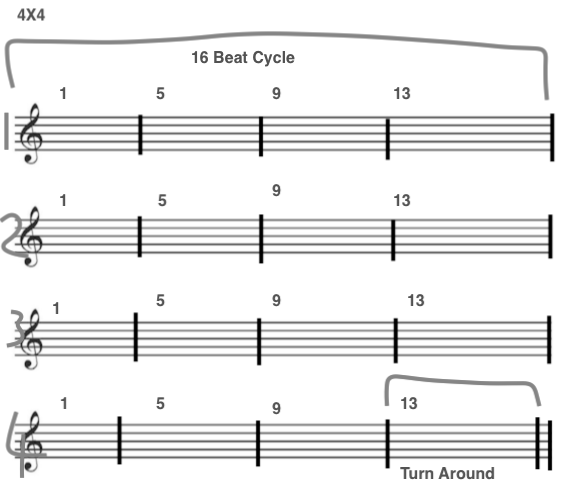
In this case we could take a 16 beat cycle and times it by 4 to create a 16 Bar Structure:

how to-createshakti-john-mclaughlin-raga-guitar-lines

Notice the turn around in bar 16: At this point everyone will know where they are in the composition/raga so it can start back to the beginning and repeat itself for improvisation:

IF THIS LESSON WAS OF VALUE TO YOU THEN PLEASE SUBSCRIBE TO US ON YOUTUBE BELOW, THANKS!