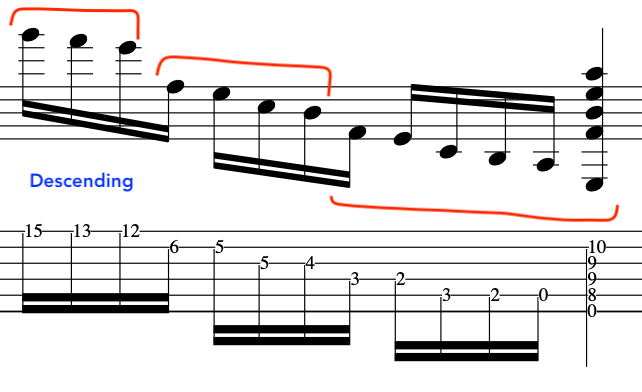
Please watch video above for detailed info:
Hi Guys,
Today, a look at the alternate picking guitar style of the great John McLaughlin.
PART 1:
Before starting it is essential to look at the rhythmic aspect.
To do this, let’s take basic 8th notes.
Here, we will accent the 3rd note in each 4 note grouping.
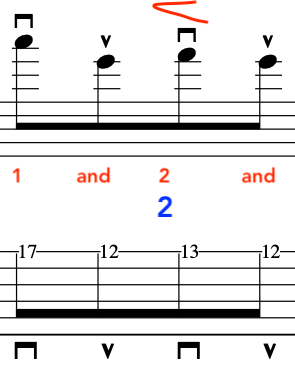
Now, let’s add another 4 note grouping and do the same thing.
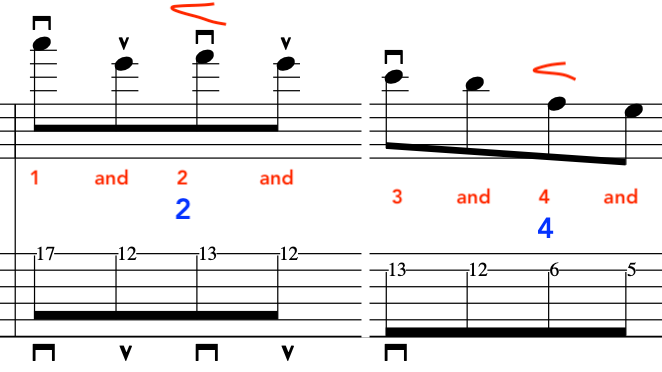
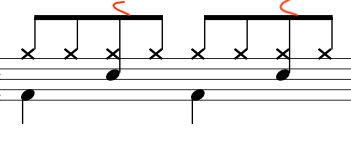
What you will notice is that this is like a basic 4/4 drum rhythm with the accent landing on the snare:
With this in mind, let’s now take this and add a shuffle or swing feel to it.
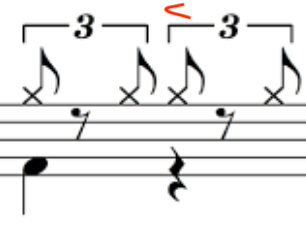
Tip-This accent and swing feel keeps the picking hand secure and focused on plucking the rhythm and not jumping ahead.
PART 2: Double Timing.
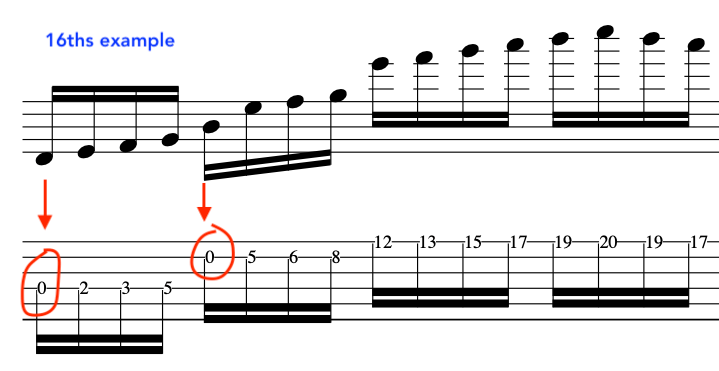
Now that we are comfortable with 8th notes, let’s double the time with 16th notes.
It dosen’t matter how you want to count 16th notes. Regardless of 1 e and a or Ta Ka Di Mi or some inner murmur, the point is that your counting needs to be internalised so that the picking hand knows what to pluck.
So, let’s pluck this around 110 to 140 bpm
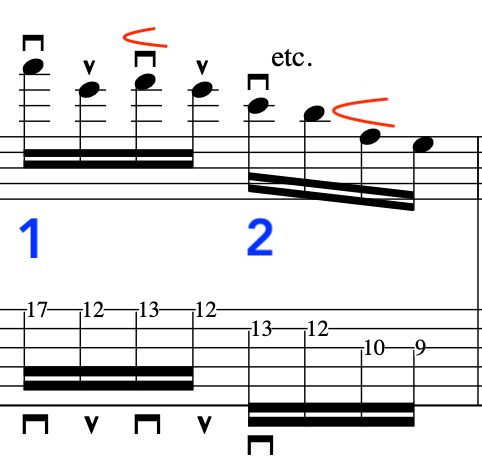
Okay, let’s now apply everything we have studied so far:
1] Accent 3rd note in each 4 note phrase
2] Apply a swing/shuffle feel
3] Count time – follow internalised rhythm
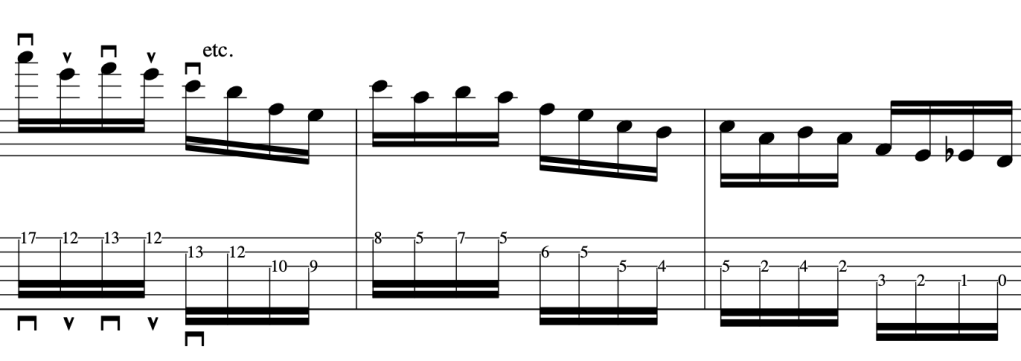
and play the whole phrase:
PART 3: RIGHT HAND TECHNIQUE:
For the picking hand [Right hand technique] one needs to be aware of plucking inside of the string and outside of the string:
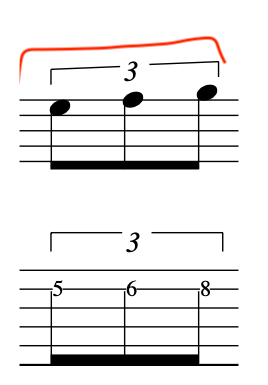
From the outside of the strings it will be:
Up skip over and pluck down:
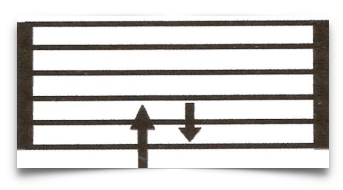
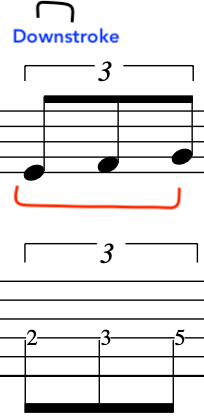
From the inside of the strings it will be:
Down skip over pluck up:
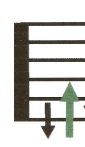
For most players it is easier to pluck [alternate pick] from the outside of the strings.
Here is a 2 string exercise plucking from the inside of the strings starting on a downstroke:
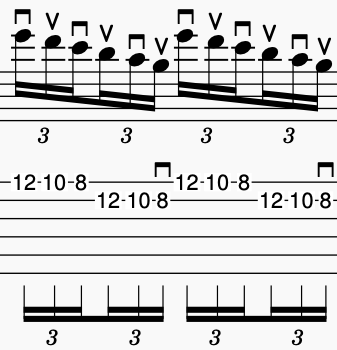
Here, is a 2 string exercise plucking from the outside of the strings, but, starting on an upstroke:
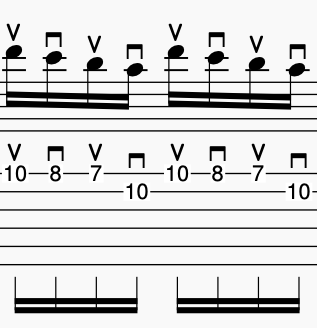
Now, let’s start on a downstroke on the outside of the strings:
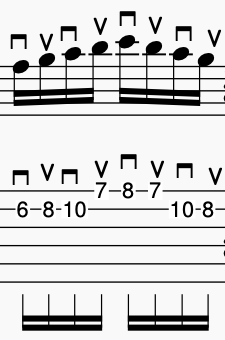
Finally, let’s mix it up a bit starting on a downstroke:
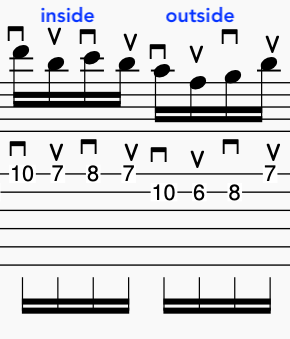
From these short repetitive exercises, we can gauge where we are with the picking hand. We can acknowledge wether we are picking inside or outside of the strings.
For fluid right hand technique this is essential, as you will know where you are and what you prefer or what’s easiest and most natural for you.
This in turn means that you can start creating phrases either inside or outside the strings that fit your style.
PART 3: CONNECTIONS
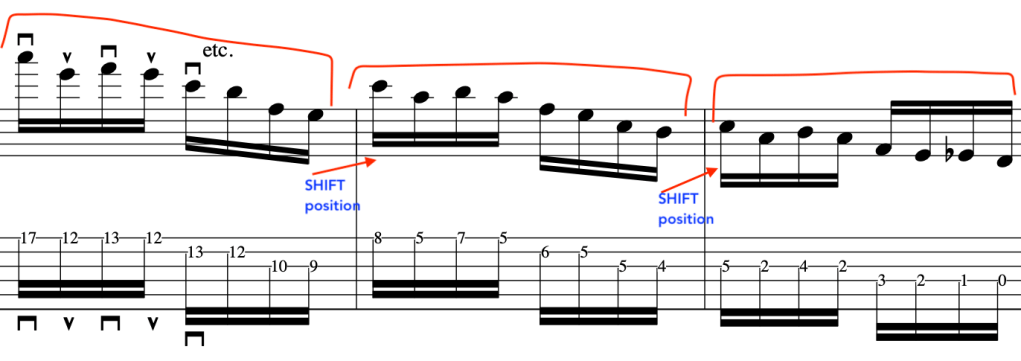
In order to play fluid phrases it’s essential to “Connect” parts, groupings, lines and licks, etc, together.
This means, having the fretting hand ready to “Shift” positions.
This also means, employing simple logical fingering by having the fingers prepared for fretting.
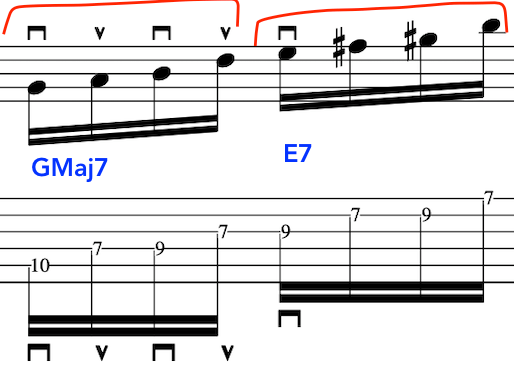
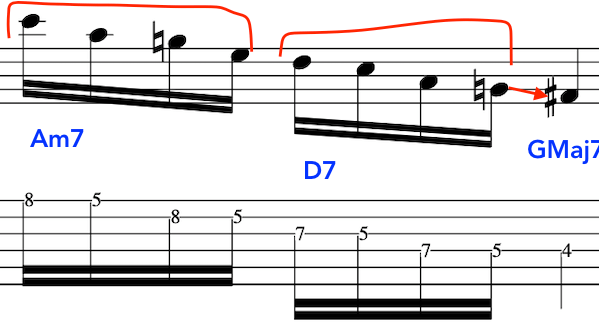
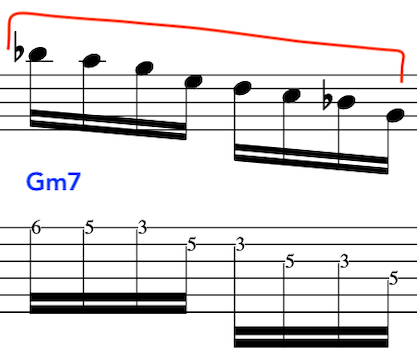
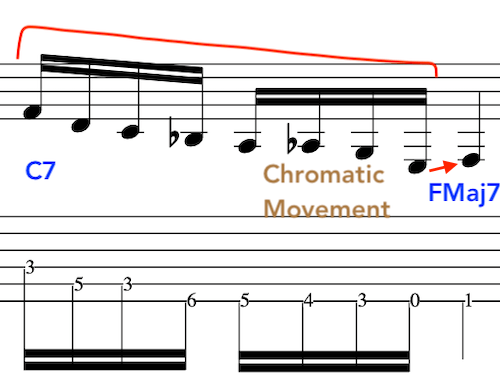
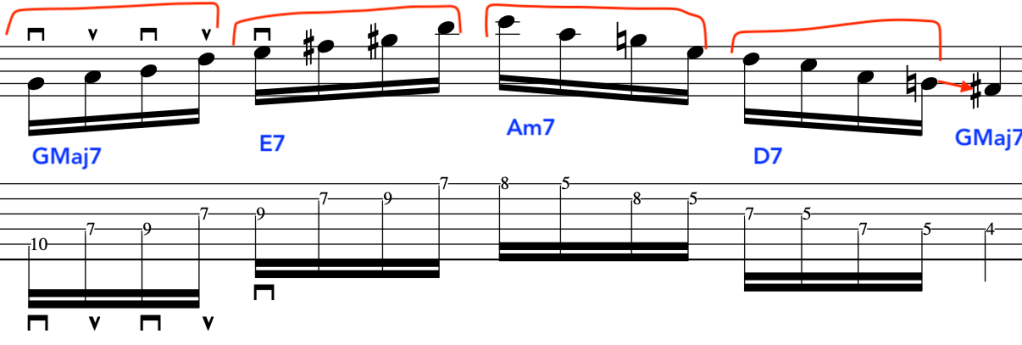
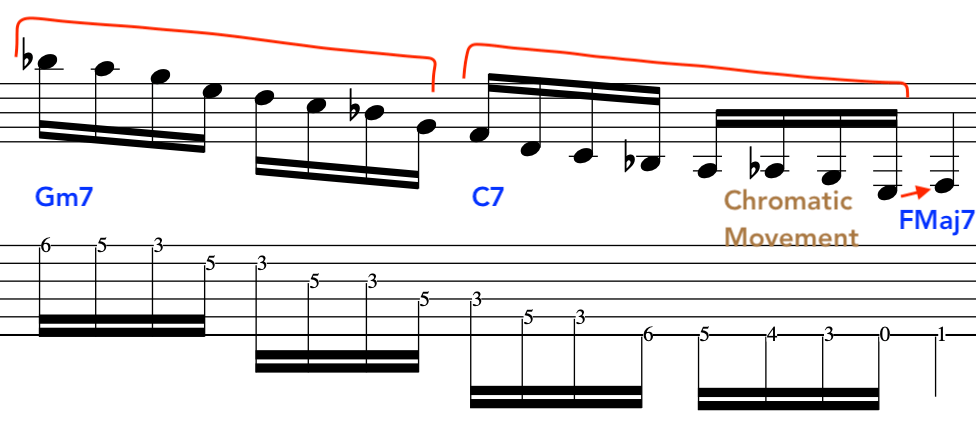
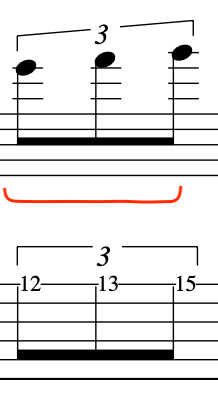
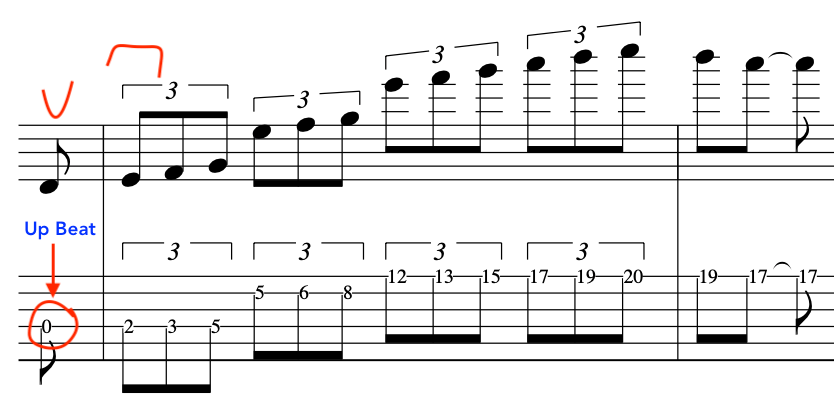
Here, is the natural movement from our example line-[built in 3 deliberate parts]
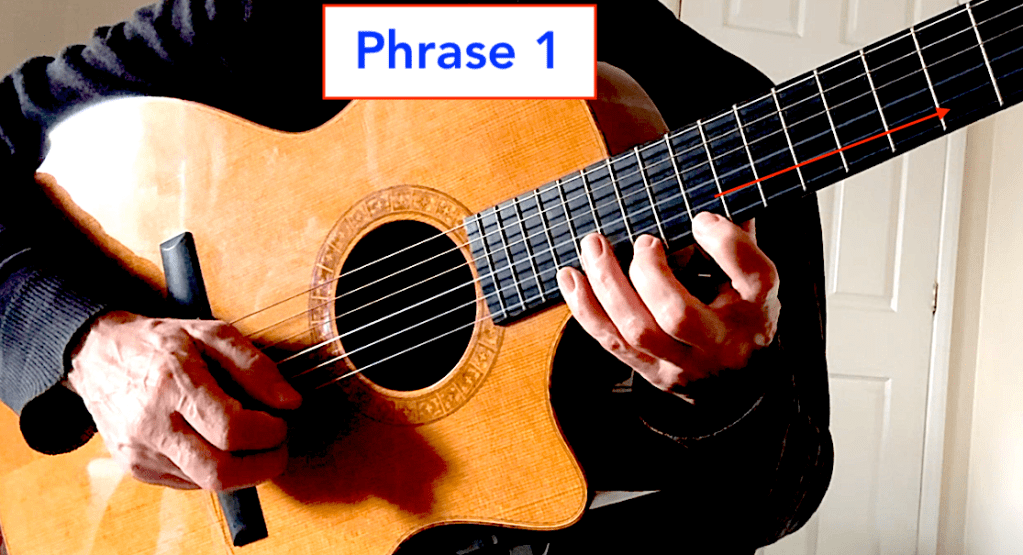
The fretting hand prepares shape to shift down to the next positions with the hand and fingers “Aligned” for the next phrase.
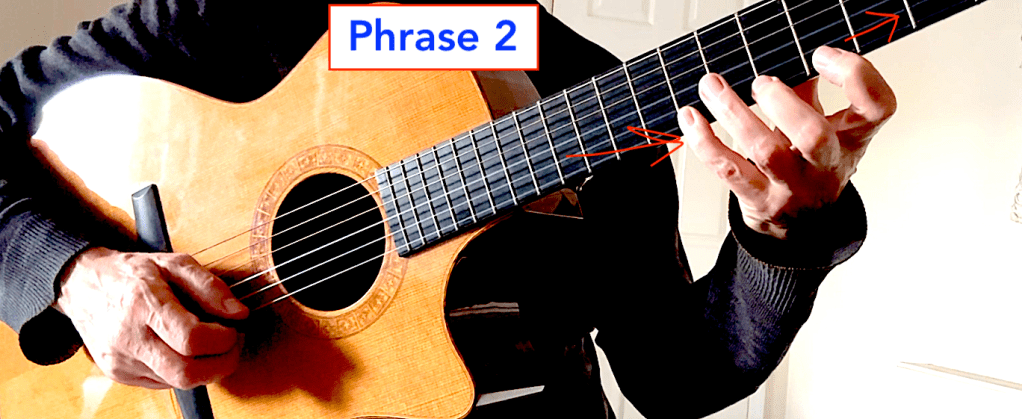
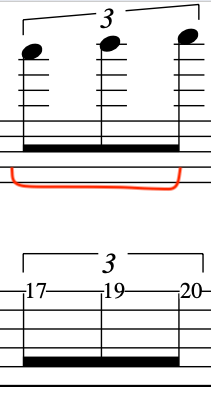
Fretting hand plays the phrase and prepares the shape and fingers to shift down to next position:
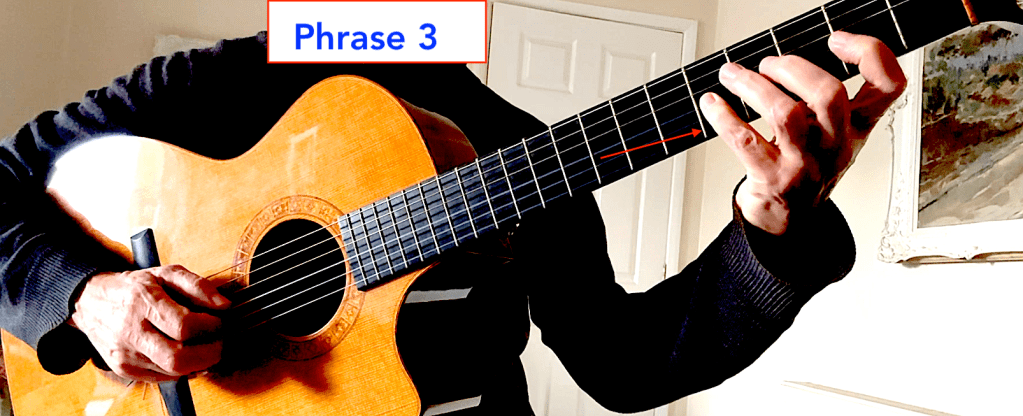
Fretting hand plays the last phrase comfortably. Hand, shape and fingering are aligned to the correct position.
Full Line -Shifting Positions:
FREE PDF DOWNLOAD:
IN CONCLUSION:
In conclusion this was just a quick look at the basics of Johns alternate picking guitar technique style.
From here, one can start to form and develop the improvisational elements needed to complete the style. [“This is the way I do it” video-a great example]
As John has taken so many paths in his musical journey it is impossible to get everything down in one webpage/blog. But, from a basic perspective, hopefully this lesson helps somewhat in understanding John’s alternate picking guitar technique.
If this blog lesson was of use to you then please SUBSCRIBE to us on YOUTUBE below, Thanks!