Polytonality:For Concerto/Orchestral Writing

Modern Jazz Fusion Chords part 2. Steely Dan, Dan Chord and Slash Chords

CLICK SUBSCRIBE!

Polytonality: For Concerto/OrchestralWriting lesson

Hi Guys

Today, a quick look at composing with Polytonality for orchestral and concerto writing.

Polytonality is the use of two or more keys at the same time:

poly-tonality-orchestral-composing-chords-example

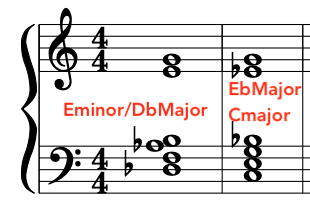
In this first example we have 4 bars of Polytonality with Eminor/DbMajor and EbMajor/CMajor
poly-tonality-orchestral-composing-chords-example

This then resolves itself with a “Tonal” diatonic cadence of B7/D# to Em:

Polytonality-Orchestral Example

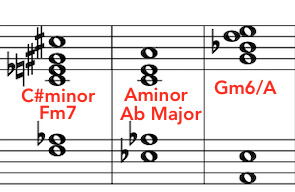
This example explores “Implication”. In this case it is implying the melodic minor but avoiding the cliche by employing the richness of Polytonality:
polytonality-orchestral-composing-chords-example

From here, we will again employ diatonic harmony for a cadence.
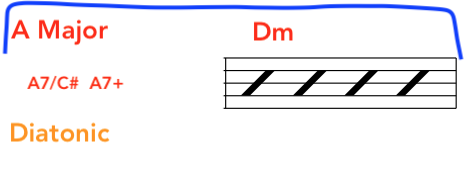
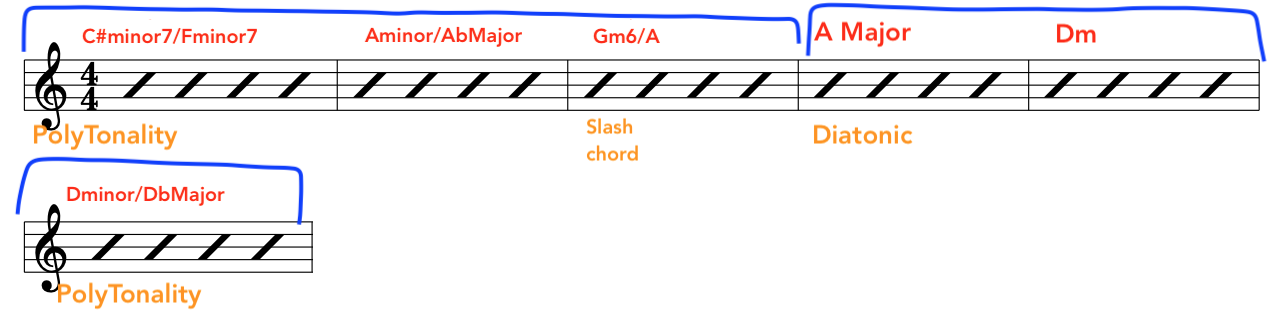
To complete this short orchestral example we will go back into Polytonality with another melodic minor implication by employing Dminor/DbMajor:
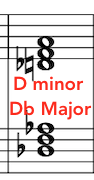
polytonality-orchestral-composing-chords-example

Here is the chart:

poly-tonality-orchestral-composing-example

Polytonality-Orchestral Example

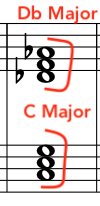
In this final example we will just “Reverse” the chords. This time it is DbMajor/Cmajor which is then played the other way around with CMajor/DbMajor.
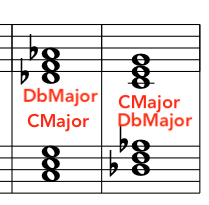
polytonality-orchestral-composing-chords-example

finally, we will employ a slash chord for an “Implied” cadence: This will also lighten the harmony:
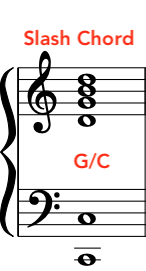
Here is the Chart:
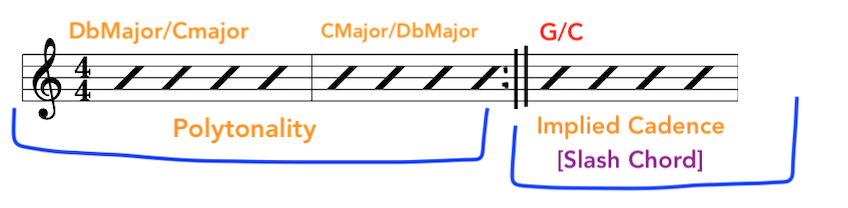
polytonality-orchestral-composing-example

FREE PDF DOWNLOAD:

Modern Jazz Fusion Chords part 2. Steely Dan, Dan Chord and Slash Chords

String Skipping/Intervallic Guitar Part 3-HARMONY

yt_logo_rgb_light

CLICK SUBSCRIBE!

String Skipping/Intervallic Guitar Part 2-HARMONY

PLEASE WATCH VIDEO ABOVE FOR DETAILED ANALYSIS:

Hi Guys,

Today, one last look at “Intervallic string skipping” for a contrapuntal-esque picking style.

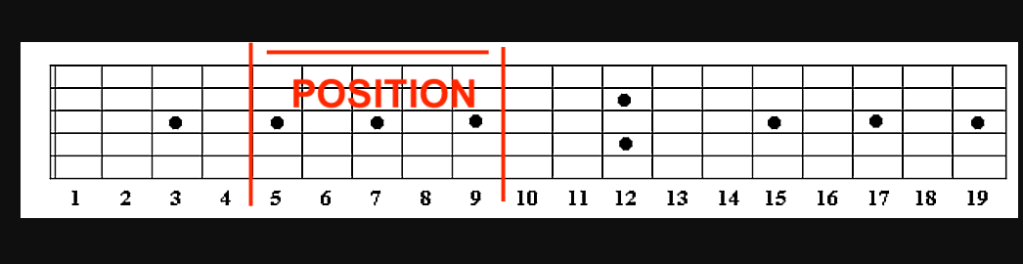
The first thing to do is take one position on the guitar fingerboard and find the “Harmony” embedded within that position.

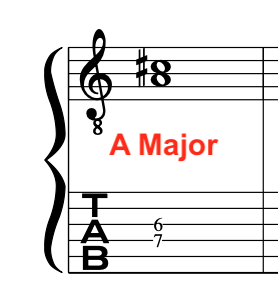
I have taken the A Major position [F#m Relative]

al-di-meola-cycle-of-4ths

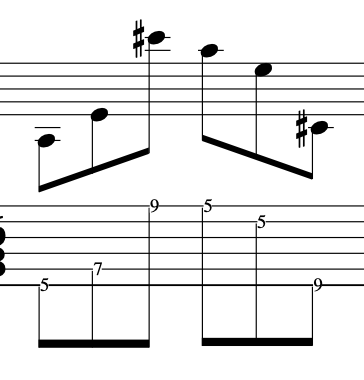
Now, let’s make an A Major basic arpeggio from the 1st string and the 6th string.

al-di-meola-string-skipping

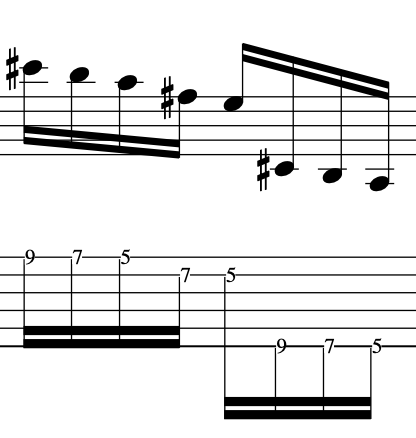
Straight away, you will notice that the notes on the 1st string and the notes on 6th string are the same but in different octaves. This gives us an easy and excellent way to exploit the High to Low or Low to High counterpoint effect.

Now let’s do the same with a piece of scale: [Starting on an “Upstroke”]

al-di-meola-string-skipping-scales

Again, the octave makes this flow and connect easily from the low to high.

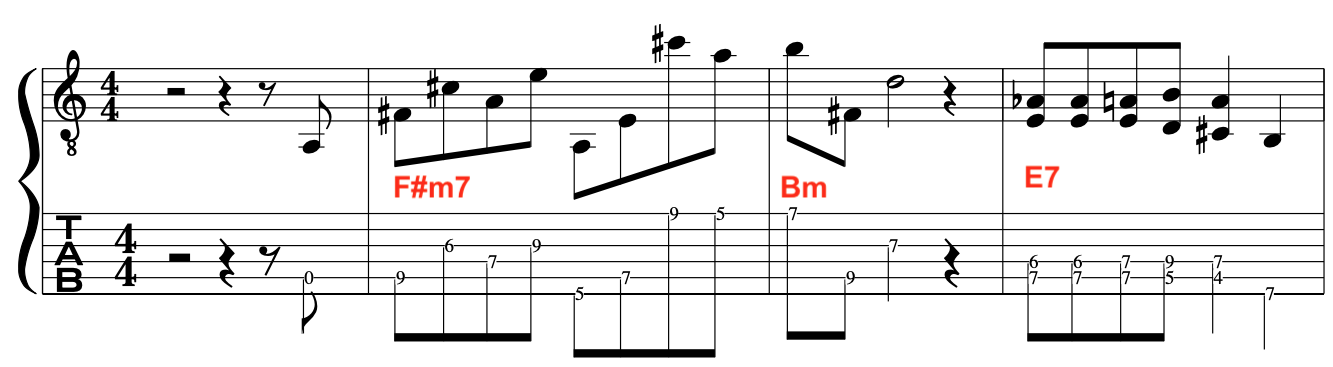
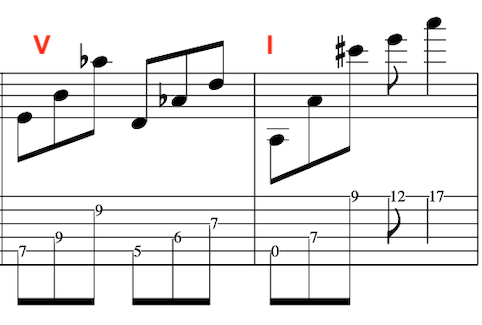
The next point is to take a chord sequence and use this “String skipping/intervallic” effect: Here we have Vi ii V7 I

al-di-meola-string-skipping

HARMONY

Th next essential point is to acknowledge the harmony in this position:

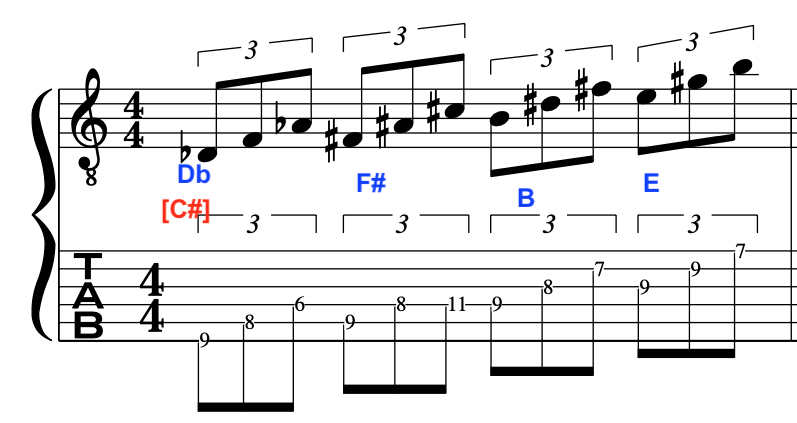
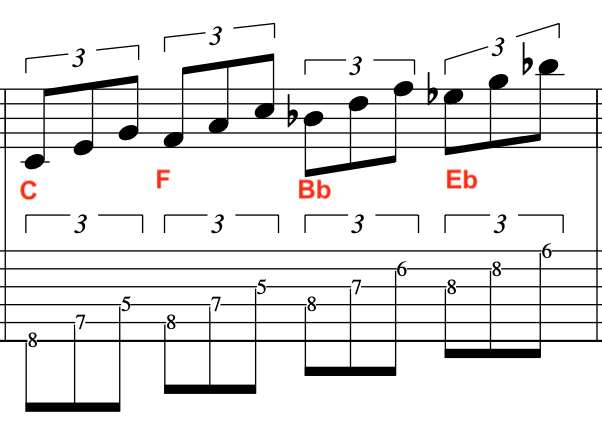
We will do this by exploiting the Cycle of 4ths in this simple 5 fret position.

al-di-meola-cycle-of-4ths

Here you can see that we have a huge amount of harmony available to us right under our fingertips. These chords don’t have to be Major, they can be minor, diminished, augmented etc. This gives us even more material to work with.

If we move down a fret [Semitone] then we have another set of harmony in 4ths awaiting us.

al-di-meola-cycle-of-4ths

Along, with this we have chord inversions and all of the inversions of A Major:

So, as you can see there is a huge amount of harmony right in front of us even in this one position that we can exploit and create lots of music from.

Lastly, let’s create another “String skipping intervallic” example:

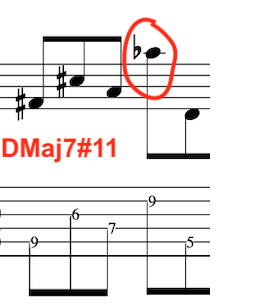
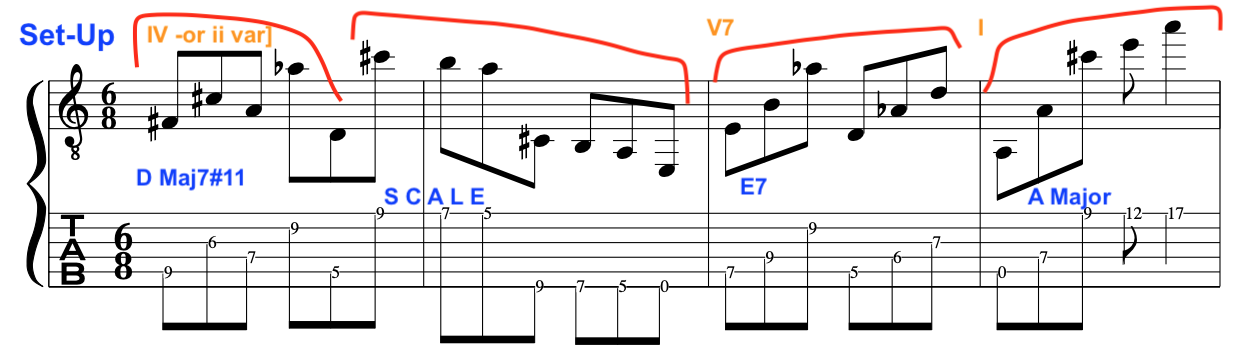
I’m going to create a phrase outlining a D Maj#11 chord.

al-di-meola-string-skipping

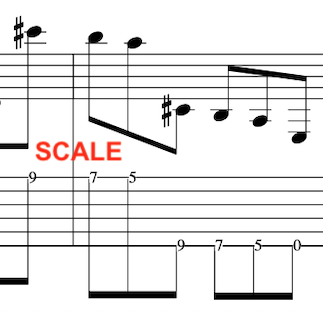
To make this sequence quite quick I am going to add some scale from high to low:

al-di-meola-string-skipping-scales

Now we will add a V -I cadence

Now, let’s view the whole line:

al-di-meola-string-skipping

PDF DOWNLOAD:

PDF DOWNLOAD 2:

IF THIS LESSON WAS OF USE TO YOU THEN PLEASE SUBSCRIBE TO US BELOW ON YOUTUBE, THANKS!