
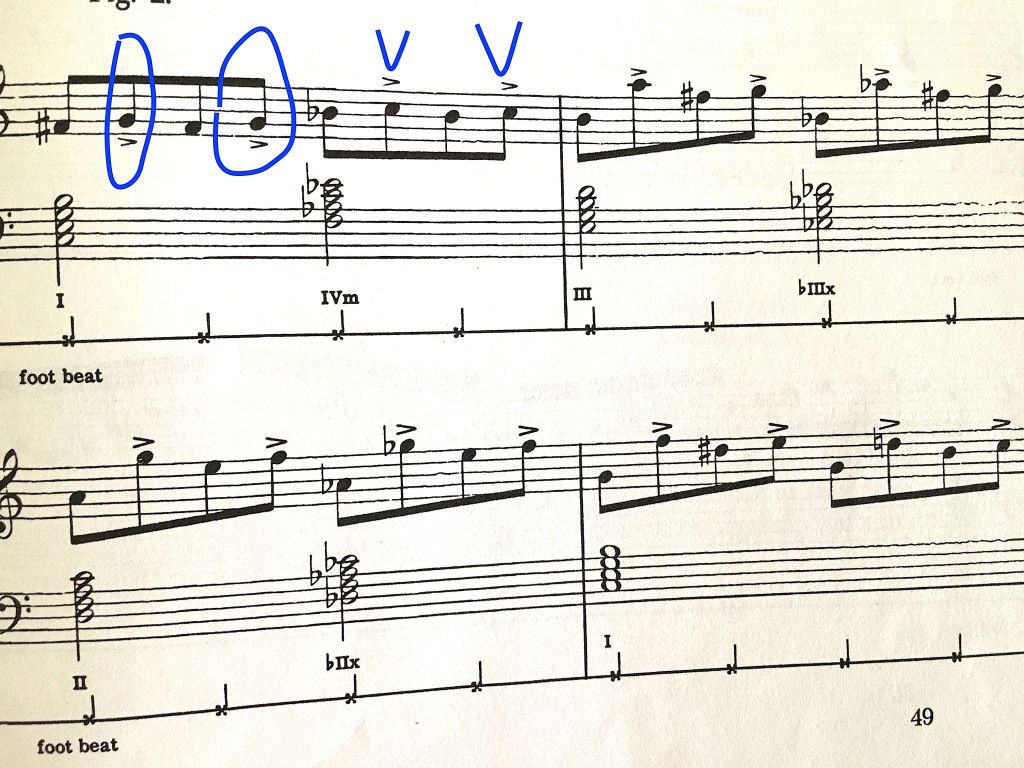
Off Beats example:
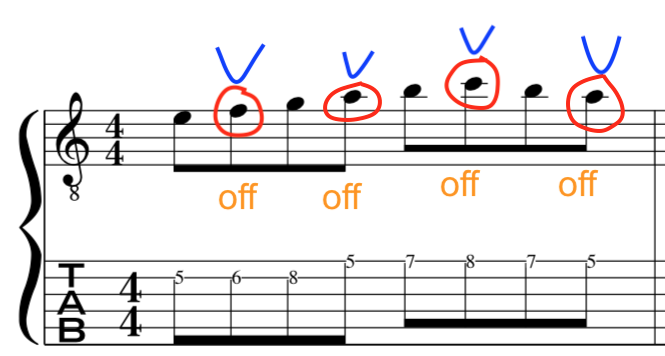
Simple Exercise:
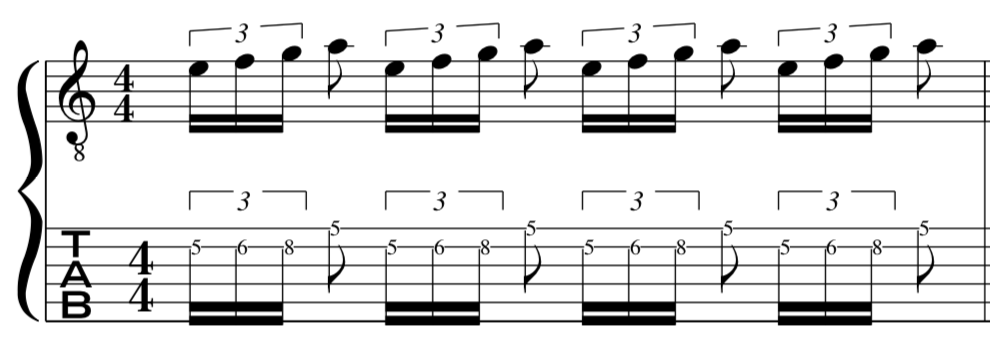
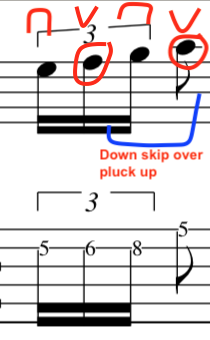
Crossing the string
From John Mehegan Book 2:
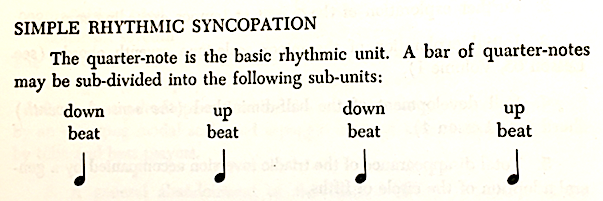
Accenting the “Off” Beat
IF THIS LESSON WAS OF VALUE TO YOU THEN PLEASE SUBSCRIBE TO US ON YOUTUBE BELOW, THANKS!

Modern Music Theory Improvisation and Application
Lessons from Jazz/World to 20 Century Classical Music Harmony Rhythm and Theory
Off Beats example:
Simple Exercise:
Crossing the string
From John Mehegan Book 2:
Accenting the “Off” Beat
IF THIS LESSON WAS OF VALUE TO YOU THEN PLEASE SUBSCRIBE TO US ON YOUTUBE BELOW, THANKS!
Please watch video above for a deeper analysis
Hi Guys,
Today we have a quick look at how Cory Henry employs the diminished scale to good effect for an original and unique sound.
Firstly we will take the whole step half step diminished scale starting on the note C
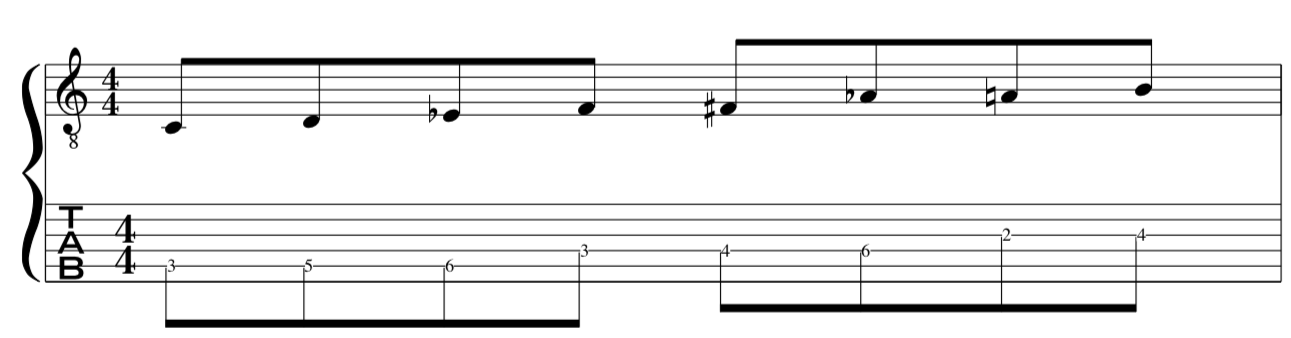
From this scale there are 4 “Dominant” Chords that move in minor 3rds:
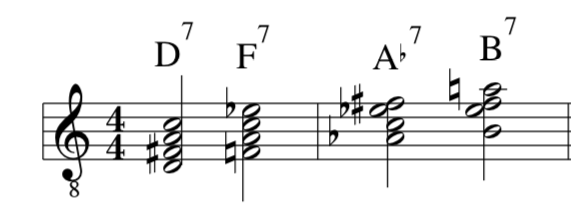
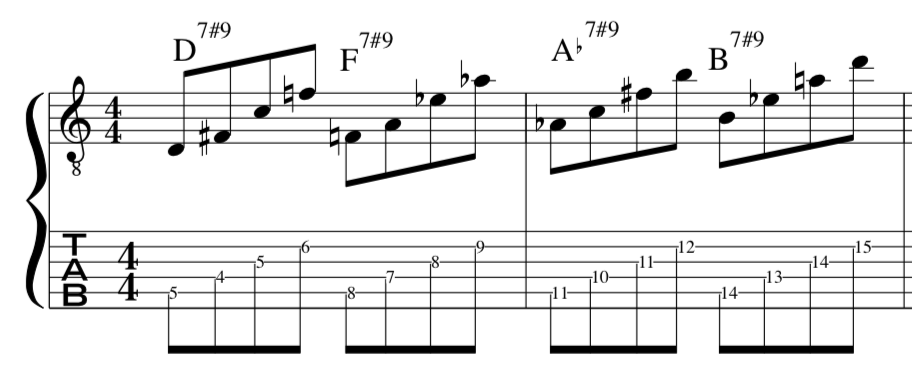
These could also be Dom7#9
These could also be Dom7[#9]b5 Chords
![Dom7[#9]b5 -Chords-diminished-scale](https://jazzimproviser.com/wp-content/uploads/2022/05/screen-shot-2022-05-25-at-16.31.13.png)
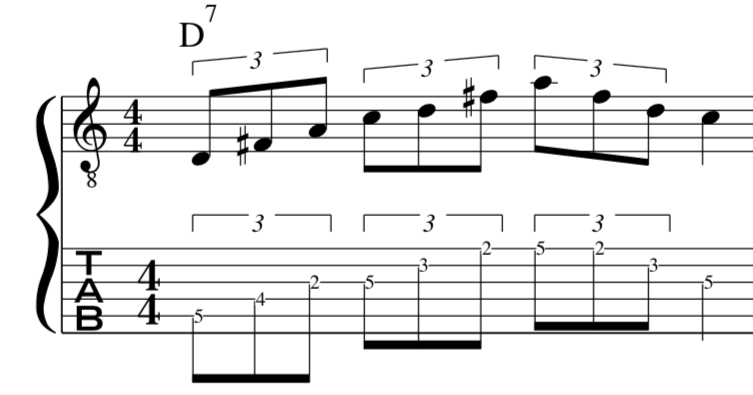
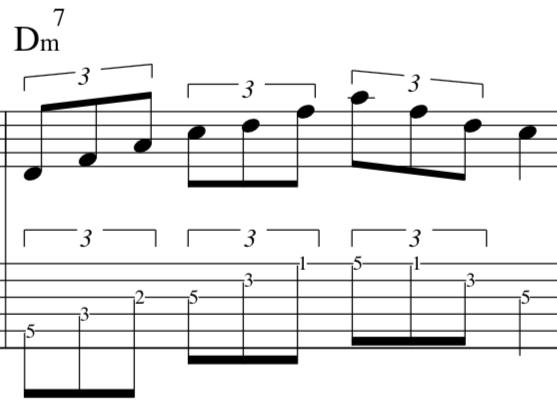
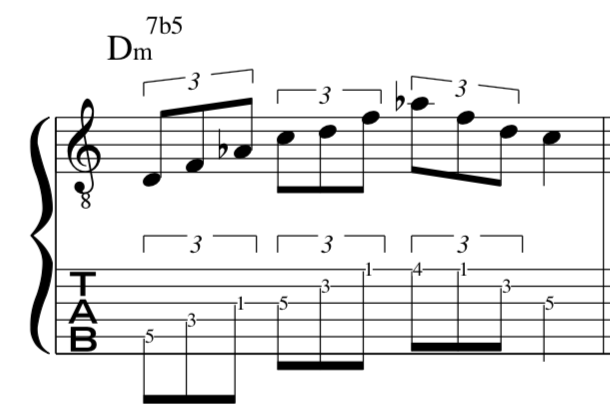
Each of these chords can also be a, minor 7th, minor7b5 and a diminished 7th chord/arpeggio
Example for the chord D:
D Dominant 7th
D minor 7th
D minor7b5
D diminished 7th arpeggio
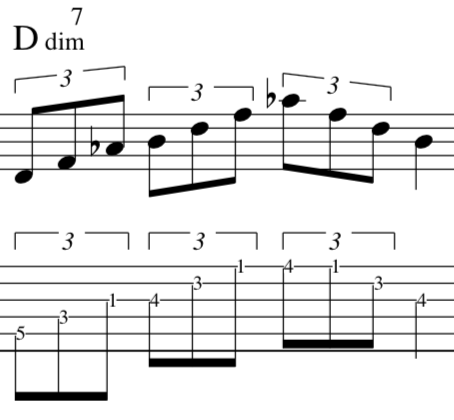
All 4 of the above arpeggios/patterns apply to F Ab and B also.
Remember that these Major chords can now also become minor as in the example below:
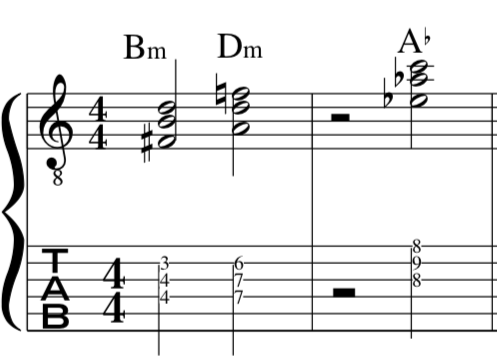
Okay, here is the key to Cory Henry’s improvisational approach!
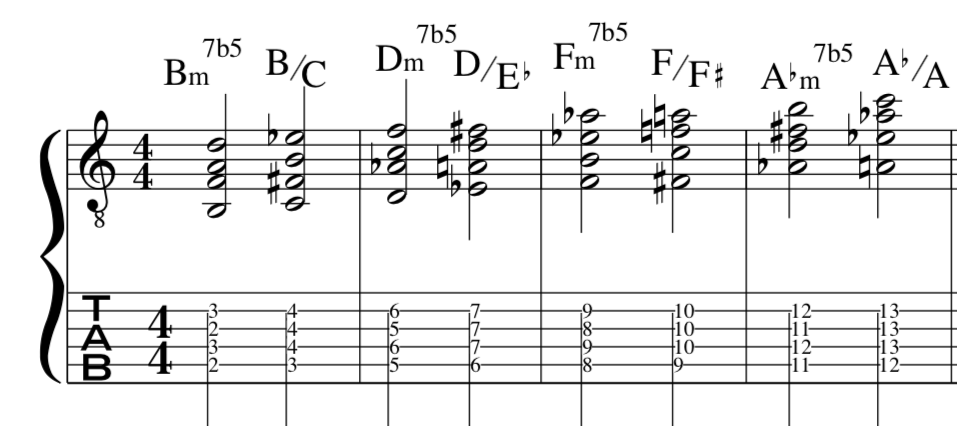
He employs inversion of the “Triads” of these 4 Dominant chords in Major, minor, minor7b5 and diminished 7ths.
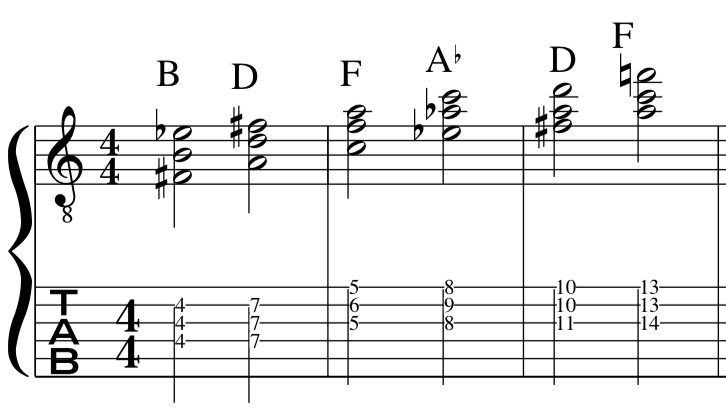
He exploits this further by employing a “Slash” chord style harmonic approach:
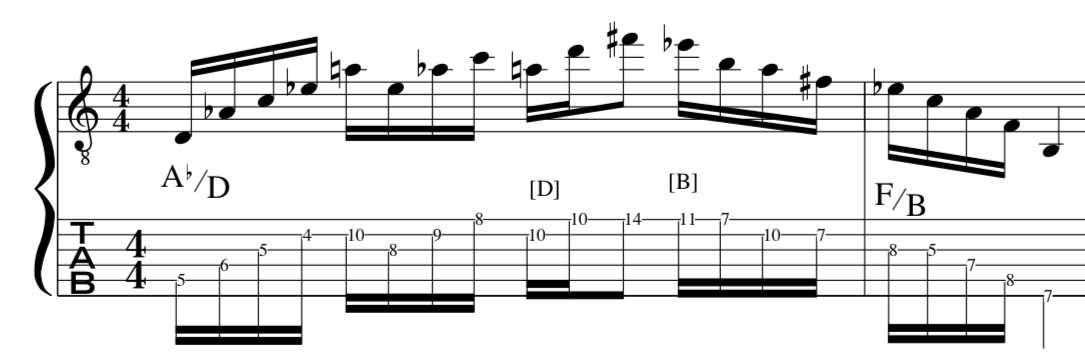
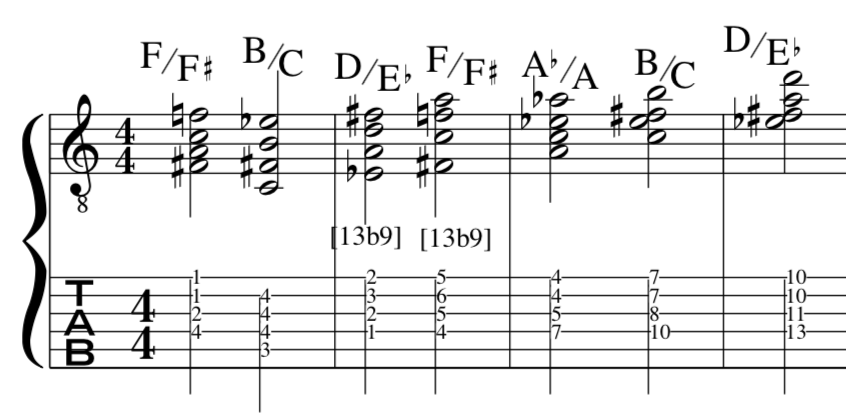
Another concept with which to stretch the harmony is to join the triads together over a dominant chord: [Maj, min, min7b5, dim]
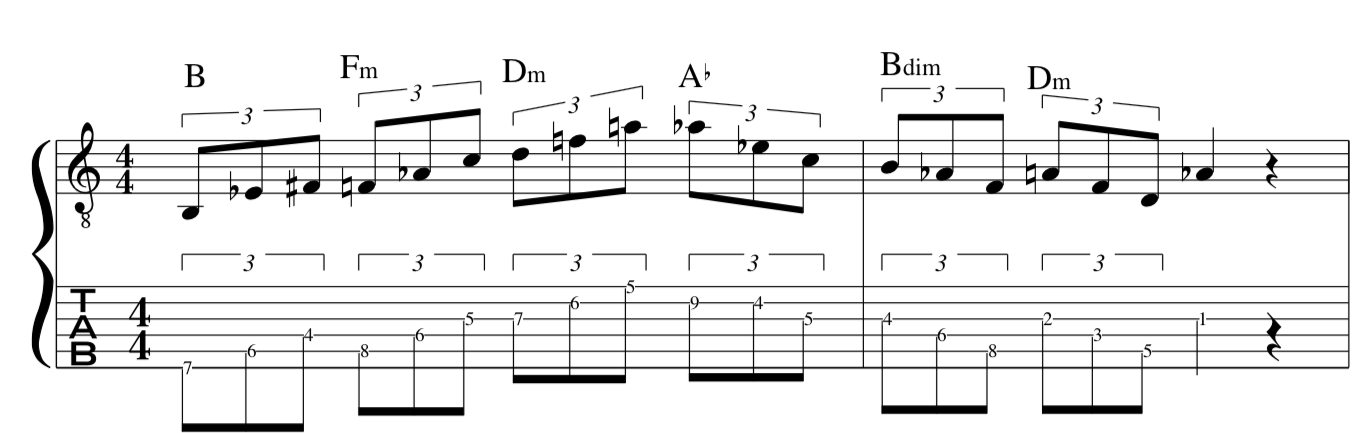
Here is a harmonisation of the diminished scale: Notice that the diminished scale is present in all 4 lines: Soprano/Alto/Tenor/Bass
Lastly, a nice little sequence:
IF THIS LESSON WAS OF VALUE TO YOU THEN PLEASE SUBSCRIBE TO US ON YOUTUBE BELOW, THANKS!
Hi Guys!
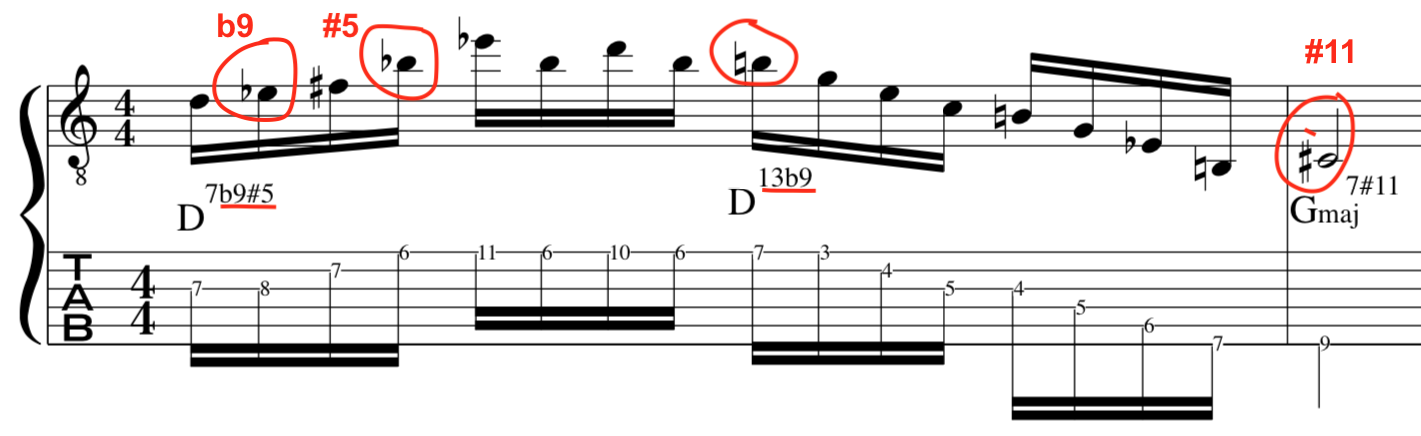
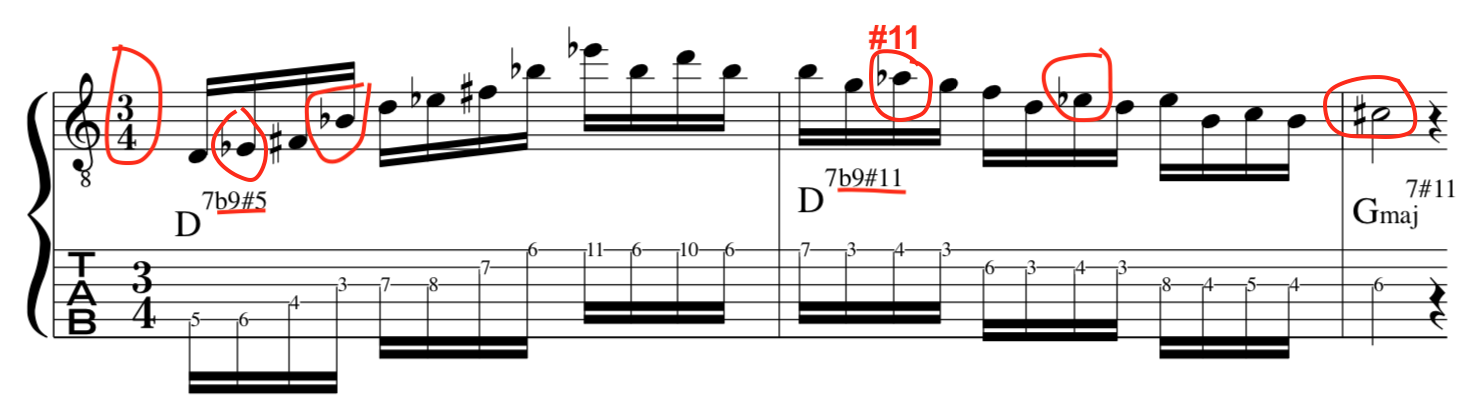
Just a quick look at two Chick Corea “Dominant” piano licks applied to the guitar.
[Please watch the video above for a deeper analysis].
LICK 1:
3/4 VARIATION LICK: 2
PDF CHICK COREA LICKS:
IF THIS LESSON WAS OF VALUE TO YOU THEN PLEASE SUBSCRIBE TO US ON YOUTUBE BELOW, THANKS!
