“In a Silent Way” Zawinul/McLaughlin Guitar Analysis

John McLaughlin/joe Zawinal “In a silent way” Guitar Analysis Lesson

Hi Guys,

Today, a look at the amazing performance/improvisation of “In a Silent Way” by John McLaughlin and Joe Zawinul.

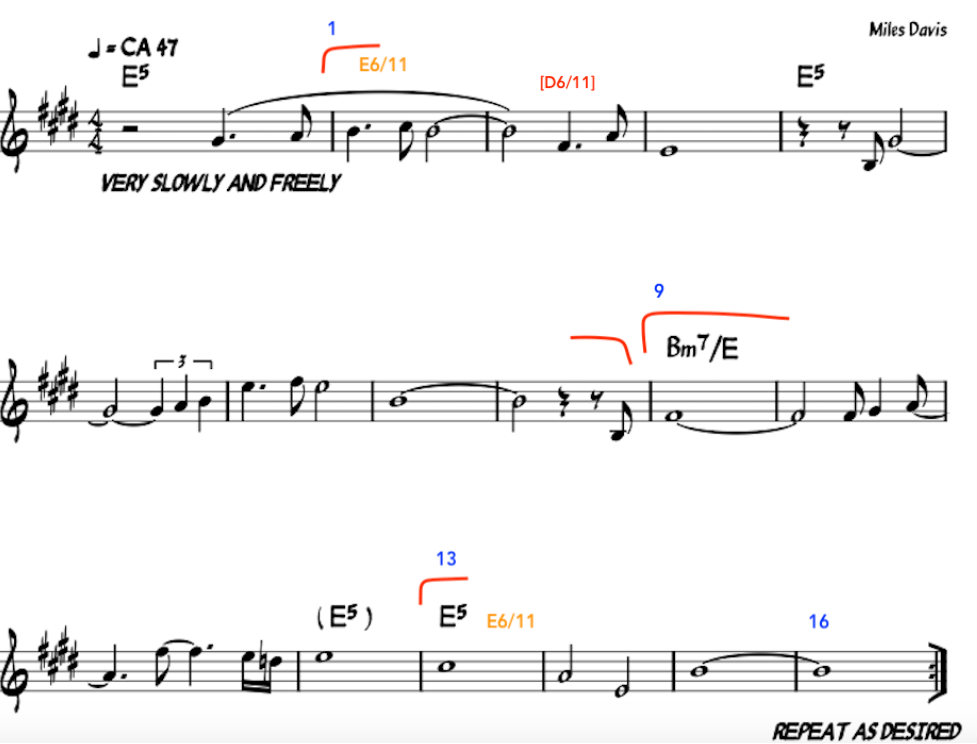
The key to this is to look at the 16 bar structure and view the two main chords and acknowledge how the melody is/can be contained within them.

A notated piece of sheet music for Joe Zawinal and John McLaughlin "In a silent way" chords and melody.
Musical notation illustrating the chords E6/11 and Bm7/E for ‘In a Silent Way’ Zawinal/McLaughlin

So, from this simple chart we can observe that we have two main prominent chords. These are E6/11
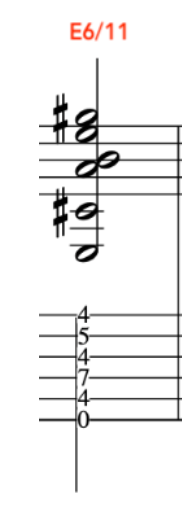
Musical sheet showing an E6/11 John McLaughlin chord diagram with specific finger placements on a guitar neck.
Chord diagram for E6/11, highlighting its structure used in the performance of ‘In a Silent Way.’

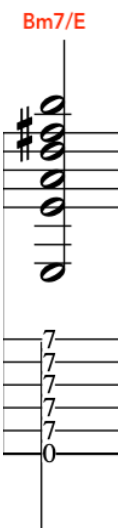
and Bm7/E

Chord diagram for Bm7/E John McLaughlin chord featuring finger placements on the guitar fretboard.
Chord diagram for McLaughlin’s Bm7/E, illustrating finger placements and string usage.

Here, is how the 6/11 is exploited by John for the intro: So, instead of the plain minor 7th chords we have:
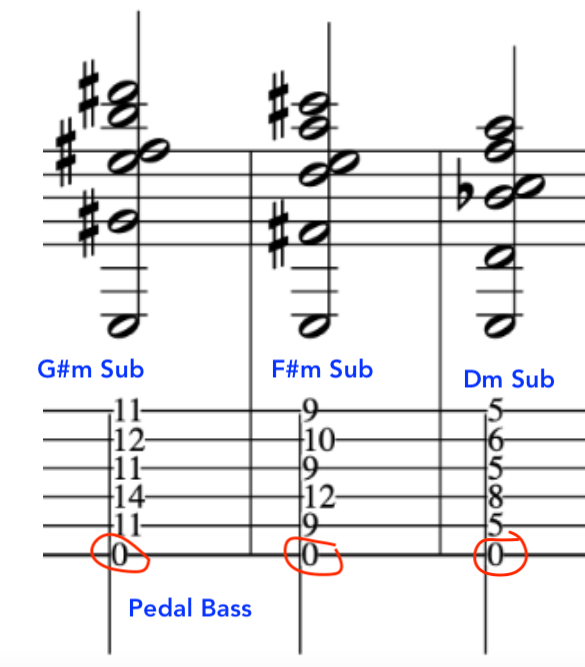
A music sheet showing chord progressions by John McLaughlin and Joe Zawinal labeled G#m Sub, F#m Sub, and Dm Sub with corresponding note positions indicated by numbers on the staff. This is for the song "In a silent way".
Chord chart showing G#m, F#m, and Dm substitutions with a pedal bass note for guitar improvisation.

Now, let’s loosely add some chords [Shapes] to the melody, and see what we can come up with,

EXAMPLE: Notice that the 1st note of each melody section [circled] fits perfectly within the chord shape.
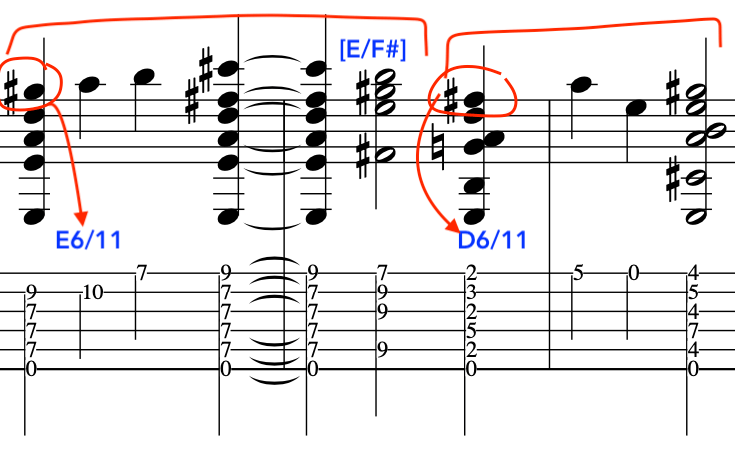
A sheet of music by John McLaughlin and Joe Zawinal notation featuring various notes, chords labeled E6/11 and D6/11, with annotations indicating E/F# from "In a silent way"
Chord progression and melody outline for ‘In a Silent Way,’ highlighting E6/11 and D6/11 McLaughlin chords.

In terms of harmonising the melody and creating a nice ethereal or dissonant resonance on the guitar it is a really good idea to employ a pedal note.

In this case it is the low E string.

Example:
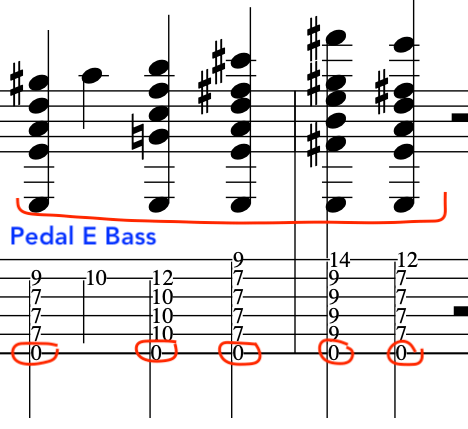
Sheet music displaying Joe Zawinal and John McLaughlin's "In a silent way" notes with a marked 'Pedal E Bass' section and tablature notation.
Notation example highlighting the use of a pedal E bass “In a silent way” in the chord sequence.

To conclude, we will cadence nicely with the 7sus4 chord and a little descending run back to the tonic chord of E Major.
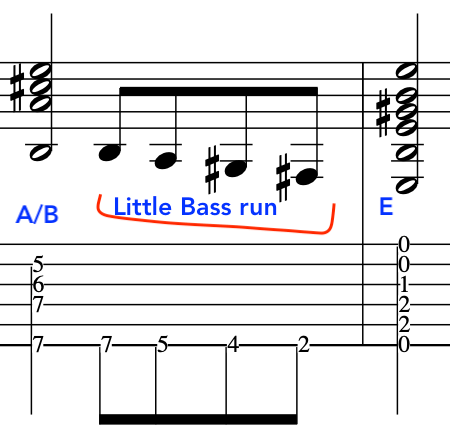
A sheet of music featuring guitarist John McLaughlin's little bass run highlighted in red with annotations for A/B and E chords for "In a silent way" song.

Earl Klugh Style Guitar Composing

Modern Jazz Fusion Chords part 2. Steely Dan, Dan Chord and Slash Chords

Hi Guys,

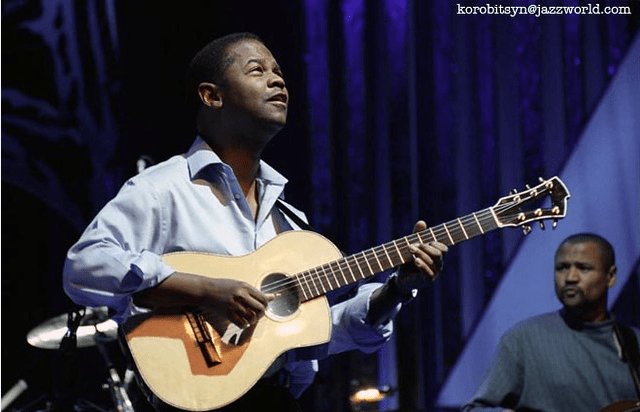
Today, a quick look at the unique compositional and playing style of guitar maestro Earl Klugh.

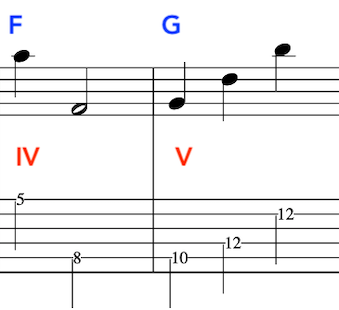
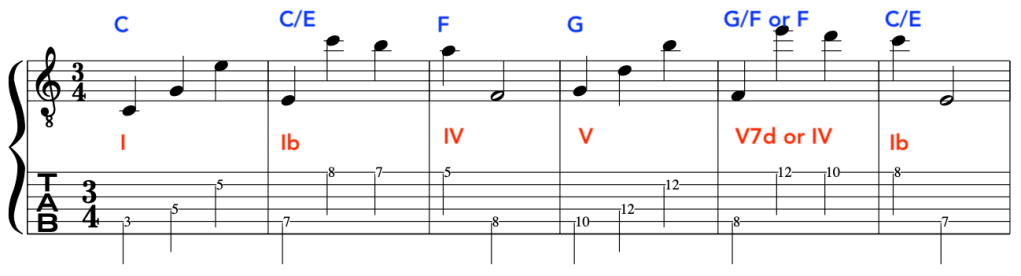
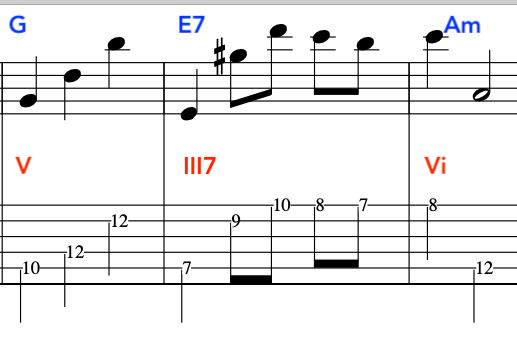
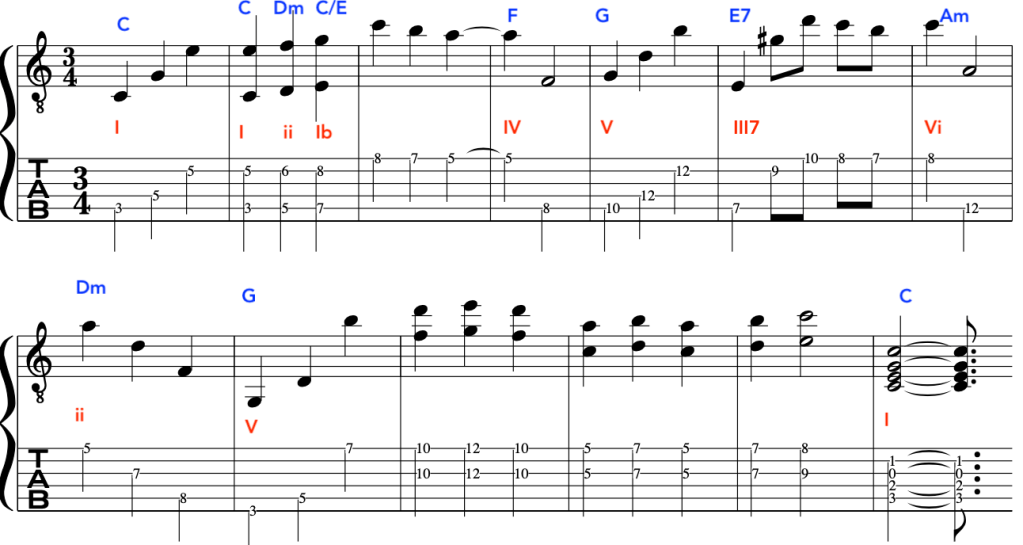
In the first example we will take a basic I IV V I [C to F to G to C] chord sequence and employ “Inversions”.

The employment of simple chord inversions are the key to getting creative in this beautiful, skeletal and spacious guitar style, along with the compositional process.

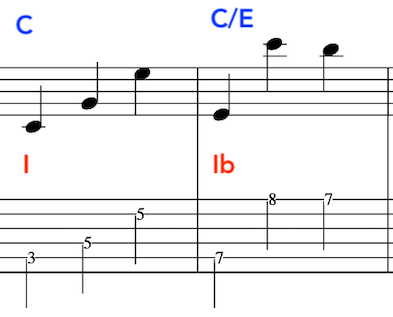
Let’s begin with a simple C root position chord that then moves up into its 1st inversion with a melody note of B natural, which, will resolve down to the note A for chord IV [F Major].

earl_klugh_guitar_lesson

From here we will employ a root position chord of G Major.

earl_klugh_guitar_lesson

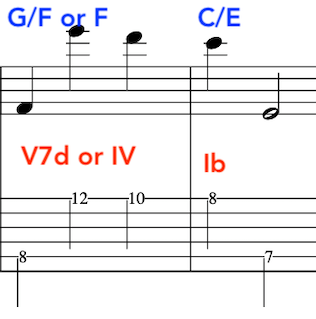
Now, we need to create a cadence.

In this case we could make this V7d or G/F or employ a simple F Major chord that resolves back to C/E or C 1st inversion.

earl_klugh_guitar_lesson

Here, is the whole little structure that we can embellish in the next part.

earl_klugh_guitar_lesson

Now, that we have a base, a little melody and a structure to work from, we can start to fill it out and colour it in.

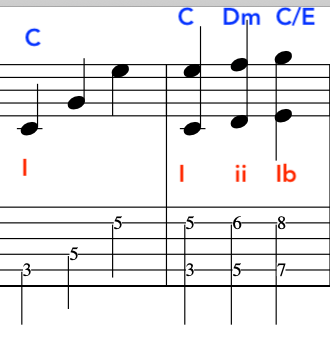
First, we will add some simple melodic slides: These, are outlining – C Dm and C/E – and create percussive/melodic movement.

earl_klugh_guitar_lesson

Next, we will exploit chord iii and make it Major and a Dominant 7th: From here, we will use this to modulate to chord Vi [A minor] the relative minor of C Major.

This gives a new emotional colour and pull as it moves away from the Major key.

earl_klugh_guitar_lesson

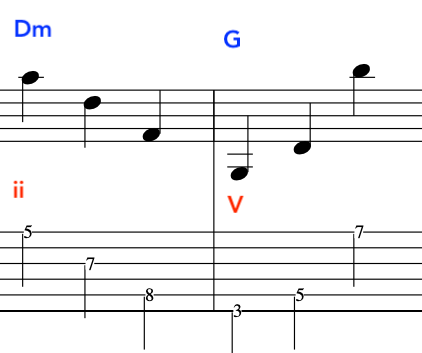
Finally, we need to cadence. We will employ a ii V chord sequence to get us back to chord I [C Major].

earl_klugh_guitar_lesson

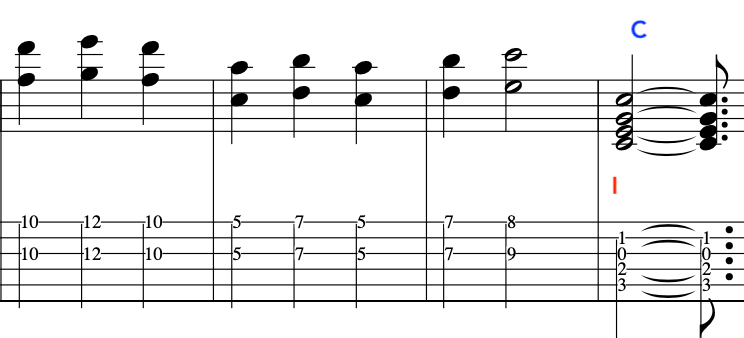
To create a climax to the cadence, we will add colour with 6ths as melodic and rhythmic embellishments that push us to resolve to the tonic chord of C Major.

earl_klugh_guitar_lesson

earl_klugh_guitar_lesson

This was just a brief look at this amazing style that is employed by the likes of Earl Klugh and Pat Metheny.

The use of chord inversions and basic harmony creates a very melodic and rhythmic world where composition presents itself naturally, within the movement of the chords themselves.

This is because, the melodies or melodic inflections result from the way that the chord inversion connect and resolve, thus, making the compositional process a natural and fluid one, resulting in spacious, rich melodic sounds that compliment the guitars resonance and fingerboard shapes.

Modern Jazz Fusion Chords part 2. Steely Dan, Dan Chord and Slash Chords