Alternate Picking Guitar Exercises/Runs 140 bpm ii v7 i

Modern Jazz Fusion Chords part 2. Steely Dan, Dan Chord and Slash Chords

CLICK SUBSCRIBE!

alternate-picking-mechanics-guitar-exercise-fusion-fluidity-lines

Hi Guys,

Today, a couple of alternate picking guitar exercises.

mclaughlin-liquid-lines-fluidity-alternate-picking-exercise

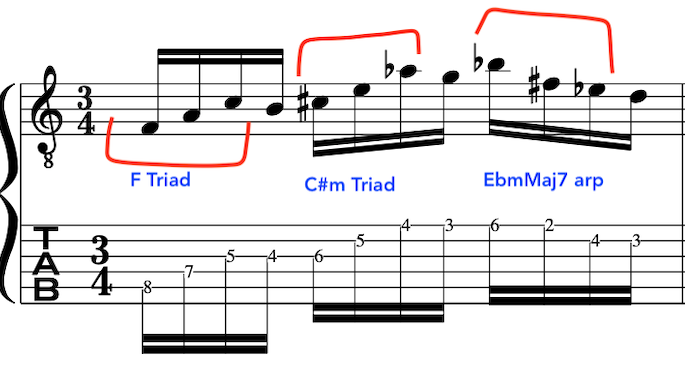
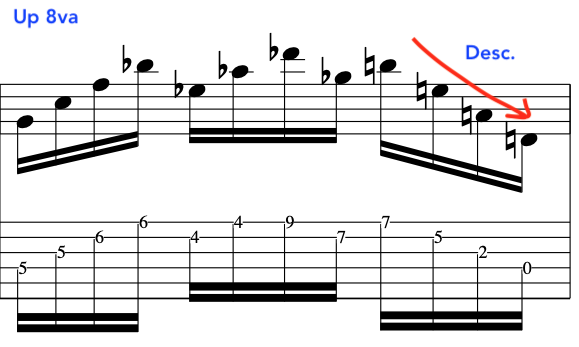
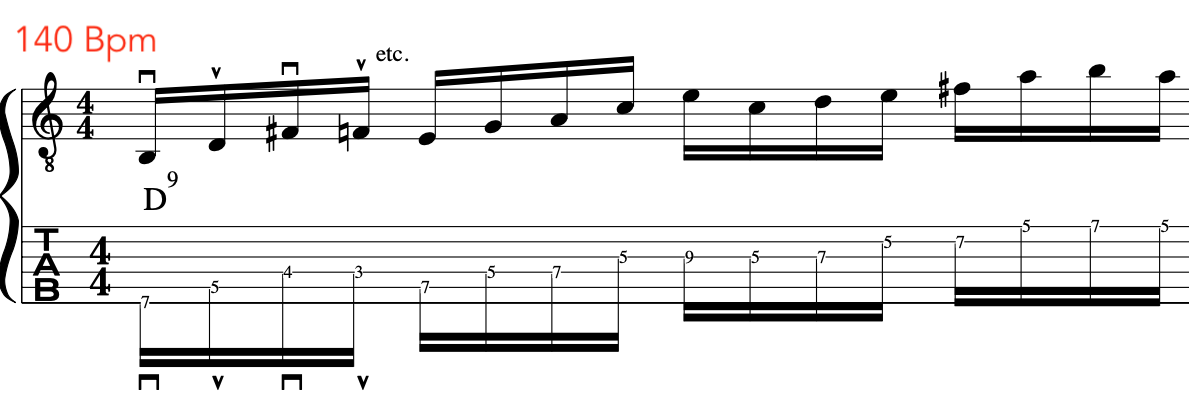
These lines are through a ii V7 I chord sequence/cadence at 140 bpm, so they are not super fast but are at the tipping point of the fusion tempo.

I am starting on a down stroke with the pick and following through with strict alternate picking in double time with 16th notes.

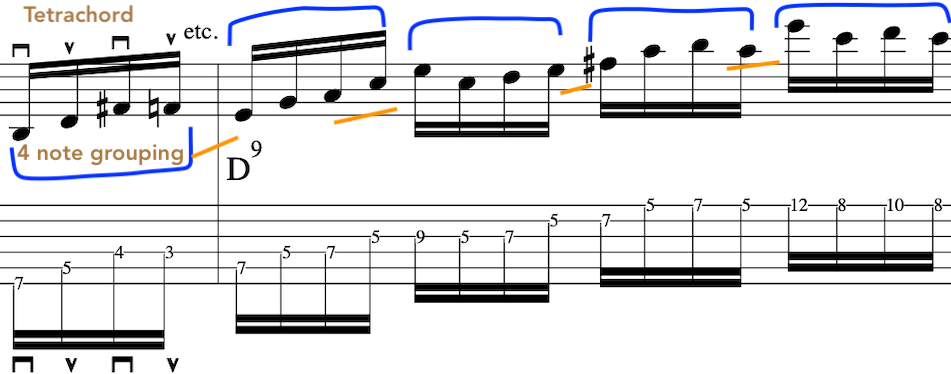
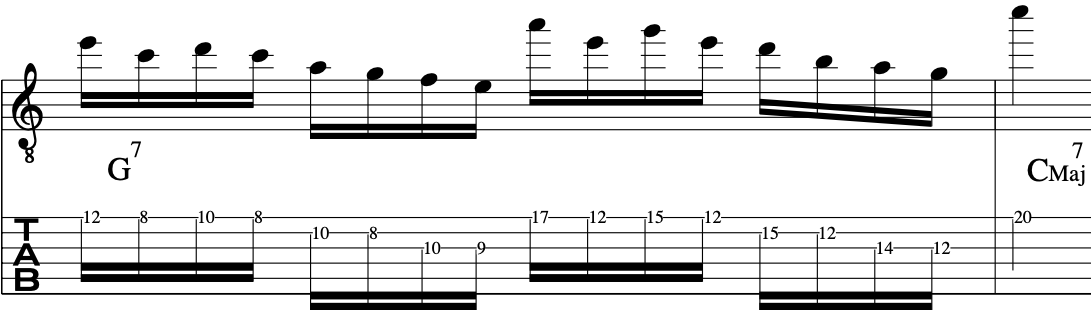
This first exercise employs some chromaticism ascending with pentatonic movement. The last 2 notes have a big stretch so there’s also a quick moment of detailed finger precision in the fretting hand.
alternate-picking-mechanics-guitar-exercise
alternate-picking-guitar-mechanics

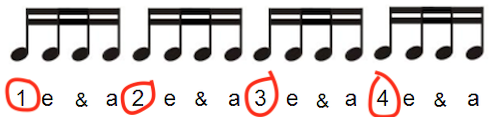
As always with these types of exercises it’s important to count time and feel the pulse.
jazz-fusion-double-time-counting

This will create the “Fluidity” in movement and help connect it all together.

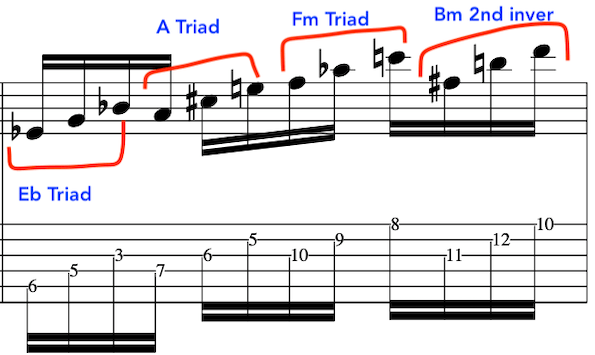
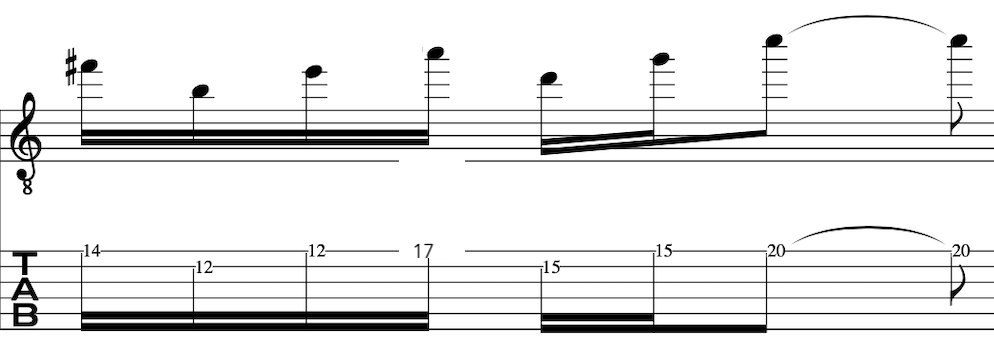
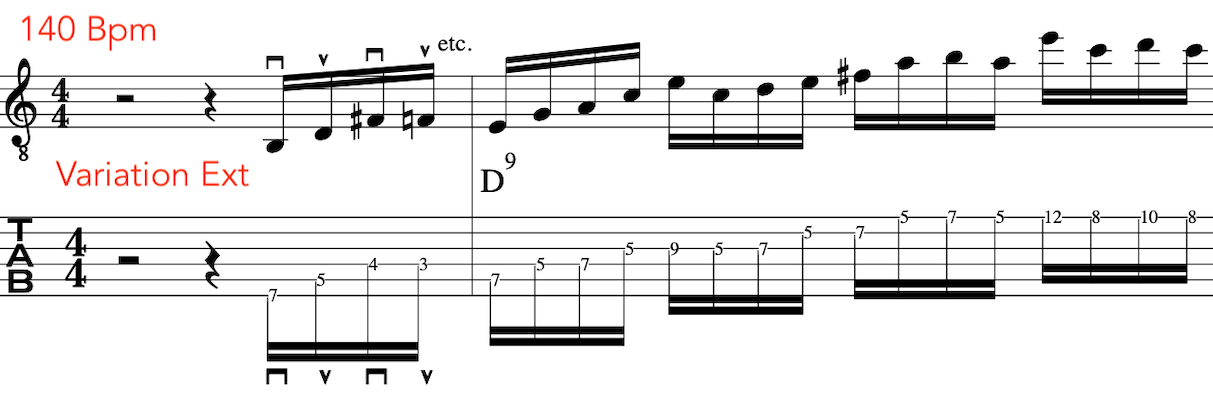
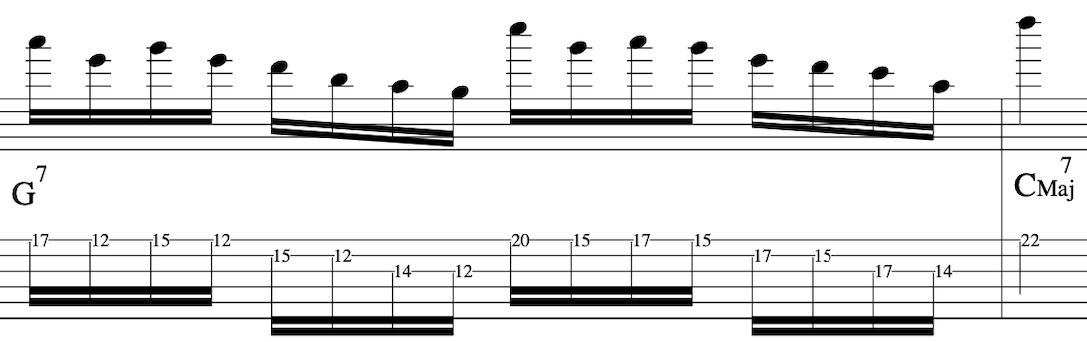
Next, we have a variation of the exercise above. This time starting with an upbeat and an extension all the way to the top D note.
alternate-picking-mechanics-guitar-exercise-fluidity-lines

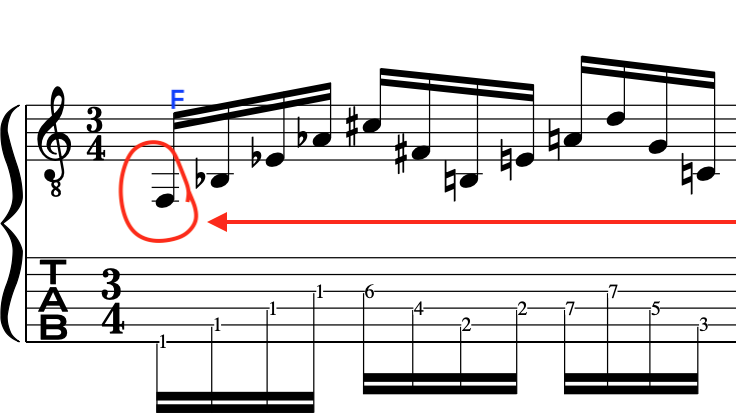
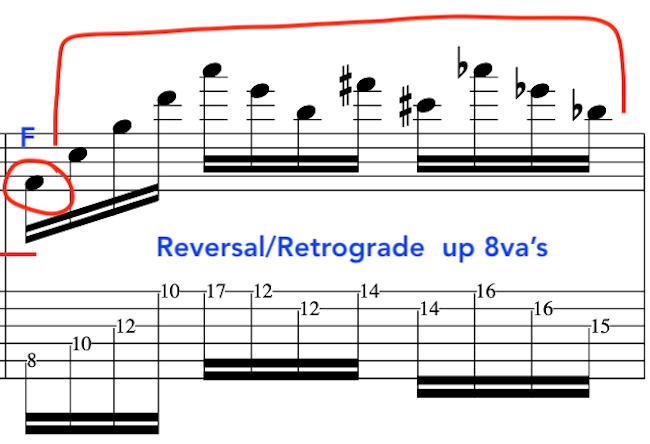
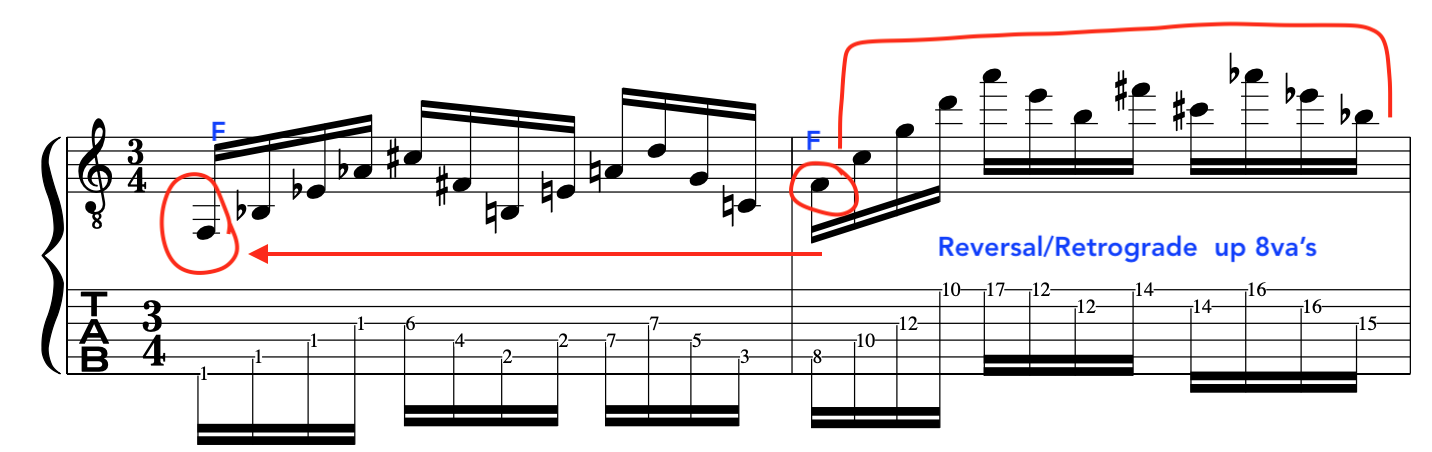
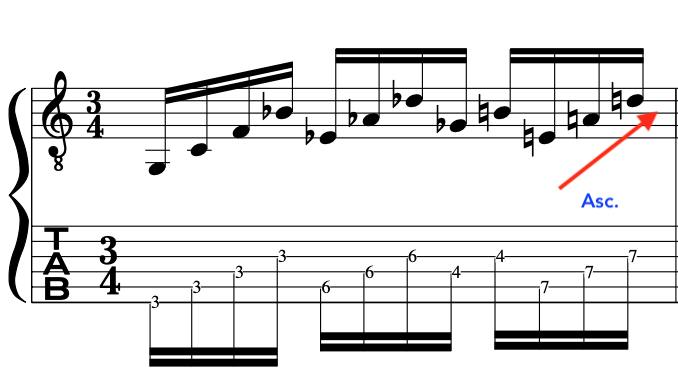
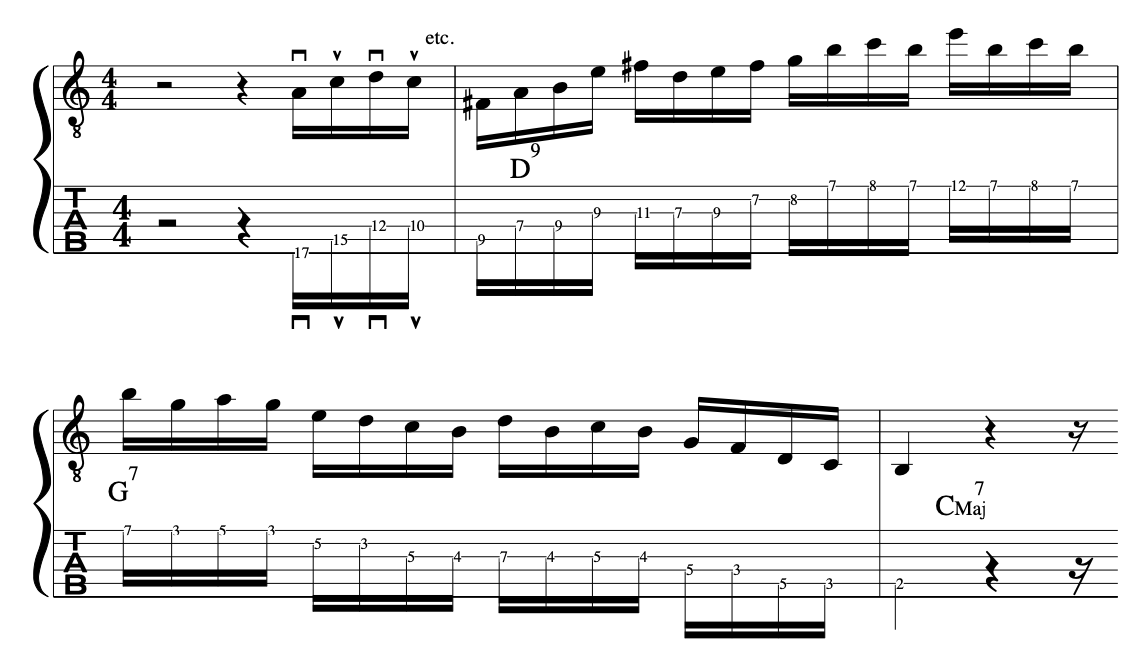
Lastly, we have another tetrachord exercise and variation going the other way,
alternate-picking-mechanics-guitar-exercise-liquid-lines

CONCLUSION:

As you can see from these short exercises, the only way to get the alternate picking effective with jazz/fusion is through the “Connections”, because the harmony/chord changes have to be dealt with whilst picking.

PDF DOWNLOAD:

Modern Jazz Fusion Chords part 2. Steely Dan, Dan Chord and Slash Chords

12 tone jazz/fusion 20c classical quartal/quintal lines

CLICK SUBSCRIBE!

12 Tone Jazz/Fusion Quartal/Quintal improvising and composing concepts

Hi Guys,

Today, a look at employing 12 tone rows for Quartal and Quintal improvising and composing.

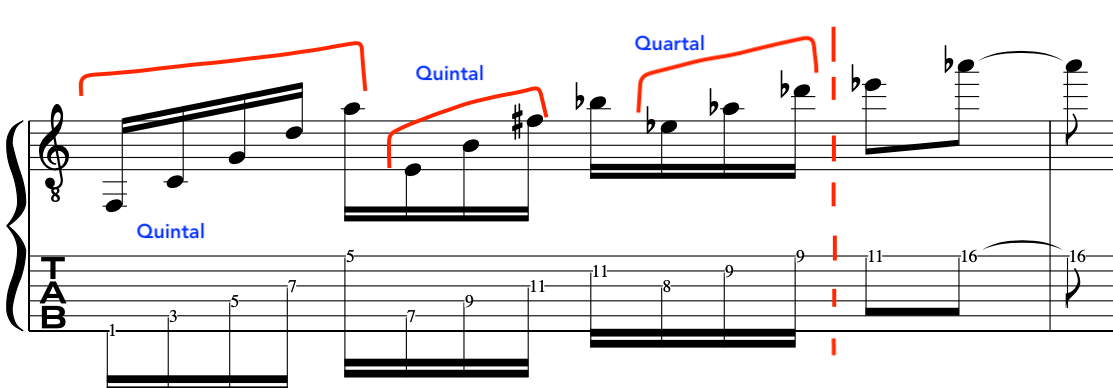
Here is the first row: Notice the movement of 5ths and 4ths.

12-tone-jazz-fusion-rows

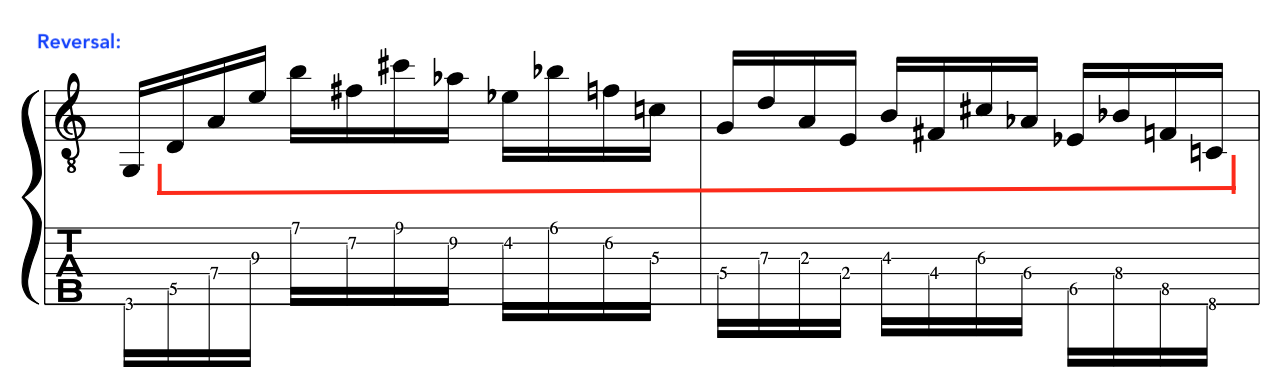
Now, we will play it backwards with retrograde motion or reversal: Also, notice the use of changing register.

12-tone-jazz-fusion-rows

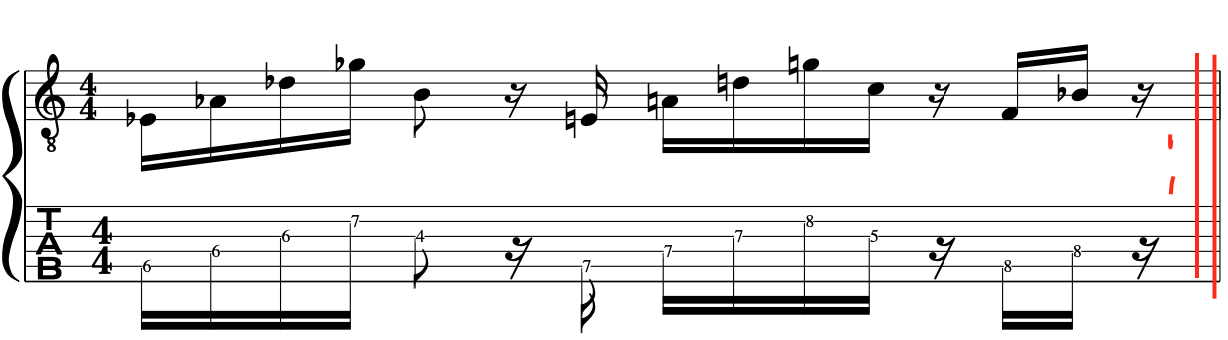
Full 2 bars:

12-tone-jazz-fusion-rows

In this next example we will employ Triadic movement and semitone connections.

12-tone-jazz-fusion-rows-triads

In the following part we connect triads directly:

12-tone-jazz-fusion-rows-triads

Finally, we will add some non 12 tone notes to complete the phrase:

12-tone-jazz-fusion-rows

From here we will exploit the tone row and make 4 bars of music from it: Here is the 12 tone row:

12-tone-jazz-fusion-rows

We will now copy it and change register: Notice that the last four notes descend:

12-tone-jazz-fusion-rows

Now, that we have this we will reverse both bars and create another 2 bars of music:

12-tone-jazz-fusion-rows

Lastly we will join together 2 different rows: We will break these up a bit with the first part acting more like a vamp:

12-tone-jazz-fusion-rows

The second part employs quintal and quuartal movement once again:

12-tone-jazz-fusion-rows

PDF DOWNLOAD:

E Pedal Note Rhythm Guitar Alternate Time Signatures

CLICK SUBSCRIBE!

Hi Guys,

Today, a response video to my previous blog in regards to employing a pedal note.

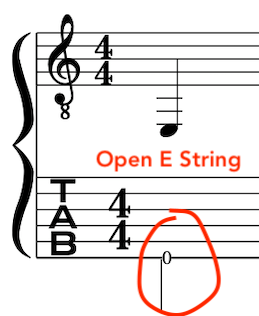
This is just an open E string that can be plucked as the basis for holding time.

john-mclaughlin-pedal-note-guitar-technique-diagram

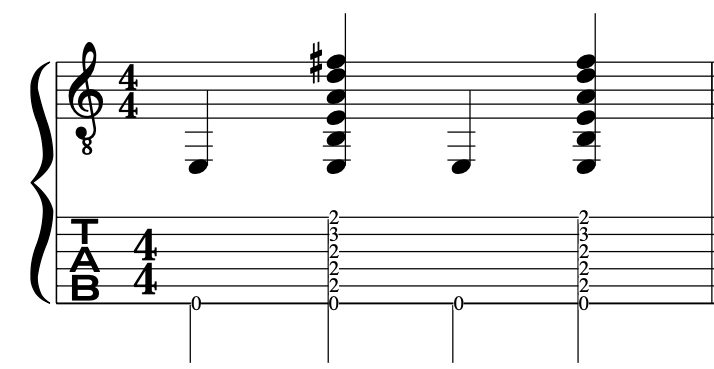
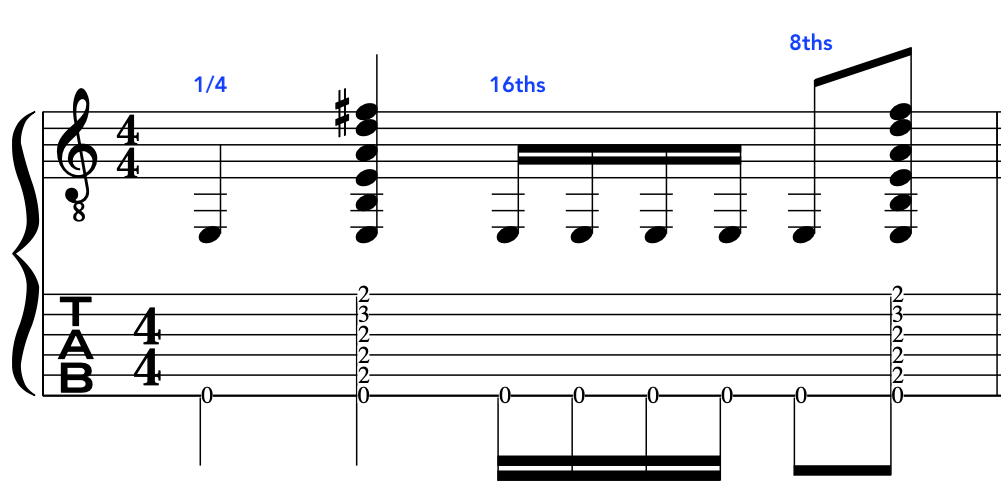
We can use simple quarter notes as our base and syncopate chords between them or play chords on different beats.

john-mclaughlin-pedal-note-guitar-technique-diagram

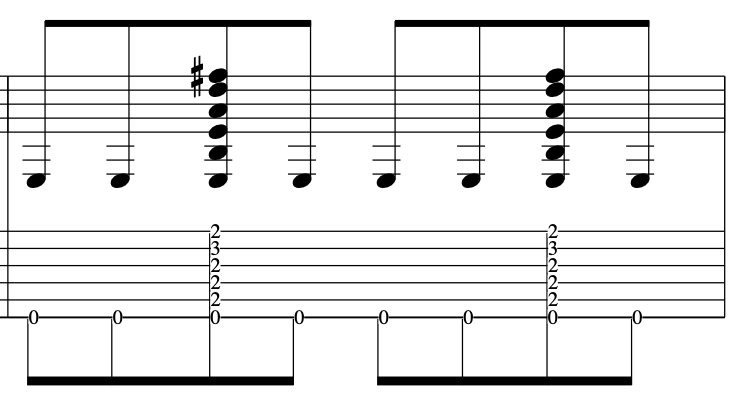
We can also double this with 8th notes

john-mclaughlin-pedal-note-guitar-technique-diagram

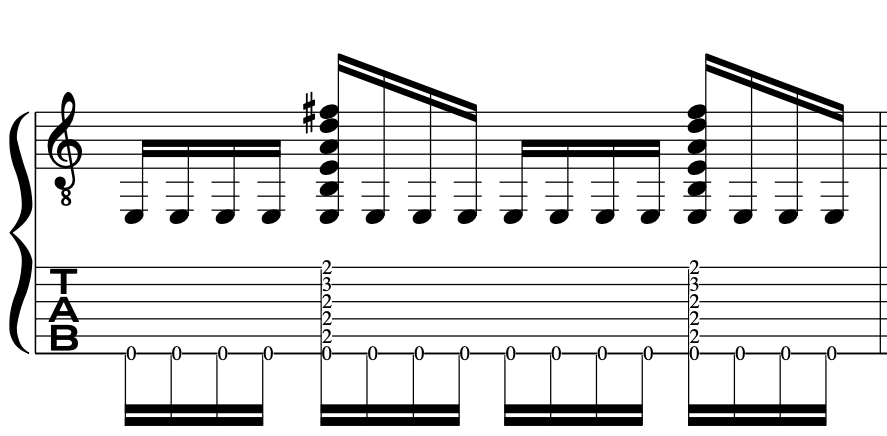
And of course taking it further with 16th notes:

john-mclaughlin-pedal-note-guitar-technique-diagram

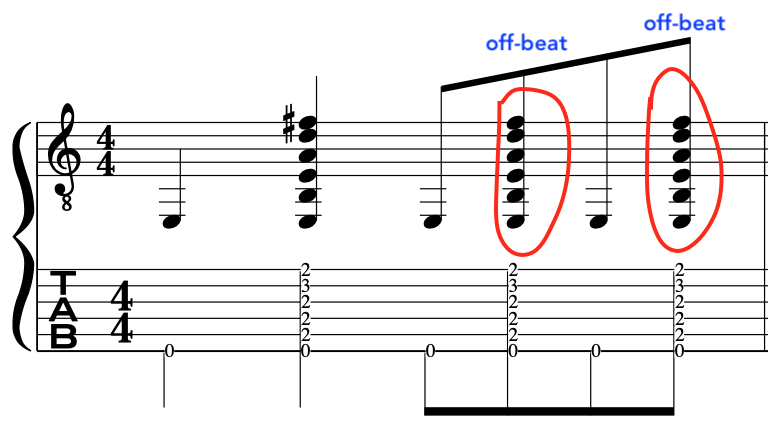
To make this more interesting we can play on the off-beat:

john-mclaughlin-pedal-note-guitar-technique-diagram

And finally, “Mix” the Pedal note rhythms for rhythmic drive:

john-mclaughlin-pedal-note-guitar-technique-diagram

This is all good and well and extremely useful, but there is more………..

What makes this really useful is that we can play odd time signatures or uncommon time signatures along with alternate time signatures.

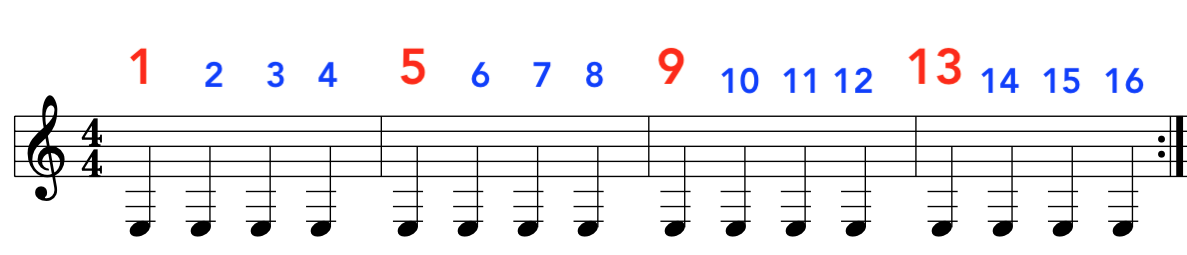
For this I am going to employ Indian “‘Teen Taal” and then break it up.

john-mclaughlin-pedal-note-guitar-technique-diagram

So, above we see the 16 beat cycle with the accented red numbers 1 5 9 13

Next, count this and accent those numbers and get a feel for the repeated cycle.

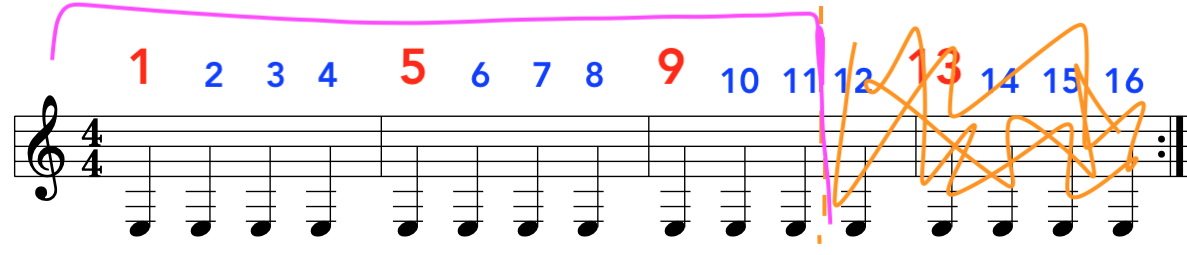
Now we will break this up:

john-mclaughlin-pedal-note-guitar-technique-diagram

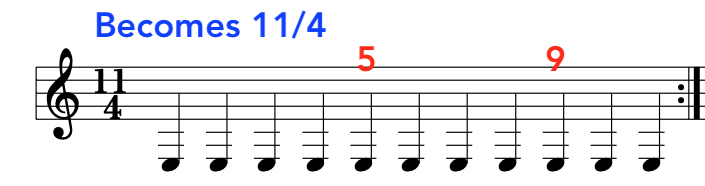
We will only count up to 11 and then create a loop with our E pedal holding time in quarter notes. Remember the accents on 1 and 5 and 9.

This now gives us 11/4

john-mclaughlin-pedal-note-guitar-technique-diagram

From here we can develop and create our own patterns in 11/4 with the E pedal note holding time and our accents of 5 and 9 which tell us where we are in the bar or beat cycle.

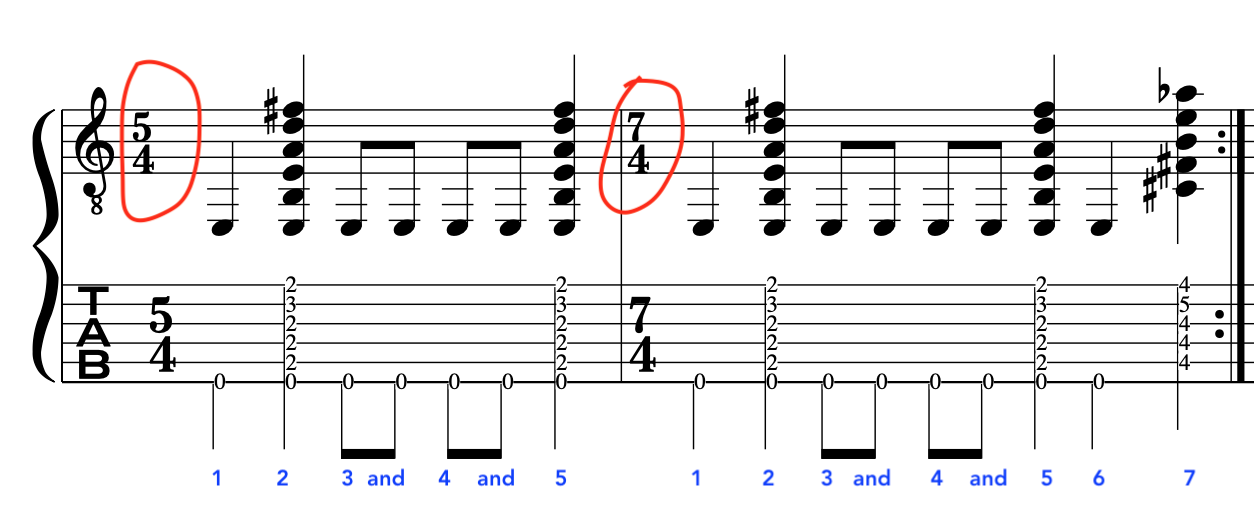
Lastly, let’s mix two different time signatures together.

john-mclaughlin-pedal-note-guitar-technique-diagram

Here we have a group of 5 and a group of 7. Also, notice the rhythm in the bass with the E Pedal note.

From here you can create and develop easily what you want as this concept works really for the guitar and alternate time signatures and uncommon time signatures.

FREE PDF DOWNLOAD:

CLICK SUBSCRIBE!