Hexatonic Scale building from the Harmonic Minor Scale Part 1

John McLaughlin Hexatonic Harmonic minor Guitar Scales Lesson and Explanation

Hi Guys,

Today, a quick look at creating a 6 note Hexatonic scale from the harmonic minor scale.

This works really well on the guitar as the harmonic minor scale is generally a clumpy and awkward affair in regards to the fingering.

So, if we take a look at the Harmonic minor scale in its classic, stock form, we have:
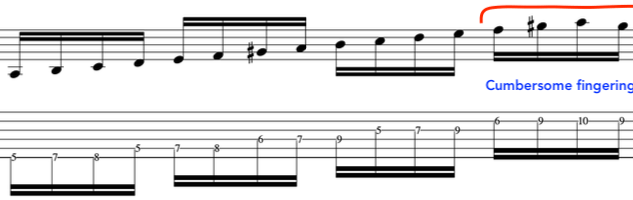
But, for effective guitar fingering, especially on a clean guitar or acoustic guitar this is not the most fluid way for the fretting hand.

Well, the key is to break it up in the most Shakti way possible:

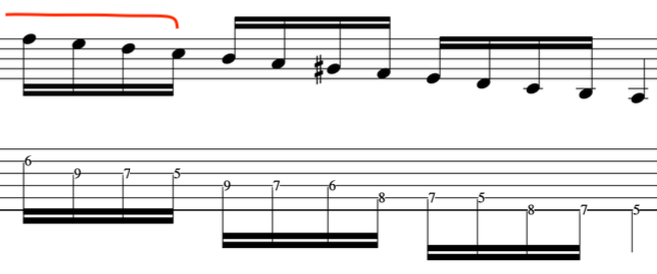
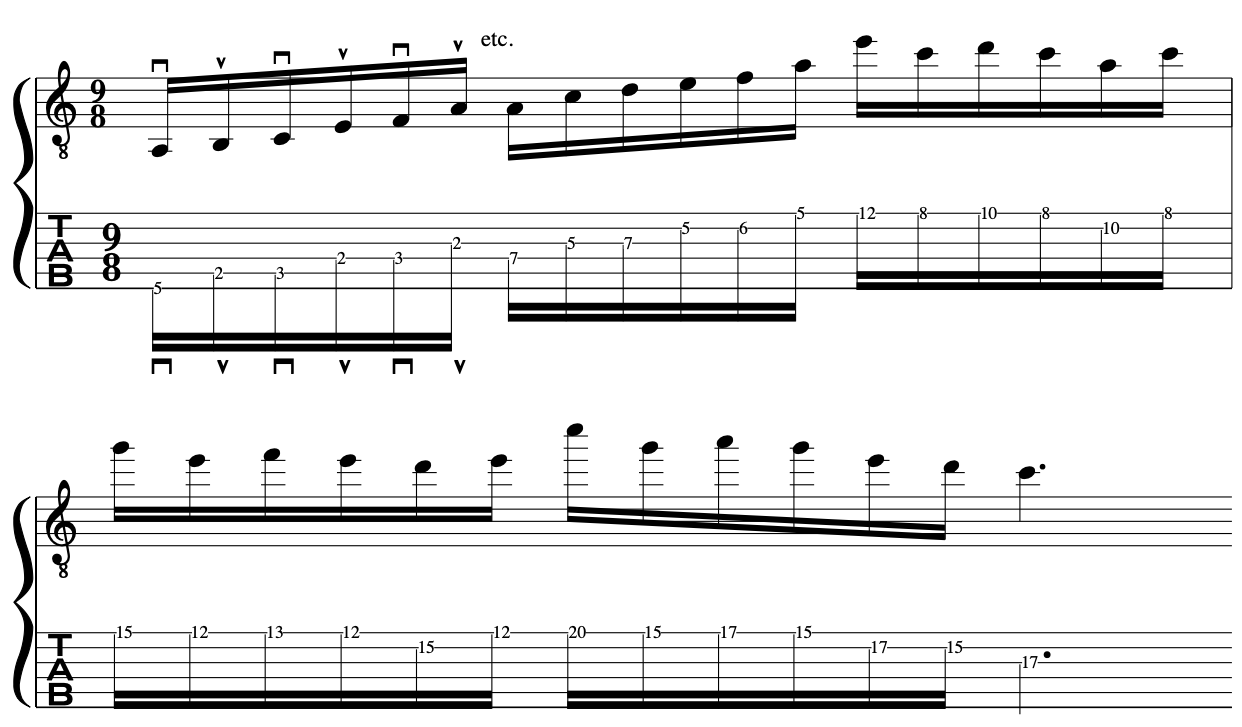
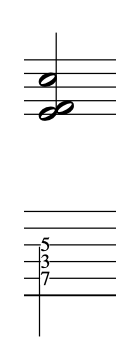
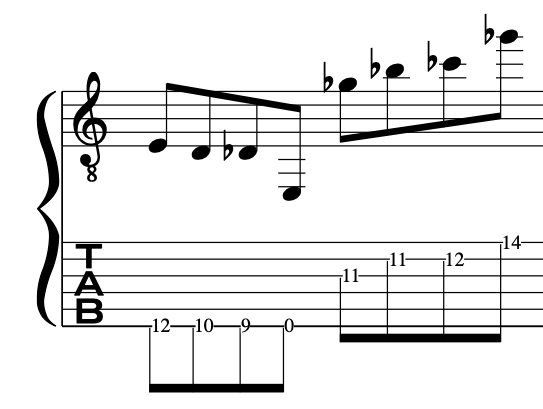
Here’s what we will do: We will employ 6 notes only of the scale. These will be: G# A B D E F
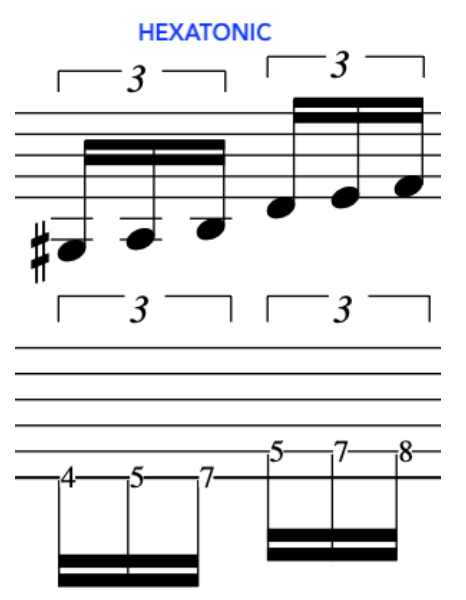
Musical notation illustrating a hexatonic scale built from the harmonic minor scale for music theory.
Hexatonic scale diagram with notation showing finger placements for guitar.

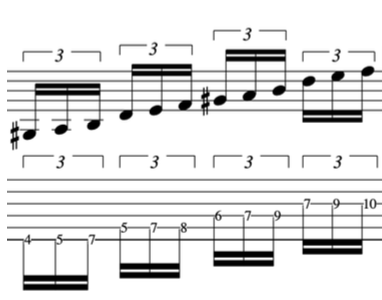
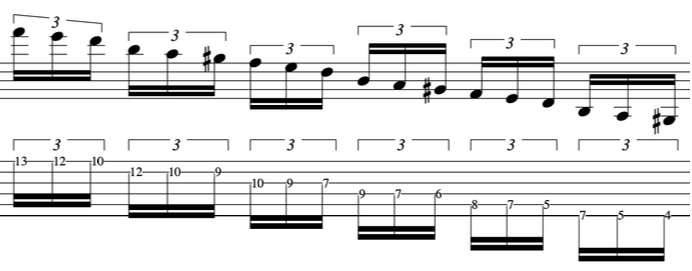
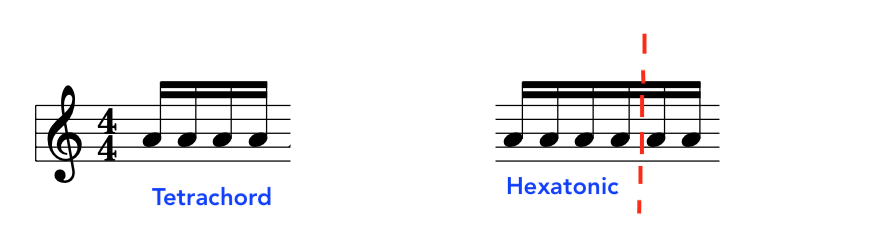
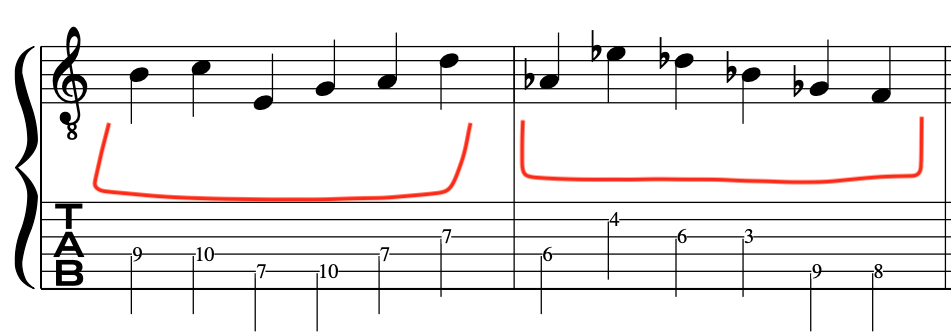
This simple 6 note Hexatonic scale gives us an easy 3 notes per string repetitive figure/pattern to alternate pick.

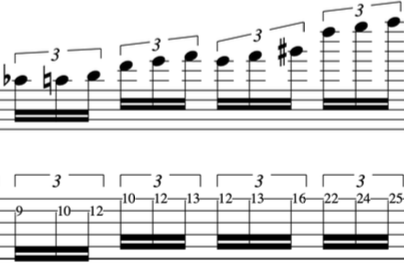
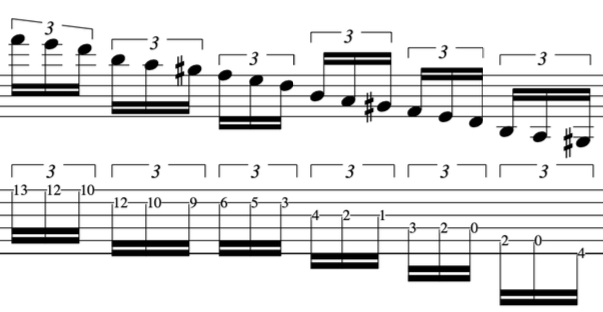
We can now play this across all 6 strings and create a nice line/phrase/scale that is easy to execute, pick and fret.

Sheet music displaying musical notes and tablature for a hexatonic guitar scale built from the harmonic minor scale.
Notated example of ascending and descending patterns for the Hexatonic scale on guitar.
Sheet music featuring a sequence of musical notes form the hexatonic harmonic minor scale.
Hexatonic scale notation for guitar, showcasing ascending and descending patterns.

Way 1:

Sheet music featuring guitar tablature and standard notation, for the hexatonic guitar scale built from the harmonic minor scale.
Musical notation illustrating the descending pattern for the Hexatonic scale in harmonic minor.

WAY 2:

Sheet music displaying John McLaughlin's hexatonic guitar scale built form the harmonic minor scale
Notation for the Hexatonic scale, illustrating finger placement and notes on guitar.

In Part 2 we will look at composition and improvisational techniques with the Hexatonic.

Hexatonic Connections: [Basic Alternate Picking Exercises|

Modern Jazz Fusion Chords part 2. Steely Dan, Dan Chord and Slash Chords

CLICK SUBSCRIBE!

hexatonic-guitar-exercises-alternate-picking-examples

Hi Guys,

Today a quick look at connecting “Hexatonic” groupings together with strict alternate picking guitar technique.

The key is to glide or slide or let the fretting hand fall naturally into each position. This way the connections are made smoothly.

If the fretting hand panics, or releases from the position then it will fall apart: So connecting SMOOTHLY from each 6 grouping to the next= The Key

hexatonic-guitar-exercises-alternate-picking-examples

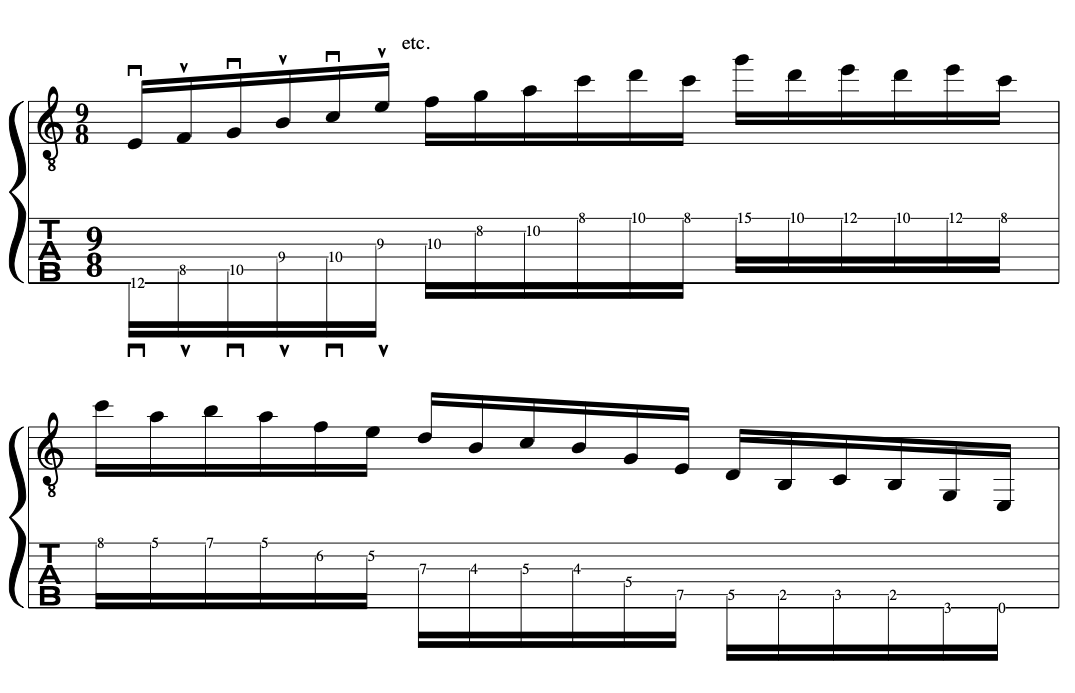
Because we have the 2 extra notes Hexatonics work well at a slower tempo’s like 100 to 120 Bpm for Fusion double timing:

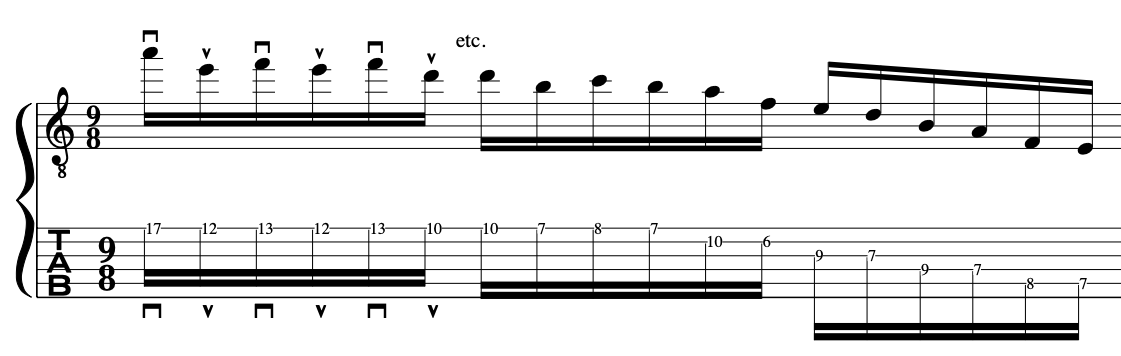
Here is the first Exercise/Example: This starts on a down stroke with strict alternate picking:

hexatonic-guitar-exercises-alternate-picking-examples

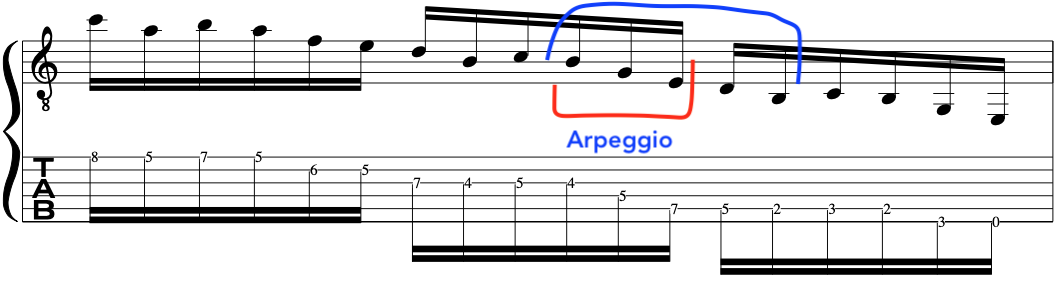
Notice, that in the second bar we have an arpeggio/triad figure:

hexatonic-guitar-exercises-alternate-picking-examples

This arpeggio can throw your alternate picking because it breaks up the scale momentum. So, you have to prepare for it and be aware that there is a quick change of movement in the fretting hand as you cross the strings.

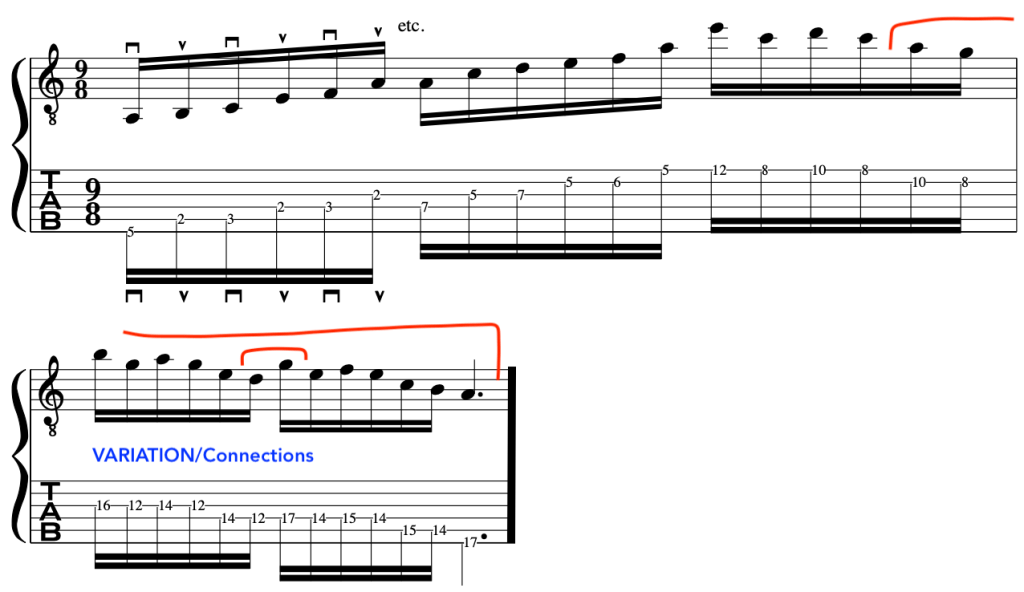
Here, we have an ascending exercise that connects together easily and naturally.

Again, it starts on a downstroke with strict alternate picking.

hexatonic-guitar-exercises-alternate-picking-examples

Here is the same exercise, but, with a VARIATION at the end:

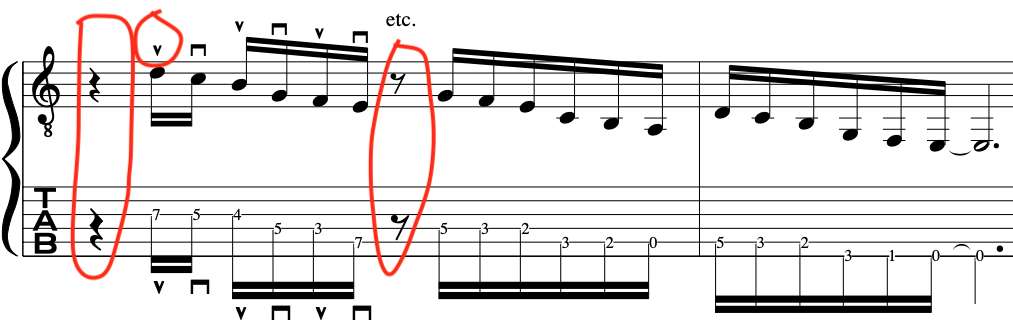
Finally, we have an example that employs the downstroke and the upstroke:

Here is the first part starting on a downstroke:

hexatonic-guitar-exercises-alternate-picking-examples

Next, we have a rest and then start the next part on an upstroke to complete the exercise:

hexatonic-guitar-exercises-alternate-picking-examples

FREE PDF DOWNLOAD:

Modern Jazz Fusion Chords part 2. Steely Dan, Dan Chord and Slash Chords

CLICK SUBSCRIBE!

12 tone diatonicism? Alban Berg: guitar 12 tone serialist composing?

CLICK SUBSCRIBE!

Hi Guys,

Today, a quick look at exploiting the thinking of serialist composer Alban Berg and his unique tone row formations.

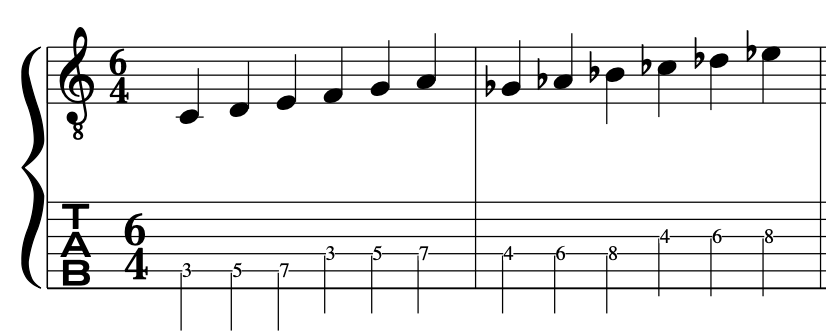
alban-berg-diatonic-12-tone-serialism-technique

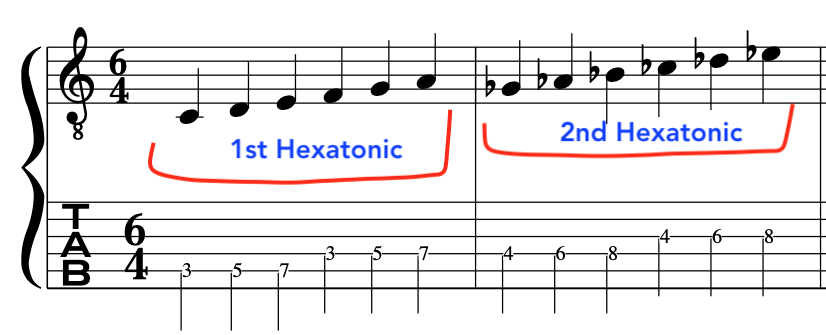
What makes this unusual and tonal and ironically diatonic in this context is that one half contains the white notes and the other the black notes.

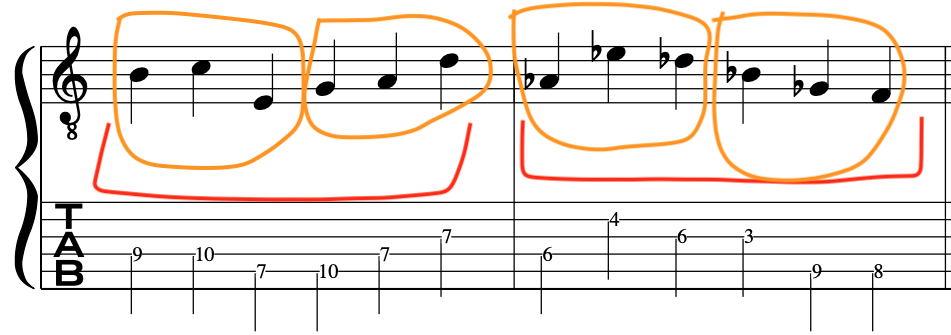
What you notice is that there are two “Hexatonic” scales here:

alban-berg-diatonic-12-tone-serialism-technique

This creates an interesting harmonic shift that can be exploited easily from a compositional perspective.

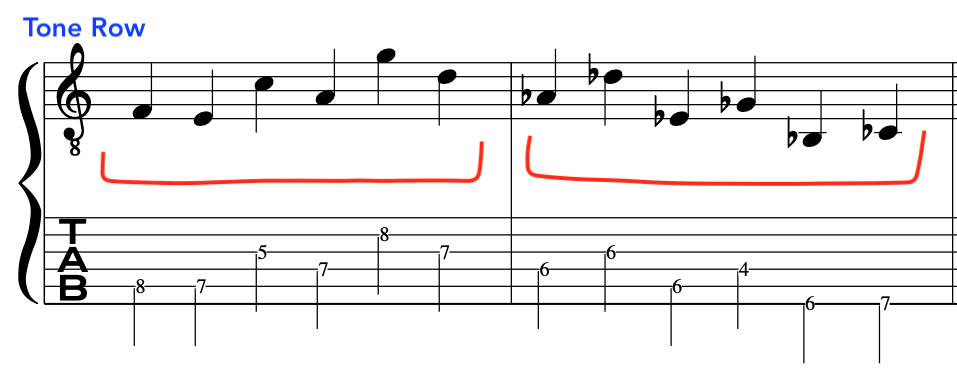
Okay, let’s take a tone row from this hexatonic setup:

alban-berg-diatonic-12-tone-row-technique

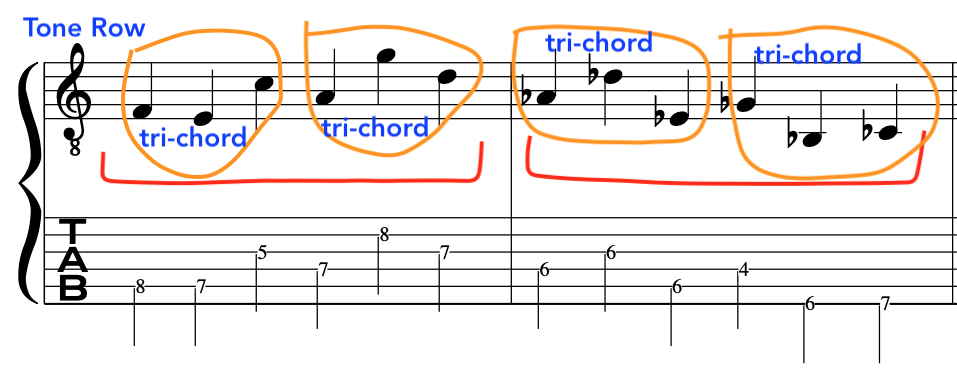
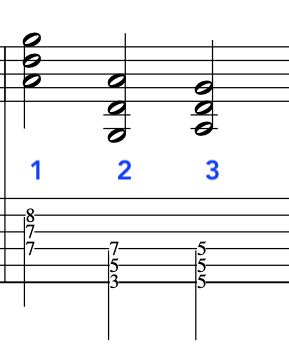
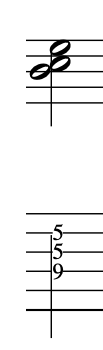
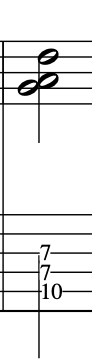
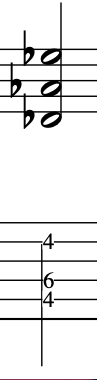
Now, let’s create some chords form this. I am going to employ tri-chords [three note] chords because they work well with chordal guitar picking:

alban-berg-diatonic-12-tone-serialism-tri-chords

Using these chords as a basis for my composition I will add open guitar strings and and a few fretted notes and re arrange the chord voicing’s, eventually, moving away from 12 tone.

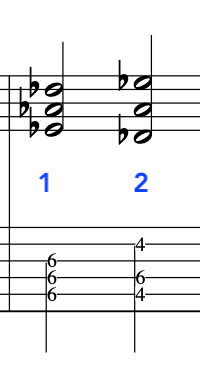
Here are the chords I chose:

alban-berg-diatonic-12-tone-serialism-technique
alban-berg-diatonic-12-tone-serialism-chords-guitar

Lastly, a little turn around/cadence:

12-tone-guitar-technique-serialism

Now, let’s exploit another 12 tone row in this context:

alban-berg-diatonic-12-tone-serialism-guitar-how-to

This time I will employ strumming as the main guitar technique for this part of the composition.

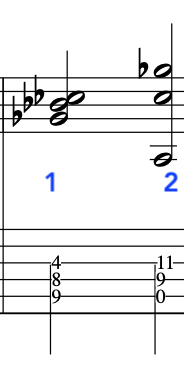
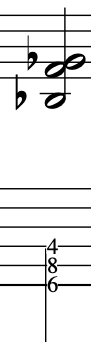
So, as usual let’s make some tri-chords:

alban-berg-diatonic-12-tone-serialism-chords-guitar
alban-berg-diatonic-12-tone-serialism-tri-chords

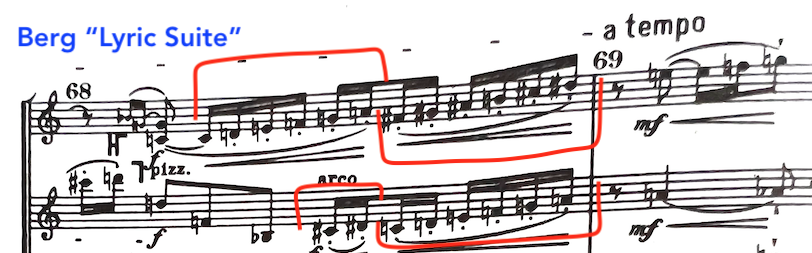
Finally, here we see a snippet from Berg’s “Lyric Suite”.

alban-berg-lyric-suite

PDF DOWNLOAD:

CLICK SUBSCRIBE!