Master “McLaughlin” style Hexatonic Guitar Techniques for Smooth Playing

Modern Jazz Fusion Chords part 2. Steely Dan, Dan Chord and Slash Chords

CLICK SUBSCRIBE!

hexatonic-guitar-exercises-alternate-picking-examples

Hi Guys,

Today a quick look at connecting “Hexatonic” groupings together with strict alternate picking guitar technique.

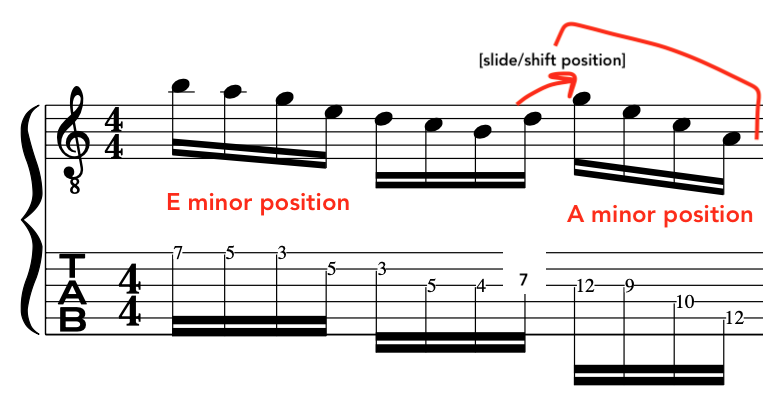
The key is to glide or slide or let the fretting hand fall naturally into each position. This way the connections are made smoothly.

If the fretting hand panics, or releases from the position then it will fall apart: So connecting SMOOTHLY from each 6 grouping to the next= The Key

hexatonic-guitar-exercises-alternate-picking-examples

Because we have the 2 extra notes Hexatonics work well at a slower tempo’s like 100 to 120 Bpm for Fusion double timing:

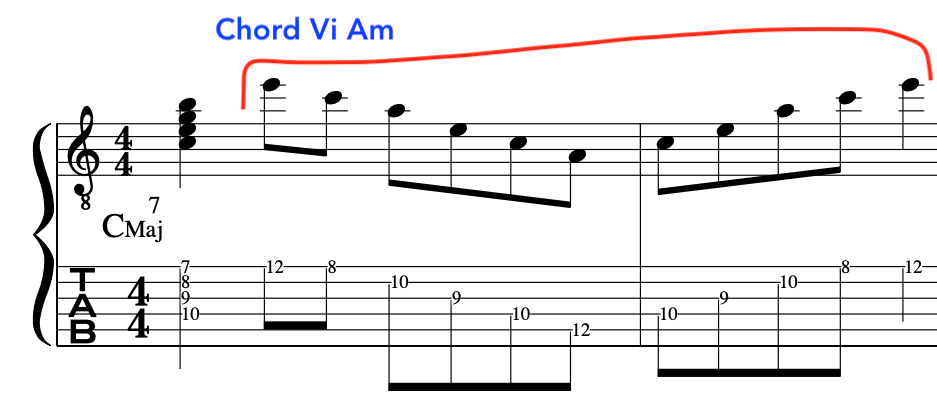
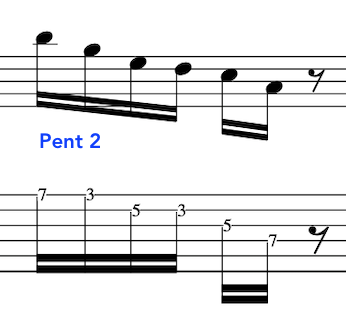
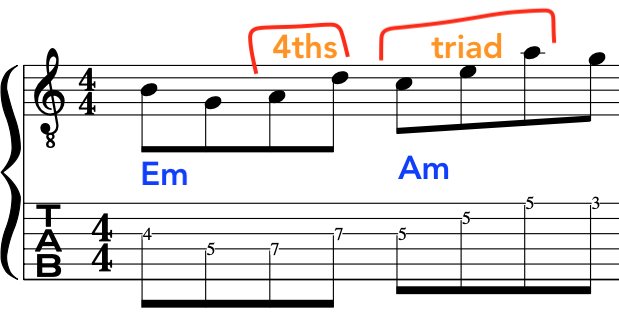
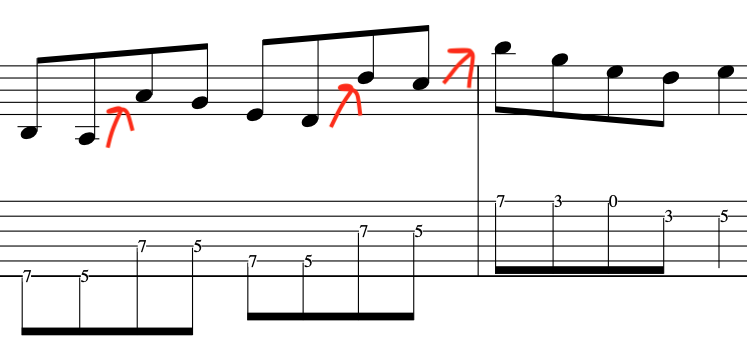
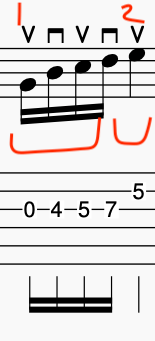
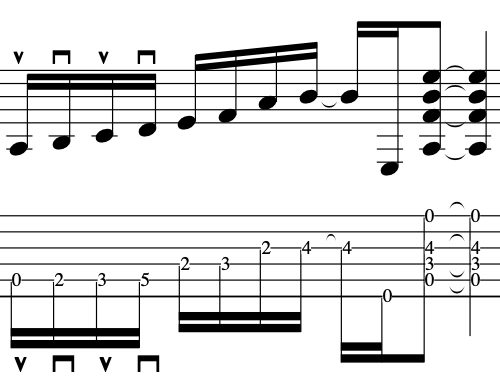
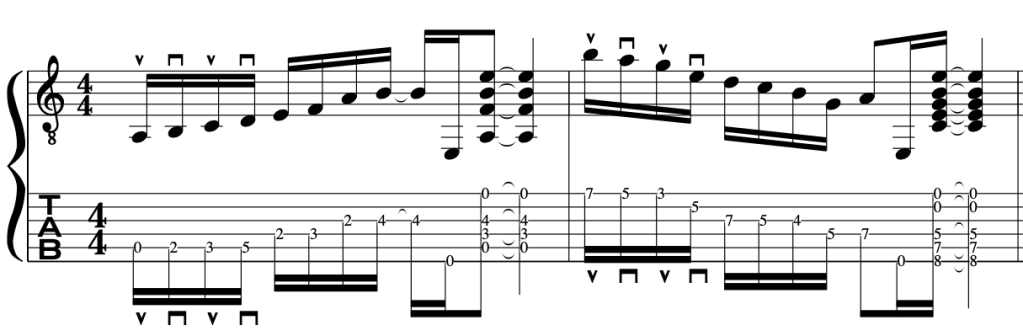
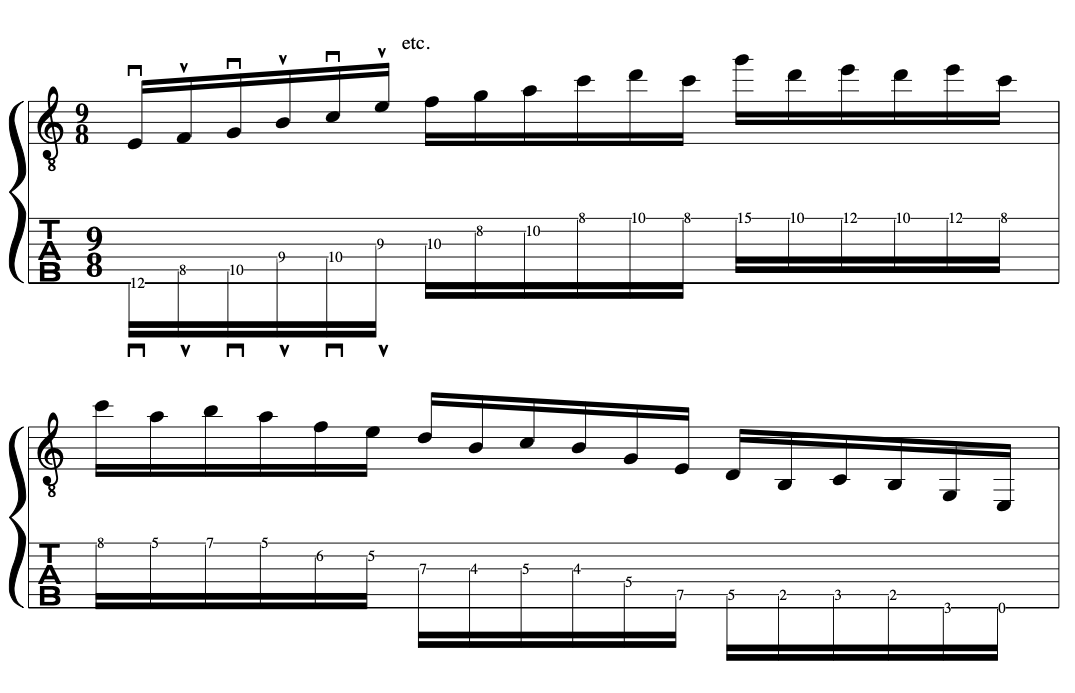
Here is the first Exercise/Example: This starts on a down stroke with strict alternate picking:
hexatonic-guitar-exercises-alternate-picking-examples

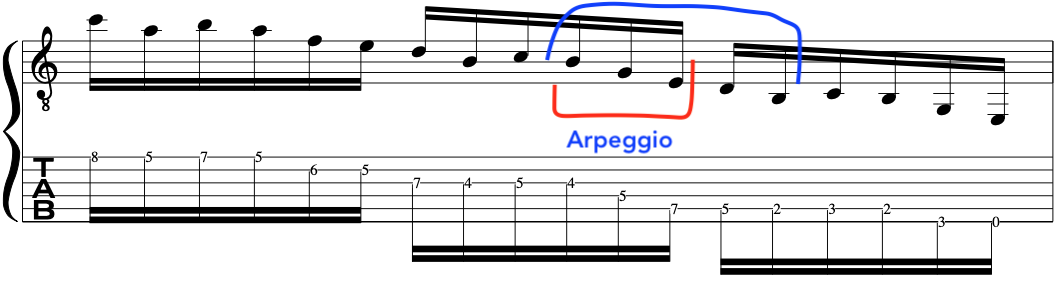
Notice, that in the second bar we have an arpeggio/triad figure:
hexatonic-guitar-exercises-alternate-picking-examples

This arpeggio can throw your alternate picking because it breaks up the scale momentum. So, you have to prepare for it and be aware that there is a quick change of movement in the fretting hand as you cross the strings.

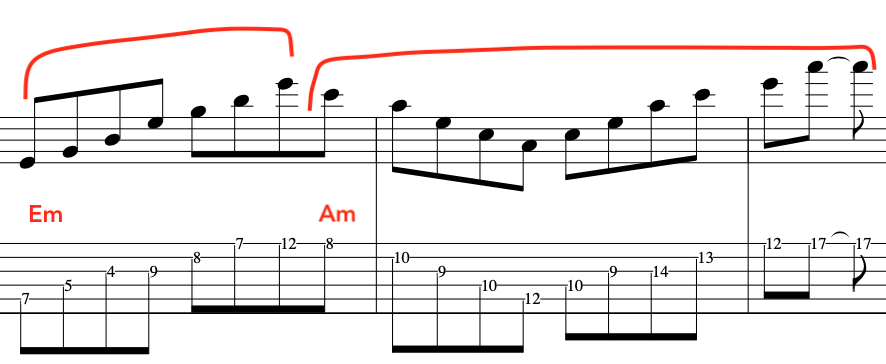
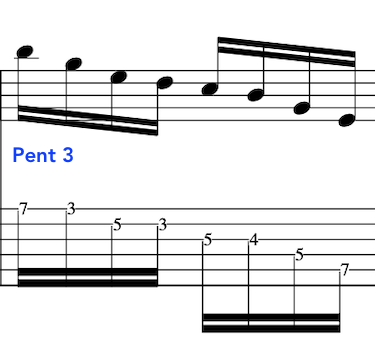
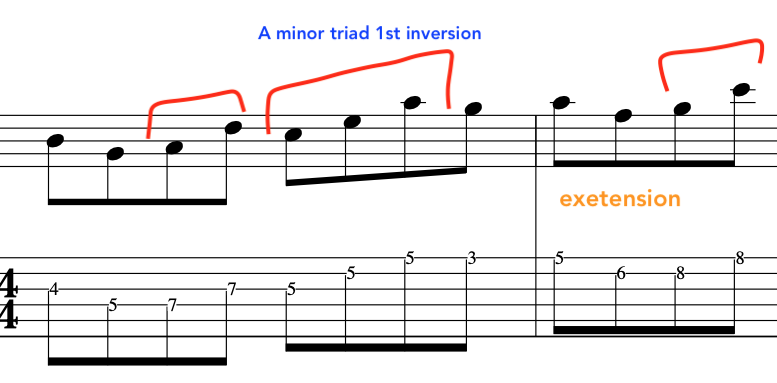
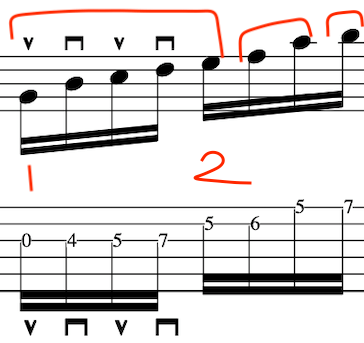
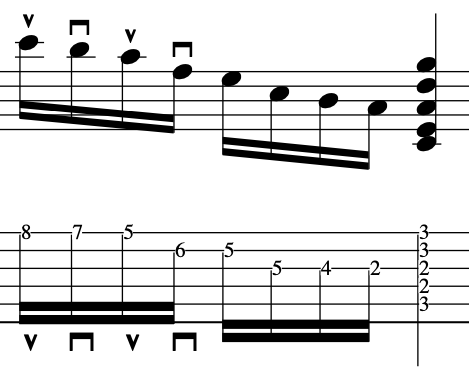
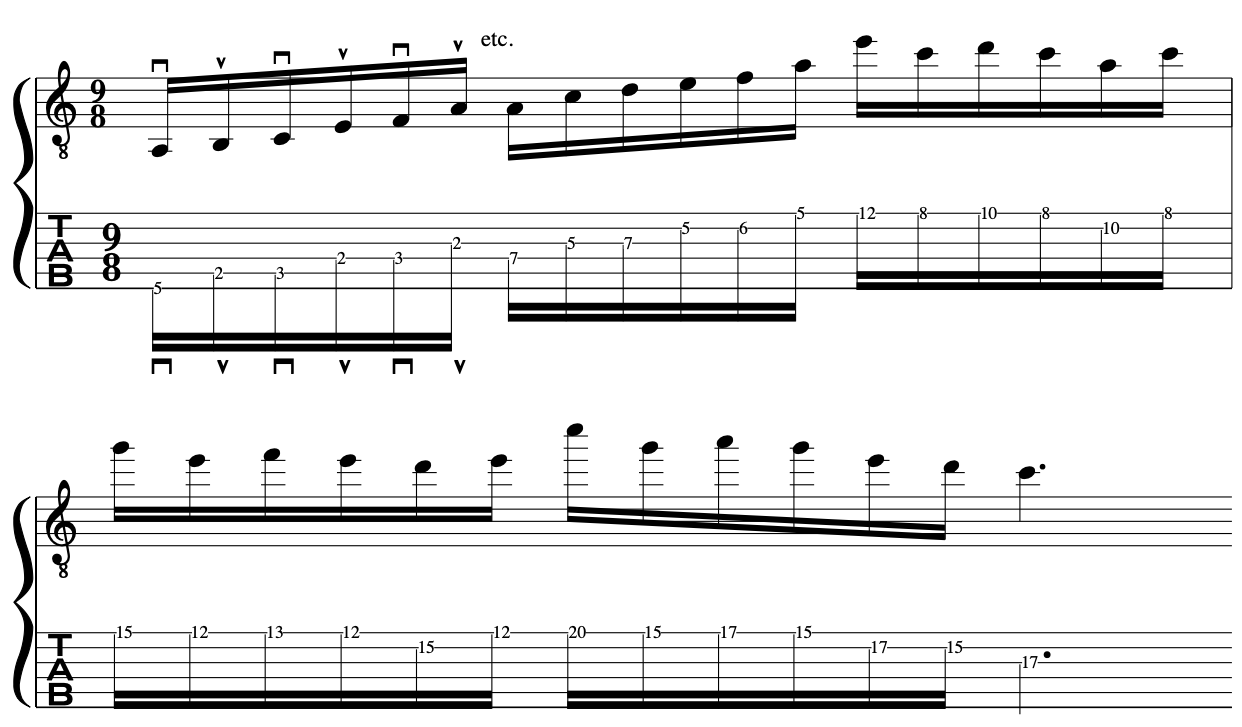
Here, we have an ascending exercise that connects together easily and naturally.

Again, it starts on a downstroke with strict alternate picking.
hexatonic-guitar-exercises-alternate-picking-examples

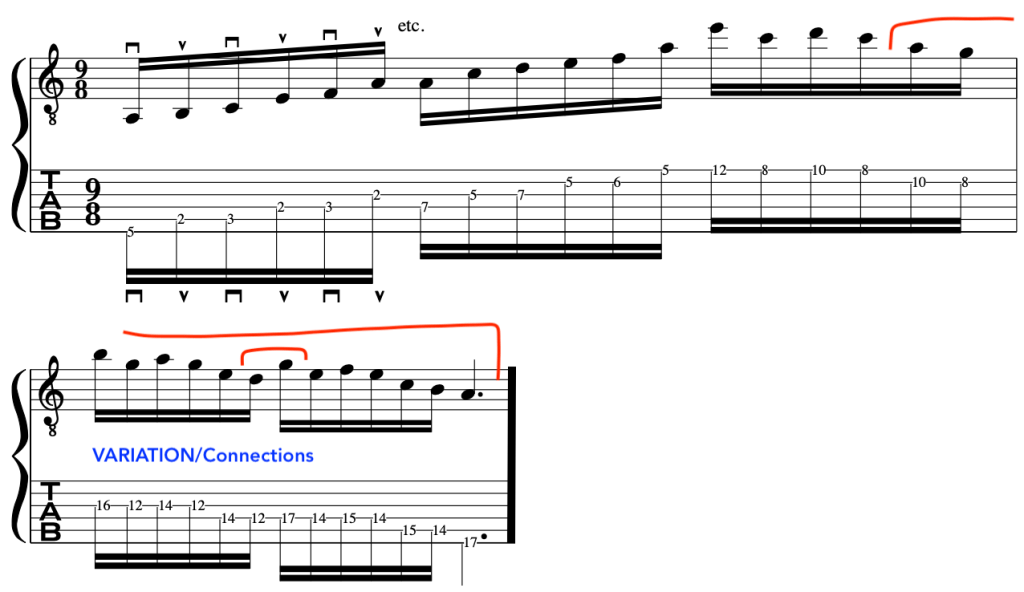
Here is the same exercise, but, with a VARIATION at the end:
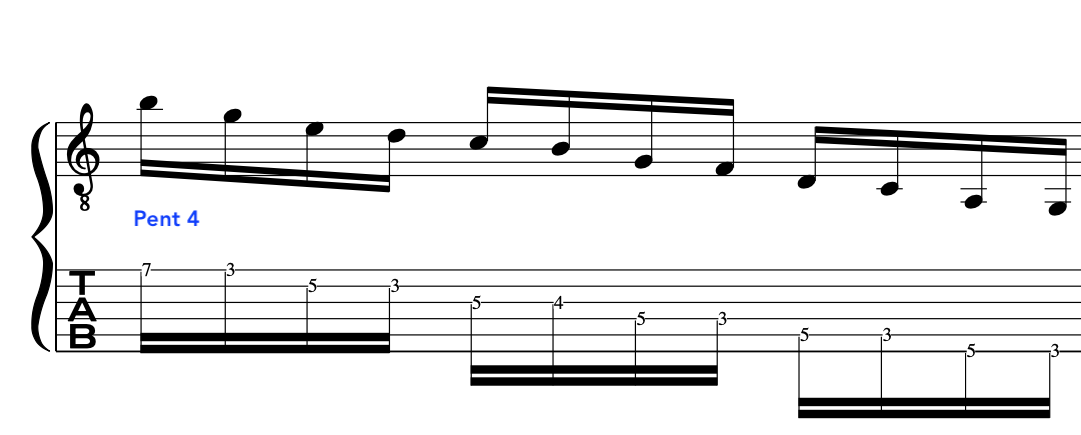
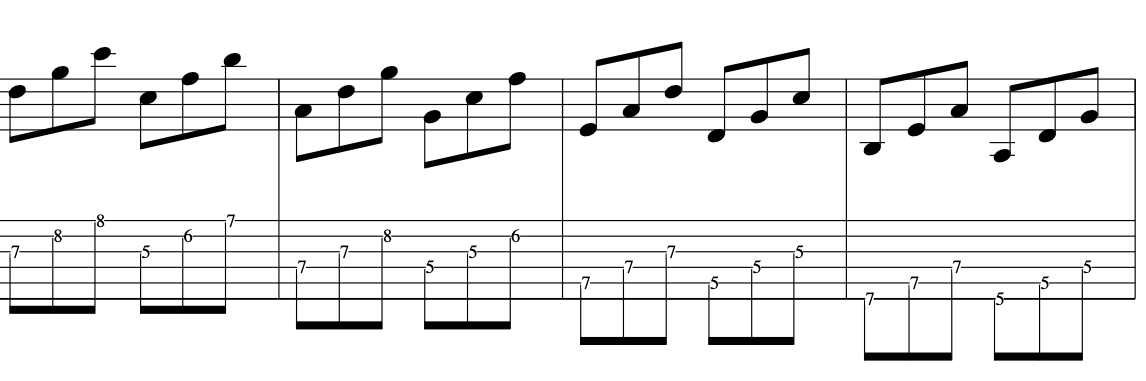
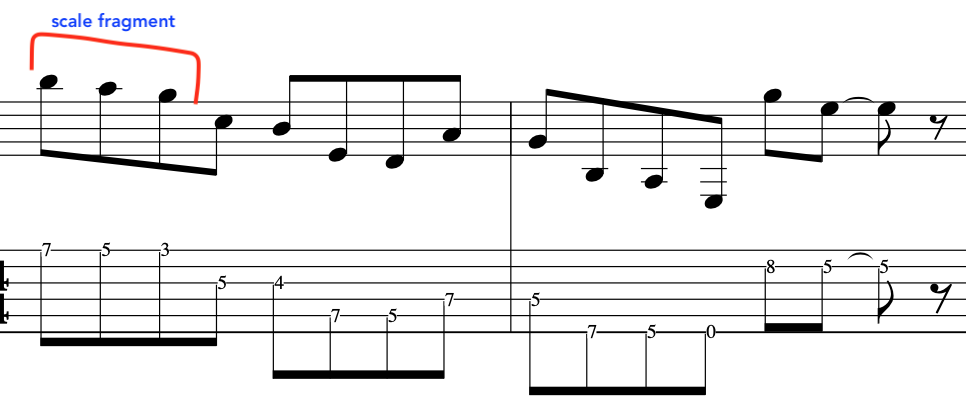
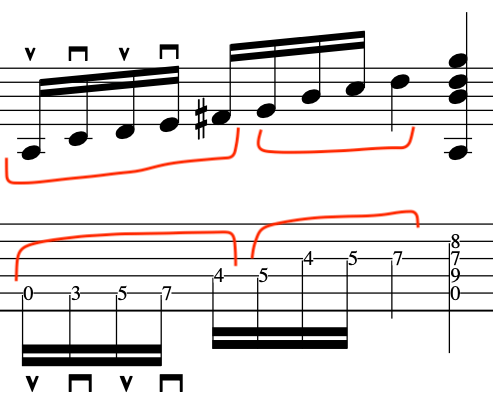
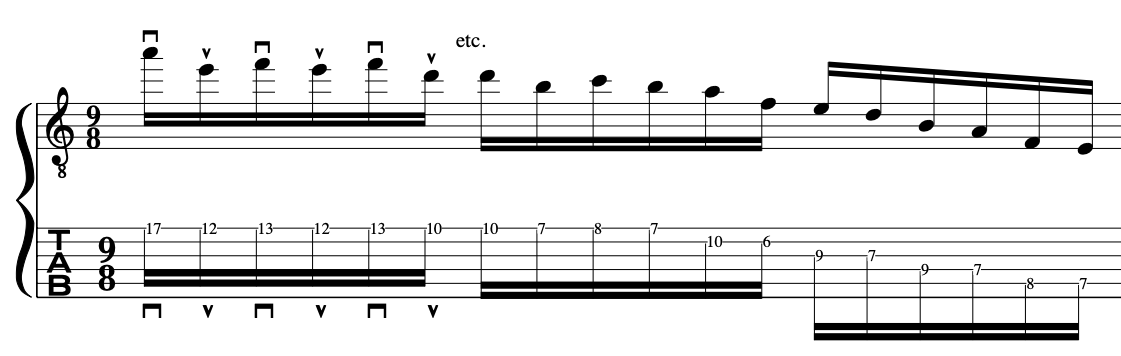
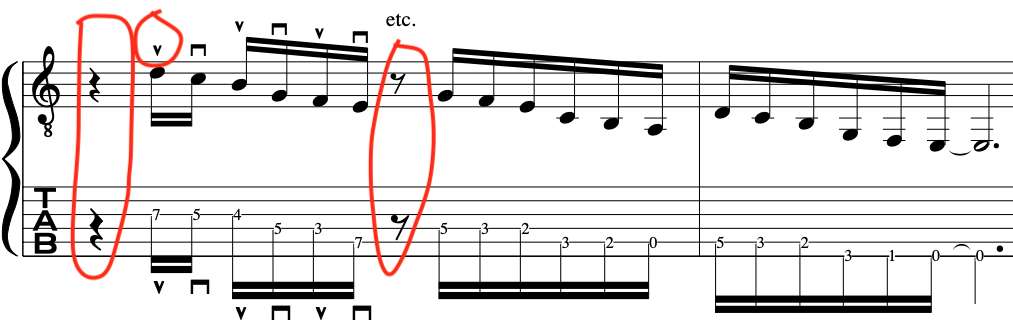
Finally, we have an example that employs the downstroke and the upstroke:

Here is the first part starting on a downstroke:
hexatonic-guitar-exercises-alternate-picking-examples

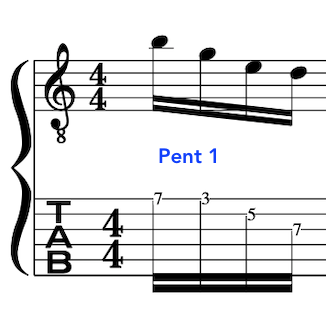
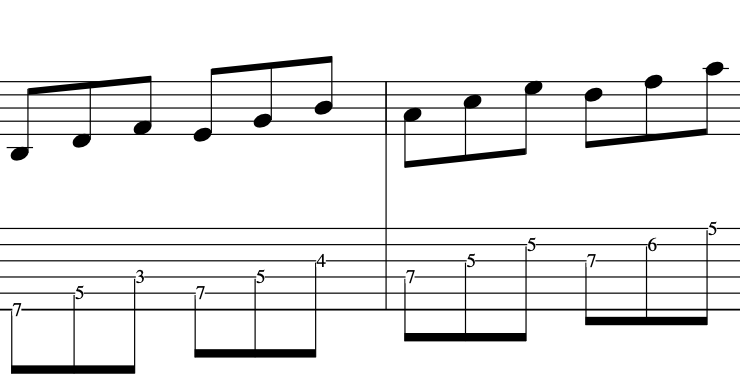
Next, we have a rest and then start the next part on an upstroke to complete the exercise:
hexatonic-guitar-exercises-alternate-picking-examples

FREE PDF DOWNLOAD:

Modern Jazz Fusion Chords part 2. Steely Dan, Dan Chord and Slash Chords

CLICK SUBSCRIBE!

Easier way to improvise with Music Modes [Guitar]

CLICK SUBSCRIBE!

IMPORTANT: Please watch video above for detailed info:

Hi Guys,

Today, a quick look at another way of exploiting modes/improvisation on the guitar fingerboard.

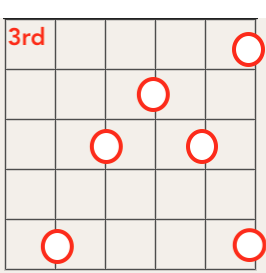
We will be creating music via concepts/musical tools based on this minor shape.

minor-topic-pat-martino
simplified-modal-guitar-explanation

Why do this?

Because with this 5 fret shape arpeggio we can easily create:

simplified-modal-guitar-explanation

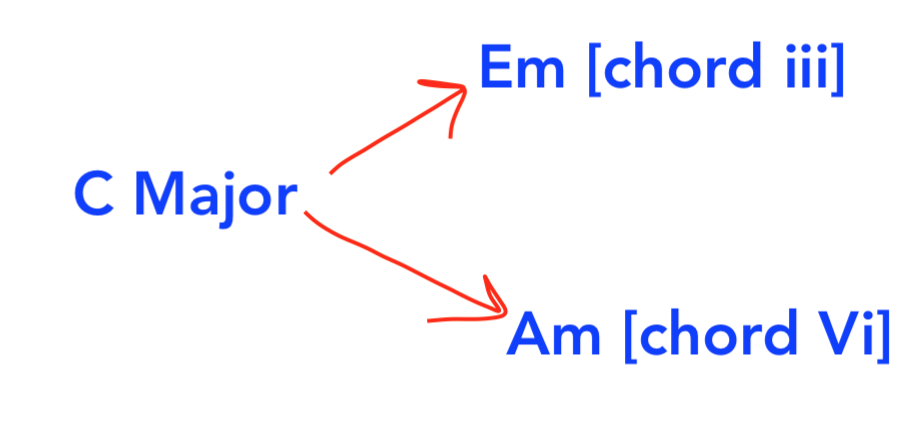
So, for instance in C Major [Ionian] we can take chord iii and Vi arpeggio shapes as a solid base and create/develop improvisation-as opposed to learning millions of scale/mode shapes/patterns etc.

minor-topic-guitar-modes
simplified-modal-guitar-tablature

With this as a base we can develop proper musical lines and rhythmic phrasing

Before we start it’s important to see how easily chords iii and Vi link together:

simplified-modal-guitar-explanation

Example:

modes-guitar-simplified-tab

The first thing to be aware of is the basic pentatonic’s right under our fingertips with this arpeggio shape:

[These pentatonic’s give us some basic building blocks from the outset]:

guitar-modes-pentatonics
guitar-modes-pentatonics-simplified

QUARTAL SOUNDS

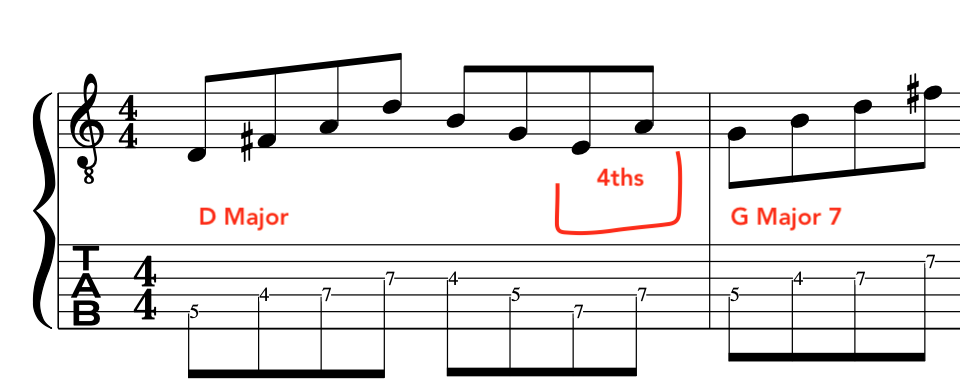
Next let’s add some 4ths for a Quartal jazz/fusion-esque sound:

Descending:

guitar-modes-4ths-jazz-simplified

Ascending:

guitar-modes-4ths-jazz-simplified

With extension

guitar-modes-4ths-jazz-simplified

Basic Quartal fingerboard movement:

guitar-modes-4ths-jazz-simplified

CYLE OF 4THS

Another thing to take into consideration is the cycle of 4ths under our fingertips:

cycle-4ths-guitar-modes

Remember that we can also make these, major, minor, diminished or augmented:

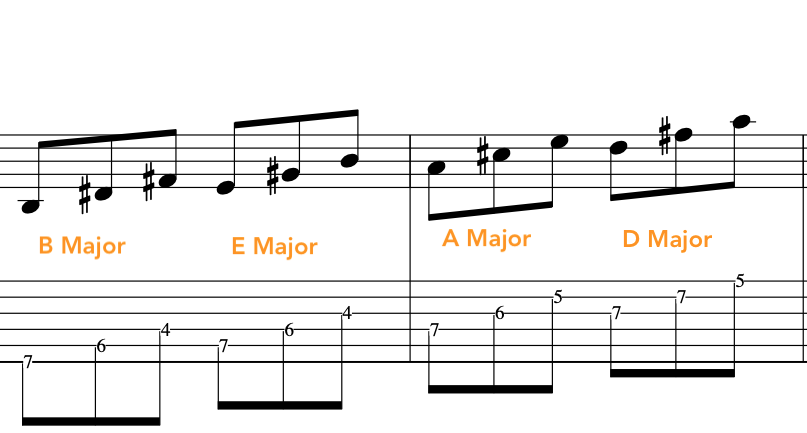
For instance all major:

cycle-4ths-guitar-modes

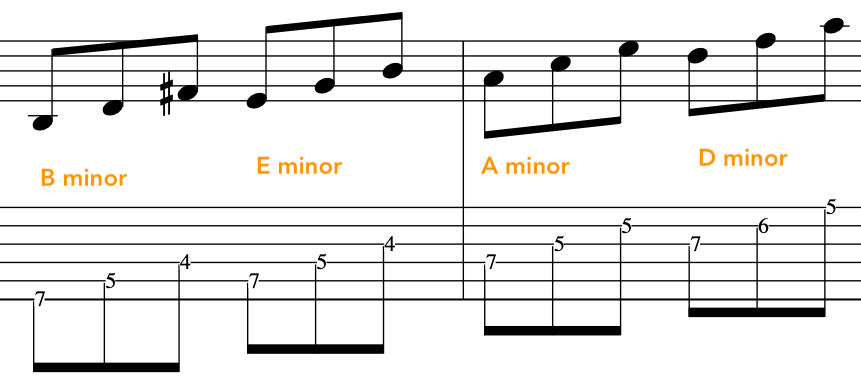
All minor

cycle-4ths-guitar-modes

[This gives us even more colour and choices for chromaticism/chromatic movement right under our fingertips once again]

TARGET TONES/APPROACH NOTES [JAZZ CHROMATICS]

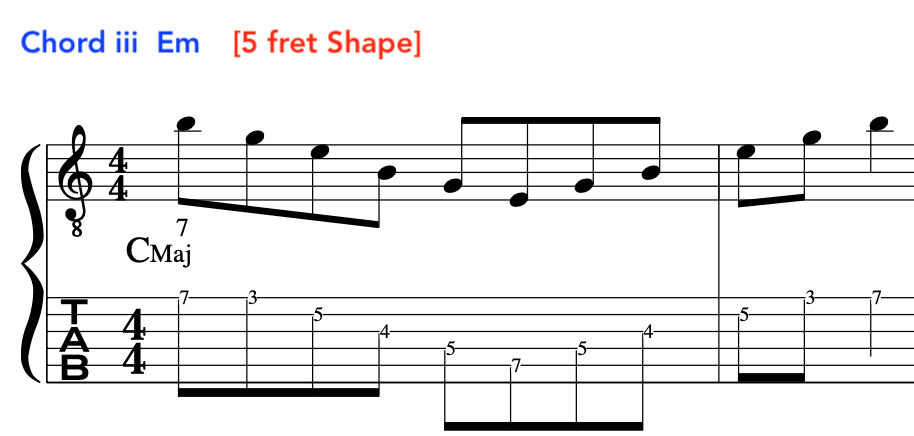
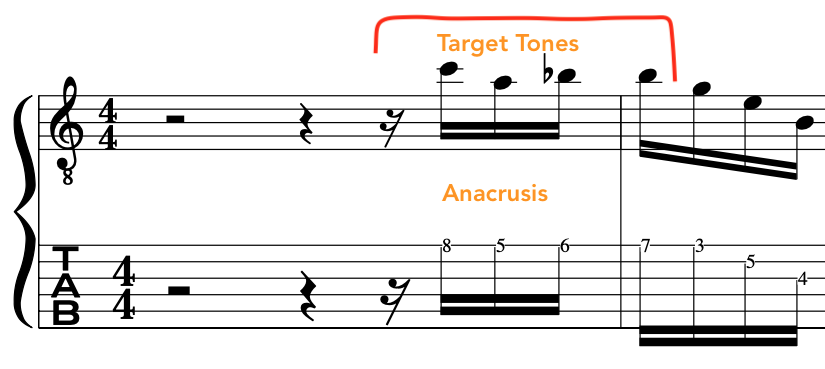
Below, we can see the set-up for target tones with this Em arpeggio shape:

target-tones-modal-guitar-explained

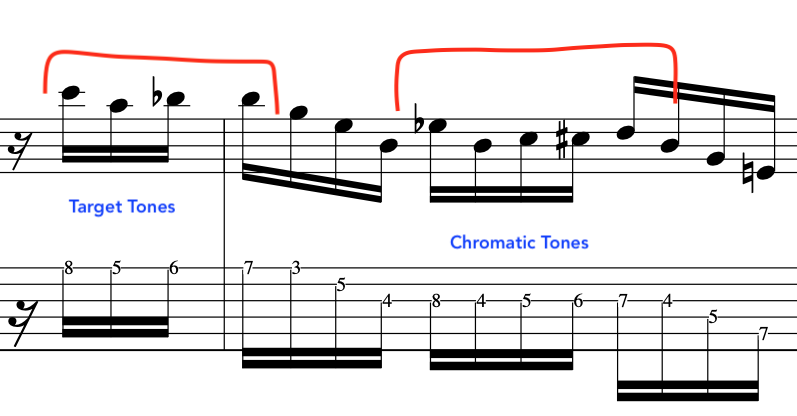
We can also add some chromatic notes to this to create a longer jazzy-esque line:

target-tones-modal-guitar-explained

String Skipping Petnatonic’s

String skipping works well because it removes familiarity/cliches from the ear:

Here are two examples:

modal-guitar-string-skipping

Example 2:

modal-guitar-string-skipping

PAIRING TRIADS

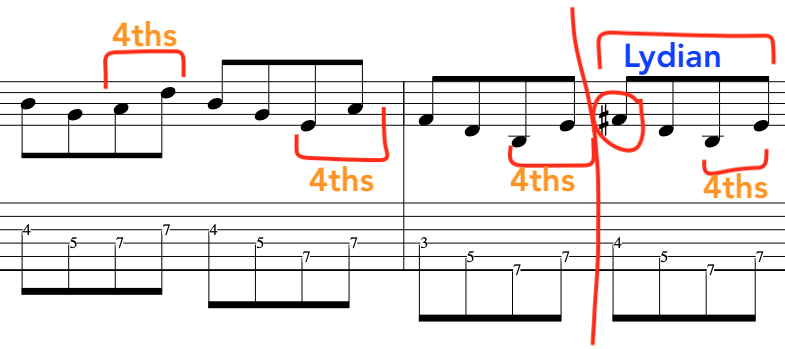
Lastly pairing triads works really. Here is a Lydian example:

triad-pairs-modes-guitar-simplified

conclusion

This blog has only really touched on this way of thinking, but, you can see how easy it is to make connecting lines and musical phrasing and how to exploit improvisation tools from this simple minor arpeggio shape.

THANKS FOR VIEWING!…IF THIS LESSON WAS OF USE TO YOU THEN PLEASE SUBSCRIBE TO US BELOW ON YOUTUBE, THANKS!
Alternate Picking from Ascending 5’s

Hi Guys,

Today, a quick look at building from the “Ascending group of 5” with alternate picking guitar technique.

This group of 5 exploits the “Up” stroke. It works well as a tool for building longer and longer lines/phrases.

This is NOT shred and is really only for jazz, fusion and world-esque music like John McLaughlin’s super creative outlet Shakti. It is an improvisers tool.

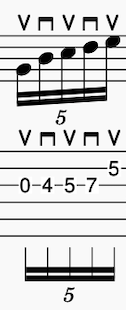
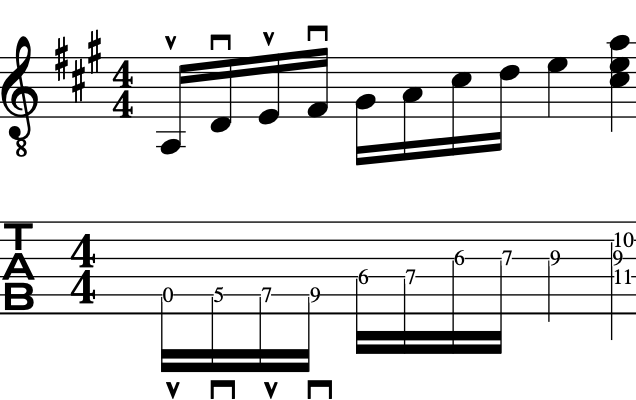
Here is an example of the 5 figure. It consists of an open string and starts on an upstroke.

This 4 note + 1 sets up the upstroke for the string cross.

alternate_picking_guitar_technique_example

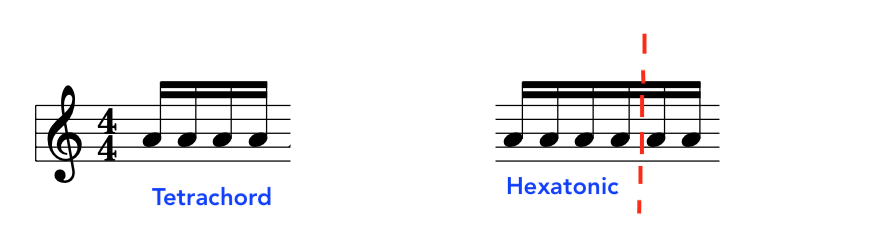
Here’s how it would be as a tetrachord to the next beat. [As opposed to a quintuplet or Ta ka di mi Thom.

alternate_picking_guitar_technique_example

Let’s now build off of the ascending 5 figure.

In the example below, we can clearly see the extension from the 5’s to 7’s to two groups of 4 note tetrachords.

alternate_picking_guitar_technique_example

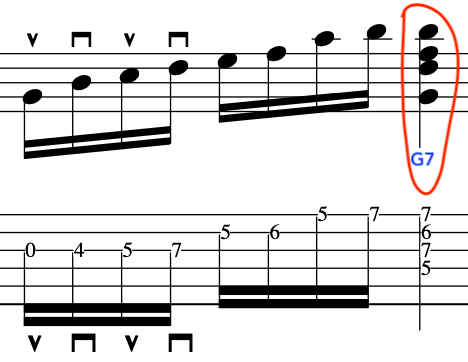
From here, we will add a Dom7th chord to the scale/phrase.

alternate_picking_guitar_technique_example

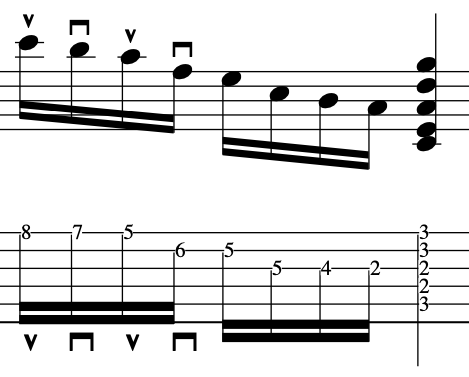
This sets us up nicely to descend smoothly starting on the upstroke.

alternate_picking_guitar_technique_example

Here, we will do exactly the same thing, except that this time we are moving from G7 to C Major. [Notice the open string and 5 figure extended].

alternate_picking_guitar_technique_example

Once again, the descent is on the upstroke.

alternate_picking_guitar_technique_example

FULL EXAMPLE:

alternate_picking_guitar_technique_example

Here, we see the process in action again. The line building from the 5 figure.

alternate_picking_guitar_technique_example

The descent starts on the upstroke as before, but, this time leads to a perfect V I cadence:

alternate_picking_guitar_technique_example

Here is a variation, but, this time in the key of A Major.

alternate_picking_guitar_technique_example

The same form of descent is employed that once again ends in a V I cadence.

alternate_picking_guitar_technique_example