My Top 5 20th Century Classical Books that I use for music composition
Please watch video above for detailed info:
Hi Guys,
As requested [from my polytonality video/blog], here are the main [Top 5] books that I use for 20 Century [or 21st Century] classical composing:
Before we start None of these books has guitar Tablature or anything like that they are all standard musical notation: [I would also recommend taking any of these books out of the library if interested or downloading free copies to begin with as they can be expensive].
At number 5 I have:
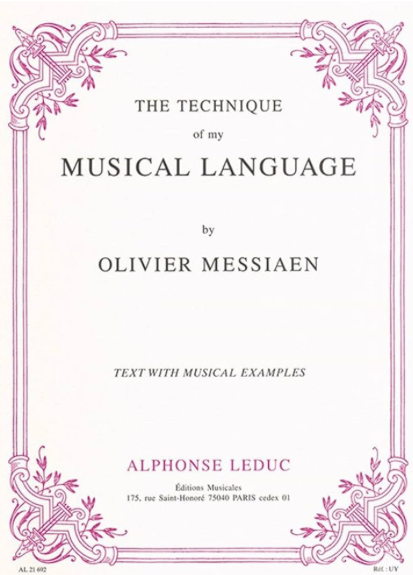
[English Translation] “The Technique of my musical Language” by Olivier Messiaen
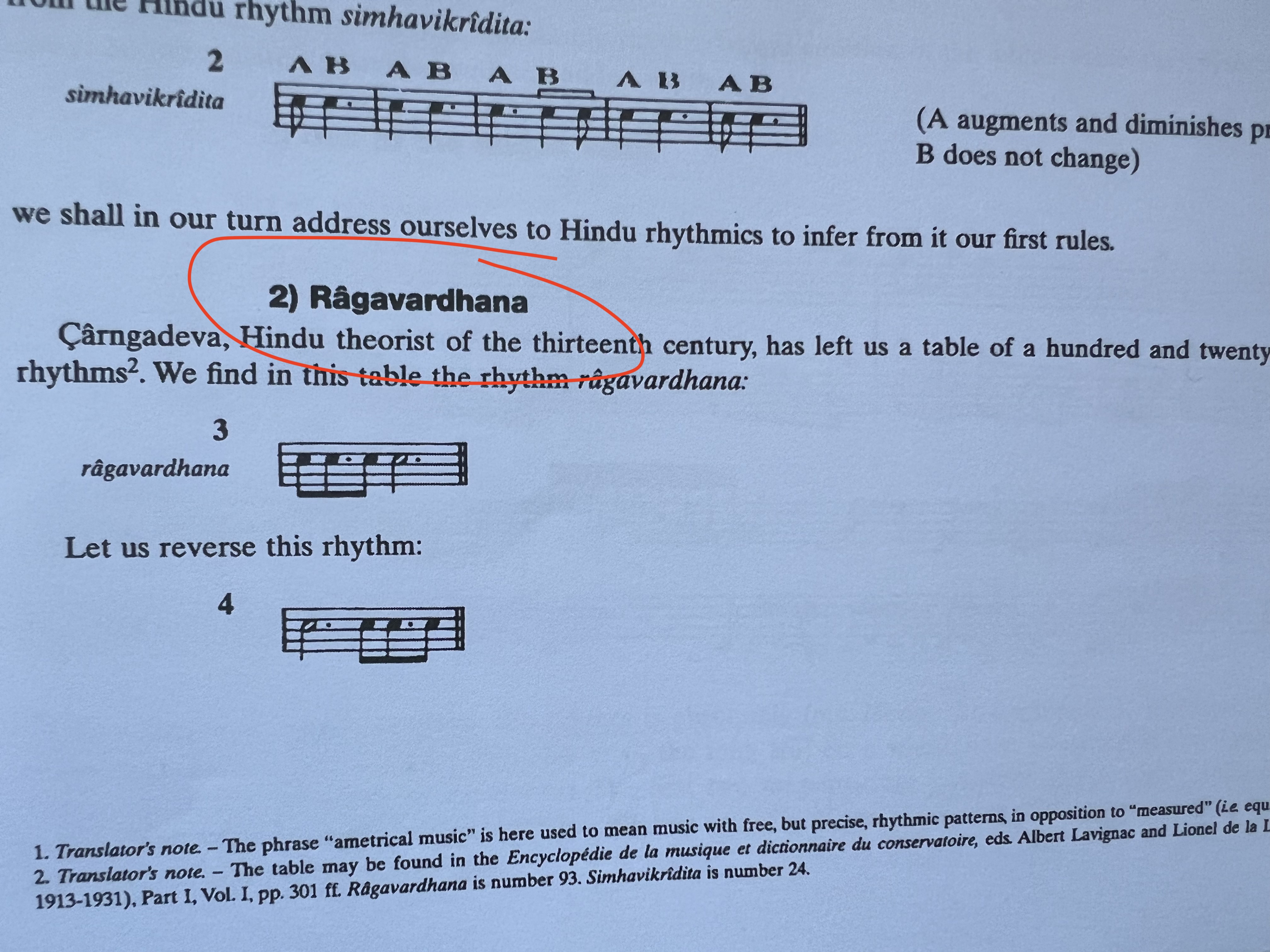
This is a fantastic book that not only covers Messiaen’s unique harmonic aspects, but it also delves into his rhythmic approach/concepts.
Here is another example;
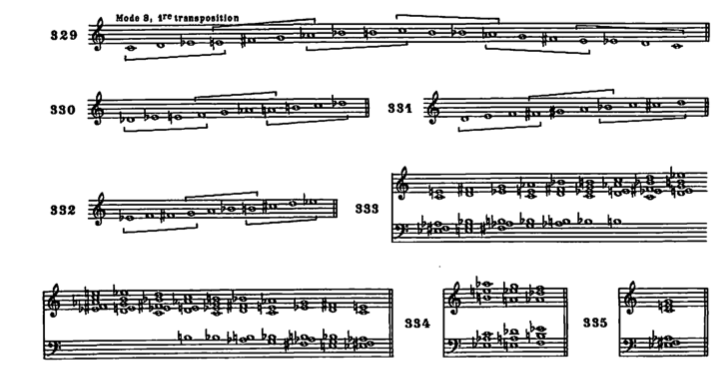
Of course he also gives many examples of his use of modes of limited transposition and their harmonic development:
Number 4
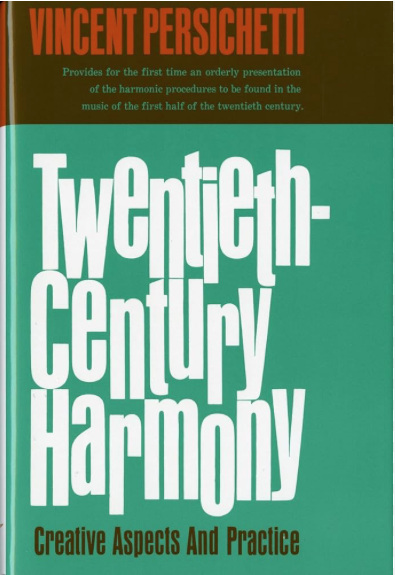
At number four I have “Twentieth Century Harmony” by Vincent Persichetti:
This is a great “All rounder” of a book that covers most bases from, polytonality to intervals to multi scales to mirror harmony and 12 tone etc.
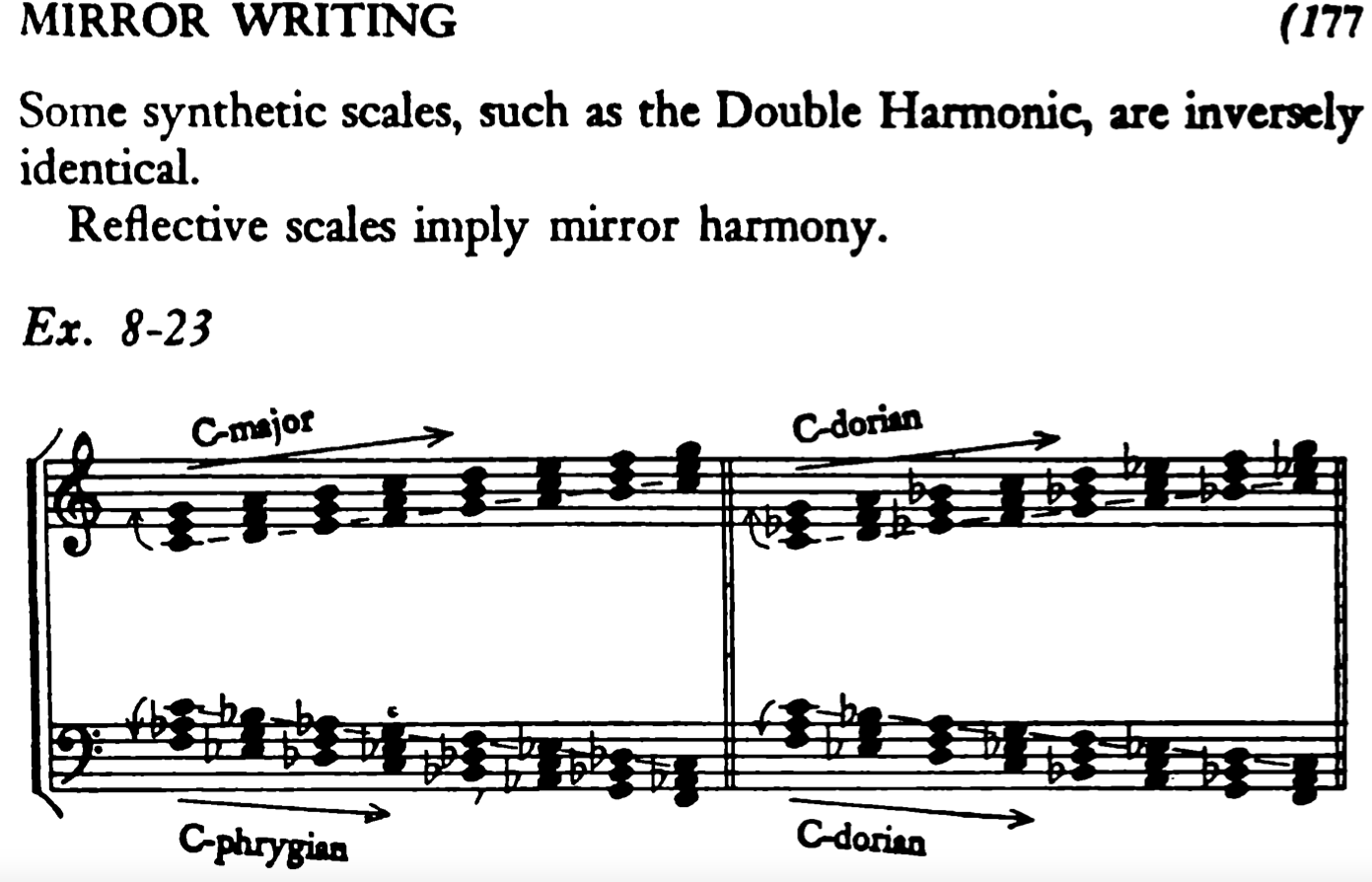
Here we have some “Mirror Writing” examples.
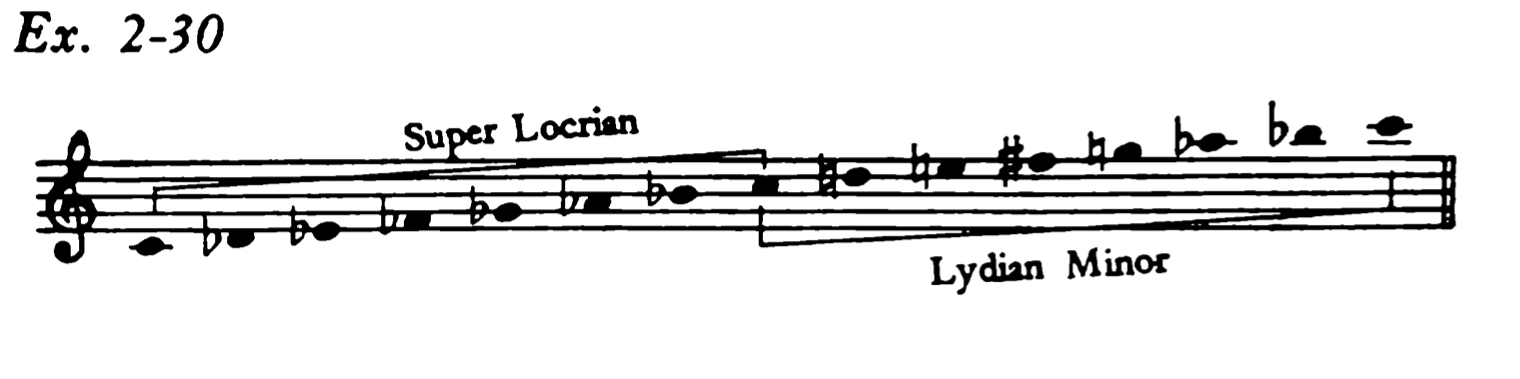
Here we have an example of extended multi scales.
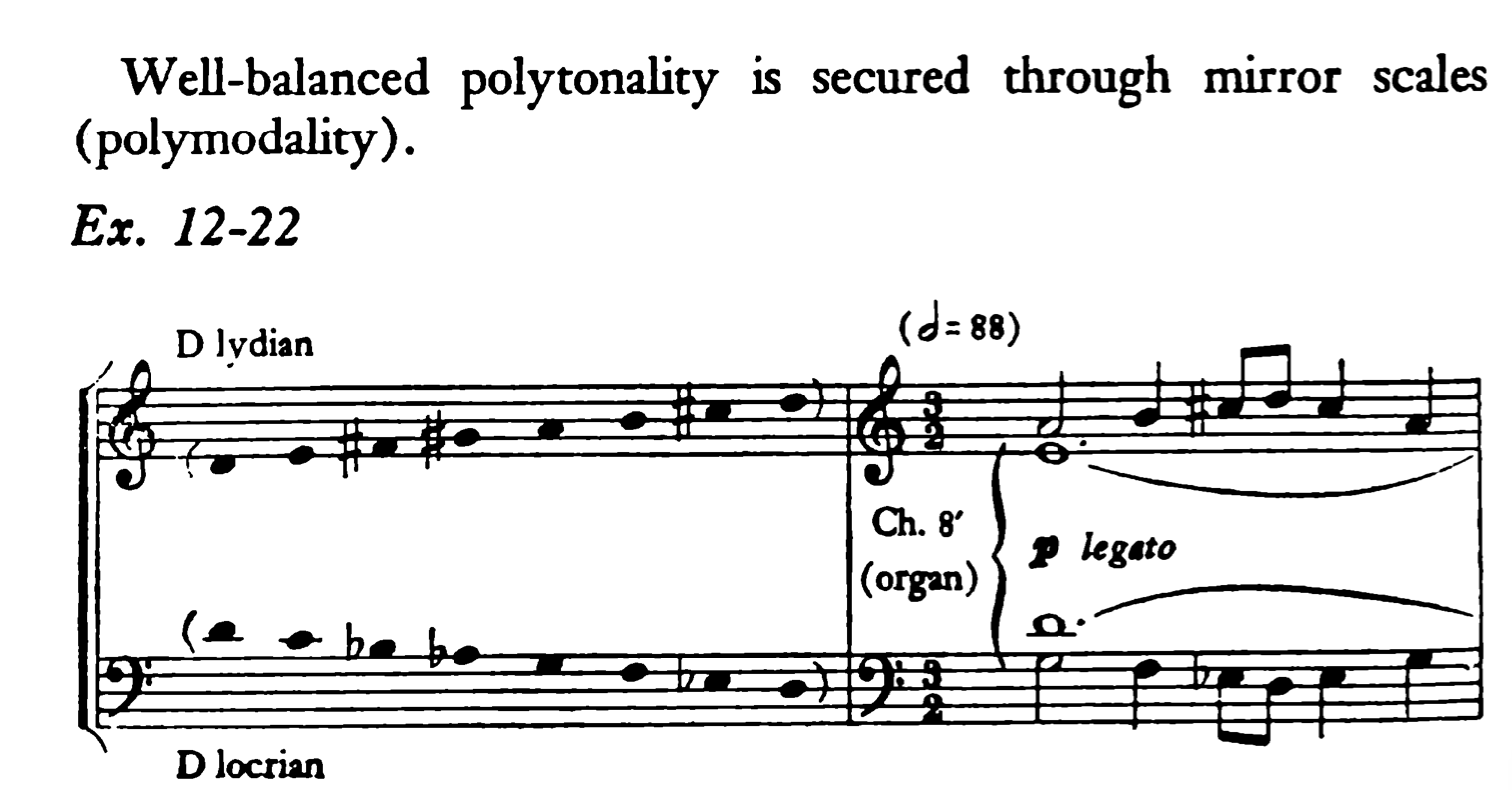
And finally some polytonality:
Number 3
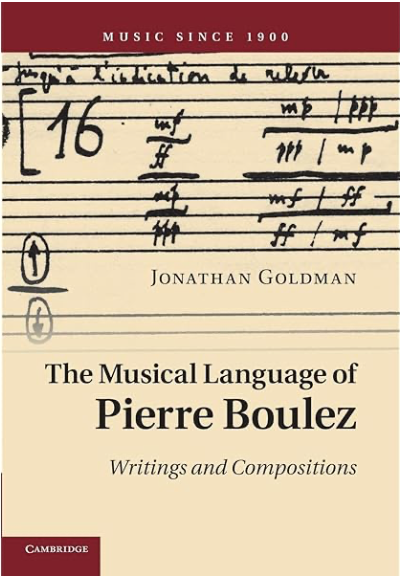
At number three I have “The musical language of Pierre Boulez” by Jonathan Goldman:
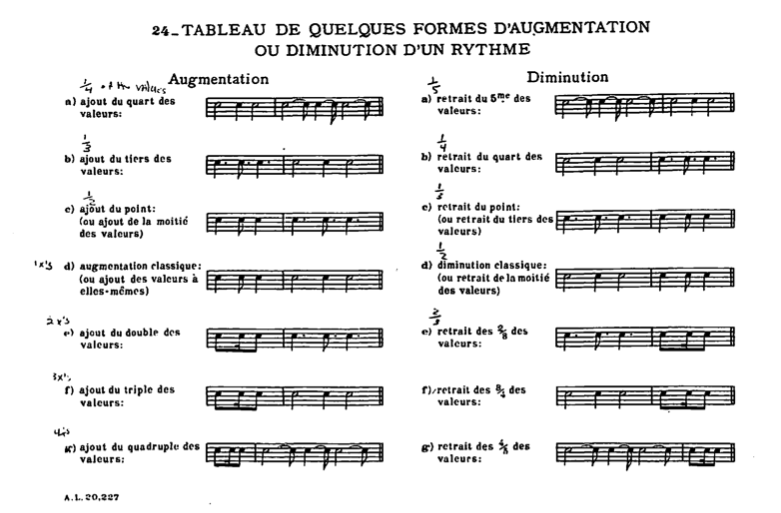
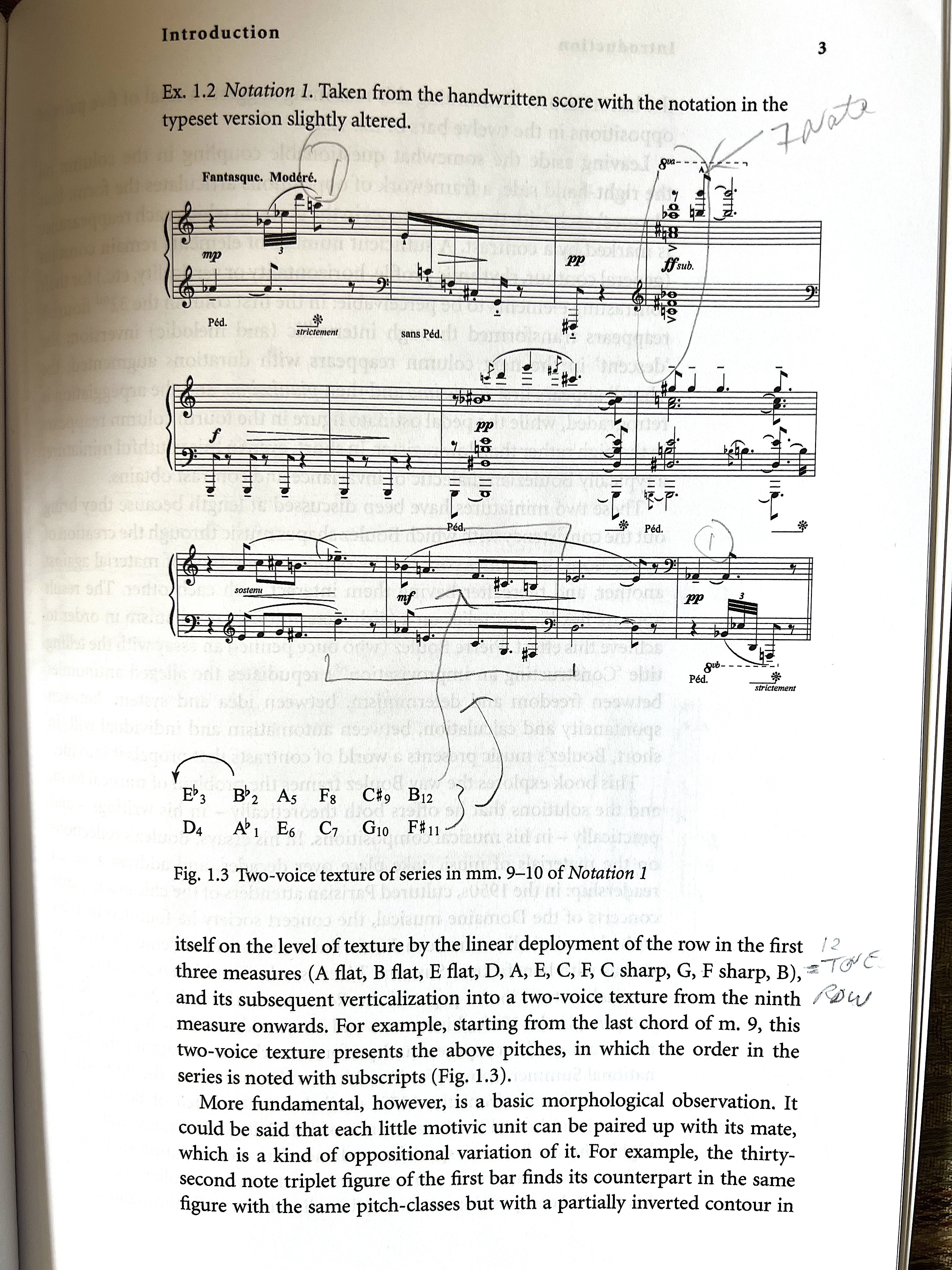
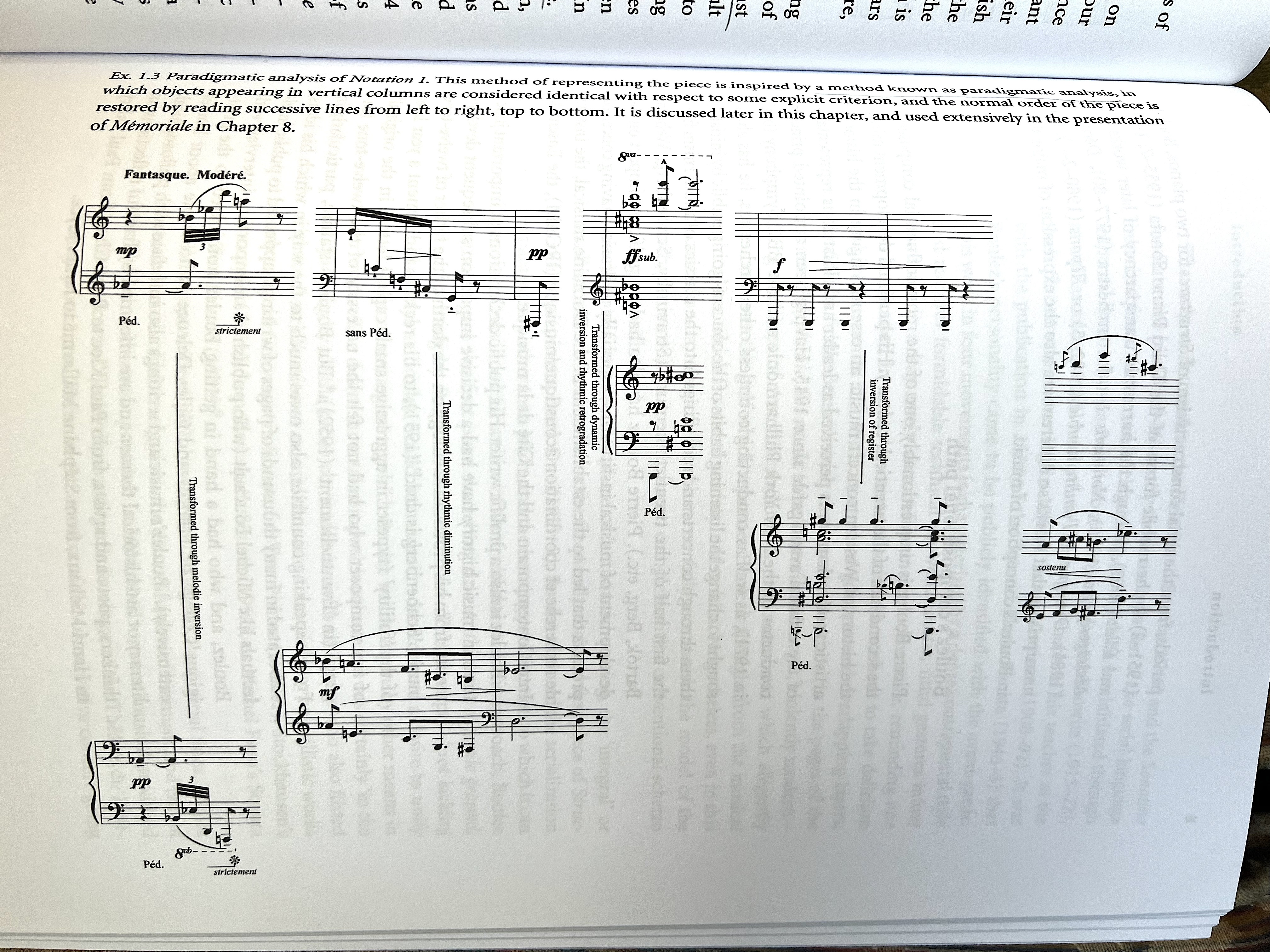
This book gives great clarity to Boulez’s compositional intellect and deductive reasoning. Boulez’s use of augmentation and diminution and the approach of opposites becomes crystal clear.
The other side of his writing that many people don’t acknowledge is his mastery of “Structure”
Number 2
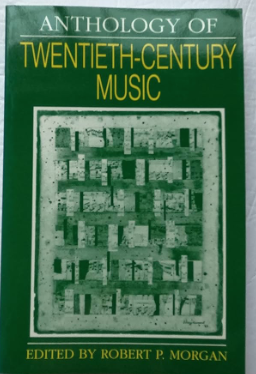
At number two I have “Anthology of Twentieth Century Music” edited by Robert.P.Morgan:
This is a book of analysis of many great works by the 20c classical composers like, Stravinsky, Bartok, Charles Ives, Britten and Schoenberg etc.
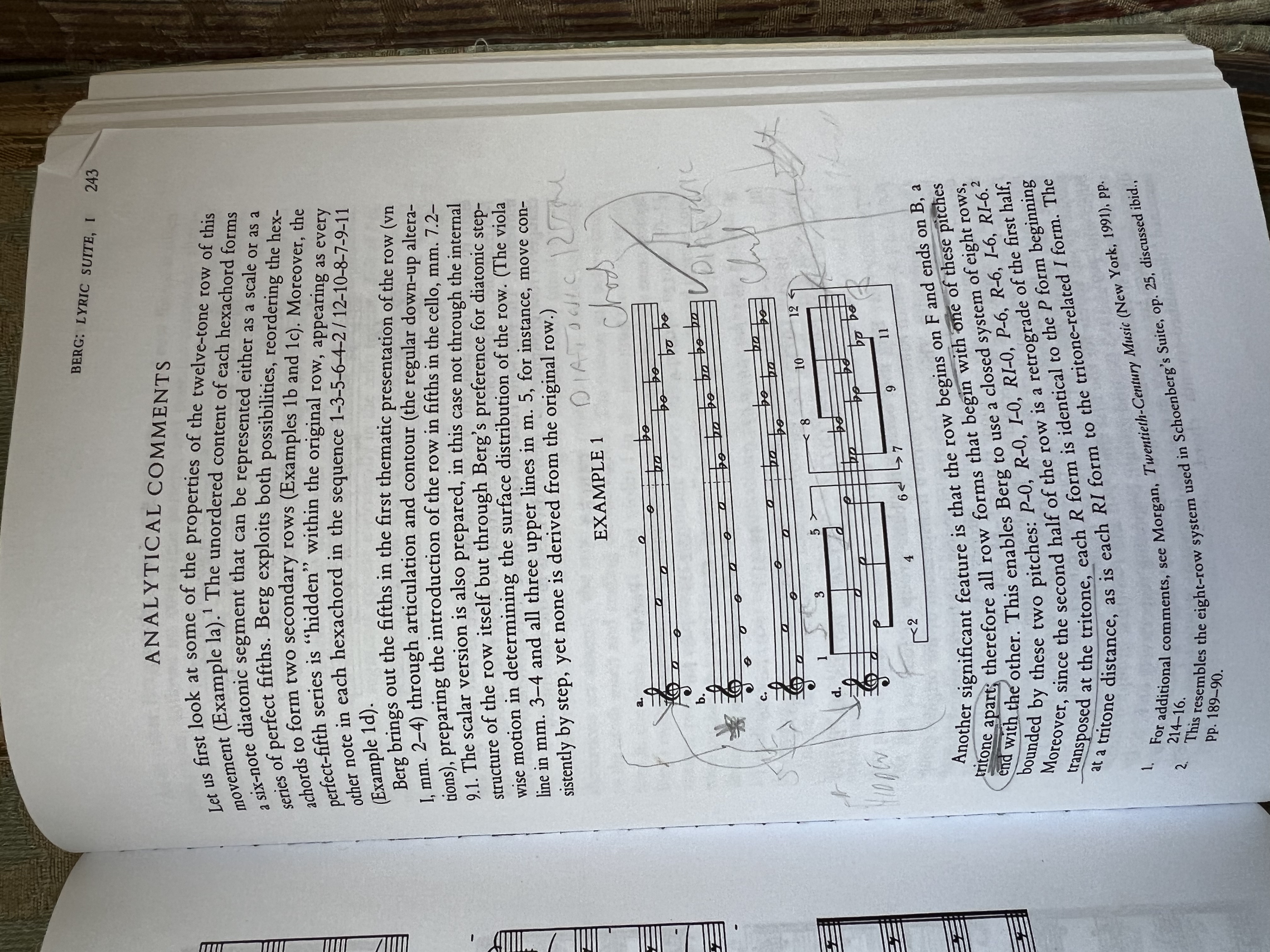
Here is an example from Bergs Lyric Suite:
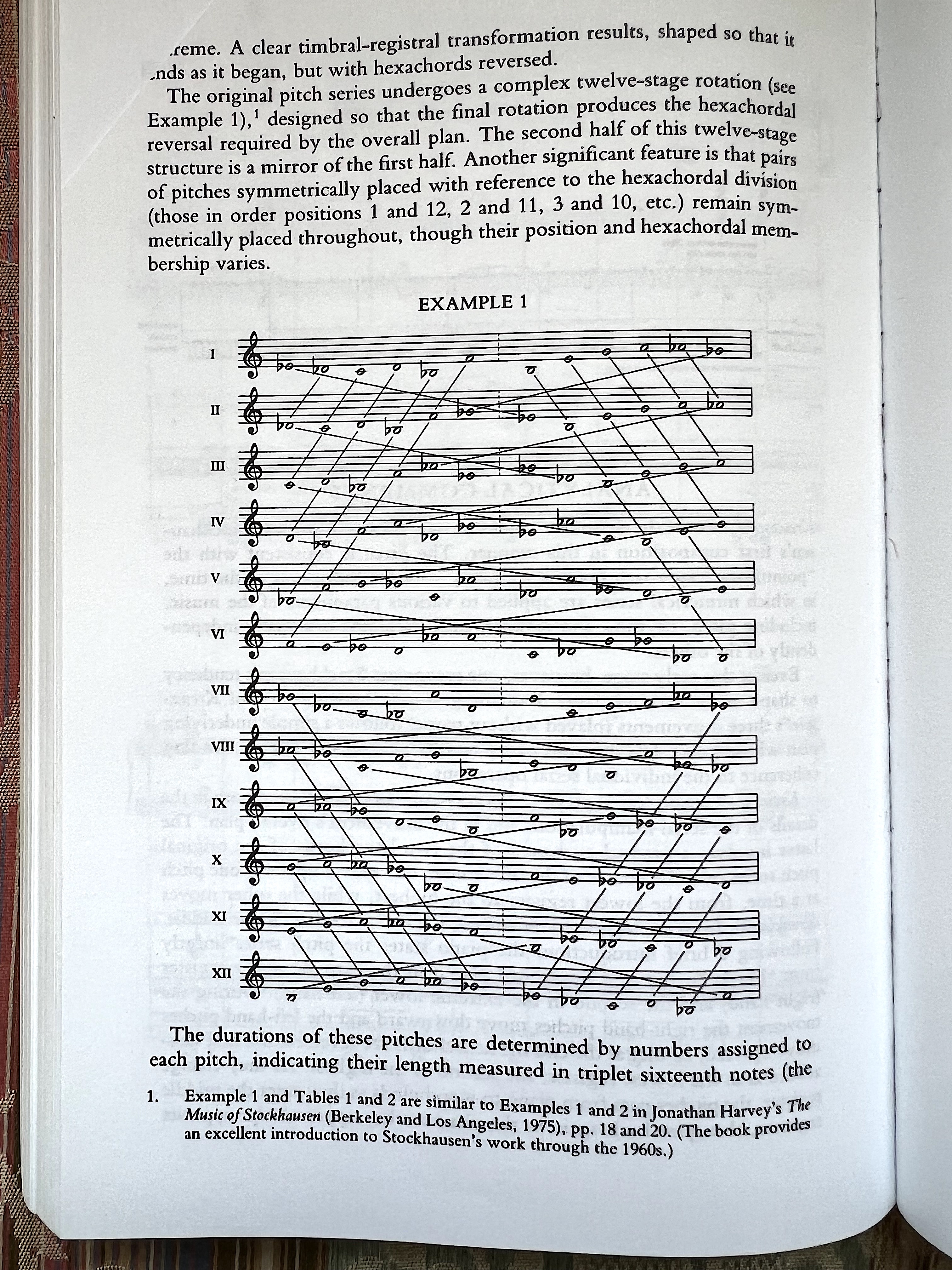
This book also looks at works and the compositional process by composers like Stockhausen:
Number 1
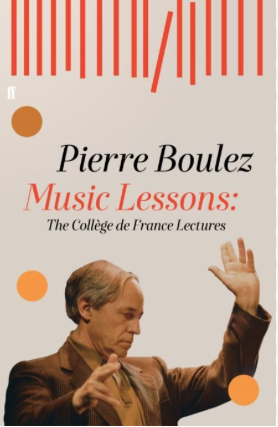
My number one book is “Music Lessons” by Pierre Boulez:
This is not a book of technique with musical examples but a collection of Boulez’s lectures put into essay form.
This is a book that explores the art of deductive reasoning on the part of the composer and the art of creating material from the material in an organic way.
This is also a book about understanding the music/material, the process, why you are composing it, how it is happening and discovering your own deductive reasoning in the process.
It’s very difficult to explain this book in words as it is a bit like opening up your own head and looking into your own brain and seeing the correct pathways and completing them as opposed to just guessing and not completing the natural organic pathways.
This may sound a bit pretentious, but, such is the way of music. It does require a deep understanding and it does need considerations to ponder on if one wishes to compose original material with a unique language that makes the composition stand out from the crowd and avoid banality.
IN CONCLUSION
In conclusion this a brief look at the top 5 books that I use. I find it useful to have technical books, example books [from other composers works] and also a book that takes me into the depths of my thoughts and my own reasoning. For me a book is like a close friend that nudges the way, nothing is forced, but the mind is focused, as the material makes itself known.
IF THIS POST WAS OF INTEREST TO YOU THEN PLEASE SUBSCRIBE TO US BELOW ON YOUTUBE, THANKS!
Polytonality: For Concerto/OrchestralWriting lesson
Please watch the video above for detailed analysis:
Hi Guys
Today, a quick look at composing with Polytonality for orchestral and concerto writing.
What is Polytonality?
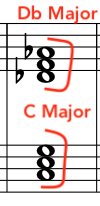
Polytonality is the use of two or more keys at the same time:
Example 1:
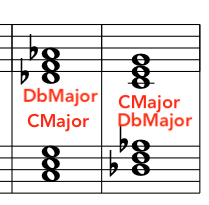
Db Major/C Major [Basic root position]
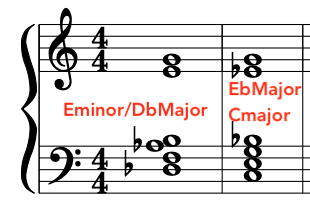
In this first example we have 4 bars of Polytonality with Eminor/DbMajor and EbMajor/CMajor
This then resolves itself with a “Tonal” diatonic cadence of B7/D# to Em:
This method is really useful because we can use the polytonal approach sparingly with it’s thicker and richer harmonic texture whilst then then playing its opposite it with the thinner aspect of diatonicism.
This way the Polytonal nature of the music compliments the diatonic cadences and visa versa.
Example 2:
Polytonality-Orchestral Example
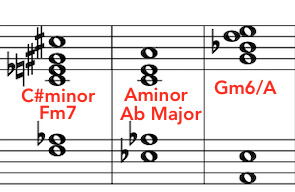
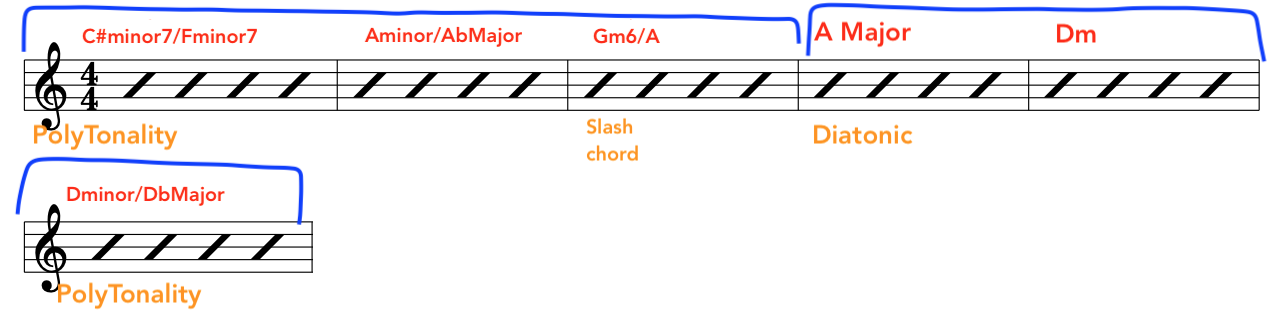
This example explores “Implication”. In this case it is implying the melodic minor but avoiding the cliche by employing the richness of Polytonality:
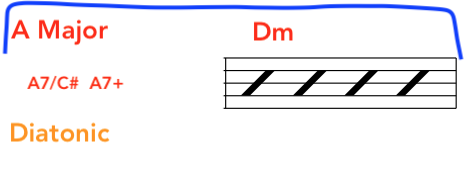
From here, we will again employ diatonic harmony for a cadence.
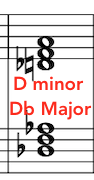
To complete this short orchestral example we will go back into Polytonality with another melodic minor implication by employing Dminor/DbMajor:
Here is the chart:
Example 3:
Polytonality-Orchestral Example
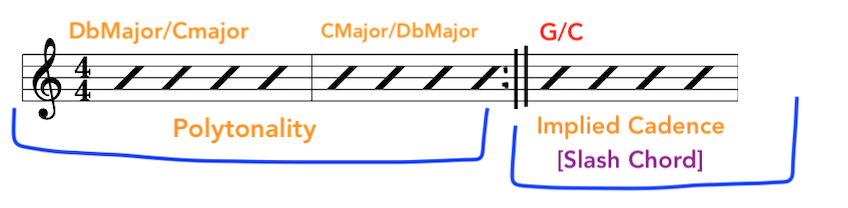
In this final example we will just “Reverse” the chords. This time it is DbMajor/Cmajor which is then played the other way around with CMajor/DbMajor.
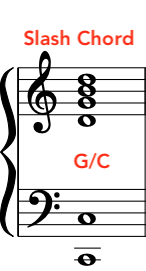
finally, we will employ a slash chord for an “Implied” cadence: This will also lighten the harmony: