Exploring Pat Martino’s 12 Chromatic Forms for Guitar:

Hi Guys,

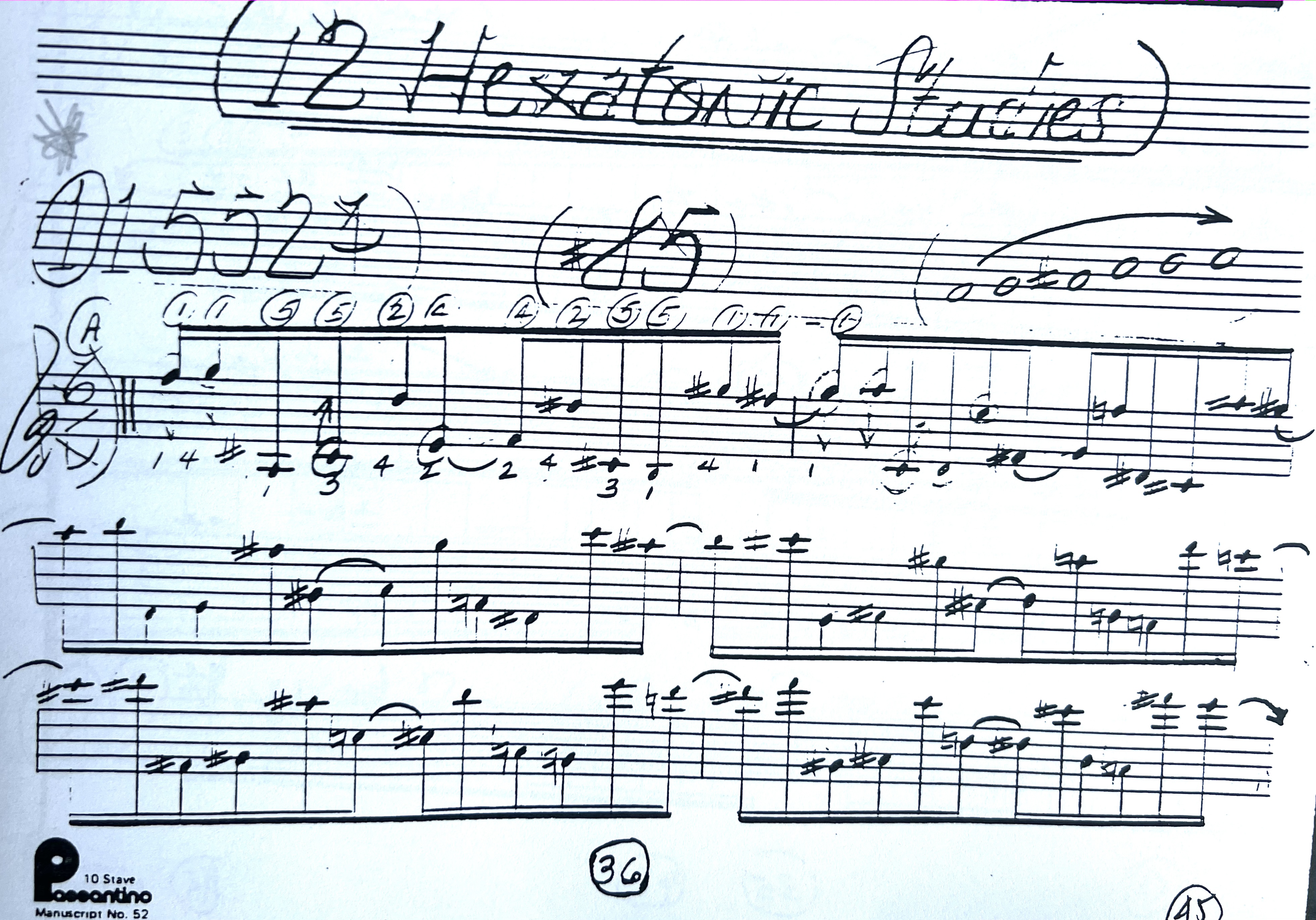
Today, a look at the amazing 12 chromatic forms for guitar by jazz legend and music theoretician extrodinaire Pat Martino!

These 12 forms for the chromatic scale were written and I believe taught by Pat Martino in the 70’s and 80’s. They are a unique idea that connect through the concept of octave displacement.

Although they can be employed over dominant alt chords for improv [As covered previously https://jazzimproviser.com/2024/05/21/pat-martino-intervallic-studies-un-published-book-lesson/] I am going to dig at little bit deeper and create a compositional 12 tone approach where extra fresh material can be created from any one form.

But, to begin with:

12-chromatic-forms-for-the-guitar-pat-martino

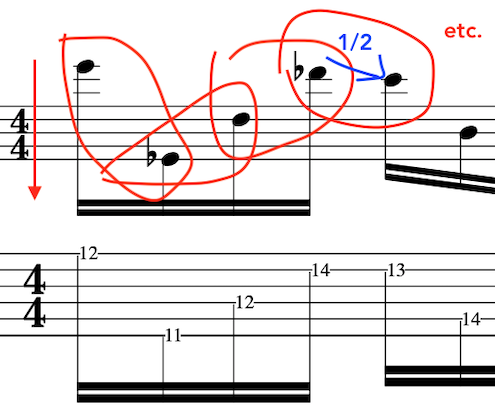
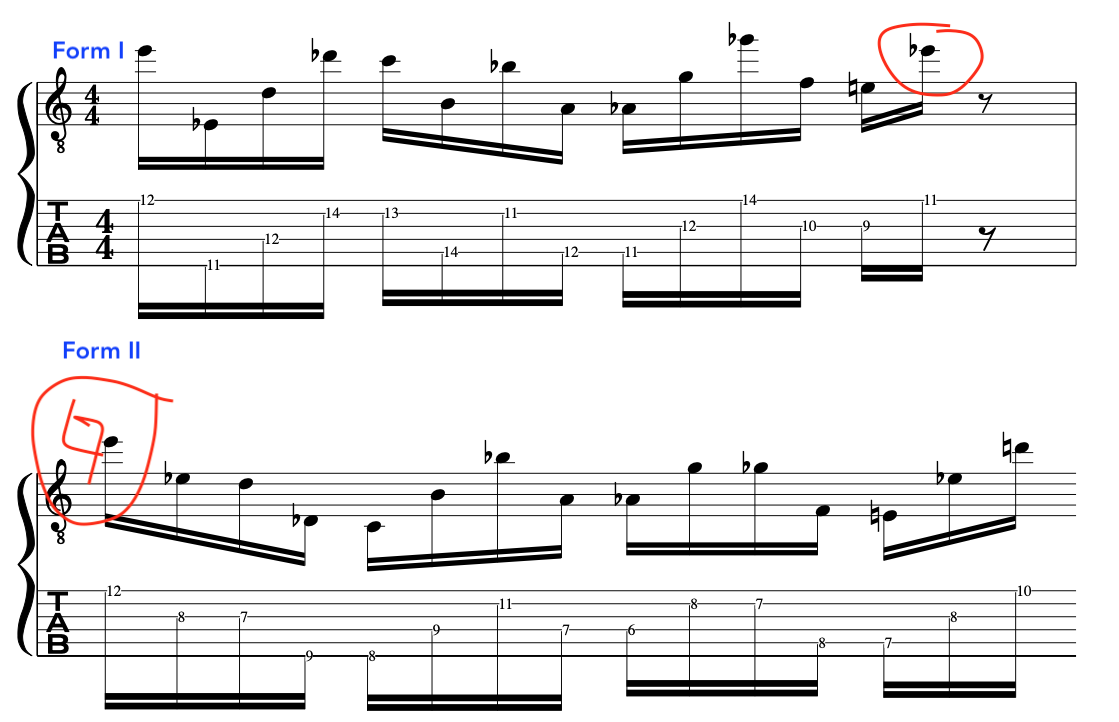
Notice: The semitones and octave displacement: E to Eb to D to Db [Db to C semitone] etc.

12-chromatic-forms-for-the-guitar-pat-martino

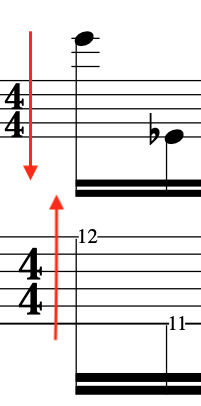
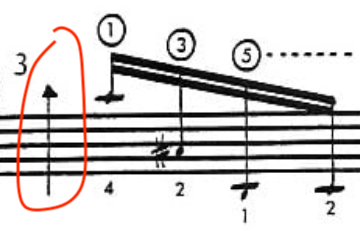
The arrow pointing up or down tells us whether it is an ascending or descending chromatic scale:

12-chromatic-forms-for-the-guitar-pat-martino

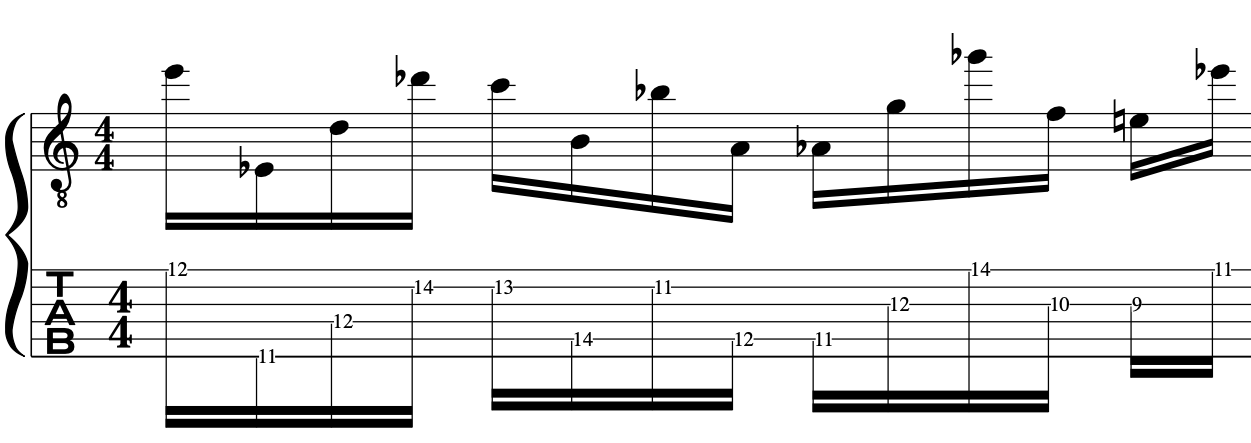
So, for instance “Form I” without octave displacement is:

With octave displacement is:

12-chromatic-forms-for-the-guitar-pat-martino

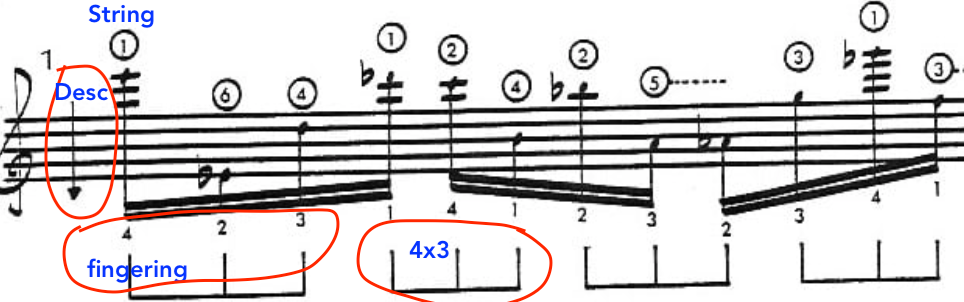
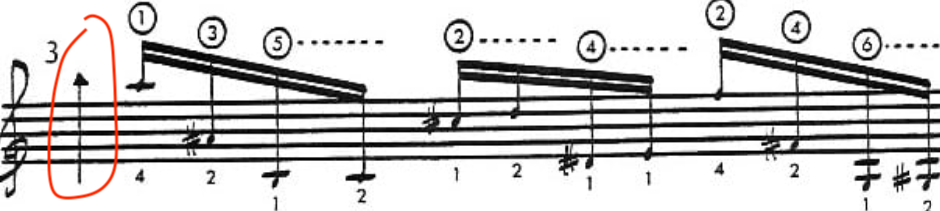
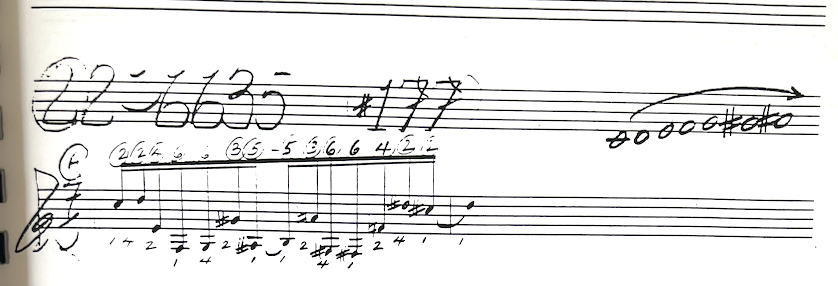
Here, is Form I written by Pat’s own hand showing his fingerings and string preference.

12-chromatic-forms-for-the-guitar-pat-martino

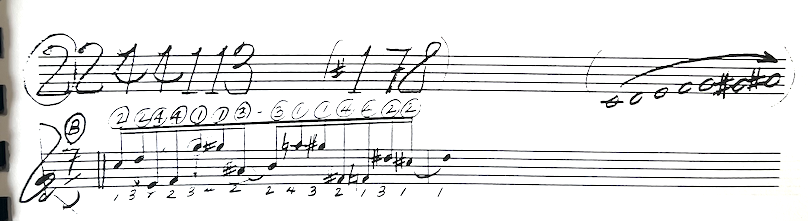
Now, let’s add the second form for guitar and notice Pat’s connection for the two: Eb to E

Also, notice that Form I and II have the same notes but mostly in different octaves.

12-chromatic-forms-for-the-guitar-pat-martino

Lastly, if we look at form III we will see the arrow pointing upwards showing that it is an Ascending chromatic scale:

12-chromatic-forms-for-the-guitar-pat-martino-explained

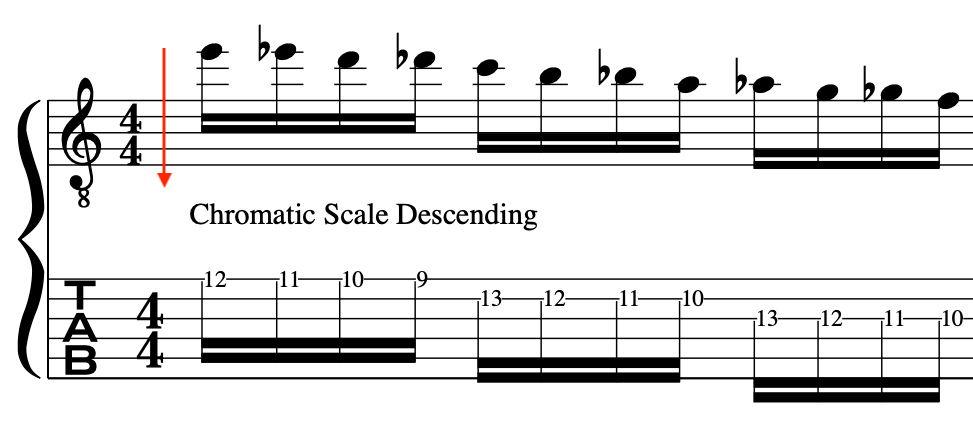
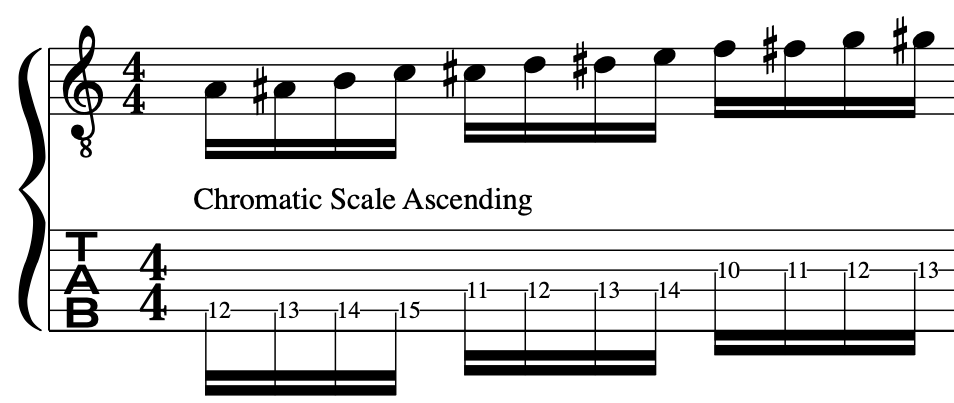
Here, is the basic ascending chromatic scale:

chromatic-scale-ascending

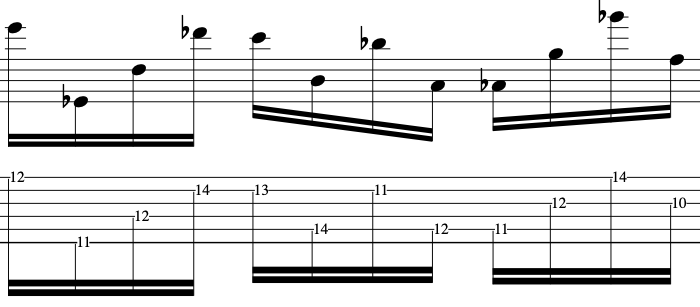
Here, it is with octave displacement

12-chromatic-forms-for-the-guitar-pat-martino

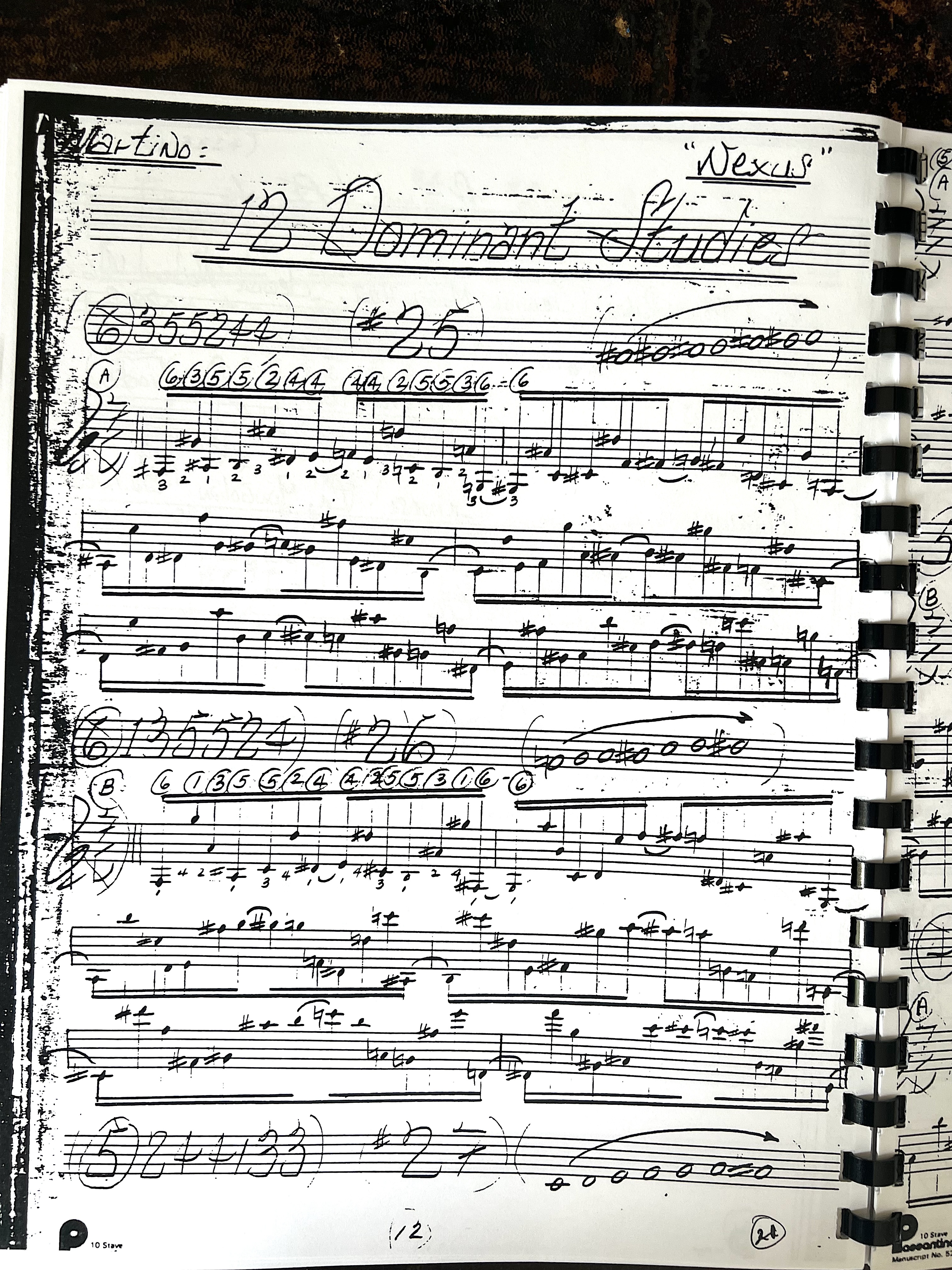
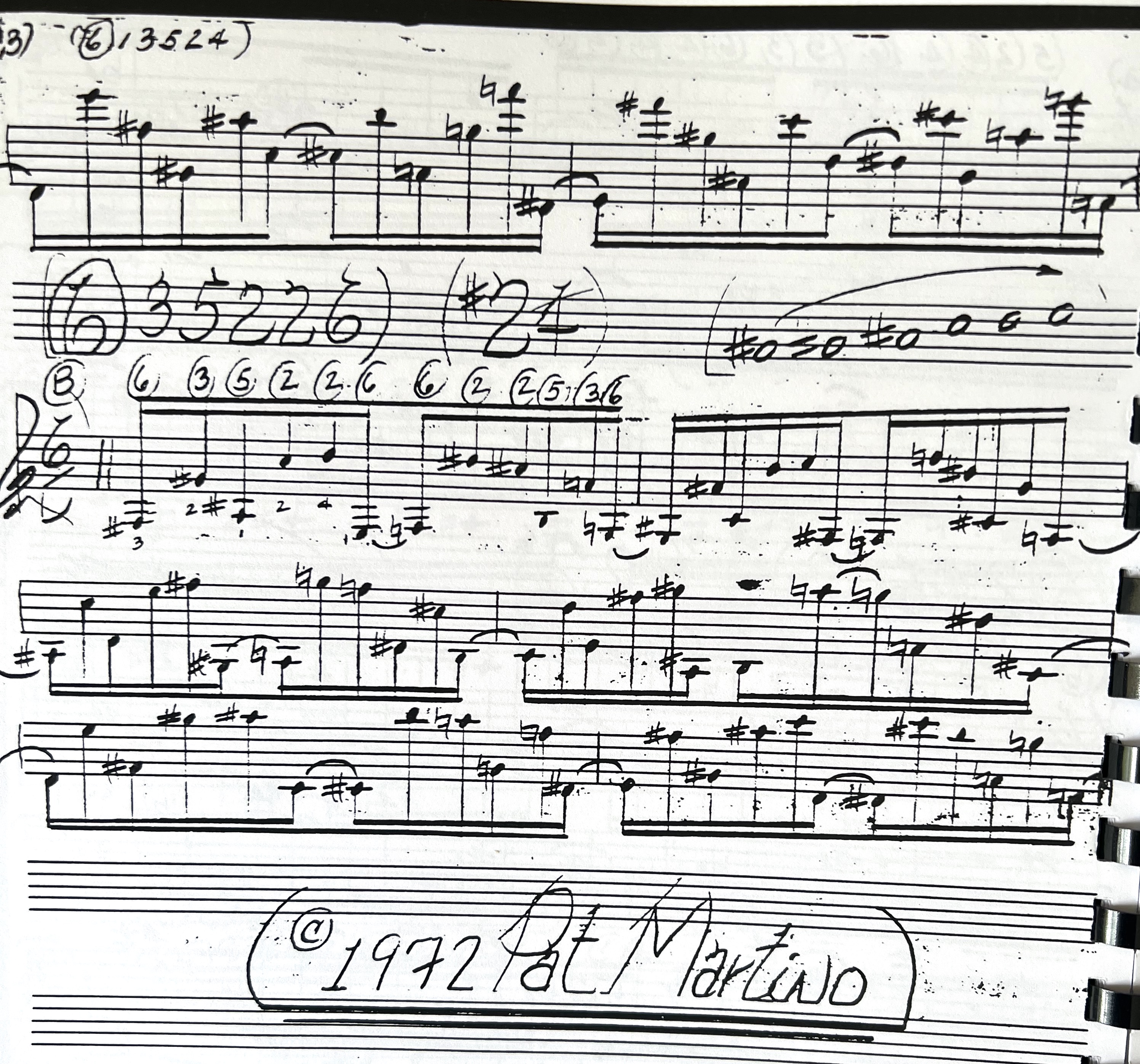
For all of the other chromatic forms please go to the downloadable Pdf at the bottom of this page for a free download of Pat’s actual notations.

Due to being the chromatic scale and 12 forms we can manipulate this by taking a 12 tone approach:

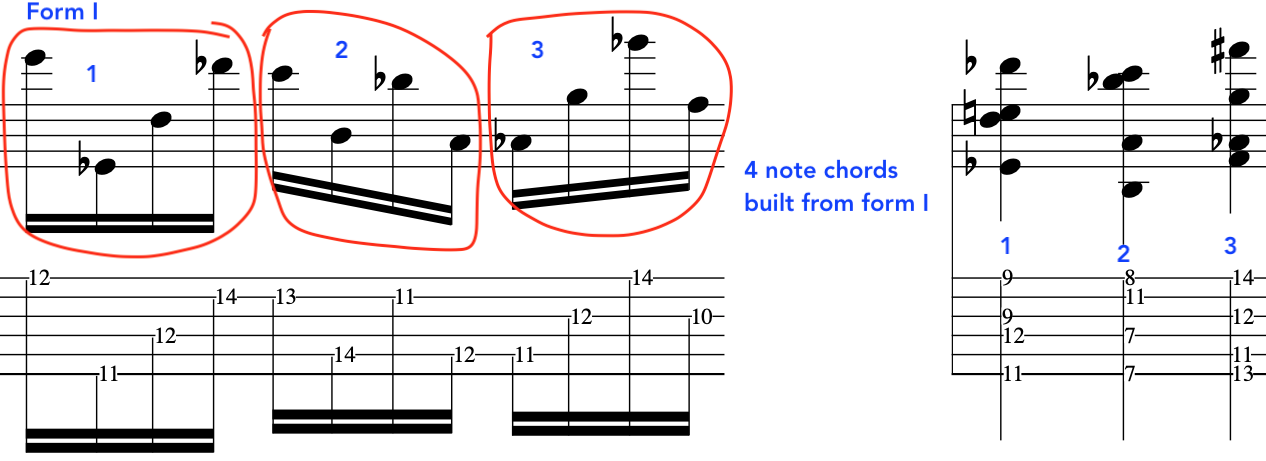
So let’s take the first Form and make 3 sets of 4 note chords from it.

pat-martino-12-tone-jazz-guitar-lesson-example

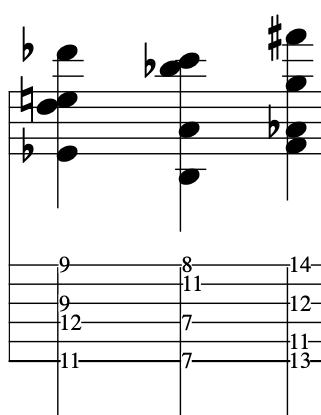
Here, we can see and hear how easy it is to create some very original and unique chords from these forms:

12-chromatic-forms-pat-martino-guitar-chords-lesson

We can now make some lovely voicing’s and chords from the following, so, let’s structure some sophisticated composition.

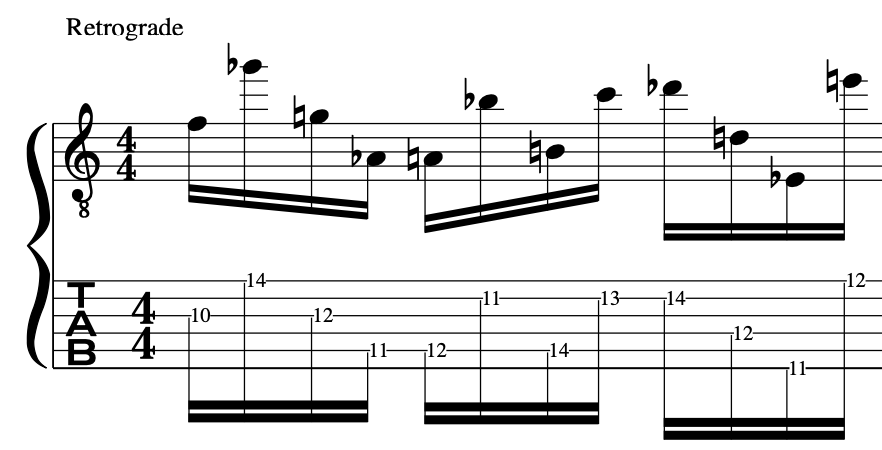
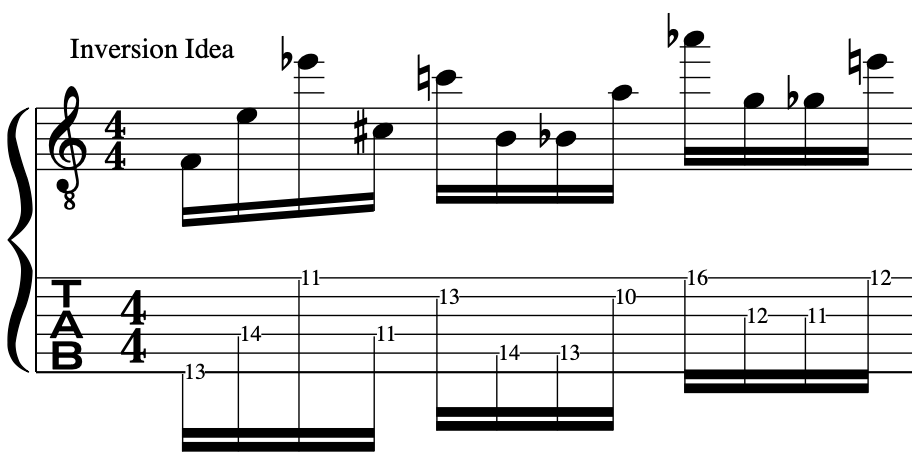
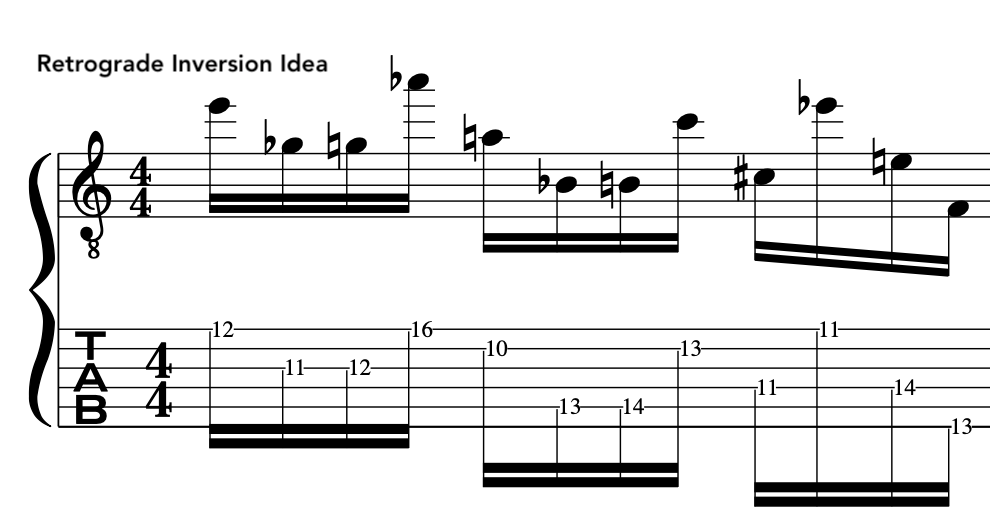
We will employ, “Retrograde” and “Inversion” and then “Retrograde Inversion”

12-tone-pat-martino-jazz-guitar

12-tone-pat-martino-jazz-guitar

12-tone-pat-martino-jazz-guitar

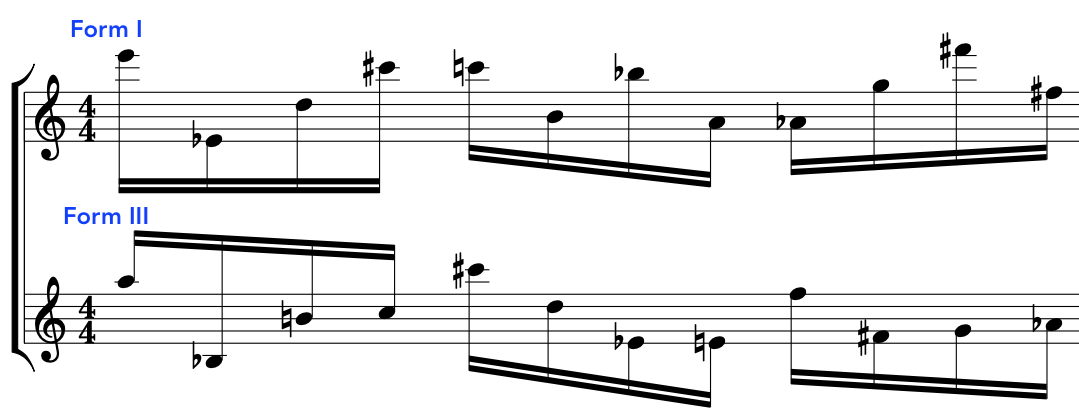
In this case it is Form I and III:

pat-martino-12-tone-guitar-jazz

These 12 Forms offer brilliant possibilities for string writing or 20C classical orchestral style composing.

The octave displacement and the flow of semitones creates a fluid and quite natural way of performing on stringed instruments wether it be the guitar, violin, cello, double bass etc.

As guitar players this gives us some great possibilities for altered dominant lines [https://jazzimproviser.com/2024/05/21/pat-martino-intervallic-studies-un-published-book-lesson/] and original chord voicings. These are also great as rut busters too.

This blog has just touched on the subject but as you can see the possibilities for the 12 forms gives way to unlimited fresh new music, and for the imaginiative and creative guitarist/composer the possibilities are endless.

Below is a free pdf download of all of Pat’s 12 chromatic forms for guitar written out by Pat himself.

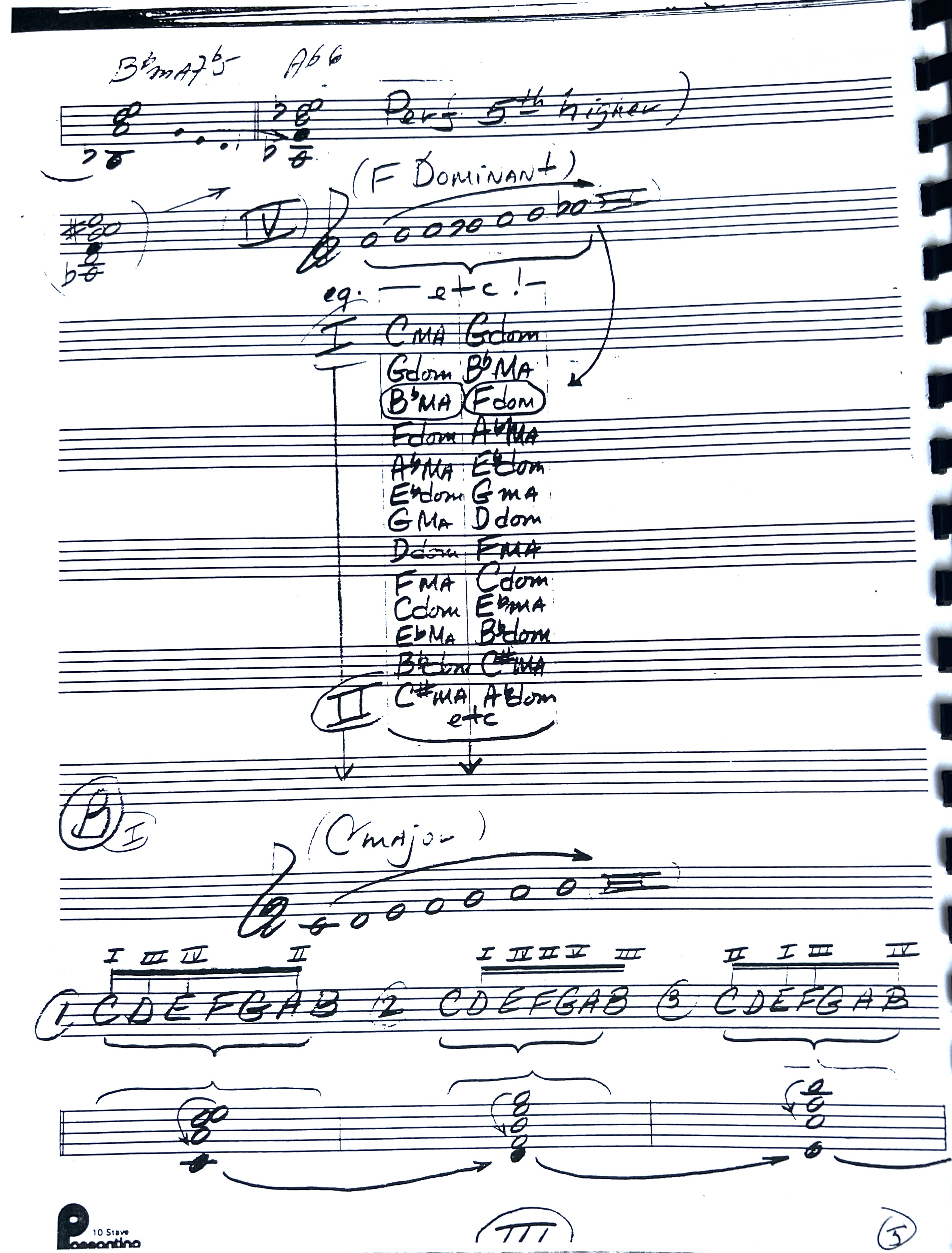
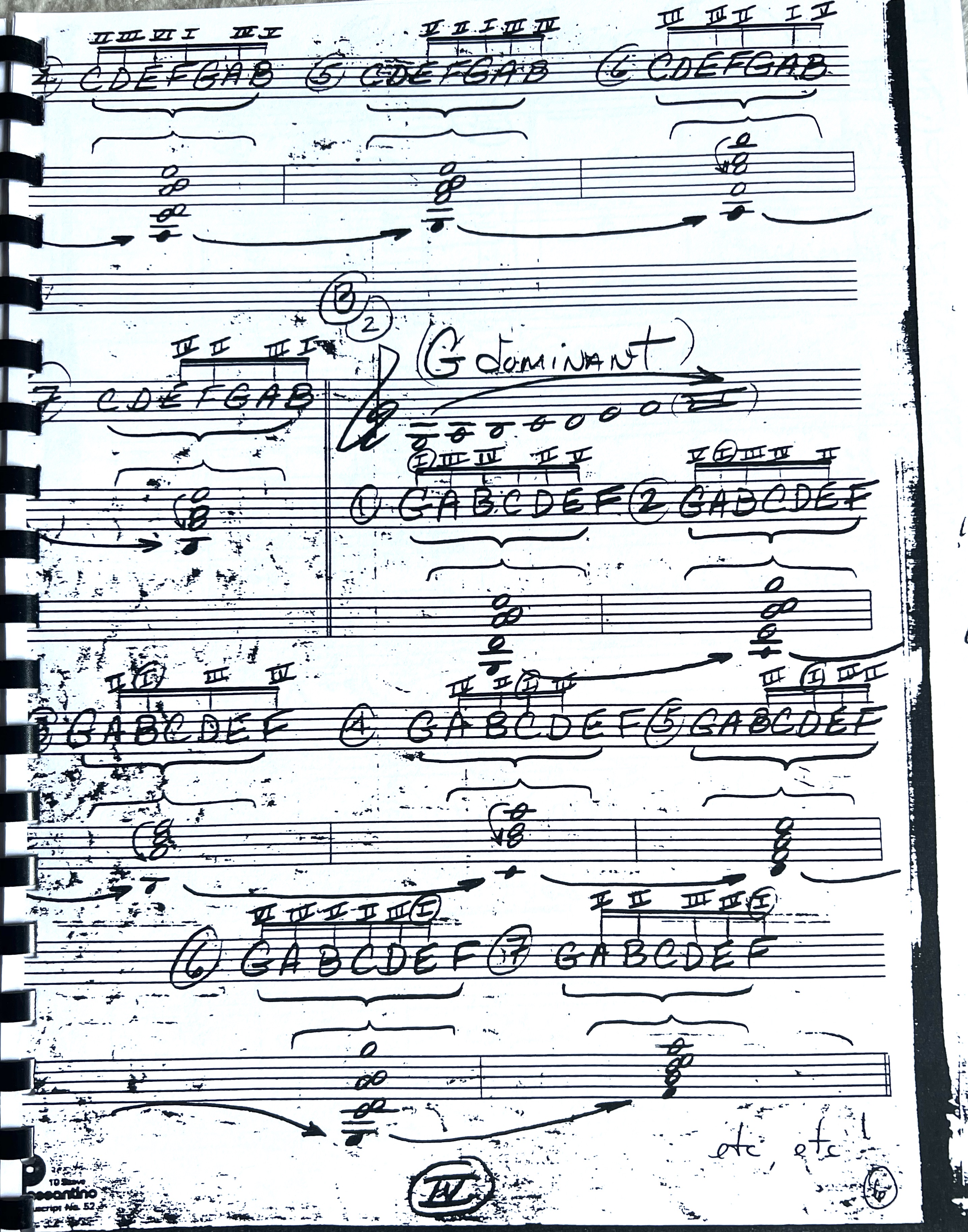
Pat Martino Unpublished Book: “Intervallic Studies”

Hi Guys,

Here are some more pages from jazz guitar legend Pat Martino’s unpublished book on intervallic studies.

pat-martino-unpublished-book-intervallic-studies-pages-examples

pat-martino-unpublished-book-intervallic-studies-pages-examples

pat-martino-unpublished-book-intervallic-studies-pages-examples

pat-martino-unpublished-book-intervallic-studies-pages-examples

pat-martino-unpublished-book-intervallic-studies-pages-examples

pat-martino-unpublished-book-intervallic-studies-pages-examples

pat-martino-unpublished-book-intervallic-studies-pages-examples

mm

pat-martino-unpublished-book-intervallic-studies-pages-examples

pat-martino-unpublished-book-intervallic-studies-pages-examples

Pat Martino Unpublished Book: Intervallic Studies: NEW PAGES:

Hi Guys,

Many of you have asked me to publish more pages from the unpublished book on intervallic studies by jazz guitar legend Pat Martino:

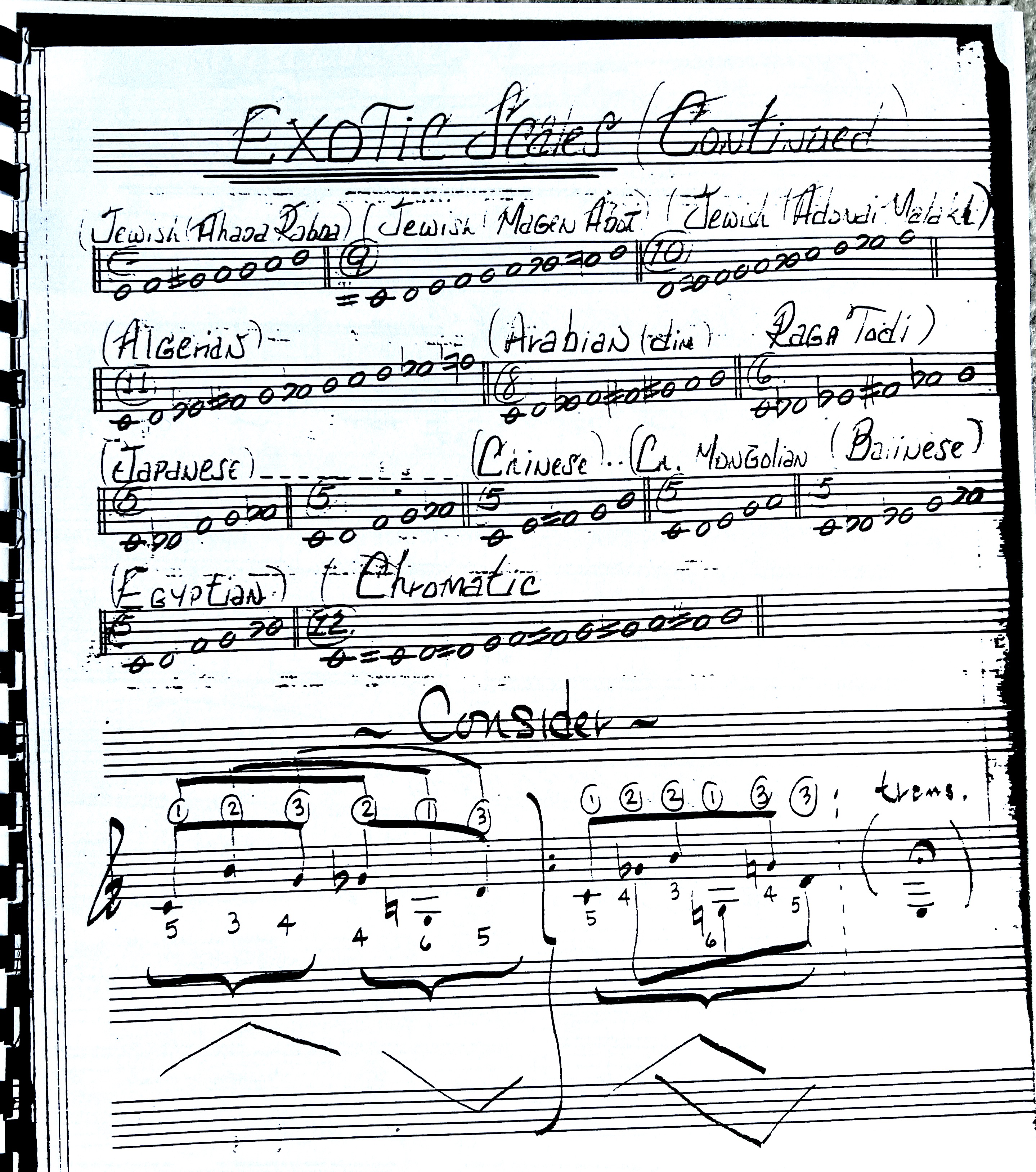
Firstly, we see Pats thoughts on the many scales available to create his intervallic studies: [He seems to have had an impressive encyclopaedic knowledge of scales].

pat-martino-intervallic-studies-jazz-guitar-book

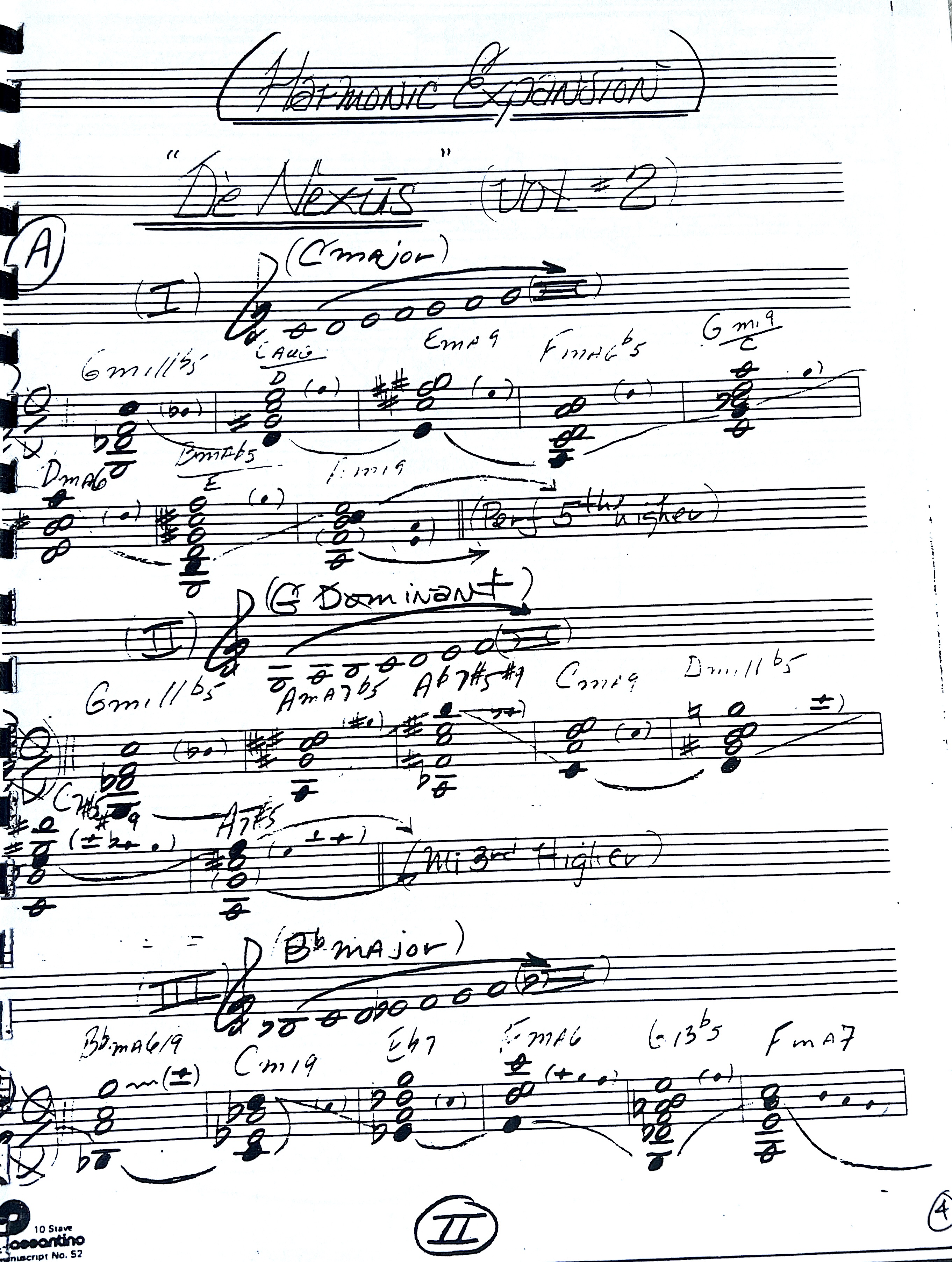
Here, Pat lays out the main/commonly used scales to his preferred/choice of harmony [inversions/voicing’s]

pat-martino-intervallic-studies-jazz-guitar-book

Here, his harmonic expansion is continued: Again, scale to harmony [chord voicing’s].

pat-martino-intervallic-studies-jazz-guitar-book

This page demonstrates once again, scales and harmony with possibilities and personal choices. It’s interesting to see Pats chord voicing’s available for development with his unique intervallic concept:

pat-martino-intervallic-studies-jazz-guitar-book

Now, let’s take a complete study. Here is the first one of the melodic minor set :

pat-martino-intervallic-studies-jazz-guitar-book-melodic-minor
pat-martino-intervallic-studies-jazz-guitar-book-melodic-minor-scale

Towards the end of the book we find that Pat was either still working on the book or he didn’t have time to complete [in all 12 keys] everything that was in his mind.

Although incomplete, here we see Pat preparing studies for the Spanish Gypsy scale, with the key points of string order and correct guitar fingering:

pat-martino-intervallic-studies-jazz-guitar-book

Lastly, we have a full study with the Hungarian minor scale: Once again notice the string order and Pat’s choice/recommended guitar fingering.

pat-martino-intervallic-studies-jazz-guitar-book

In conclusion, these are some of the important pages of the book, although there are lots more studies of interest and some more interesting pages [chords/scales] that I will publish in a later blog. But, this is the main core for those interested.

Judging by this book, although, Pat was an amazing jazz guitarist/composer and improviser he also seems to have been a great theoretician and super creative individual with a vast knowledge of music and not just jazz:

Finally, I would like to say a big thanks to Mark Koch for sending me the book and making all of this possible.

PDF DOWNLOAD: