Mastering String Skipping: Fripp/Martino-Style Guitar Techniques

Hi Guys!

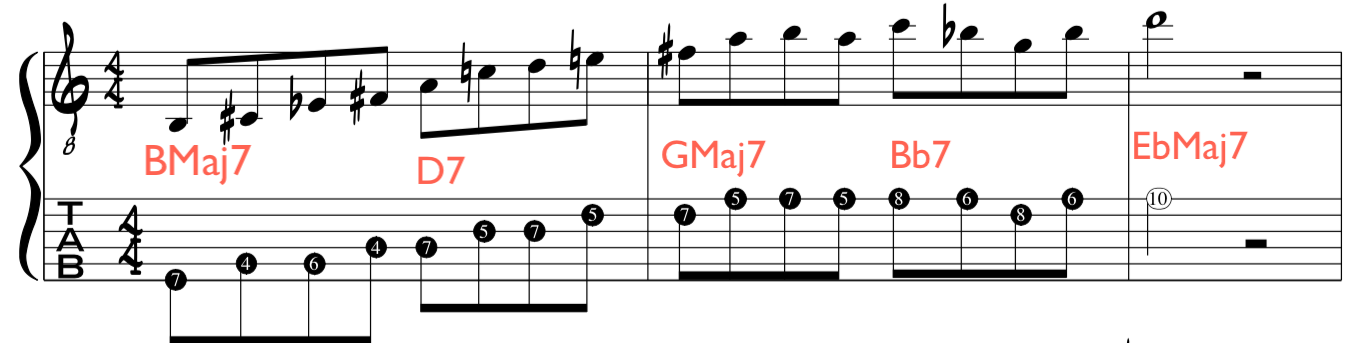
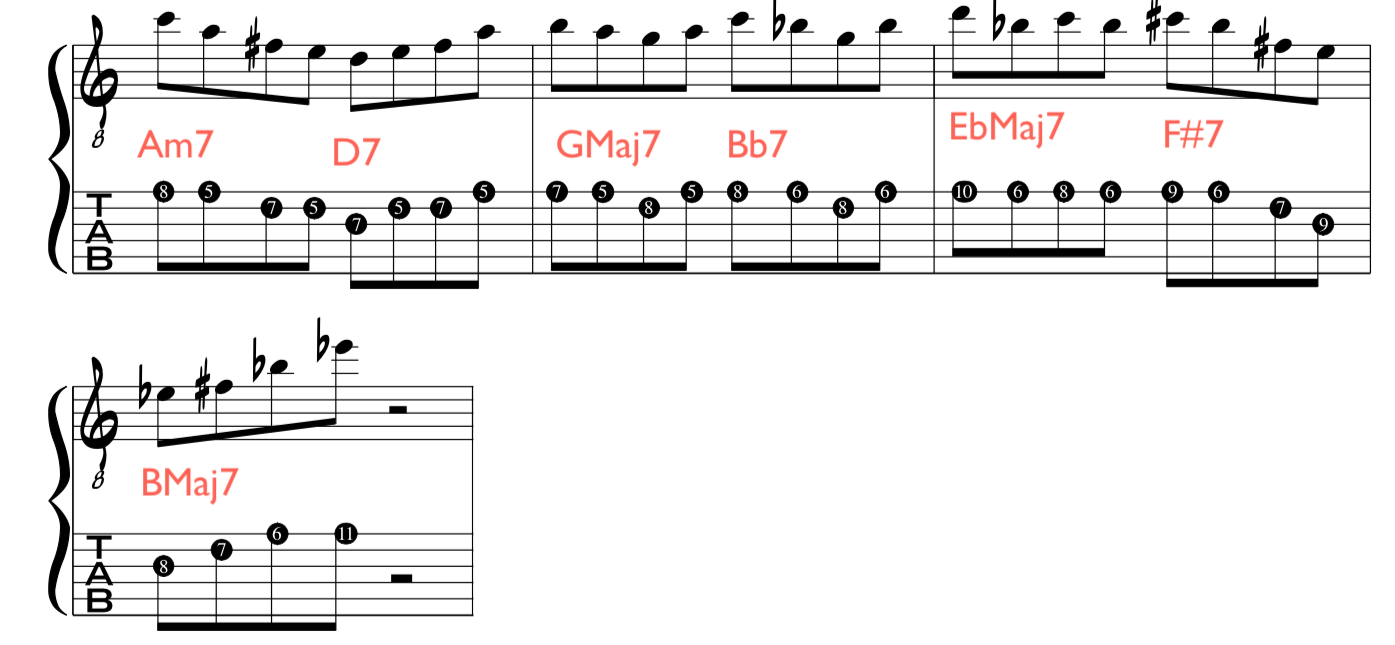
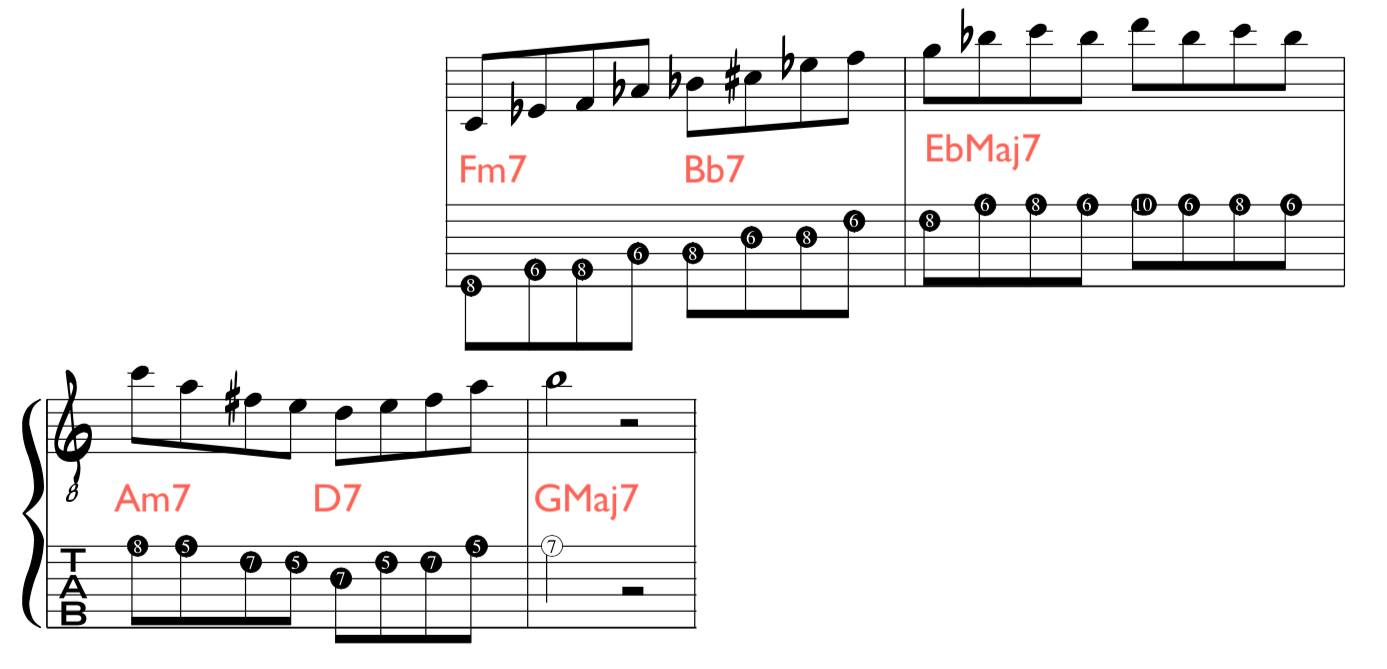
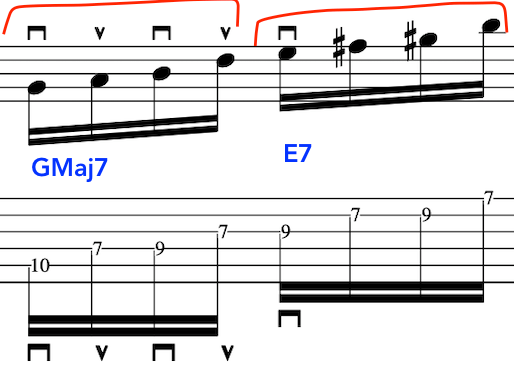
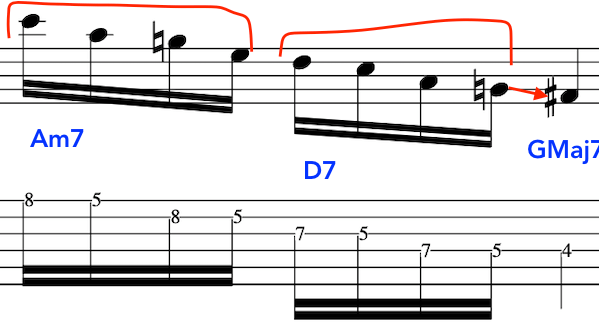
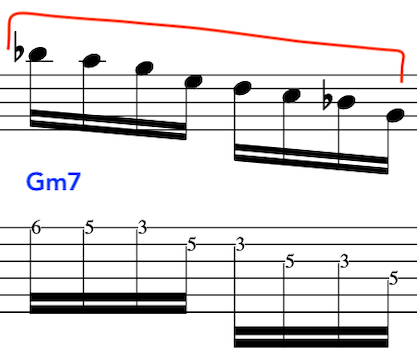
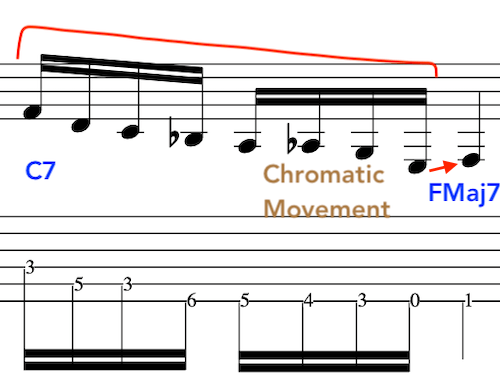
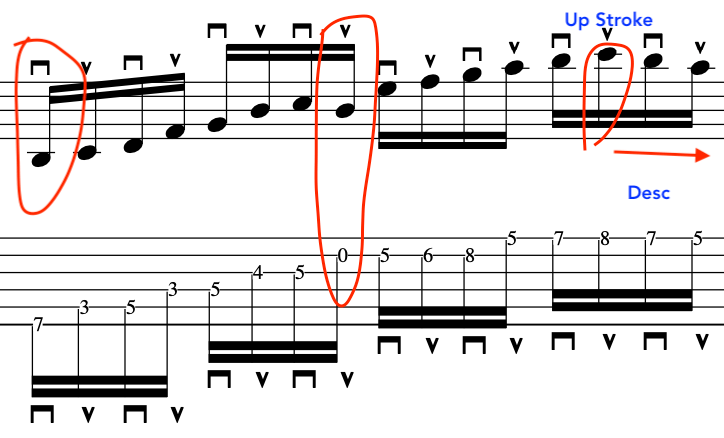
Here is the TAB/Notation for the “String Skipping” exercise in the style of guitar great Robert Fripp.

This 12 tone concept was taken from the brilliant 12 chromatic forms of jazz great Pat Martino.

string-skipping-guitar-lesson-example

I am staring this little etude/exercise on an “Up” stroke with alternate picking guitar technique.

string-skipping-guitar-lesson-example

As an example here is the first part:

string-skipping-guitar-lesson-example

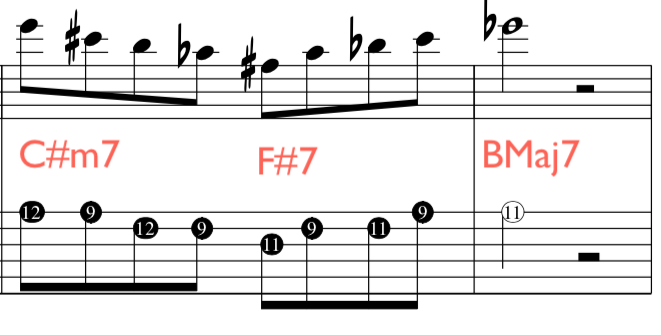
The key to be aware of, is the exploitation of “Octave displacement”. This creates unique harmonies and S.A.T [B] style lines.

string-skipping-guitar-lesson-example

As you can see, in the diagram above this is just the chromatic scale, but, moving/resolving through the different registers.

This octave displacement technique, offers us a way to create/extract interesting colourful music from the chromatic scale, whilst, keeping us far away from one string banality.

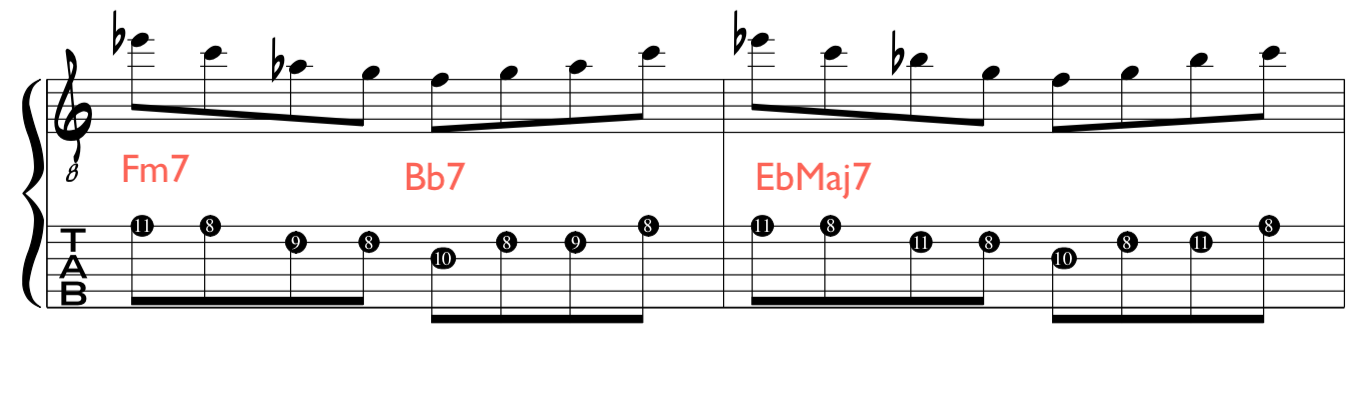
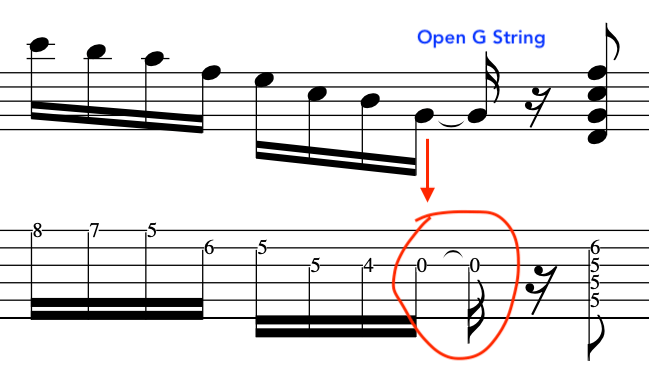
Although, there is octave displacement, there is also some basic scale parts to link it all together:

I am starting both of these scale fragments on an“Up” stroke with strict alternate picking once again:

fripp-guitar-scales-exercise-alternate-picking-guitar-technique

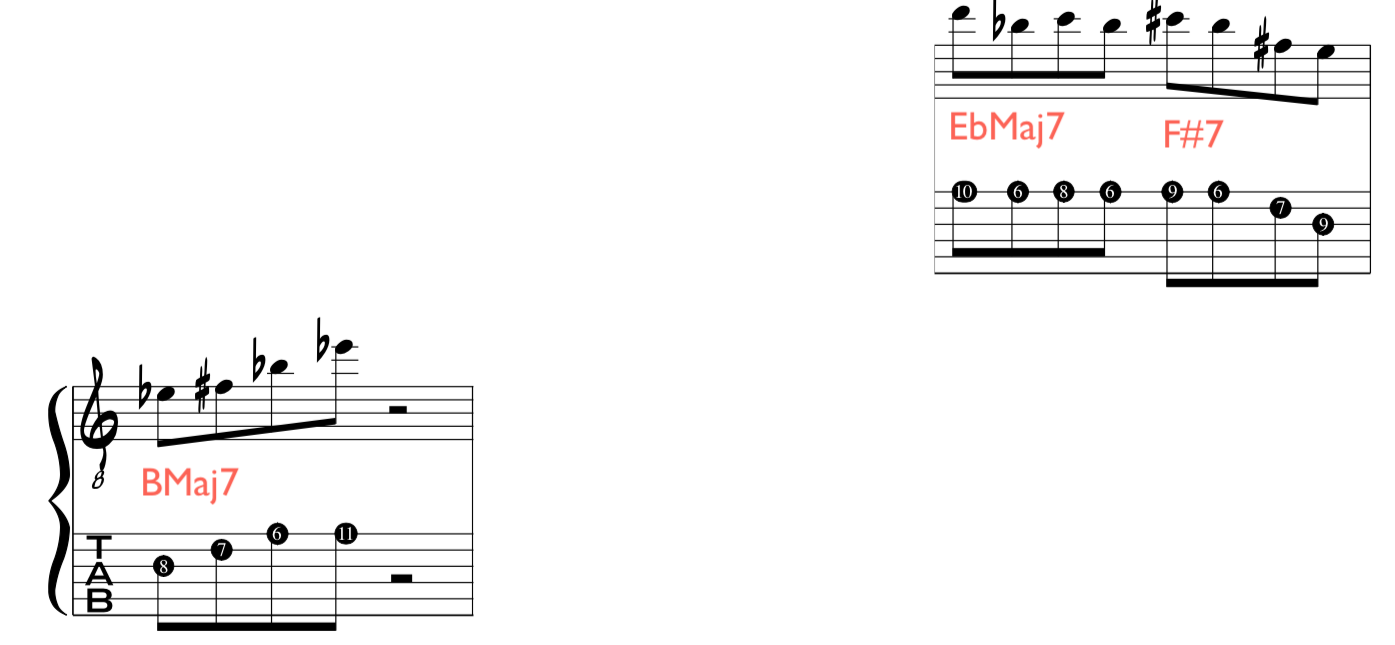
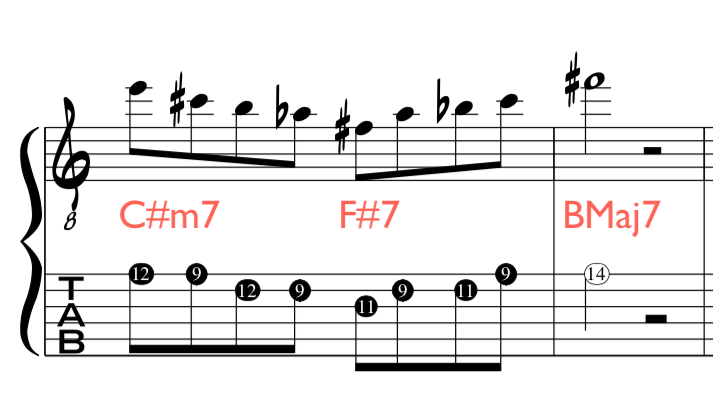
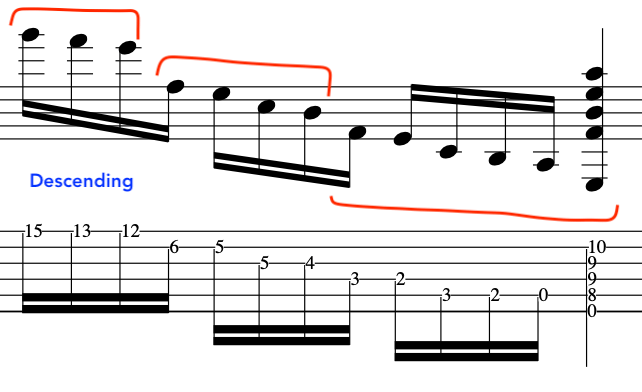
Also, the last part descends back into the chromatic scale to tie the [Composition] etude back together and give clarity to the ear, and let it know that we are still in an atonal chromatic form.

string-skipping-guitar-lesson-example
fripp-guitar-scales-exercise-alternate-picking-guitar-technique

How to play Shakti Indian Guitar Scales

Hi Guys,

Today, a quick look at the first of a few Shakti Indian guitar scales for tabla and guitar improvisation.

The first one that we will look at today is the A Mixolydian Mode exploited in a pentatonic form.

Here, is the basic scale ascending. The G natural gives the unique flavour and colour as it possesses the dominant sound, but, in a non resolving from.

how_to_play_shakti_indian_guitar_scales_lesson

In this first exercise we will descend with the A mixolydian mode and employ imitation with the pentatonic form.

This example exploits strict alternate picking guitar technique. And, it works really well for two reasons:

A] It start on an “Up stroke”

B] It starts in the bar and on the “Off” beat

This creates a nice, smooth phrasing and is easy to copy and repeat down the octave.

how_to_play_shakti_indian_guitar_scales_lesson

As you can see below, it is repeated, and copied down an octave starting on the upstroke and on the off beat:

how_to_play_shakti_indian_guitar_scales_lesson

Finally, a variation/implication of this is played, due to the guitar running out of notes to fully copy it.

how_to_play_shakti_indian_guitar_scales_lesson

In this next example we will vary what we have just played in the example above.

But,

with two differences,

A] We will start on a “Down” stroke

B] We will play “On” the beat.

how_to_play_shakti_indian_guitar_scales_lesson

As with the previous example, we will now imitate what we have just played and copy it exactly down an octave:

how_to_play_shakti_indian_guitar_scales_lesson

Here, is another form/fingering of the scale in descent: Notice that this is starting on an “Up” stroke.

how_to_play_shakti_indian_guitar_scales_lesson

And finally, an ascending form/sequence starting on a “Down” stroke.

how_to_play_shakti_indian_guitar_scales_lesson

Alternate Picking from Ascending 5’s

Hi Guys,

Today, a quick look at building from the “Ascending group of 5” with alternate picking guitar technique.

This group of 5 exploits the “Up” stroke. It works well as a tool for building longer and longer lines/phrases.

This is NOT shred and is really only for jazz, fusion and world-esque music like John McLaughlin’s super creative outlet Shakti. It is an improvisers tool.

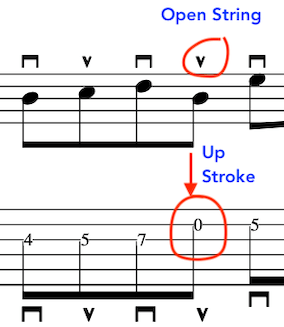
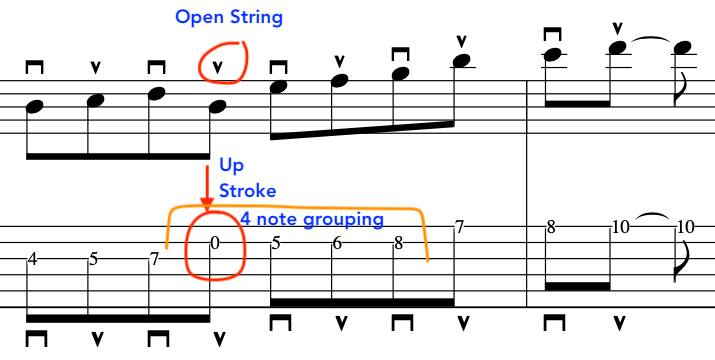
Here is an example of the 5 figure. It consists of an open string and starts on an upstroke.

This 4 note + 1 sets up the upstroke for the string cross.

alternate_picking_guitar_technique_example

Here’s how it would be as a tetrachord to the next beat. [As opposed to a quintuplet or Ta ka di mi Thom.

alternate_picking_guitar_technique_example

Let’s now build off of the ascending 5 figure.

In the example below, we can clearly see the extension from the 5’s to 7’s to two groups of 4 note tetrachords.

alternate_picking_guitar_technique_example

From here, we will add a Dom7th chord to the scale/phrase.

alternate_picking_guitar_technique_example

This sets us up nicely to descend smoothly starting on the upstroke.

alternate_picking_guitar_technique_example

Here, we will do exactly the same thing, except that this time we are moving from G7 to C Major. [Notice the open string and 5 figure extended].

alternate_picking_guitar_technique_example

Once again, the descent is on the upstroke.

alternate_picking_guitar_technique_example

FULL EXAMPLE:

alternate_picking_guitar_technique_example

Here, we see the process in action again. The line building from the 5 figure.

alternate_picking_guitar_technique_example

The descent starts on the upstroke as before, but, this time leads to a perfect V I cadence:

alternate_picking_guitar_technique_example

Here is a variation, but, this time in the key of A Major.

alternate_picking_guitar_technique_example

The same form of descent is employed that once again ends in a V I cadence.

alternate_picking_guitar_technique_example