Alternate Picking Guitar explained in detail-“The UP STROKE”
Please watch video above for detailed information
Hi Guys,
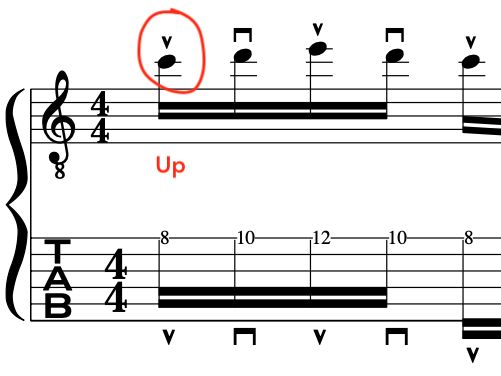
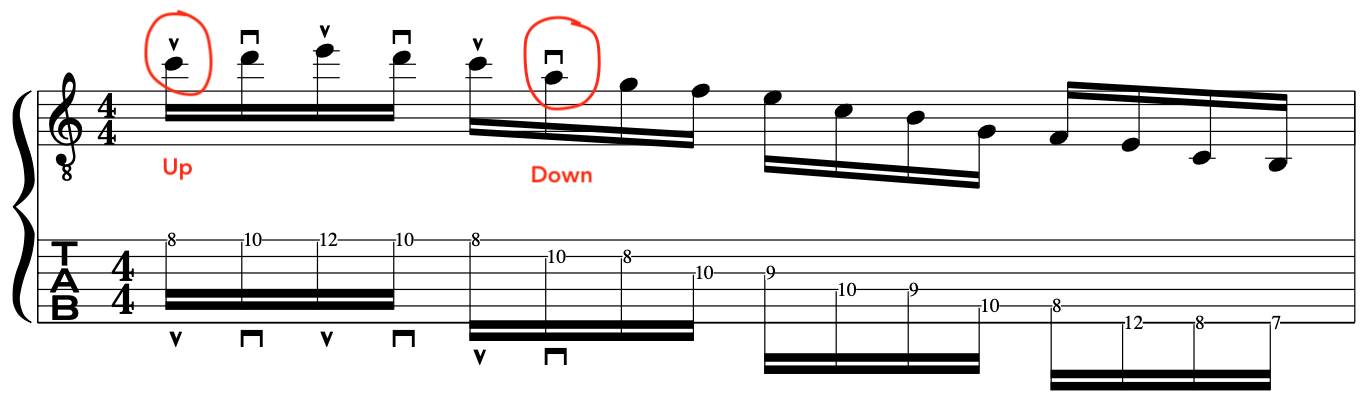
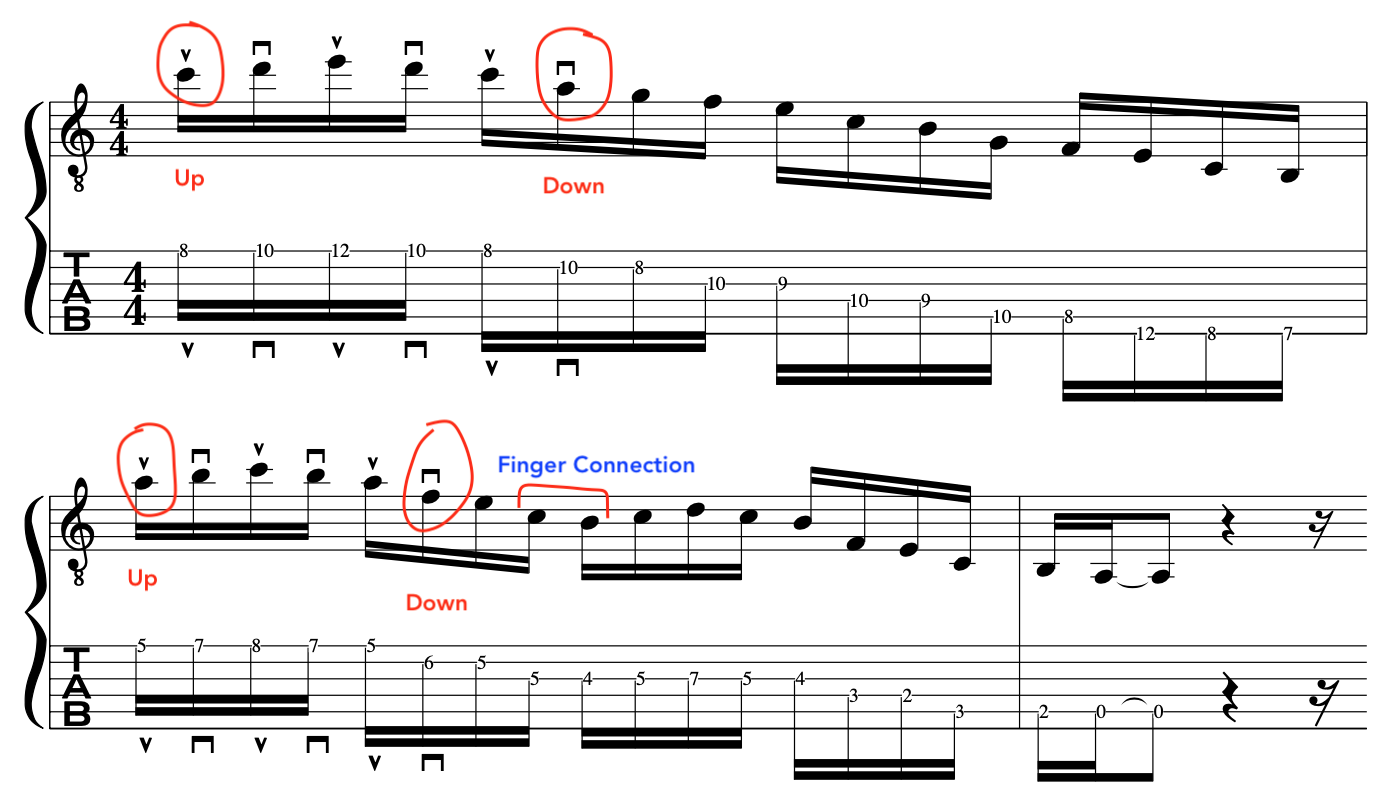
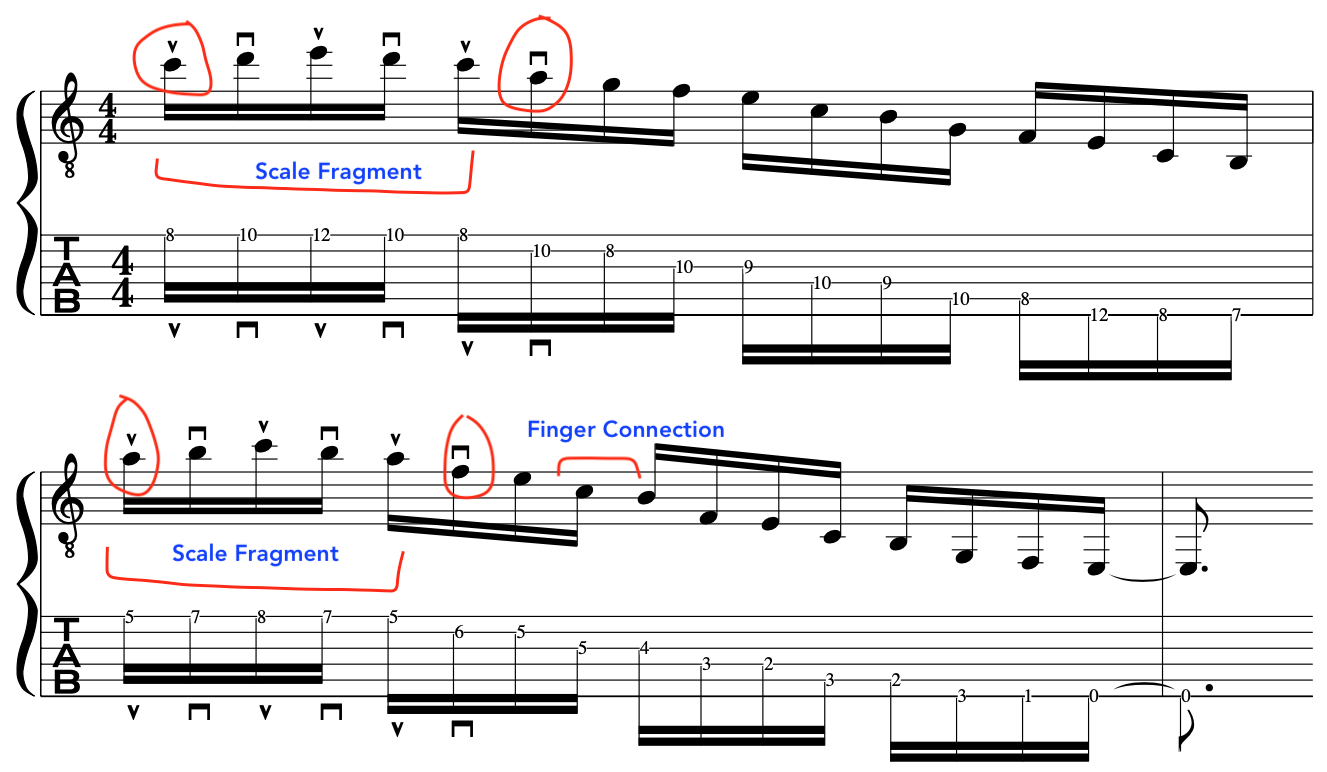
Today, just a short alternate picking guitar technique exercise starting on an “Upstroke”.
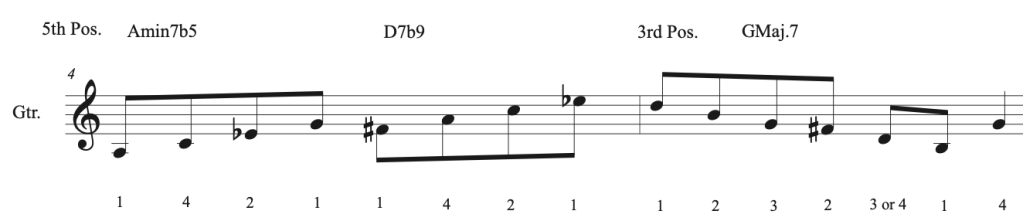
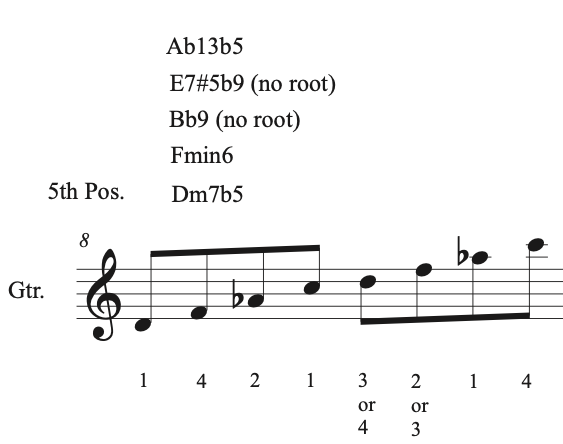
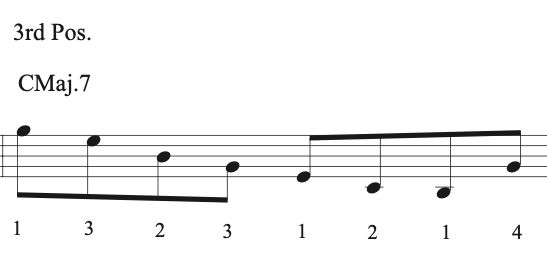
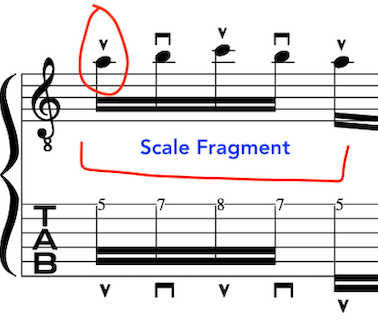
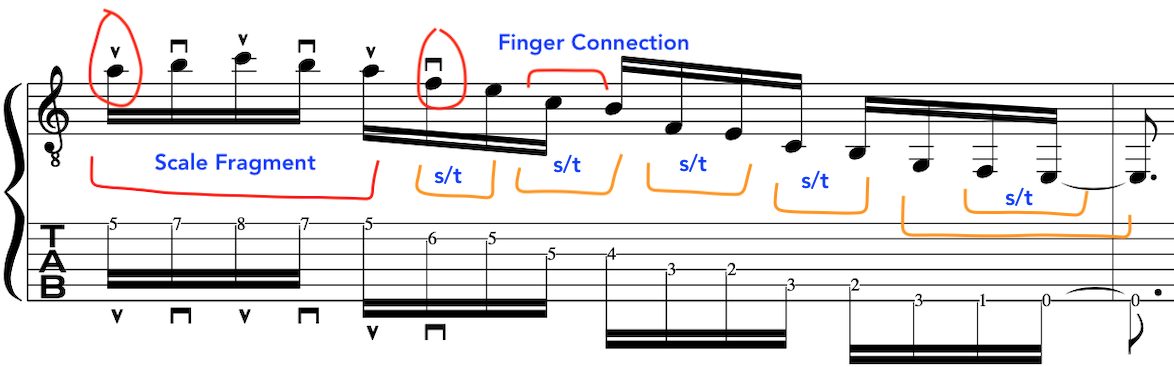
The first part of the exercise employs a scale fragment that starts on an upstroke .
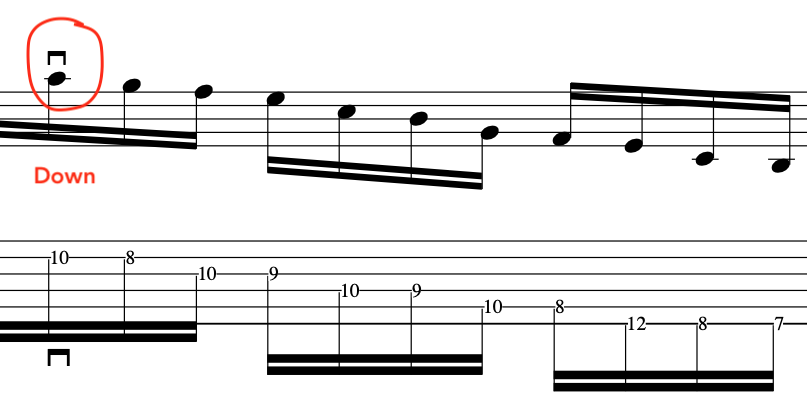
Although, this creates an odd grouping of 5 notes, it works really well because when you cross over the strings you will be starting on a “Down stroke”
This, also works well because this is a simple two finger pentatonic movement.
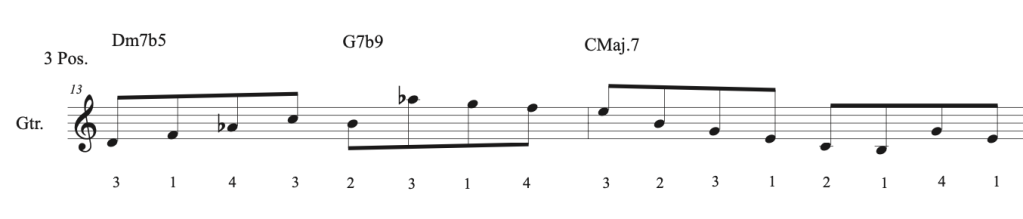
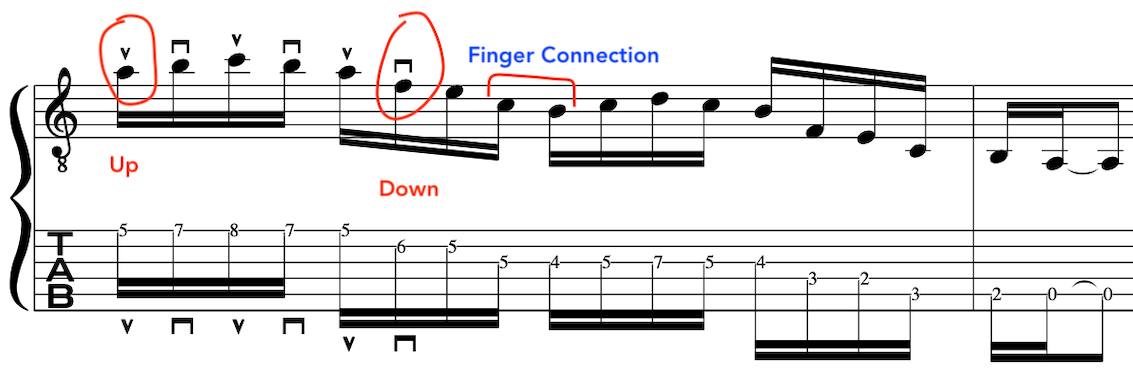
In the second bar we imitate the first part of the first bar by starting on the “Upstroke” again, creating another 5 note grouping,
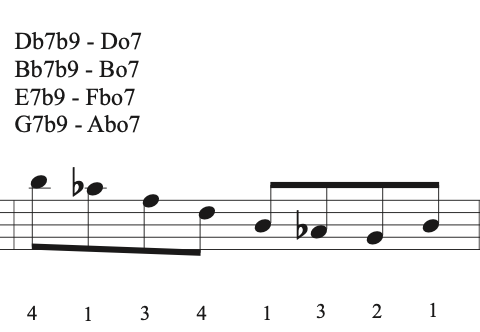
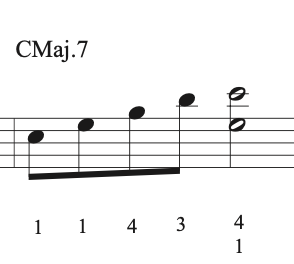
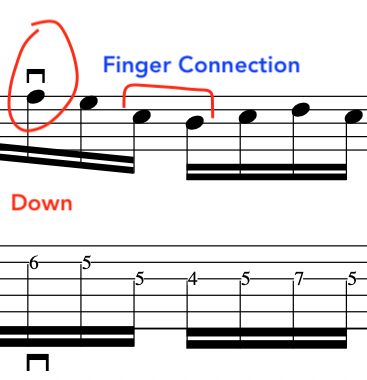
In the next part we start on the “Down stroke” again. Also, note the fingering as we cross the strings. This is a favourite of guitarist John McLaughlin. This is crossing with the 2nd finger.
Here is the 2nd bar in full,
FULL EXERCISE 1:
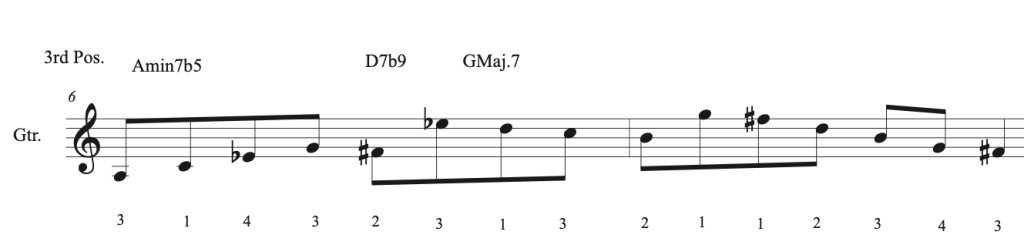
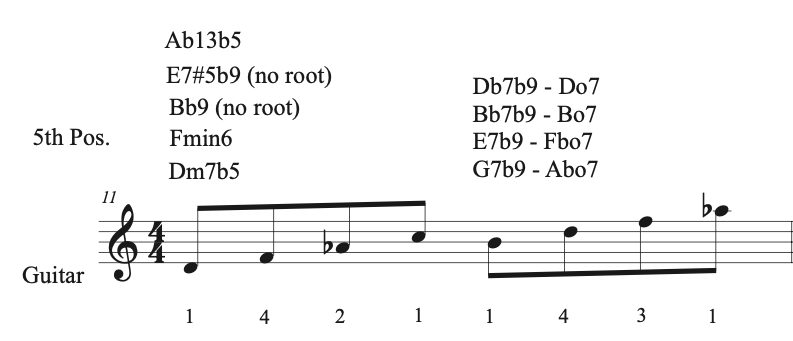
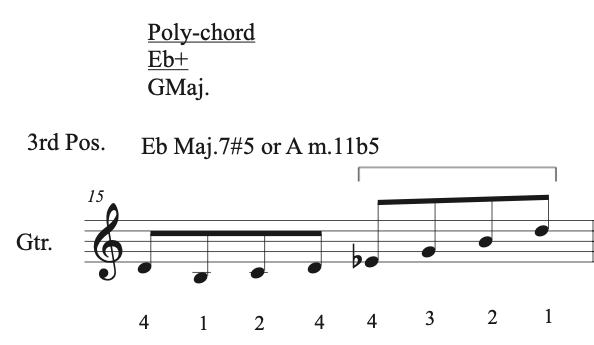
VARIATION IN THE SECOND BAR:
Here, is a variation for the second part of the exercise.
Note, the semitones and the crossing over with the second finger to easily cross the strings:
Polytonality: For Concerto/OrchestralWriting lesson
Please watch the video above for detailed analysis:
Hi Guys
Today, a quick look at composing with Polytonality for orchestral and concerto writing.
What is Polytonality?
Polytonality is the use of two or more keys at the same time:
Example 1:
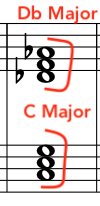
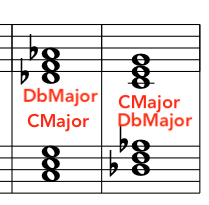
Db Major/C Major [Basic root position]
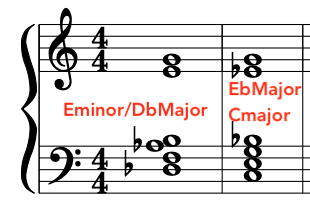
In this first example we have 4 bars of Polytonality with Eminor/DbMajor and EbMajor/CMajor
This then resolves itself with a “Tonal” diatonic cadence of B7/D# to Em:
This method is really useful because we can use the polytonal approach sparingly with it’s thicker and richer harmonic texture whilst then then playing its opposite it with the thinner aspect of diatonicism.
This way the Polytonal nature of the music compliments the diatonic cadences and visa versa.
Example 2:
Polytonality-Orchestral Example
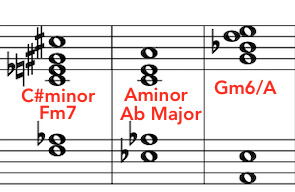
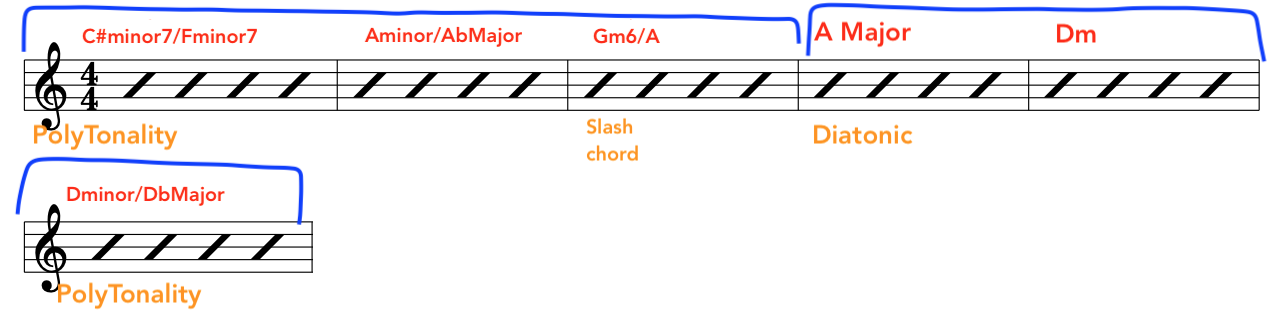
This example explores “Implication”. In this case it is implying the melodic minor but avoiding the cliche by employing the richness of Polytonality:
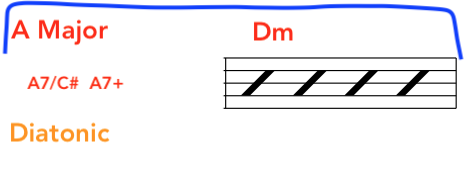
From here, we will again employ diatonic harmony for a cadence.
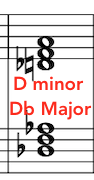
To complete this short orchestral example we will go back into Polytonality with another melodic minor implication by employing Dminor/DbMajor:
Here is the chart:
Example 3:
Polytonality-Orchestral Example
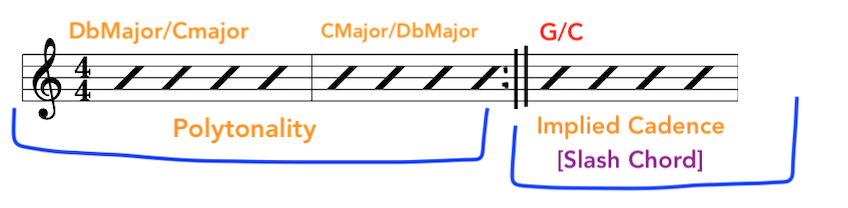
In this final example we will just “Reverse” the chords. This time it is DbMajor/Cmajor which is then played the other way around with CMajor/DbMajor.
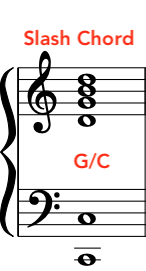
finally, we will employ a slash chord for an “Implied” cadence: This will also lighten the harmony: