Please watch the video above for detailed analysis:
Hi Guys
Today, a quick look at composing with Polytonality for orchestral and concerto writing.
What is Polytonality?
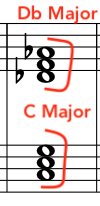
Polytonality is the use of two or more keys at the same time:
Example 1:
Db Major/C Major [Basic root position]
In this first example we have 4 bars of Polytonality with Eminor/DbMajor and EbMajor/CMajor
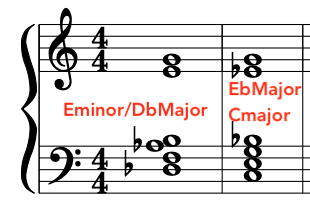
This then resolves itself with a “Tonal” diatonic cadence of B7/D# to Em:

This method is really useful because we can use the polytonal approach sparingly with it’s thicker and richer harmonic texture whilst then then playing its opposite it with the thinner aspect of diatonicism.
This way the Polytonal nature of the music compliments the diatonic cadences and visa versa.
Example 2:
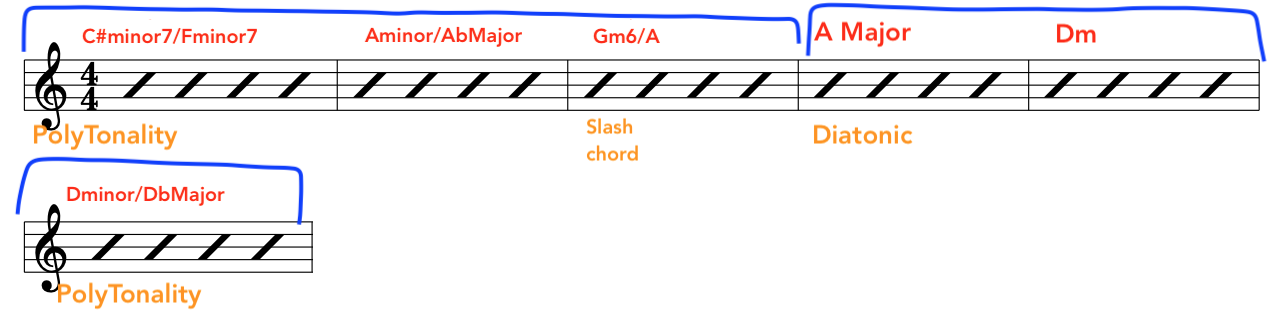
This example explores “Implication”. In this case it is implying the melodic minor but avoiding the cliche by employing the richness of Polytonality:
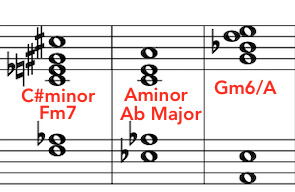
From here, we will again employ diatonic harmony for a cadence.
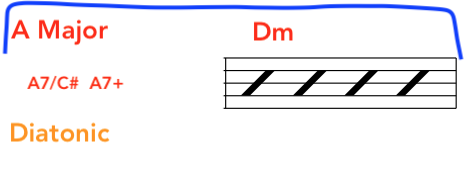
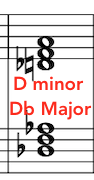
To complete this short orchestral example we will go back into Polytonality with another melodic minor implication by employing Dminor/DbMajor:
Here is the chart:
Example 3:
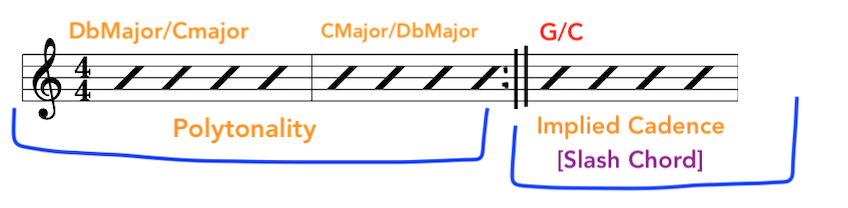
In this final example we will just “Reverse” the chords. This time it is DbMajor/Cmajor which is then played the other way around with CMajor/DbMajor.
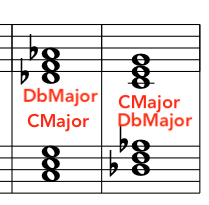
finally, we will employ a slash chord for an “Implied” cadence: This will also lighten the harmony:
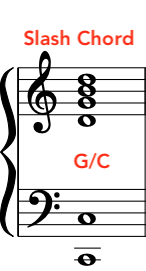
Here is the Chart:
FREE PDF DOWNLOAD:
IF THIS LESSON WAS OF USE TO YOU THEN PLEASE SUBSCRIBE TO US BELOW ON YOUTUBE, THANKS!