Schoenberg’s chord of the 15th-Music Examples and Analysis

Hi Guys,

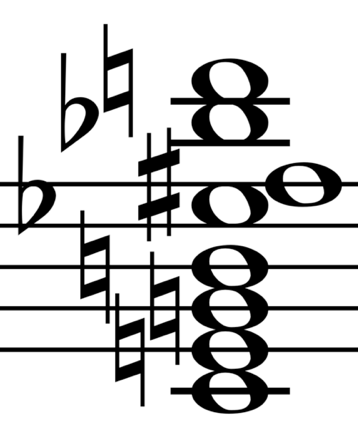
Today, a look at the final chord of Arnold Schoenberg’s “Sechs Kleine Klavierstucke” 2nd movement.  In thirds this reads as: C–E–G–B–D♯–F♯–A♯–Cx.

schoenberg_chord_music_analysis_extended_15th_in_music

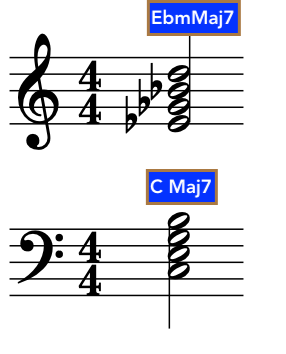
This extended chord of a 15th, can also be viewed and heard as a bi-tonal construction of C Major 7th with Eb minorMajor 7th superimposed on top

schoenberg_chord_music_analysis_extended_15th_in_music

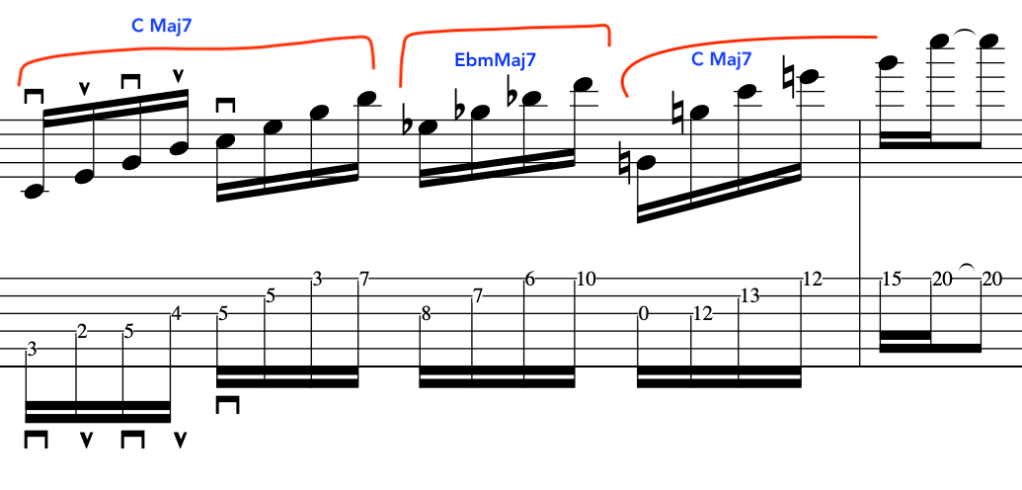
This can also, be thought of [especially in terms of the guitar] as an arpeggio of CMaj7 and an Arpeggio of EbmMaj7.
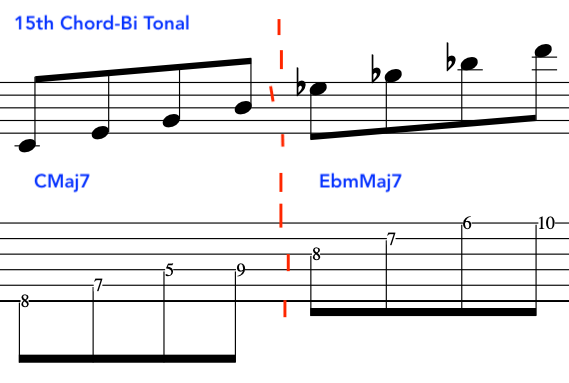
schoenberg_chord_music_analysis_explained_15th_in_music

Due, to the nature of its sound and collection of notes, it can produce some interesting counterpoint. Especially, as the Eb to E natural resolution creates colour and drama. [view video at top of page].
schoenberg_chord_music_analysis_extended_15th_in_music_guitar

Being, a Bi-Tonal chord it is useful as it gives us triad pairs.
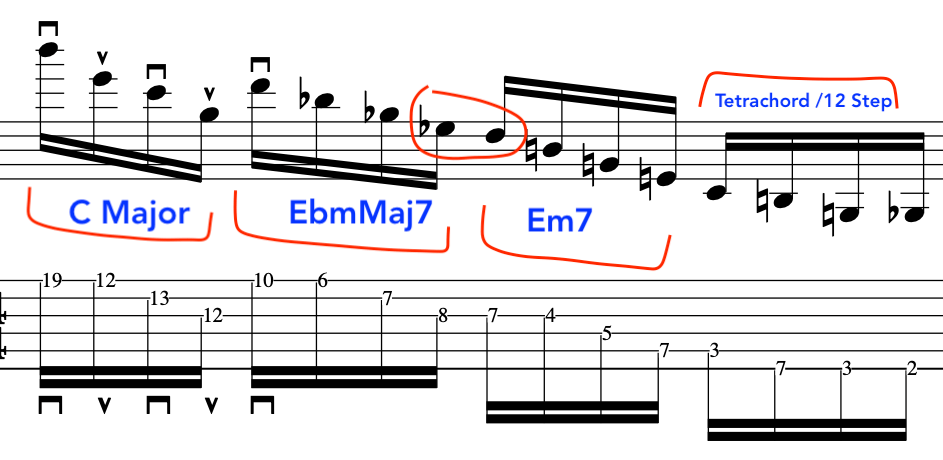
schoenberg_chord_music_analysis_extended_15th_in_music_guitar

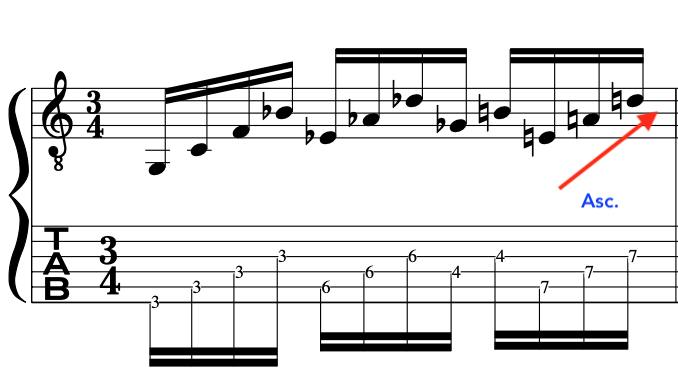
Ascending Line:

schoenberg_chord_music_analysis_chord_pairs_guitar

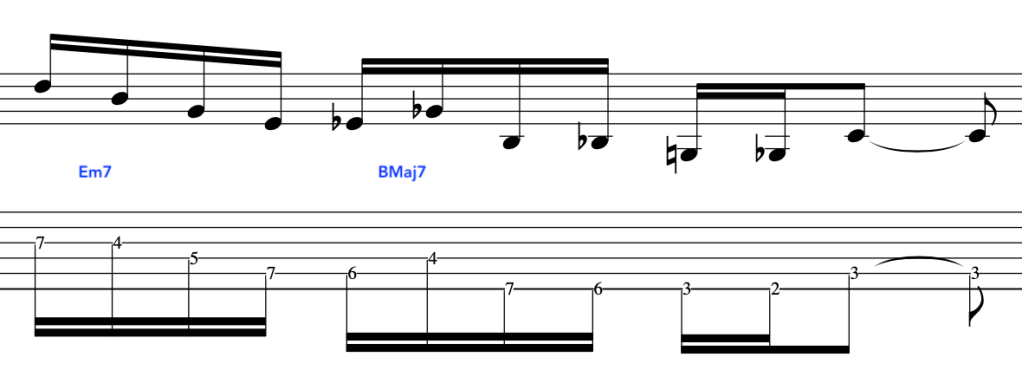
Now, we will take this a stage further by adding more chords/triads available.

D+ to C to EbmMaj7 to CmMaj7 to Em7 to Bmaj7
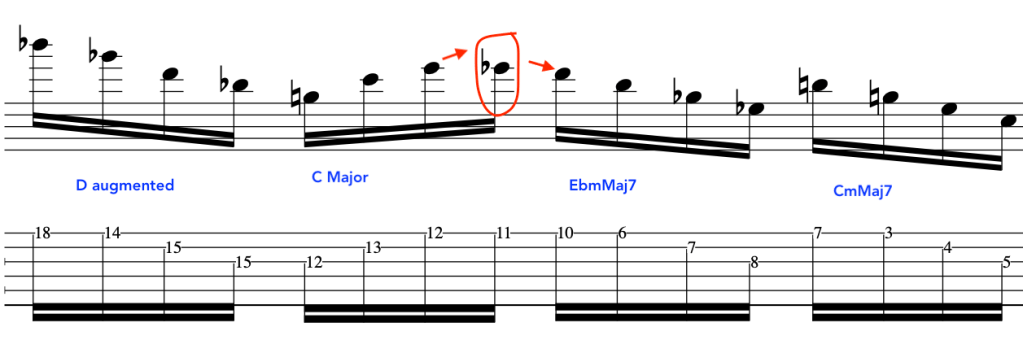
schoenberg_chord_music_analysis_chord_pairs

Let’s now, re voice the chord. Here we will make the chord of C a minMaj7 and add D Augmented [9th] on top.
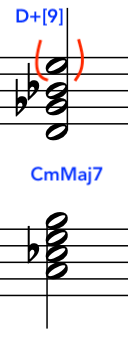
schoenberg_chord_music_analysis_extended_15th_in_music

In the video/audio [a quick demo I created] below, we can hear the dramatic sound of this voicing in the orchestra.

Next, we have two guitar voicing’s. Firstly we have a Bsus/C [or plain B/C] as a typical McLaughlin guitar voicing.
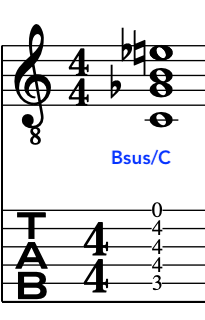
schoenberg_chord_music_analysis_extended_15th_in_music_mclaughlin_guitar

Secondly, we have the same voicing but with a changing bass.
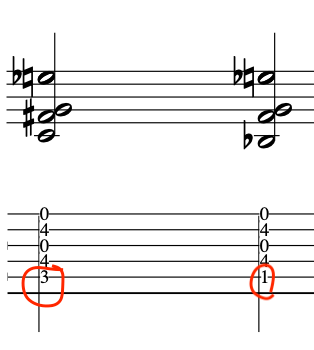
schoenberg_chord_music_analysis_extended_15th_in_music_guitar

Lastly, another guitar voicing that is useful for chordal picking:
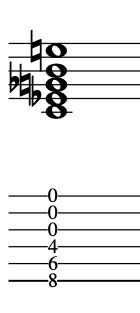
schoenberg_chord_music_analysis_extended_15th_in_music_guitar

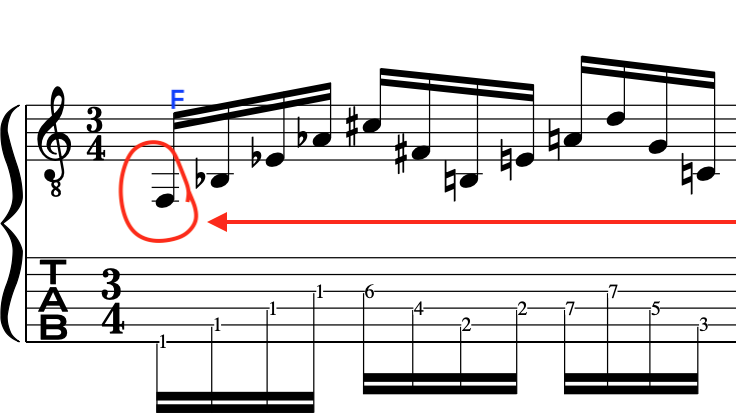
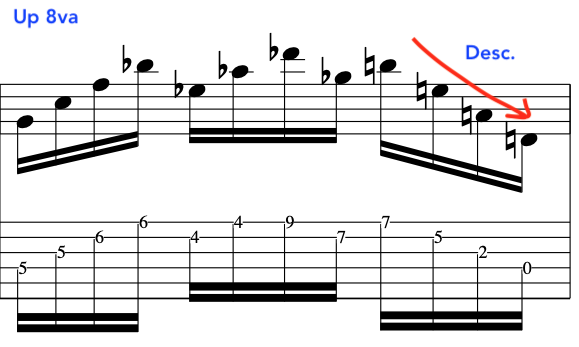
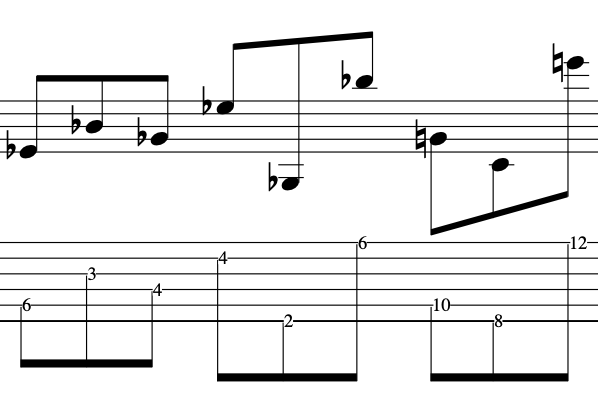
From here, we will add a partial scale descending that is formed from the chord: This chord voicing has a flattened 5th and a sharpened 9th.
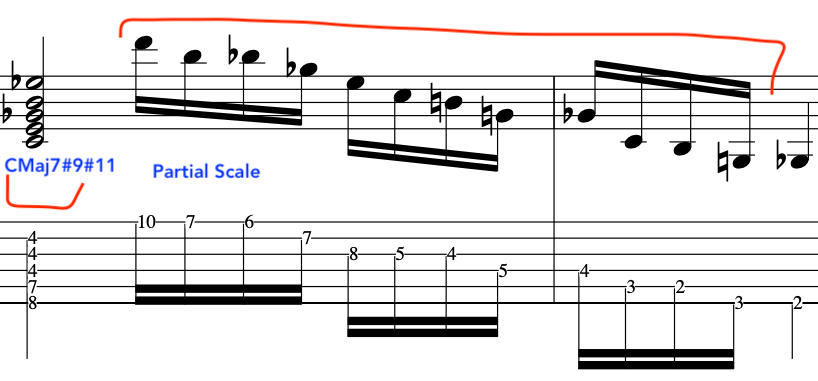
schoenberg_chord_music_analysis_extended_15th_in_music_guitar

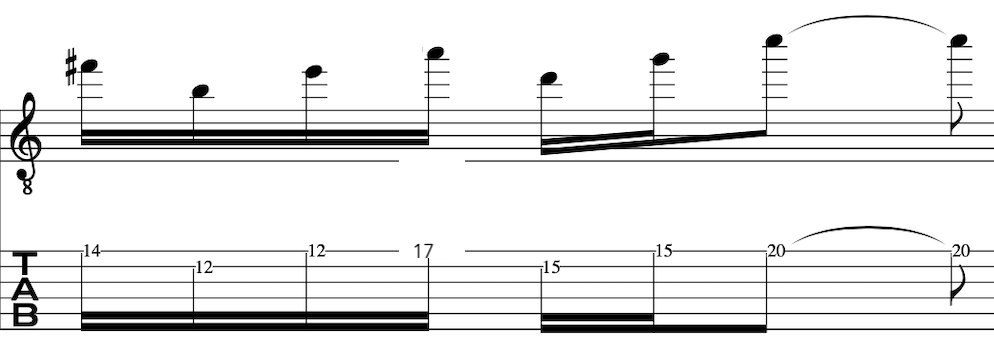
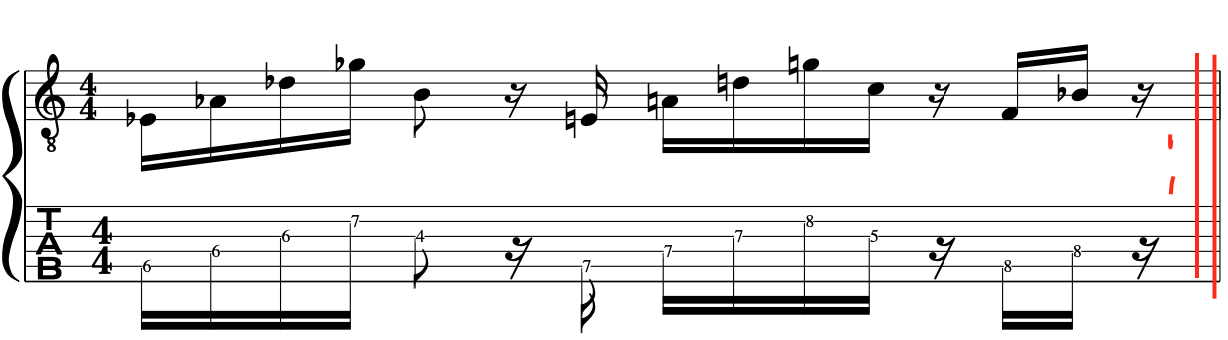
Lastly, we can create some interesting and colourful passages by exploiting the intervals inherent within this 15th chord.

schoenberg_chord_music_analysis_extended_15th_in_music_intervals

Arnold_Schoenberg's_chord-of-the 15th_analysis_music_theory

Polytonality:For Concerto/Orchestral Writing

Modern Jazz Fusion Chords part 2. Steely Dan, Dan Chord and Slash Chords

CLICK SUBSCRIBE!

Polytonality: For Concerto/OrchestralWriting lesson

Hi Guys

Today, a quick look at composing with Polytonality for orchestral and concerto writing.

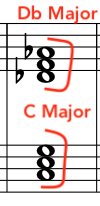
Polytonality is the use of two or more keys at the same time:

poly-tonality-orchestral-composing-chords-example

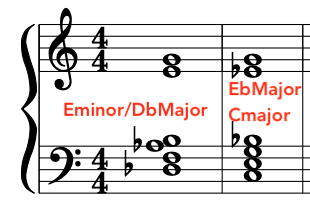
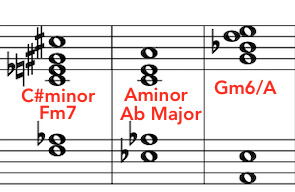
In this first example we have 4 bars of Polytonality with Eminor/DbMajor and EbMajor/CMajor

poly-tonality-orchestral-composing-chords-example

This then resolves itself with a “Tonal” diatonic cadence of B7/D# to Em:

Polytonality-Orchestral Example

This example explores “Implication”. In this case it is implying the melodic minor but avoiding the cliche by employing the richness of Polytonality:

polytonality-orchestral-composing-chords-example

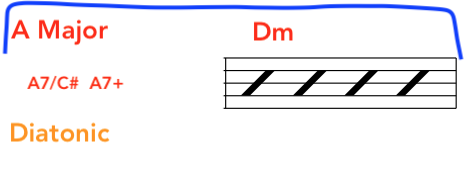
From here, we will again employ diatonic harmony for a cadence.

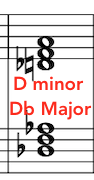
To complete this short orchestral example we will go back into Polytonality with another melodic minor implication by employing Dminor/DbMajor:

polytonality-orchestral-composing-chords-example

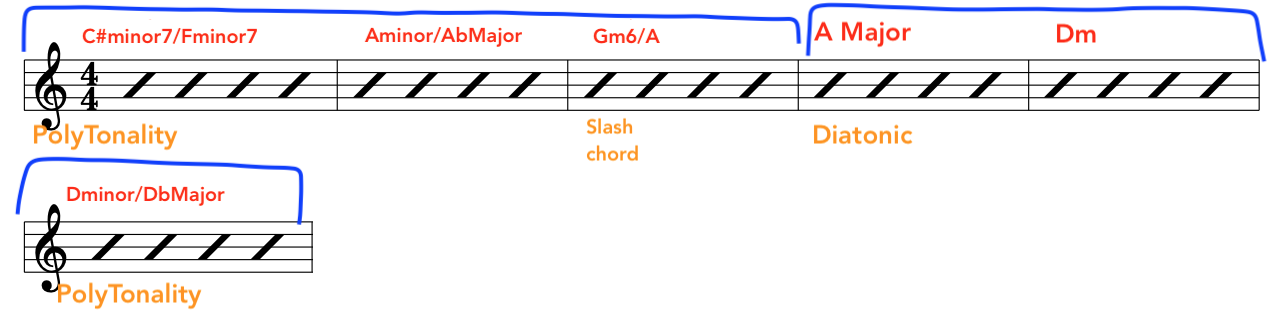
Here is the chart:

poly-tonality-orchestral-composing-example

Polytonality-Orchestral Example

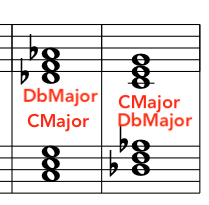
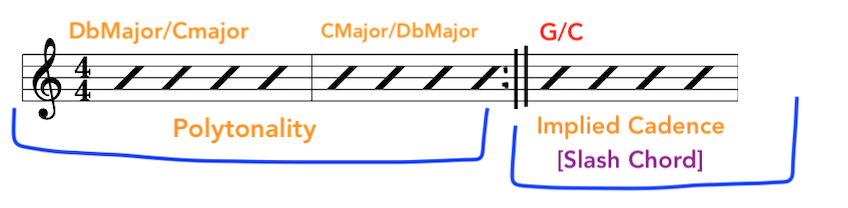
In this final example we will just “Reverse” the chords. This time it is DbMajor/Cmajor which is then played the other way around with CMajor/DbMajor.

polytonality-orchestral-composing-chords-example

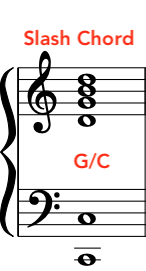
finally, we will employ a slash chord for an “Implied” cadence: This will also lighten the harmony:

Here is the Chart:

polytonality-orchestral-composing-example

FREE PDF DOWNLOAD:

Modern Jazz Fusion Chords part 2. Steely Dan, Dan Chord and Slash Chords

12 tone jazz/fusion 20c classical quartal/quintal lines

CLICK SUBSCRIBE!

12 Tone Jazz/Fusion Quartal/Quintal improvising and composing concepts

Hi Guys,

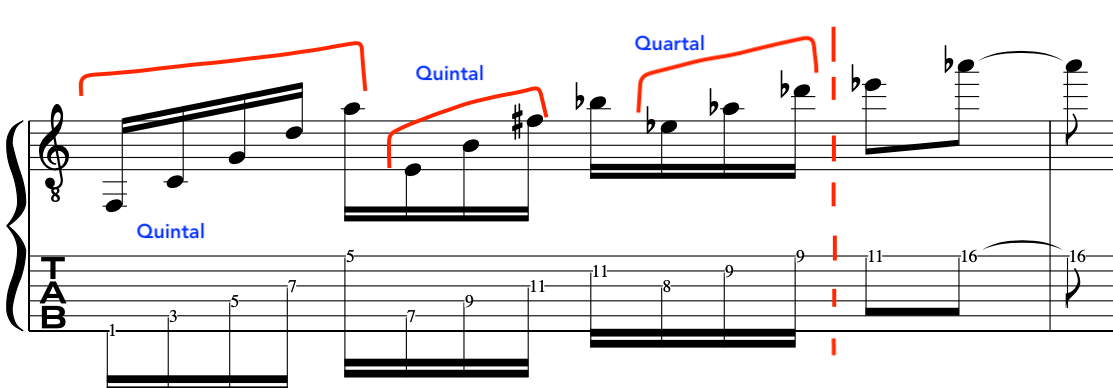
Today, a look at employing 12 tone rows for Quartal and Quintal improvising and composing.

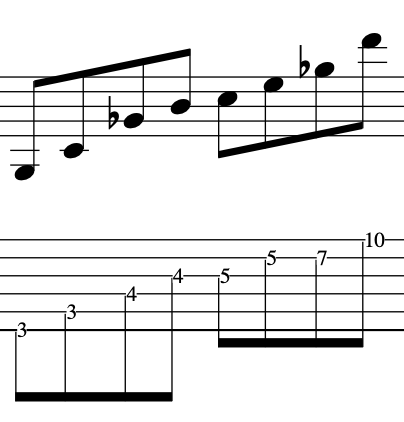
Here is the first row: Notice the movement of 5ths and 4ths.

12-tone-jazz-fusion-rows

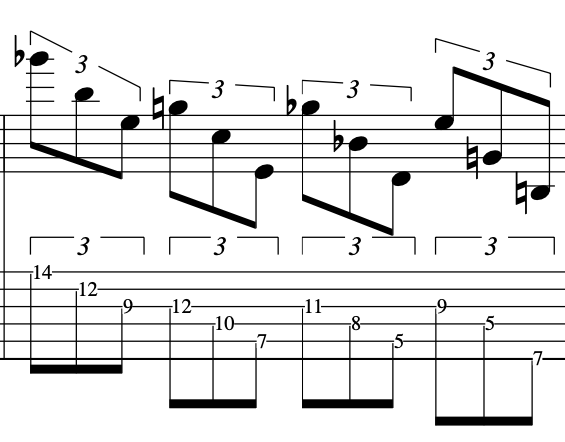
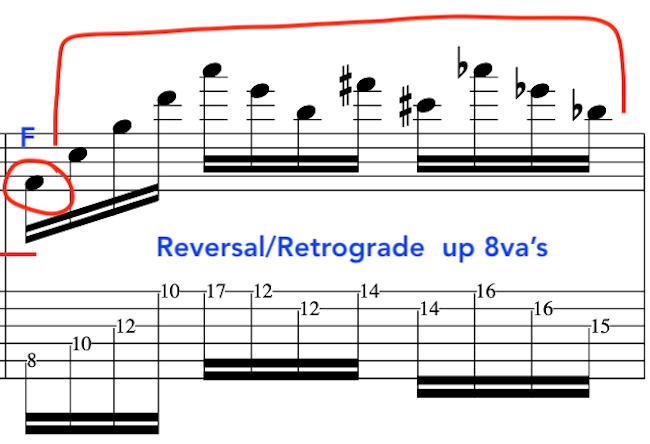
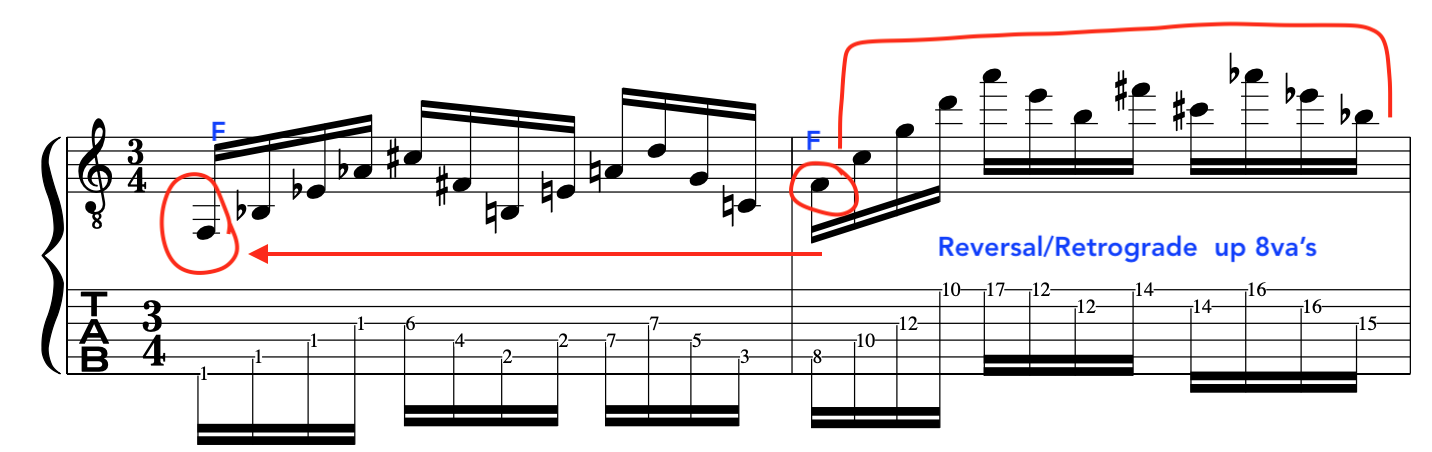
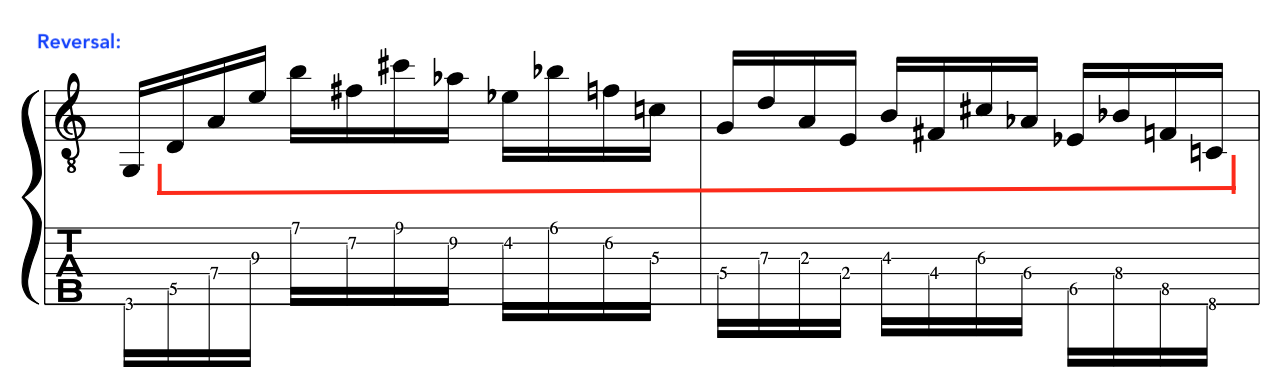
Now, we will play it backwards with retrograde motion or reversal: Also, notice the use of changing register.

12-tone-jazz-fusion-rows

Full 2 bars:

12-tone-jazz-fusion-rows

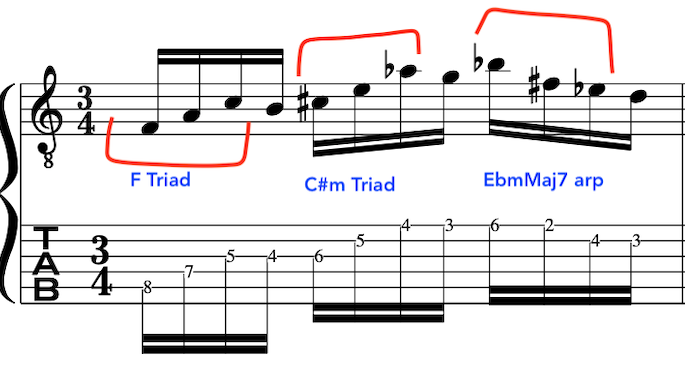
In this next example we will employ Triadic movement and semitone connections.

12-tone-jazz-fusion-rows-triads

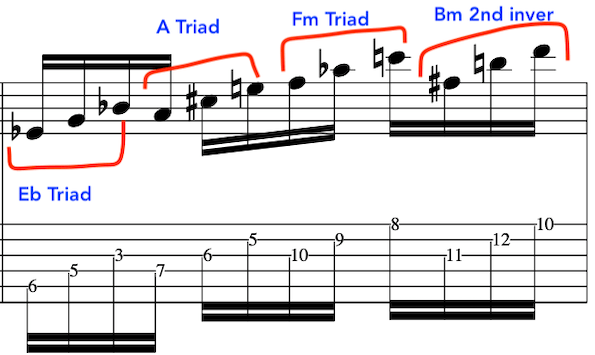
In the following part we connect triads directly:

12-tone-jazz-fusion-rows-triads

Finally, we will add some non 12 tone notes to complete the phrase:

12-tone-jazz-fusion-rows

From here we will exploit the tone row and make 4 bars of music from it: Here is the 12 tone row:

12-tone-jazz-fusion-rows

We will now copy it and change register: Notice that the last four notes descend:

12-tone-jazz-fusion-rows

Now, that we have this we will reverse both bars and create another 2 bars of music:

12-tone-jazz-fusion-rows

Lastly we will join together 2 different rows: We will break these up a bit with the first part acting more like a vamp:

12-tone-jazz-fusion-rows

The second part employs quintal and quuartal movement once again:

12-tone-jazz-fusion-rows

PDF DOWNLOAD: