Please watch video above for detailed info:
Hi Guys,
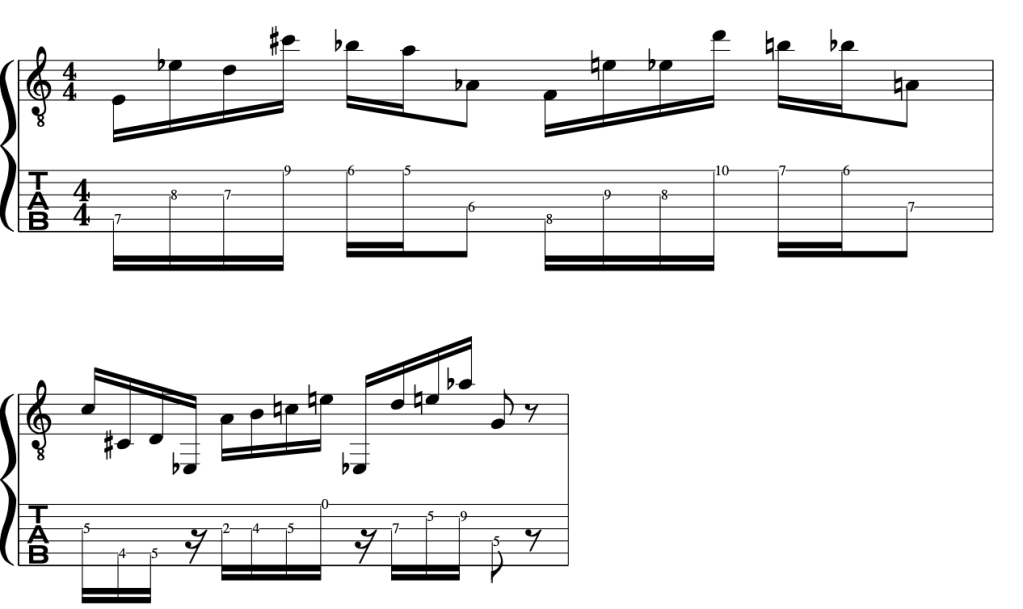
Today, a look at Messiaen’s mode 5 and 6 as a musical analysis and as compositional and improvisational music techniques.
PART 1 Mode 5:
Messiaen’s 5th Mode [of limited transposition] is well known for its semitones, two major 3rds and its tritone possibilities.
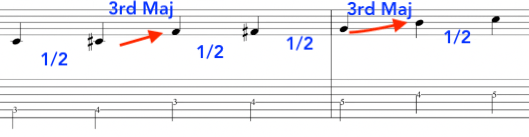
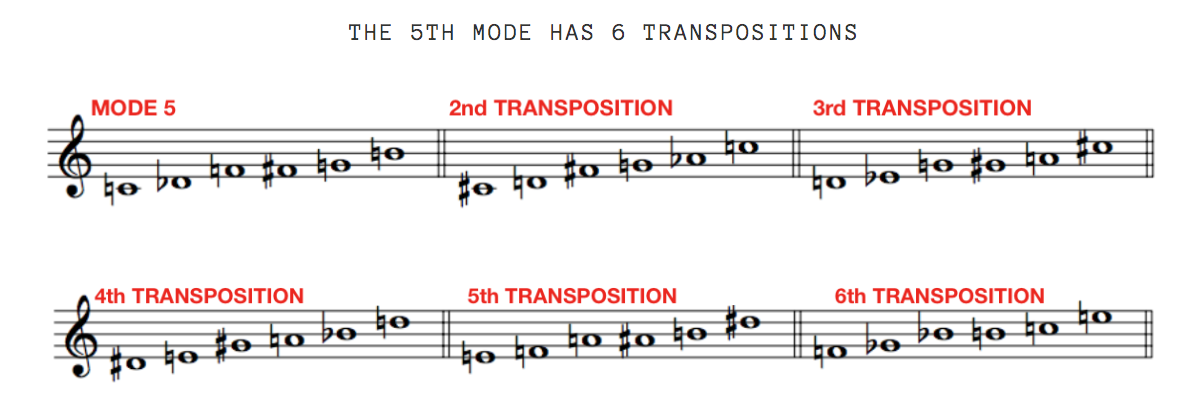
TRANSPOSITIONS:
Messiaen’s 5th mode for our Examples:
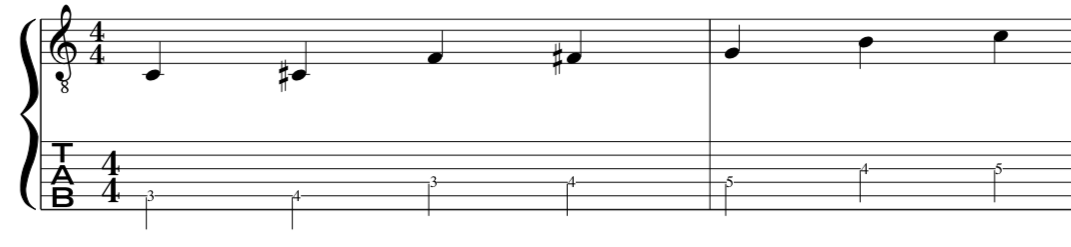
Messiaen’s 5th Mode Extended
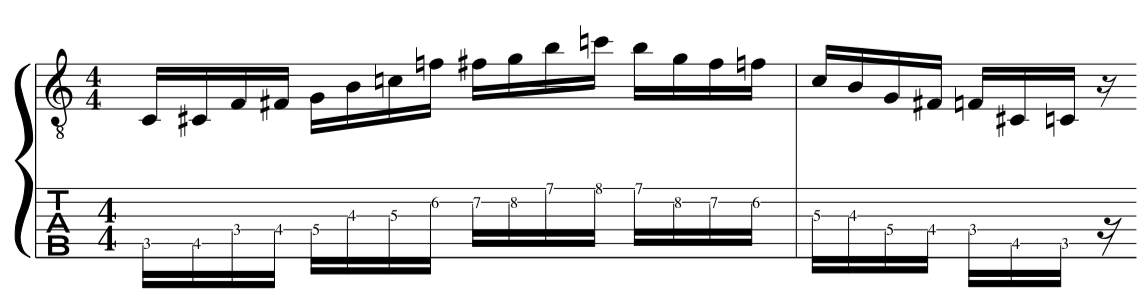
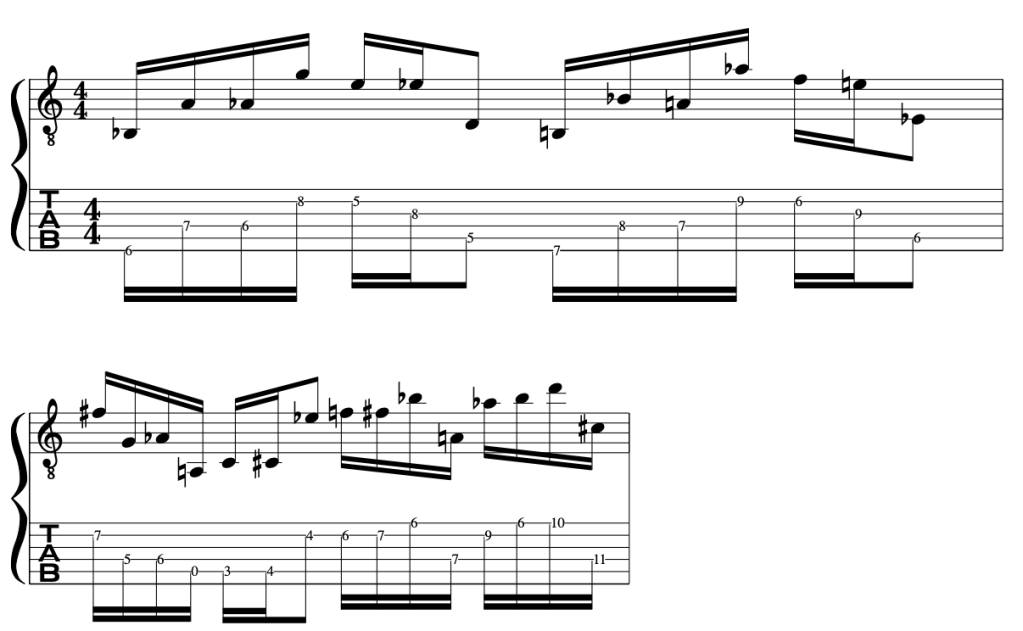
Making Scale runs: Messiaen mode 5:
Descending
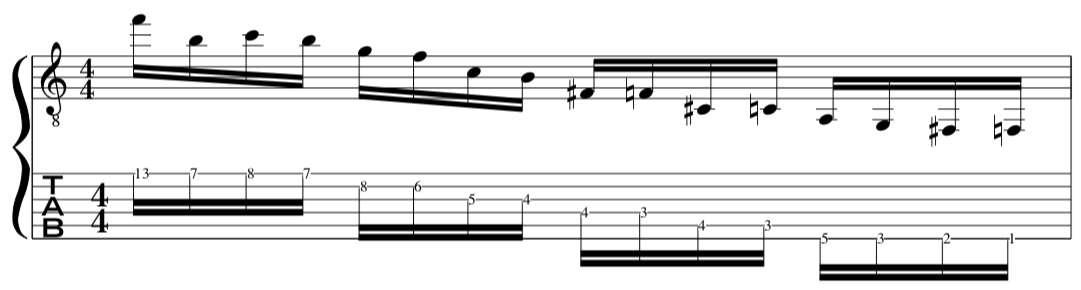
Ascending
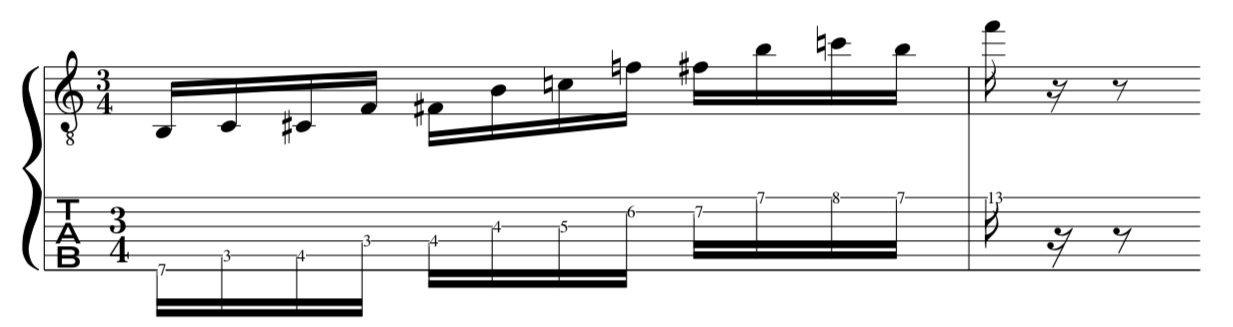
The next concept that works really well at the guitar is to employ chordal picking technique.
Most of these are based around the “Down Down Up” picking pattern.
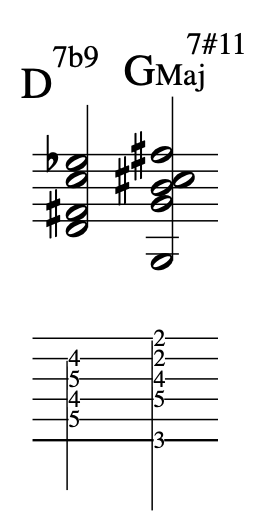
Notice the use of Tritones.
Picking pattern = “Down Down Up”
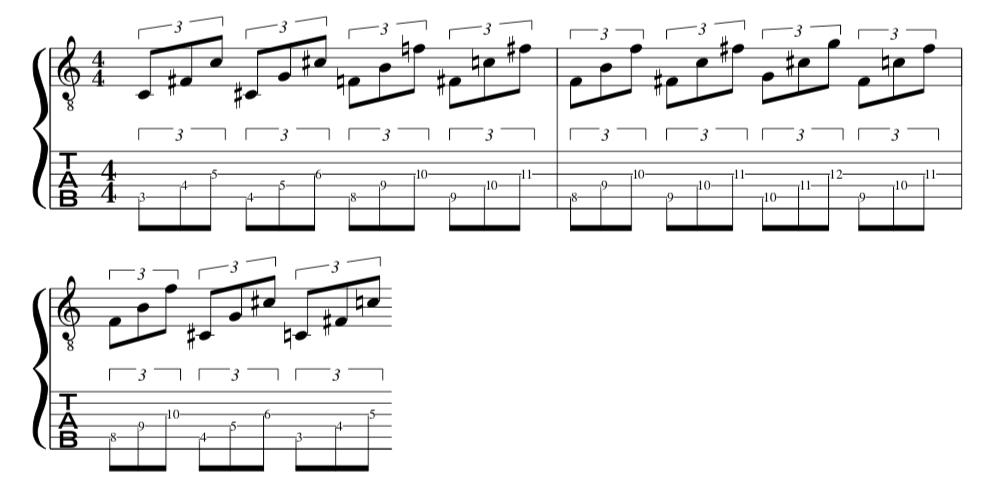
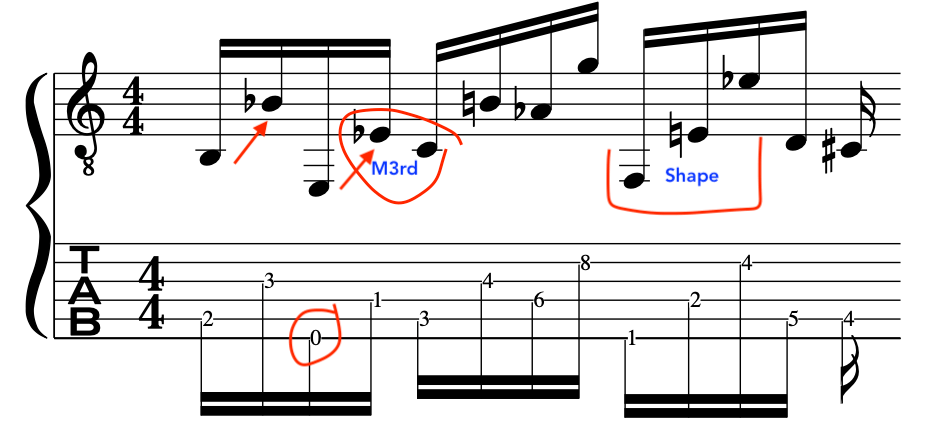
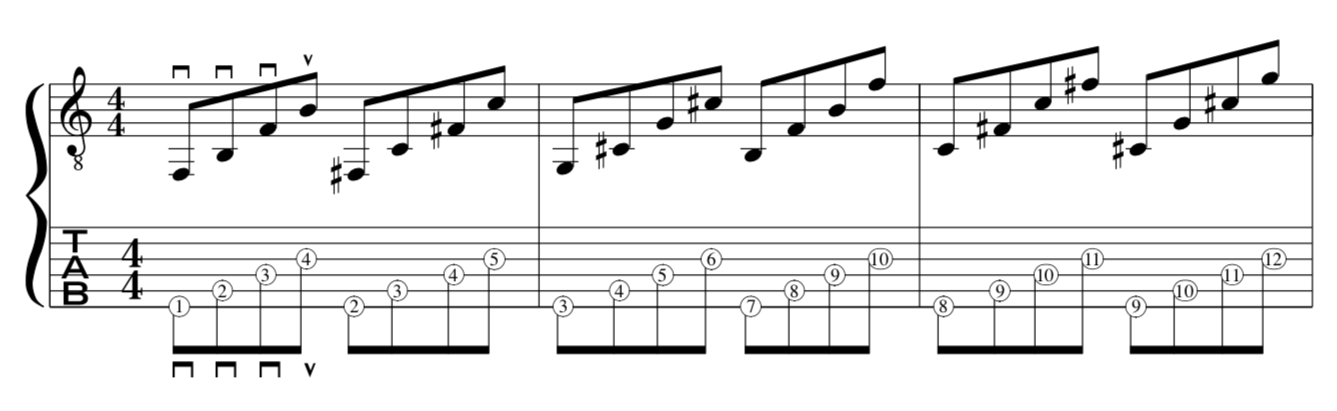
Cross Picking/ Chordal Picking: With an open G string.
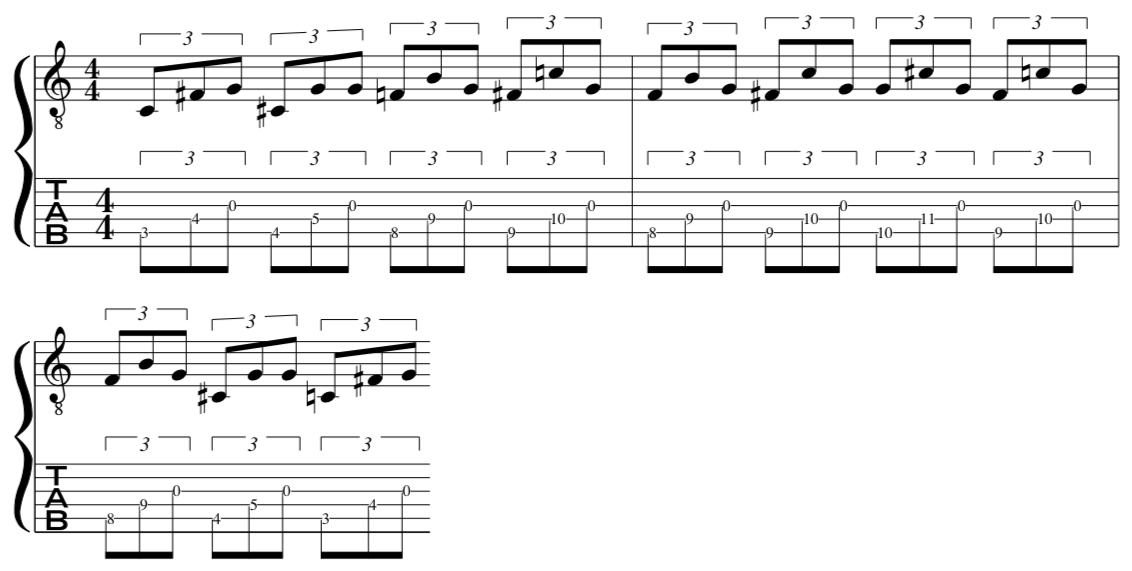
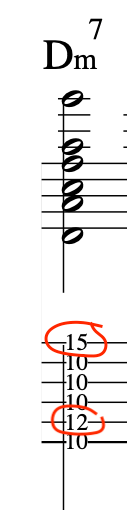
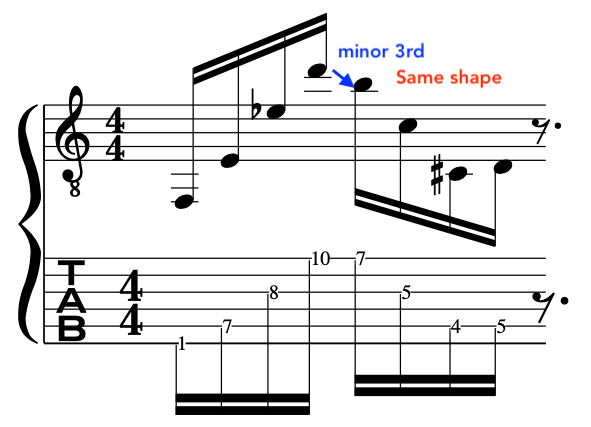
Messiaen 5th Mode: Scale to chord Imitation device.
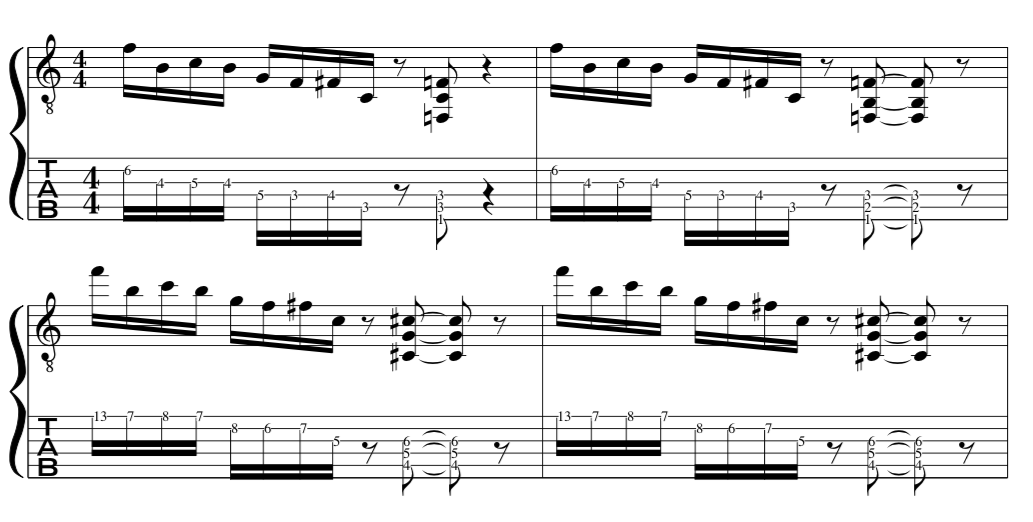
Messiaen 5th mode: 3 octave scale imitation descending line
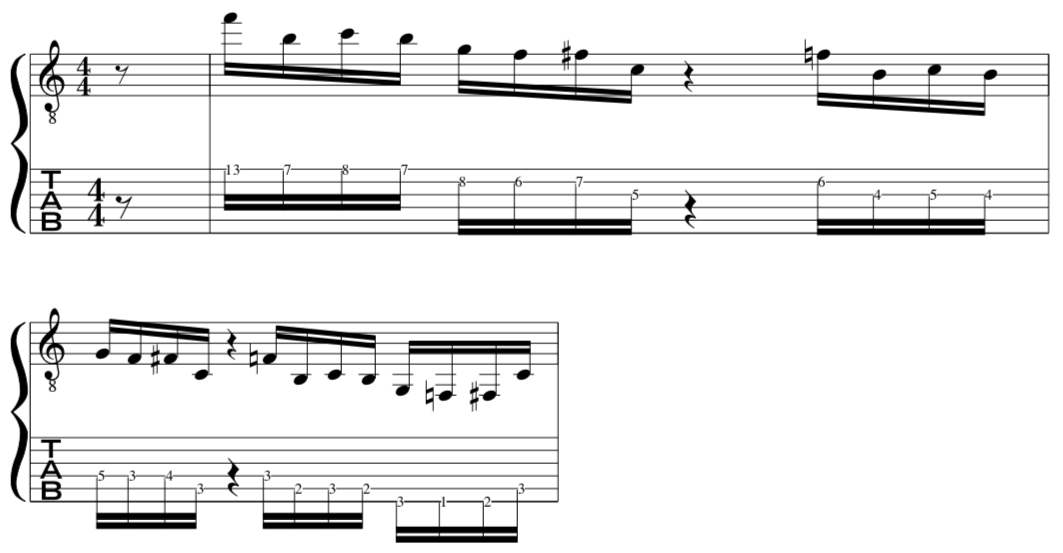
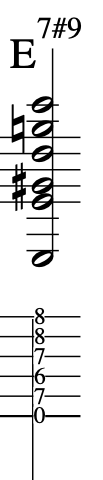
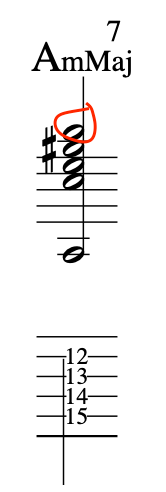
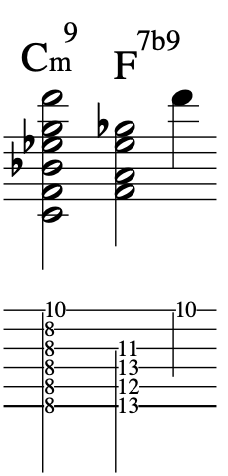
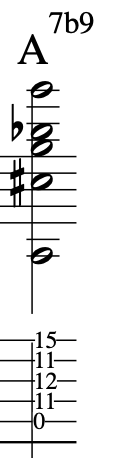
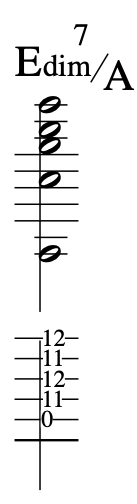
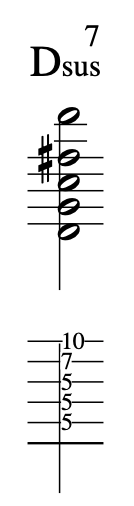
Cross Picking part 2: Using 4 note tritone chords.
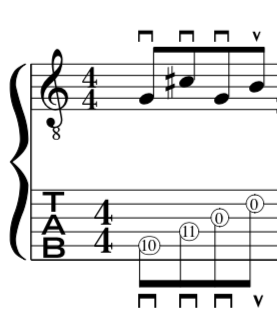
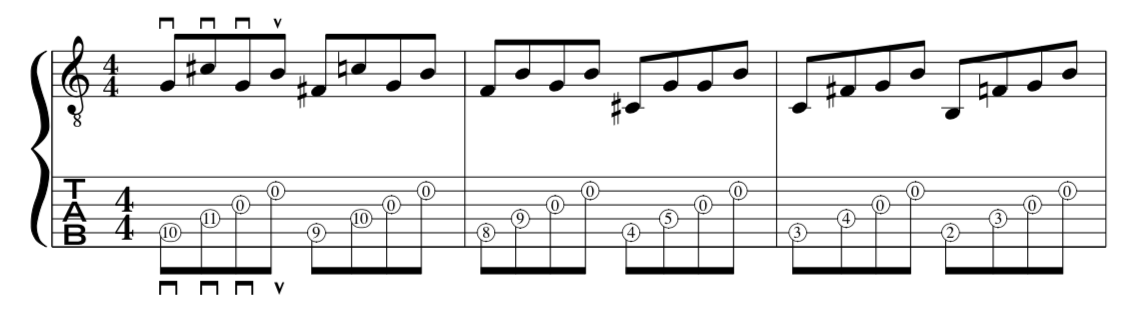
Picking pattern =”Down Down Down Up” Cross
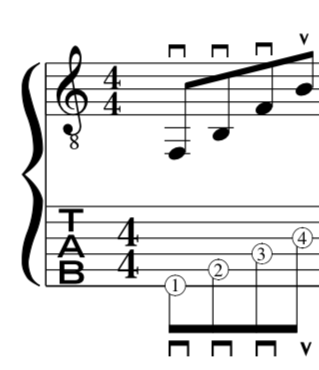
Notice the two open strings :
PART 2 MESSIAEN MODE 6
Messiaen mode 6 as used for this presentation.
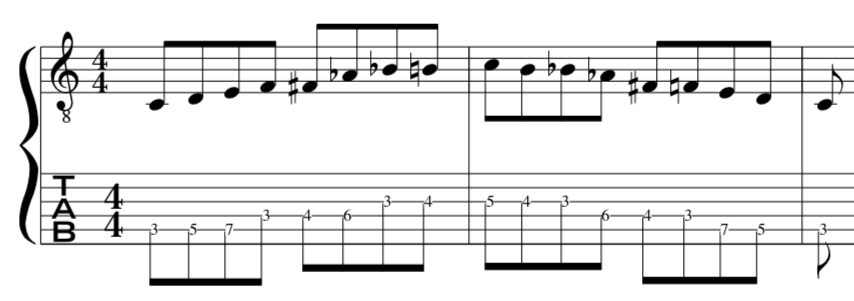
MODE 6 TRANSPOSITIONS:
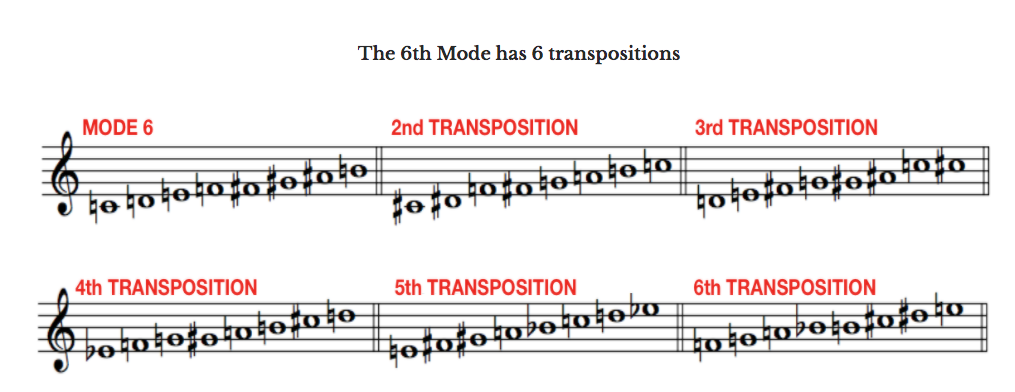
Messiaen’s 6th mode is great for manipulating “Diminished” and “Augmented” intervals.
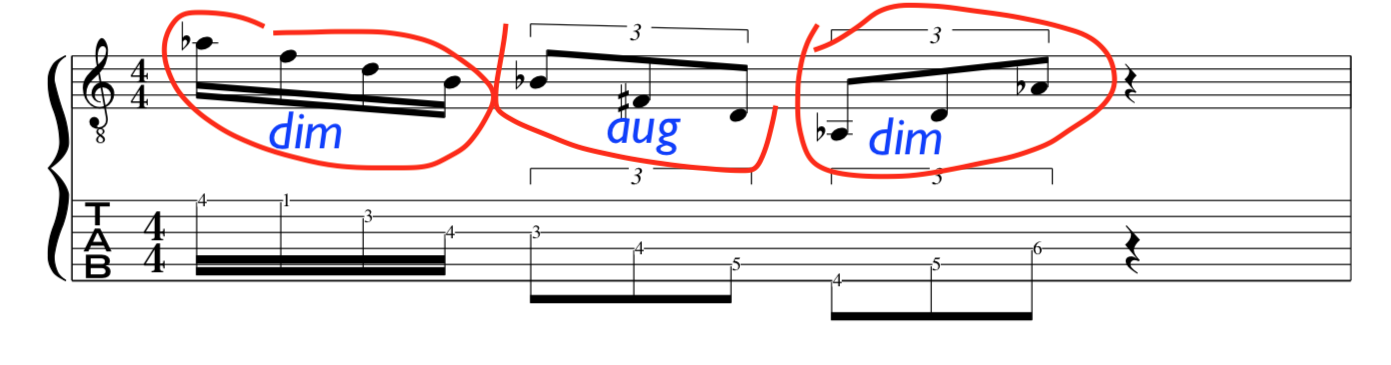
Mode 6 allows for this to be sequenced easily
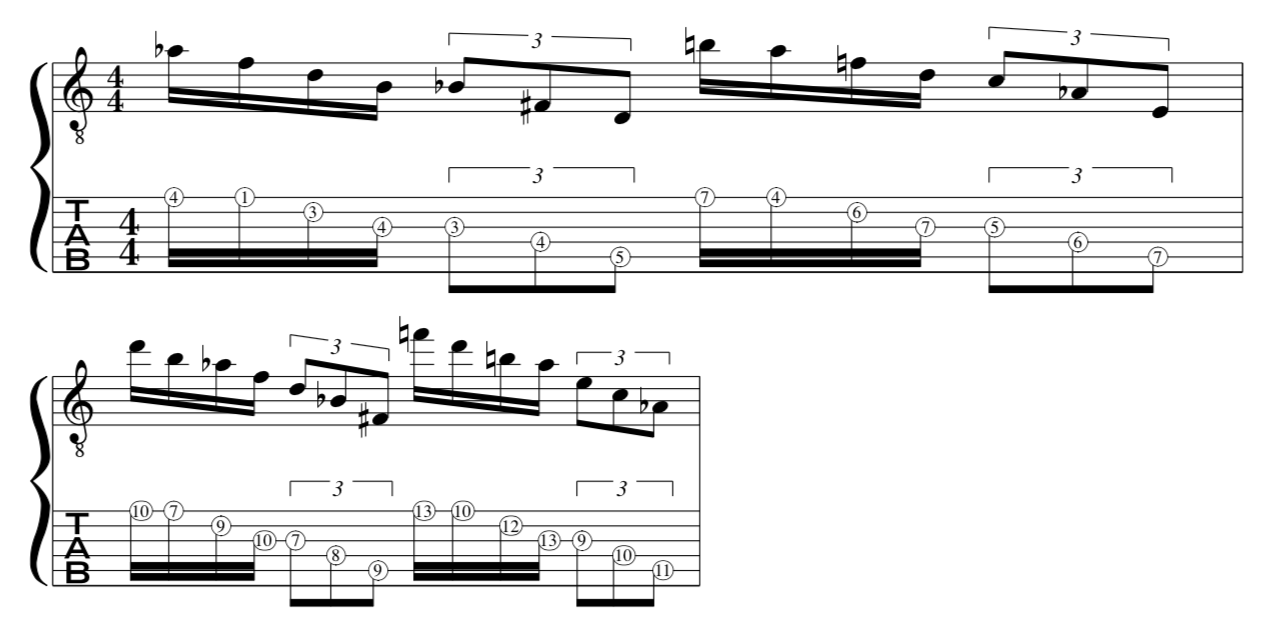
Below is a descending Augmented sequence
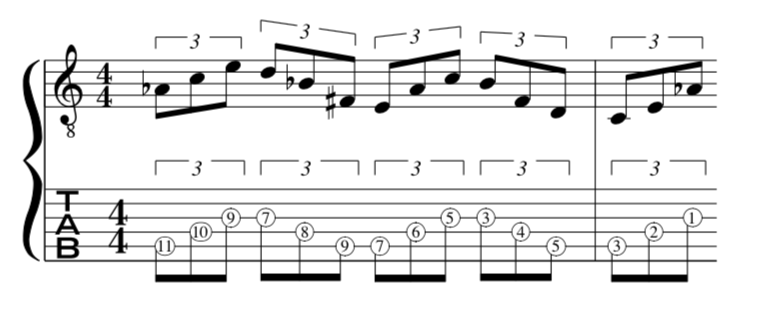
For common sequences: The Augmented sequences move in tones whilst the Diminished sequences move in minor 3rds.
Although, Diminished intervals can move in semitones and tones. For Example:
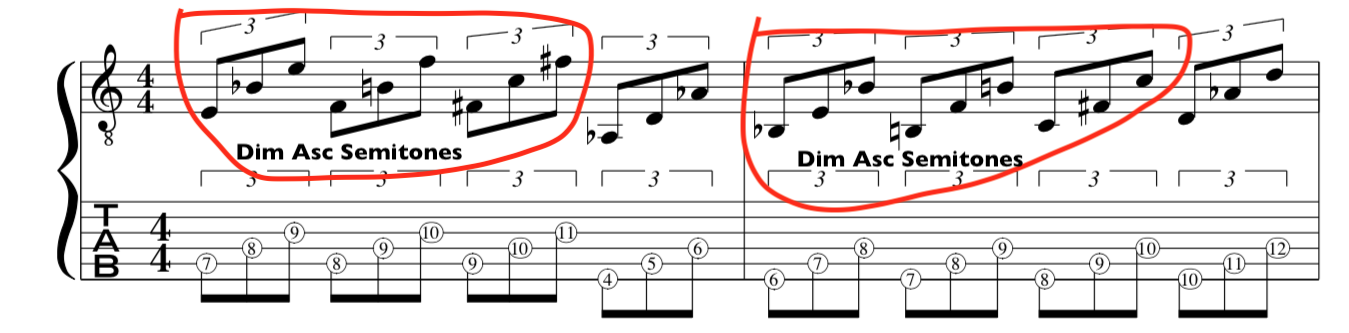
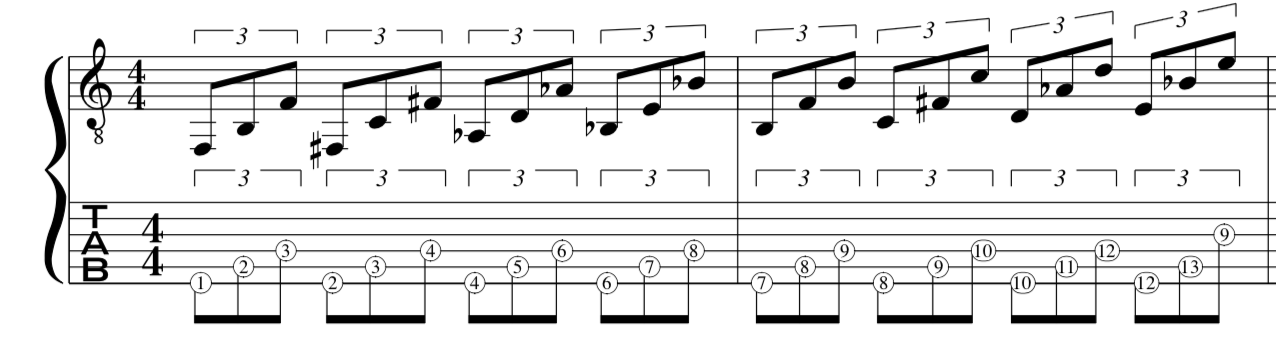
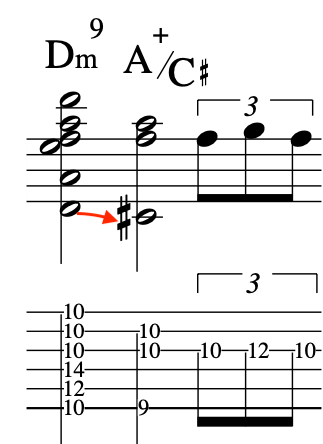
Getting back to our common sequences we can see below the brilliance of diminished intervals moving in minor 3rds with the employment of the simple triplet figure.
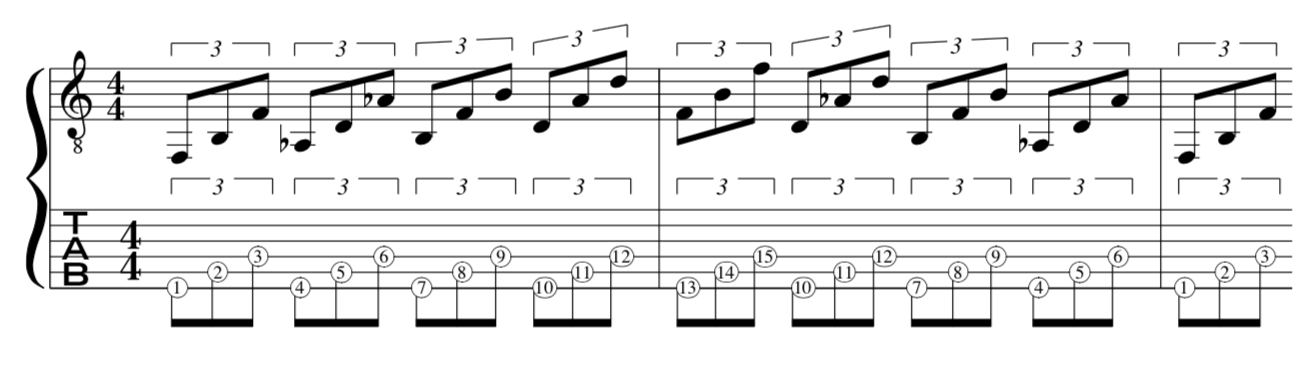
More examples of mixing up the Augmented and Diminished ideas to avoid the cliches and develop something fresh sounding
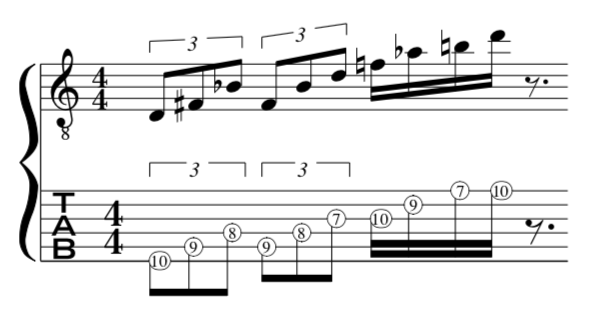
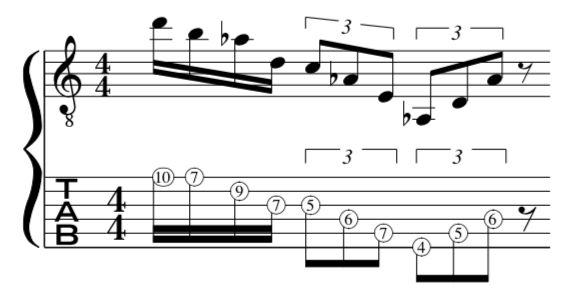
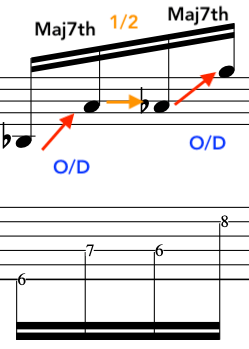
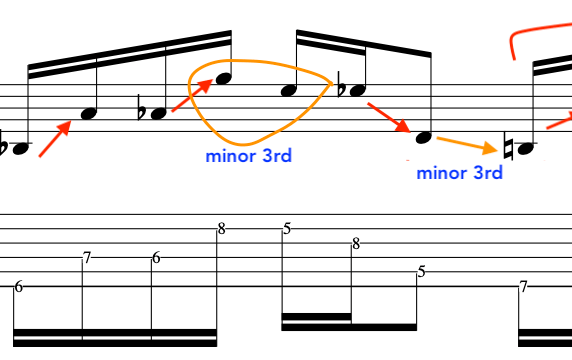
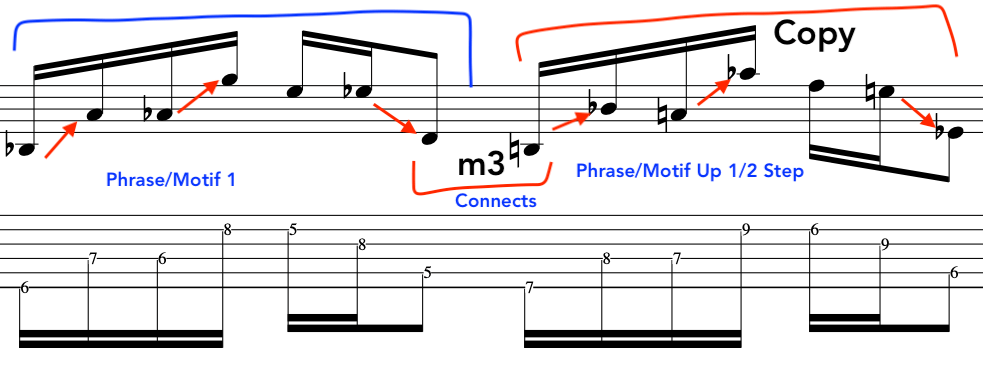
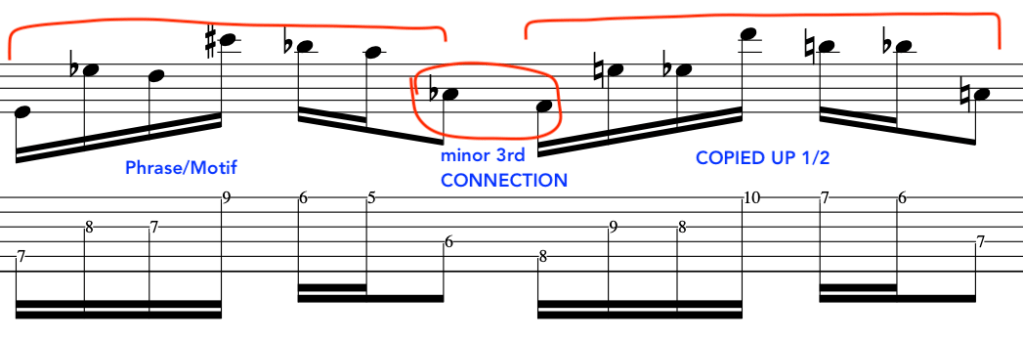
We can also make interesting intervallic motifs from the notes of the Messiaen mode 6
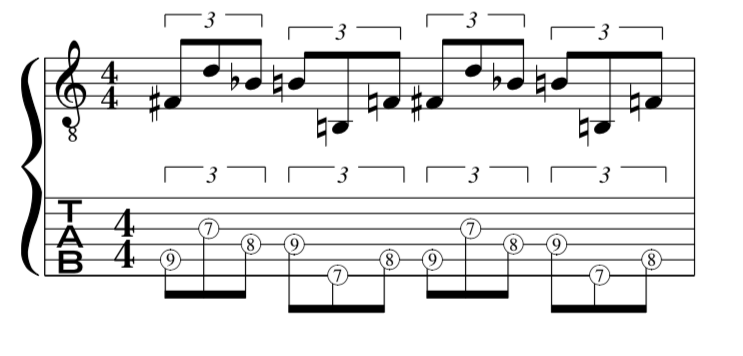
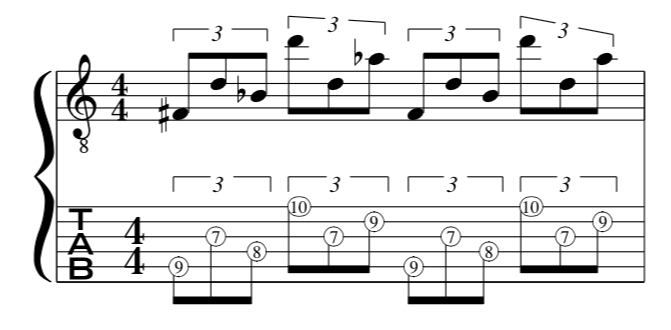
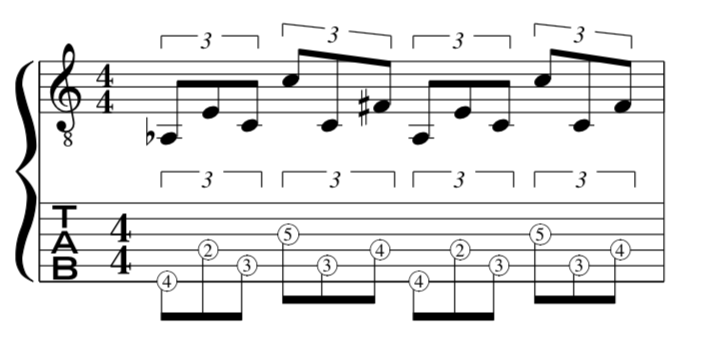
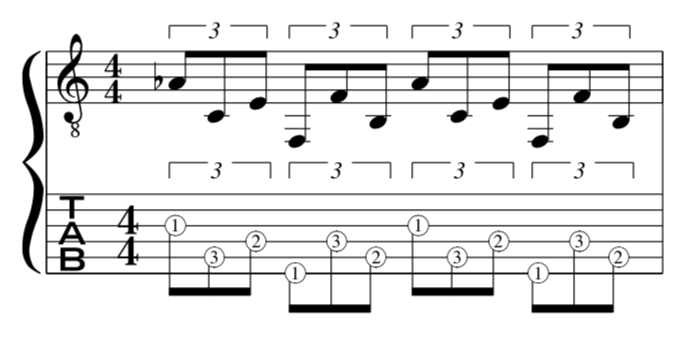
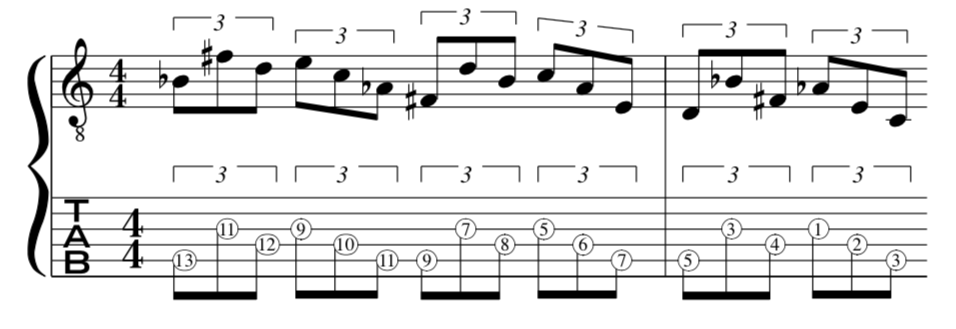
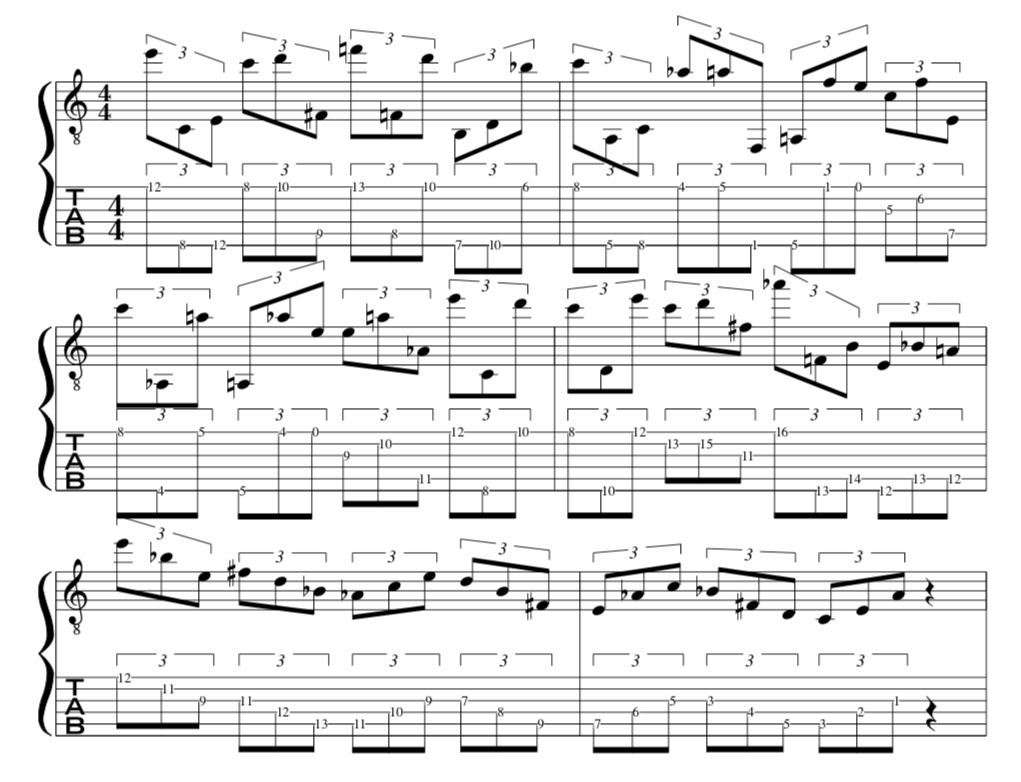
Finally, we can employ a contrapuntal counterpoint “Mirror” compositional device to really manipulate this brilliant 6th mode of Messiaen.
If you enjoyed this blog/vlog then please SUBSCRIBE to us on YOUTUBE below! Thanks!